White Rice vs Brown Rice vs Quinoa for Blood Sugar
The definitive guide to managing diabetes through grain choices. Discover which staple food helps you maintain stable glucose levels and supports your metabolic health.
The Carbohydrate Dilemma: Managing Glucose with Grains
For anyone managing diabetes, prediabetes, or insulin resistance, the dinner plate is a battlefield. Carbohydrates are the primary driver of blood sugar spikes, yet they are also a staple in cultures around the world. The question isn’t just “can I eat carbs?” but rather “which carbs act as fuel, and which act as fire for my blood sugar?”
Rice is one of the most consumed foods on the planet. However, for a diabetic, a bowl of fluffy white rice can send glucose readings soaring. This leads many to seek alternatives. Brown rice has long been touted as the “healthy” switch, but in recent years, the ancient grain (technically a seed) Quinoa has emerged as a powerhouse competitor.
In this comprehensive guide, we will dissect the nutritional profiles of White Rice, Brown Rice, and Quinoa. We will look beyond simple calorie counts to understand the glycemic impact, fiber content, and micronutrient density of each, helping you make an informed decision for your low glycemic diet plan. Recent estimates suggest that over 463 million adults live with diabetes, and diet remains the cornerstone of management. By the end of this 4,000+ word guide, you’ll know exactly how to plate your grains for optimal glucose control.
Understanding Glycemic Index (GI) and Glycemic Load (GL)
Before comparing the grains, we must establish the metrics of success. When managing blood sugar, two numbers matter immensely:
- Glycemic Index (GI): A ranking from 0 to 100 of how quickly a food raises blood sugar levels after eating. Foods with a high GI are digested and absorbed rapidly, causing spikes. Low GI foods digest slowly.
- Glycemic Load (GL): This accounts for the amount of carbohydrates in a typical serving. It gives a more accurate picture of the real-world impact on your blood sugar. GL = (GI × grams of carbs) / 100. A GL under 10 is low, 11–19 medium, and 20+ high.
Generally, a GI of 55 or less is considered low, while 70 or above is high. Managing these numbers is crucial for avoiding the rollercoaster of hyperglycemia and hypoglycemia. For instance, watermelon has a high GI (72) but a low GL (5) per serving because it’s mostly water. That’s why we focus on both metrics.
White Rice: The Glucose Spiker?
White rice is brown rice that has been processed to remove the hull, bran, and germ. This milling process extends the shelf life and creates a softer texture that many prefer. However, it also strips the grain of its most valuable assets for blood sugar control: fiber and protein.
The Blood Sugar Impact
Because it lacks fiber, white rice is essentially pure starch. Your body breaks this starch down into glucose incredibly fast. Depending on the variety (Jasmine, sticky rice, etc.), white rice can have a GI score between 70 and 90. This puts it in the same category as pure sugar or white bread for many diabetics. Short-grain white rice tends to have a higher GI than long-grain basmati, but even basmati (GI ~58-64) can be problematic in large portions.
Consuming white rice alone often leads to a rapid spike in blood glucose, followed by a sharp crash, leading to hunger and cravings shortly after eating. This cycle can be detrimental for those with insulin resistance. A study in the BMJ found that each daily serving of white rice increased the risk of type 2 diabetes by 11% in the general population.

Struggling to limit your rice intake? These visual guide plates help you balance your macros perfectly, ensuring you don’t overindulge in high-GI starches.
Check Price on AmazonBrown Rice: The Whole Grain Standard
Brown rice is the whole grain version of white rice. It retains the bran and germ layers, which contain the vast majority of the grain’s nutrients, including fiber, magnesium, and B vitamins. It has a chewier texture and a nuttier flavor.
Why It’s Better (But Not Perfect)
The fiber in the bran layer acts as a physical barrier, slowing down the digestive enzymes’ ability to break down the starch into sugar. This results in a slower, more sustained release of energy. Brown rice typically has a GI score of around 50-68, placing it in the medium category. The exact GI depends on the variety and cooking time; longer cooking can increase GI.
While better than white rice, brown rice is still carbohydrate-dense. A cup of cooked brown rice contains roughly 45g of carbs. For strict low-carb diets, this can still be significant. However, for a balanced high-fiber diabetic meal plan, it is a superior choice to white rice. Brown rice also contains magnesium, a mineral that improves insulin sensitivity.
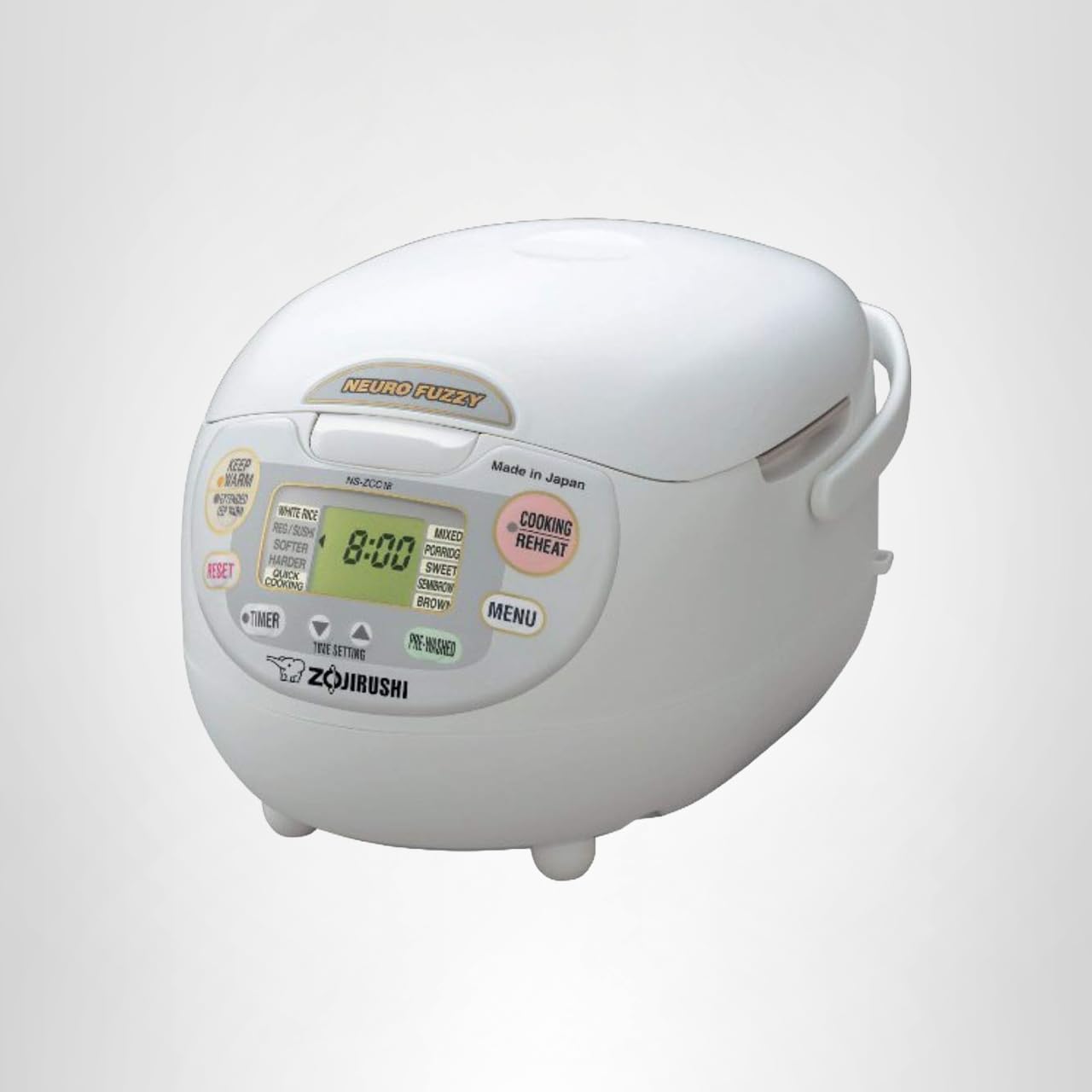
Cooking brown rice perfectly can be tricky. This gold-standard cooker features a dedicated “GABA Brown Rice” setting that activates nutrients and ensures perfect texture every time.
Check Price on AmazonQuinoa: The Superfood Contender
Quinoa (pronounced keen-wah) is botanically a seed, related to spinach and beets, though it is prepared and eaten like a grain. This distinction is important because its nutritional profile is fundamentally different from rice.
The Protein & Fiber Advantage
Quinoa is one of the few plant foods that is a complete protein, meaning it contains all nine essential amino acids. This protein, combined with a high fiber content (about 5g per cup), creates a powerful buffer against blood sugar spikes. The fiber in quinoa is both soluble and insoluble, promoting gut health and satiety.
With a GI score of roughly 53, quinoa sits comfortably in the low-glycemic category. It provides essential minerals like magnesium, which is crucial for insulin sensitivity. Because it is nutrient-dense, you get “more bang for your buck” with every bite compared to rice. Quinoa also contains flavonoids like quercetin and kaempferol, which have anti-inflammatory effects—a bonus for diabetics.
Quinoa comes in three main colors: white, red, and black. Red and black quinoa have slightly more fiber and a firmer texture, but all are excellent choices.

Stock up on this pantry staple. Gluten-free, non-GMO, and packed with protein, this bulk bag ensures you always have a blood-sugar-friendly base for your meals.
Check Price on AmazonThe Role of Fiber in Blood Sugar Management
Fiber is the indigestible part of plant foods that plays a starring role in glucose control. Soluble fiber forms a gel-like substance in the gut, slowing carbohydrate absorption and preventing sharp spikes. Insoluble fiber adds bulk and aids regularity. The American Diabetes Association recommends 25-35g of fiber daily.
White rice has virtually no fiber (0.6g per cup). Brown rice provides about 3.5g, while quinoa offers 5.2g. But beyond quantity, the type of fiber matters: quinoa’s fiber includes pectins and cellulose that also feed beneficial gut bacteria, which may improve metabolic health over time. A high-fiber diet is linked to lower HbA1c levels.
Head-to-Head Nutritional Showdown
Let’s look at the numbers. The table below compares 1 cup (approx. 185g) of cooked grain.
| Nutrient | White Rice | Brown Rice | Quinoa |
|---|---|---|---|
| Calories | 205 | 216 | 222 |
| Carbohydrates | 44g | 45g | 39g |
| Fiber | 0.6g | 3.5g | 5.2g |
| Protein | 4.2g | 5g | 8.1g |
| Glycemic Index (Avg) | 72 (High) | 66 (Medium) | 53 (Low) |
| Magnesium | 19mg | 84mg | 118mg |
Analysis: While the calorie counts are similar, Quinoa is the clear winner in terms of protein, fiber, and lower carbohydrate count. Brown rice is a solid middle ground, while white rice offers the least nutritional value and highest glycemic risk.
Beyond the Three: Other Low-Glycemic Grain Alternatives
If you want to expand your pantry, several other grains and seeds offer excellent blood sugar profiles. Here’s a quick comparison per cooked cup:
| Grain | Carbs (g) | Fiber (g) | Protein (g) | GI (approx) |
|---|---|---|---|---|
| Barley (pearled) | 44 | 6 | 3.5 | 28-35 |
| Buckwheat groats | 33 | 4.5 | 5.7 | 49 |
| Wild rice | 35 | 3 | 6.5 | 45-57 |
| Millet | 41 | 2.3 | 6 | 54 |
| Cauliflower rice | 5 | 2 | 2 | very low |
Barley, especially hulled barley, has a remarkably low GI due to beta-glucan fiber. Buckwheat is rich in rutin, which supports circulation. Mixing these with quinoa or brown rice can add variety and lower the overall glycemic load.
Cooking Strategies for Lower Blood Sugar
Regardless of which grain you choose, how you prepare and eat it changes its impact on your glucose levels. Here are three science-backed hacks:
1. The Cooling Hack (Resistant Starch)
Cooking rice (white or brown) and then cooling it in the refrigerator for at least 24 hours creates resistant starch. This turns some of the digestible starch into a form of fiber that your body cannot digest. Even if you reheat the rice, the resistant starch remains, significantly lowering the GI of the meal. A 2015 study in the Asia Pacific Journal of Clinical Nutrition found that cooling white rice increased resistant starch by 10-fold.
2. The Vinegar Trick
Adding a tablespoon of vinegar (apple cider or white vinegar) to your meal or the cooking water can improve insulin sensitivity and reduce the blood sugar spike by up to 30%. The acetic acid in vinegar temporarily inhibits enzymes that digest starch, flattening the glucose curve.
3. Pairing Power
Never eat “naked carbs.” Always pair your rice or quinoa with healthy fats (avocado, olive oil) and lean proteins. This slows down gastric emptying. For ideas on what to pair with these grains, check our diabetic dinner menu ideas. Vegetables also add fiber and volume, reducing the proportion of carbs on your plate.
Expert Tips for Eating Rice Without Spiking Blood Sugar
If you love rice and don’t want to give it up entirely, these expert strategies can help:
- Choose parboiled or converted rice: Parboiling forces nutrients into the grain and lowers GI compared to regular white rice.
- Add legumes: Mix rice with lentils (khichdi) or beans—the protein and fiber blunt the glycemic response.
- Use less water: Cooking rice with less water (al dente) reduces starch gelatinization and lowers GI compared to mushy rice.
- Try konjac rice: Shirataki (konjac) rice is almost zero-carb and can be mixed 50:50 with real rice.
A Sample Day of Meals Using These Grains
Here’s how you could incorporate quinoa, brown rice, and even a little white rice (with hacks) into a balanced diabetic menu:
- Breakfast: Quinoa breakfast bowl with berries, walnuts, and a dollop of Greek yogurt (fiber + protein).
- Lunch: Brown rice stir-fry with tofu, broccoli, and bell peppers, seasoned with ginger and tamari (adds veggies and protein).
- Snack: Handful of almonds and an apple.
- Dinner: Grilled salmon with a side of “cooled” white rice (made ahead) and roasted asparagus drizzled with olive oil and vinegar.
Notice each meal includes fiber, fat, and protein to stabilize blood sugar.
The Science: What Research Says About Rice and Diabetes Risk
A 2012 meta-analysis in the BMJ involving 350,000 people over 20 years found that high white rice consumption (≥5 servings/week) was associated with a 17% increased risk of type 2 diabetes. In contrast, a 2020 review in Nutrients concluded that whole grains like brown rice and quinoa are protective, partly due to magnesium and fiber. Quinoa specifically has been shown to reduce postprandial glucose and insulin in healthy adults (Journal of Medicinal Food, 2017). Another study from Harvard School of Public Health suggests swapping 50g of white rice daily for the same amount of brown rice could lower diabetes risk by 16%.
The takeaway: replacing refined grains with whole grains is one of the most impactful dietary changes for metabolic health.
The Final Verdict: Which is Best?
1. Gold Medal: Quinoa
For blood sugar management, Quinoa is the superior choice. Its low GI, complete protein profile, and high mineral content make it a superfood for diabetics. It keeps you fuller longer and provides steady energy.
2. Silver Medal: Brown Rice
Brown rice is a respectable option. It is accessible, affordable, and provides decent fiber. If you dislike the texture of quinoa, brown rice is your next best bet, especially if portion-controlled.
3. Bronze Medal: White Rice
White rice should be treated as an occasional treat rather than a daily staple for those with diabetes. If you must eat it, use the cooling method, keep portions small (1/2 cup), and load the rest of your plate with non-starchy vegetables.
Ultimately, the best grain is the one you can enjoy in moderation while maintaining stable glucose. Experiment with combinations and always monitor your blood sugar response.
Frequently Asked Questions
Disclaimer: This article is for informational purposes only and does not constitute medical advice. Always consult your healthcare provider before making significant dietary changes.