The Ultimate Vegan Diabetic Meal Plan: Mastering Blood Sugar with Plant-Based Power
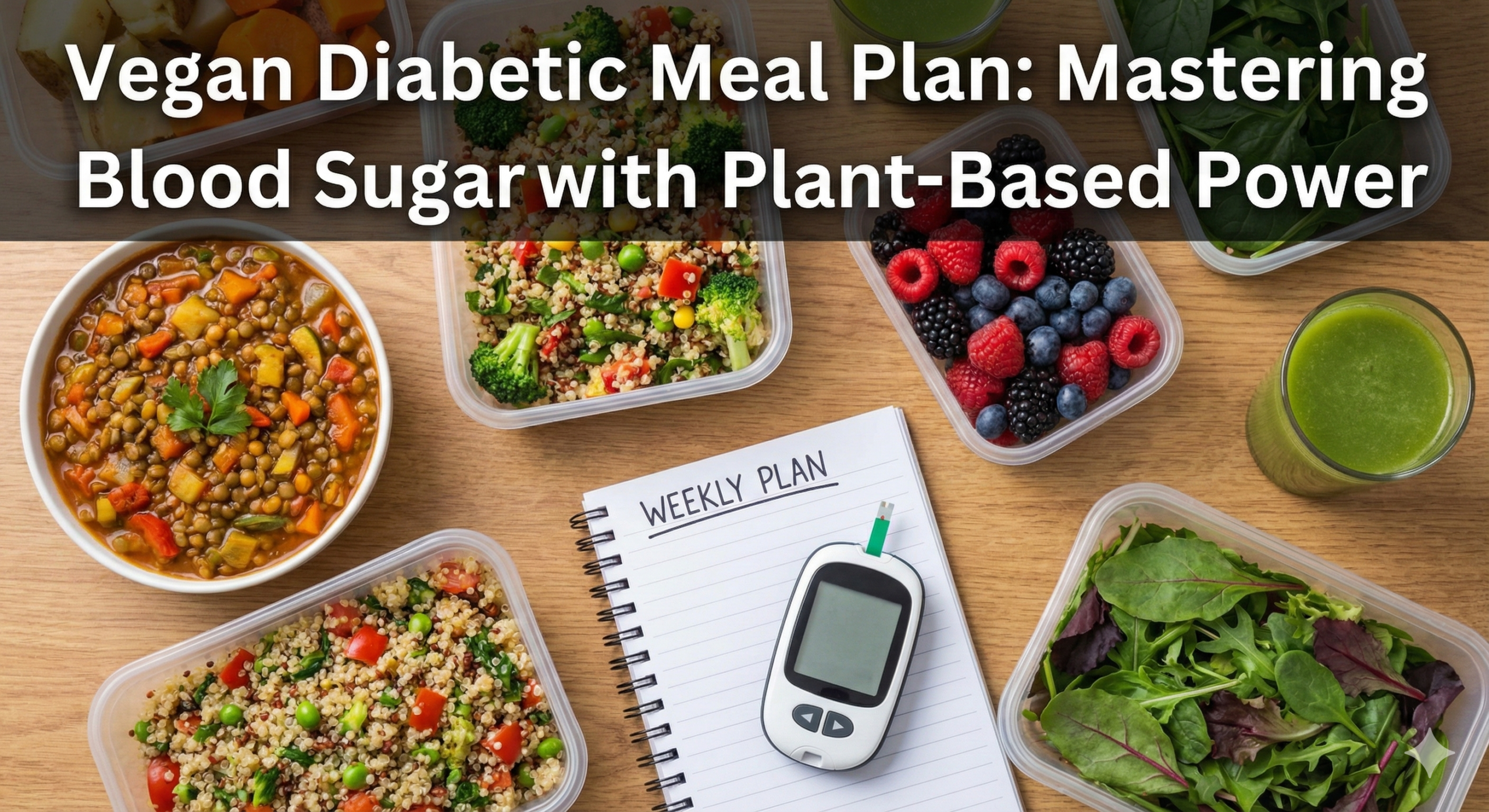
For years, the conventional narrative surrounding diabetes management focused heavily on lean meats and dairy as the primary sources of protein, often sidelining the immense potential of plant-based nutrition. However, the landscape of metabolic health is shifting. A well-structured vegan diabetic meal plan is no longer considered alternative medicine; it is increasingly recognized by endocrinologists and nutritionists as a powerful tool for improving insulin sensitivity, managing weight, and reducing the risk of cardiovascular complications. By focusing on whole, unrefined plants, individuals can achieve remarkable glycemic control without feeling deprived.
Transitioning to a vegan diet when you have diabetes involves more than just removing animal products. It requires a strategic approach to macronutrients. Without the safety net of zero-carb meats, you must navigate the world of grains, legumes, and fruits with precision to prevent blood sugar spikes. This guide isn’t just about what you can’t eat—it’s a celebration of what you can eat. From hearty high-fiber meals to satisfying proteins, we will break down exactly how to thrive on a plant-based diet while keeping your glucose levels in the green zone. We’ll also explore practical meal prep, grocery lists, and dining out tips tailored for the vegan diabetic.
The goal is to empower you with knowledge: understanding the glycemic index of plant foods, the importance of protein pairing, and how to harness the power of phytonutrients. Whether you’re aiming for weight loss, better A1C, or simply more energy, this comprehensive resource will serve as your roadmap. For those who need structured guidance, we frequently link to specialized menus like the 1-day simple diabetic menu and the 30-day diabetic menu, both adaptable to vegan preferences.
The Science: Why Plant-Based Works for Diabetes
The relationship between a vegan diet and diabetes management is rooted in how our bodies process insulin. Type 2 diabetes is fundamentally an issue of insulin resistance—where cells fail to respond effectively to insulin. Research suggests that high levels of intracellular fat (fat inside cells) can inhibit insulin function, and a plant-based diet naturally reduces that fat storage while improving mitochondrial health.
By eliminating animal fats and replacing them with healthy plant fats and high-fiber foods, many individuals experience a significant improvement in insulin sensitivity. A plant-based diet is naturally high in fiber, magnesium, and antioxidants, all of which play a crucial role in glucose metabolism. Furthermore, adhering to a heart-healthy diabetic diet is easier when cholesterol-laden animal products are removed from the equation. Studies published in the American Journal of Clinical Nutrition have shown that vegan diets can lower HbA1c by an average of 0.5–1.0% within three months.
Expert Insight: The Fiber Factor
Fiber is the diabetic vegan’s secret weapon. It slows down the absorption of sugar into the bloodstream, preventing the sharp spikes that typically follow a carbohydrate-rich meal. Soluble fiber, found in oats, beans, and flaxseeds, also helps lower LDL cholesterol. This is why a menu for insulin resistance often leans heavily on legumes and leafy greens. Aim for at least 40 grams of fiber per day for optimal blood sugar control.

The Plant-Based Diabetes Cookbook
Over 100 recipes specifically designed to reverse insulin resistance using whole-food, plant-based ingredients. Includes 7-day meal plans and nutritional breakdowns for every recipe.
Check Price on AmazonThe Carbohydrate Conundrum: Good vs. Bad Carbs
The biggest fear for any diabetic considering veganism is carbohydrates. “If I can’t eat meat, and I can’t eat dairy, all that’s left is carbs, right?” This is a common misconception. While it is true that a vegan diet is naturally higher in carbohydrates, not all carbs are created equal. The key lies in understanding carbohydrate quality and how they interact with fiber, protein, and fat in a meal.
Complex vs. Simple Carbs: A Detailed Look
The key to a successful vegan diabetic meal plan is distinguishing between simple sugars and complex carbohydrates.
- Avoid: Refined white flour, white rice, sugary syrups, and processed vegan junk food (like cookies, chips, and packaged snacks). These cause rapid glucose spikes and offer little nutritional value. Also limit fruit juices and dried fruits, as they concentrate sugar.
- Embrace: Quinoa, barley, legumes (lentils, chickpeas, black beans), sweet potatoes, and whole oats. These have a lower Glycemic Index (GI) and provide sustained energy thanks to their high fiber and resistant starch content.
- Smart choices: Whole grain bread (with at least 3g fiber per slice), buckwheat, millet, and amaranth. Even corn tortillas in moderation are better than flour.
If you are strictly monitoring your intake, you might want to look at a low sugar diabetic weekly menu to understand how to minimize glycemic impact while maximizing nutrient density. Additionally, learning to pair carbs with protein (e.g., apple with peanut butter) can significantly blunt post-meal glucose rises.
Essential Nutrients: Protein, Iron, and B12
A balanced plate is non-negotiable. When you remove animal products, you must proactively include sources of specific nutrients to avoid deficiencies that could complicate diabetes management.
1. Plant-Based Protein: Building Blocks
Protein satiates appetite and does not spike blood sugar. For diabetics, maintaining muscle mass is vital for metabolic health; muscle tissue is a primary site for glucose disposal. Excellent sources include:
- Tofu & Tempeh: Versatile and low-carb. Tempeh, being fermented, offers probiotics as well.
- Lentils & Beans: High in fiber, though they do contain carbs—portion control is key. A half-cup serving is ideal.
- Edamame: A perfect snack with about 17g protein per cup.
- Seitan: Very high protein, low carb (wheat gluten) – but avoid if gluten-sensitive.
- Hemp seeds, pumpkin seeds, and nutritional yeast: Easy add-ons to meals.
2. Vitamin B12 and Iron: Critical Duo
Vegans must supplement with B12 or consume fortified foods like nutritional yeast, plant milks, and breakfast cereals. B12 deficiency can cause neurological issues and mimic diabetic neuropathy, so regular monitoring is advised. Iron from plants (non-heme iron) is less easily absorbed, so pair iron-rich foods (spinach, lentils, blackstrap molasses) with Vitamin C (lemon juice, bell peppers, guava) to boost absorption. Cooking in cast iron pans also adds trace iron.
Additionally, ensure adequate calcium (fortified plant milks, kale, tahini), zinc (pumpkin seeds, chickpeas), and omega-3s (flaxseeds, chia seeds, walnuts). These support overall health and reduce inflammation common in diabetes.
Building Your Vegan Diabetic Menu: Meal by Meal
Let’s get practical. How do you construct a day of eating that keeps you full and stable? Whether you are looking for daily & weekly meal plans or just inspiration, here is the breakdown. All meals are designed to be between 350-500 calories with balanced macros.
Breakfast: Start Strong, Stay Full
Skip the sugary cereals and fruit juices. Your morning meal should prioritize protein and fat to blunt the “dawn phenomenon” (morning blood sugar rise).
- Tofu Scramble: Turmeric, black salt (kala namak) for eggy flavor, kale, nutritional yeast, and avocado on the side.
- Chia Seed Pudding: Made with unsweetened almond milk, chia seeds, and a handful of walnuts. Top with raspberries (lowest sugar berry).
- Savory Oatmeal: Steel-cut oats cooked with spinach, garlic, and topped with flaxseeds and a drizzle of tahini.
- Green Smoothie: Handful of spinach, 1/2 green apple, celery, cucumber, plant protein powder, and ginger.
Need more variety? Check our breakfast ideas for diabetes or specific diabetic breakfast menu suggestions.
Lunch: The Power Bowl & Wraps
Lunch should be portable and energizing. The “Buddha Bowl” concept works perfectly here: a base of greens, a scoop of complex carbs (like quinoa or roasted sweet potato), a protein (chickpeas, black beans, or baked tofu), and a healthy fat dressing (avocado or tahini sauce).
For those on the go, our guide to the diabetic lunch menu offers quick, prep-friendly ideas. If you are a busy professional, the diabetic menu for working adults is a must-read. Try a collard green wrap filled with hummus, roasted veggies, and sunflower seeds for a low-carb alternative.
Dinner: Nutrient Density & Comfort
Dinner is a time to wind down. Avoid heavy, carb-loaded meals late at night. Focus on high-volume, low-calorie vegetables and lean plant proteins.
- Zucchini Noodles (Zoodles): Served with a walnut-basil pesto and cherry tomatoes. Add white beans for protein.
- Lentil-Walnut Bolognese: Over whole-grain pasta or spaghetti squash.
- Stuffed Bell Peppers: Filled with cauliflower rice, black beans, corn, and salsa, baked until tender.
- Cauliflower “Steaks” with Chimichurri: Served with a side of quinoa and roasted asparagus.
Explore more diabetic dinner menu ideas to keep your evenings exciting and blood sugar friendly.
Snacks: Smart Between Meals
Snacking can help prevent hypoglycemia if you take insulin, but choose wisely. See diabetic snack ideas for more. Great vegan options:
- Apple slices with almond butter
- Roasted chickpeas (spiced with cumin)
- Veggie sticks with guacamole
- Handful of almonds and a small pear

Heavy Duty Vegetable Spiralizer
Turn zucchini, carrots, and squash into low-carb pasta alternatives instantly. A vegan diabetic kitchen essential. Includes three blade types for different noodle styles.
Check Price on AmazonSample 3-Day Vegan Diabetic Meal Plan (Extended)
To help you visualize this, here is a 3-day snapshot suitable for general maintenance. You can adapt portion sizes based on your calorie needs, whether you are on a 1500 calorie diabetic menu or an 1800 calorie diabetic menu. Each day includes approximately 30-40g fiber and 70g protein.
Day 1: The Reset
- Breakfast: Green smoothie (handful spinach, 1/2 small banana, 1 tbsp almond butter, 1 scoop pea protein, unsweetened almond milk). See diabetic smoothie menu.
- Lunch: Lentil soup (with carrots, celery, cumin) and a side of mixed greens with lemon-tahini dressing.
- Snack: 1/4 cup roasted pumpkin seeds and a small apple.
- Dinner: Stir-fried tempeh with broccoli, snap peas, bell peppers, and ginger-garlic sauce served over cauliflower rice.
Day 2: High Fiber & Flavor
- Breakfast: Chia pudding (3 tbsp chia, 1 cup unsweetened soy milk) topped with 1/2 cup raspberries and 1 tbsp hemp seeds.
- Lunch: Chickpea “tuna” salad sandwich (mashed chickpeas with vegan mayo, mustard, celery, onion) on one slice of sprouted grain bread, served with a side salad.
- Snack: Carrot sticks with 1/4 cup hummus.
- Dinner: Eggplant lasagna (using grilled eggplant slices instead of noodles) with vegan ricotta (tofu, lemon, nutritional yeast) and marinara sauce.
Day 3: Heart Healthy
- Breakfast: Avocado on one slice of high-fiber rye crispbread, sprinkled with hemp seeds and red pepper flakes.
- Lunch: Quinoa tabbouleh (quinoa, parsley, mint, tomatoes, cucumber) with a side of 1/2 cup canned lentils.
- Snack: Roasted edamame (1/2 cup shelled).
- Dinner: Portobello mushroom caps grilled and topped with salsa, served with roasted asparagus and half a small baked sweet potato.
For a longer commitment, consider downloading a full 7-day diabetic menu or even a 14-day diabetic meal plan to stay consistent. These can be easily veganized by substituting animal proteins with tofu or legumes.
Special Considerations and Modifications
The vegan diet is flexible, but certain groups need specific adjustments to ensure safety and efficacy.
Seniors & Older Adults
Older adults may face challenges with appetite, chewing, or slower digestion. Soft, nutrient-dense foods like blended soups, smoothies, and well-cooked legumes are ideal. For detailed guidance, refer to our diabetic menu for seniors or the specialized menu for elderly with no teeth. Ensure adequate protein to prevent sarcopenia.
Weight Loss vs. Maintenance
If your goal is weight loss to assist with insulin resistance, you might opt for a calorie-restricted approach like the 1200 calorie diabetic menu (which requires careful nutrient density). Conversely, active individuals or those with higher metabolisms might need the caloric density provided in a 2000 calorie diabetic menu.
Pregnancy & Gestational Diabetes
Gestational diabetes requires strict monitoring. While a vegan diet can be safe, protein needs are higher (at least 75-100g daily). Pregnant women should consult our diabetic menu for pregnant women and work closely with an OB-GYN and dietitian to ensure adequate intake of choline, DHA (algae oil), and iron.
Kidney Disease (Diabetic Nephropathy)
Diabetics with kidney complications typically need to watch potassium and phosphorus, which are abundant in plants. A renal diabetic meal plan will help you navigate which vegetables are safe (e.g., choosing cauliflower over potatoes, limiting tomatoes). Work with a renal dietitian to tailor a vegan approach.
High Blood Pressure
Vegan diets are naturally low in sodium, but watch for canned beans and processed vegan meats. Rinse beans thoroughly. For specific meal ideas, see diabetic menu for high blood pressure.
Pros and Cons of a Vegan Diabetic Diet (Detailed)
Is this lifestyle right for you? Let’s look at the trade-offs in an expanded table.
| Pros | Cons |
|---|---|
| Highly effective for weight loss and reducing visceral fat, which directly improves insulin sensitivity. | Requires careful planning to get enough Vitamin B12, iron, zinc, and omega-3s. Supplementation is often necessary. |
| Significantly lowers LDL cholesterol and total cholesterol, reducing cardiovascular risk. | Dining out can be challenging; need to ask about hidden dairy/eggs and opt for simple preparations (see eating out diabetic menu). |
| High fiber intake naturally stabilizes blood sugar and improves gut microbiome diversity. | Potential for “carb overload” if relying on pasta/bread instead of veggies and legumes. Must focus on whole foods. |
| Reduces inflammation markers (CRP) due to high antioxidant content. | May require higher food volume to meet calorie needs, which can be uncomfortable for some. |
| Environmentally sustainable and often more affordable than meat-based diets. | Social situations may require explanation; some people may worry about protein adequacy. |
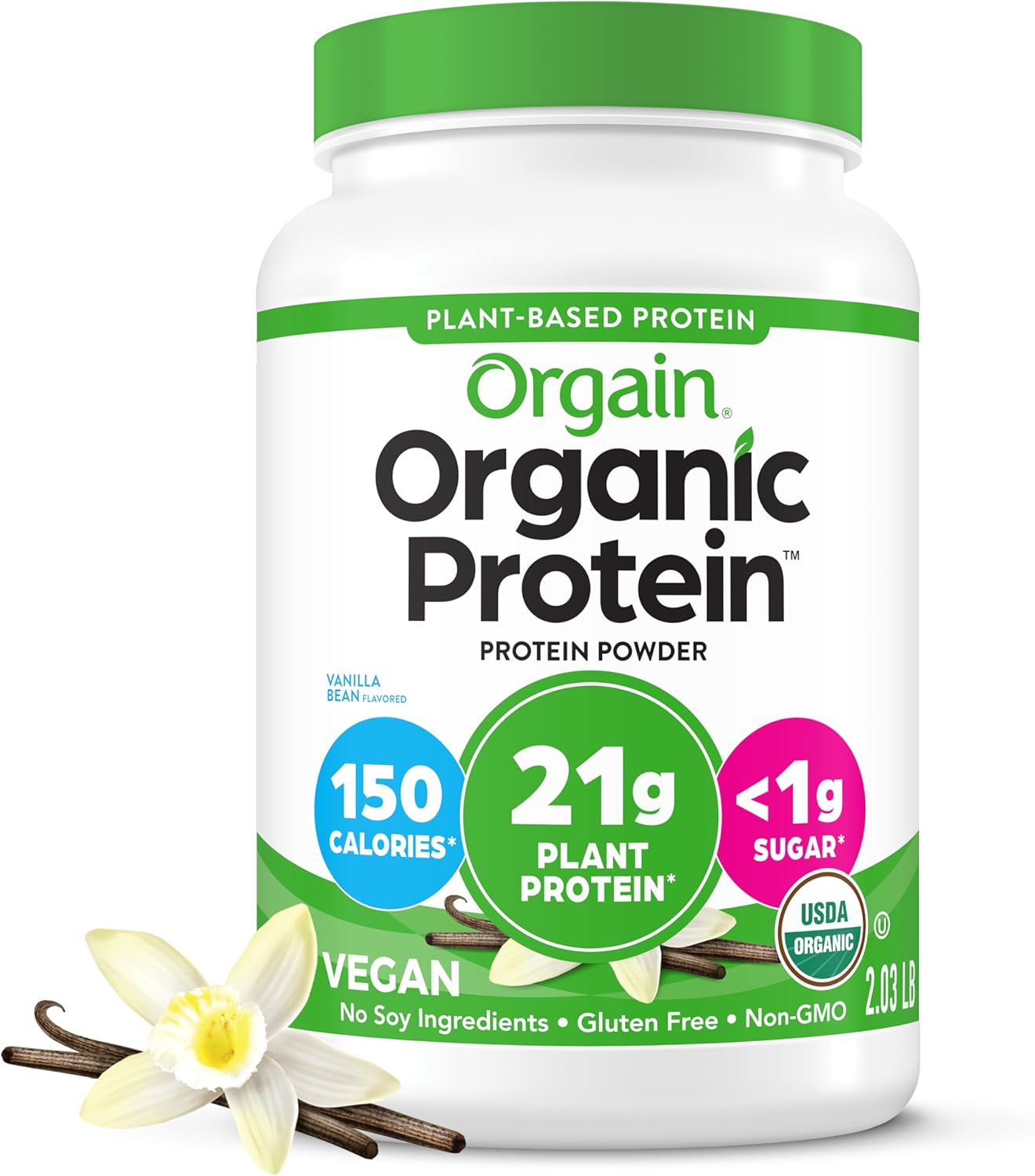
Organic Plant-Based Protein Powder (Zero Sugar)
Ensure you hit your protein goals without the blood sugar spike. Clean ingredients, perfect for smoothies or baking. Vanilla and unflavored options.
Check Price on AmazonFrequently Asked Questions (Expanded)
Can a vegan diet reverse Type 2 diabetes?
Many studies, including those by Dr. Neal Barnard and the Physicians Committee, show that a whole-food plant-based diet can lead to diabetes remission, meaning normal blood sugar levels are maintained without medication. However, this depends on the individual’s beta-cell function, duration of diabetes, and strict adherence to the diet. Weight loss and reduced fat inside the liver/pancreas are key mechanisms.
How do I get enough protein without meat?
Legumes (lentils, chickpeas, beans), tofu, tempeh, edamame, seitan, nutritional yeast, nuts, and seeds are excellent sources. Even vegetables like broccoli contain protein. Combining these throughout the day ensures a complete amino acid profile. For example, rice and beans together form a complete protein. Most vegans easily meet protein needs without effort.
Are fruits safe for vegan diabetics?
Yes, but focus on low-glycemic fruits like berries, cherries, apples, pears, and grapefruit. Avoid dried fruits and fruit juices as they concentrate sugar and lack fiber. Always eat fruit with a fat or protein (like almond butter with apple) to slow absorption. Limit tropical fruits (mango, pineapple) to small portions. A serving is about 1 cup of berries or one medium apple.
Is soy safe for everyone?
For the vast majority of people, moderate soy consumption (2-3 servings daily) is safe and beneficial for heart health and blood sugar control. However, those with thyroid issues or specific allergies should consult a doctor and rely on other proteins like lentils and beans. Fermented soy (tempeh, miso) may be better tolerated.
What if I have high blood pressure too?
A vegan diet is naturally low in sodium if you avoid processed foods. Focus on whole foods and use herbs, spices, and citrus for flavor. Check our diabetic menu for high blood pressure for specific recipes that are both vegan and low-sodium. Avocados and nuts also provide potassium, which helps lower blood pressure.
Will I feel hungry on a vegan diabetic diet?
Quite the opposite! High-fiber foods like vegetables, legumes, and whole grains expand in your stomach and promote satiety. Protein-rich plant foods also keep you full. You’ll likely feel less hungry than on a low-fiber, meat-based diet. However, ensure you’re eating enough calories and healthy fats to avoid feeling deprived.
Conclusion: Embracing the Plant-Based Path with Confidence
Adopting a vegan diabetic meal plan is a journey of discovery. It challenges you to explore new ingredients, rethink your plate, and prioritize nutrient density over calorie counting. The benefits—ranging from better blood sugar control to improved heart health and sustained energy—are well worth the learning curve. Remember that every positive change you make contributes to long-term health.
Start small. Try a 1-day simple diabetic menu that happens to be vegan. As you gain confidence, expand to a weekly diabetic meal plan. You don’t have to be perfect; you just have to be consistent. Your body, and your blood sugar meter, will thank you. Join online communities, follow vegan diabetic food bloggers, and don’t be afraid to experiment with spices and global cuisines—Mexican, Indian, Mediterranean—all offer incredible vegan options.
Ready to Simplify Your Meal Prep?
Get the best glass containers to keep your vegan meals fresh and organized. Perfect for batch cooking.
Shop Meal Prep Essentials on Amazon