Menu for Insulin Resistance: The Ultimate Metabolic Reset Guide
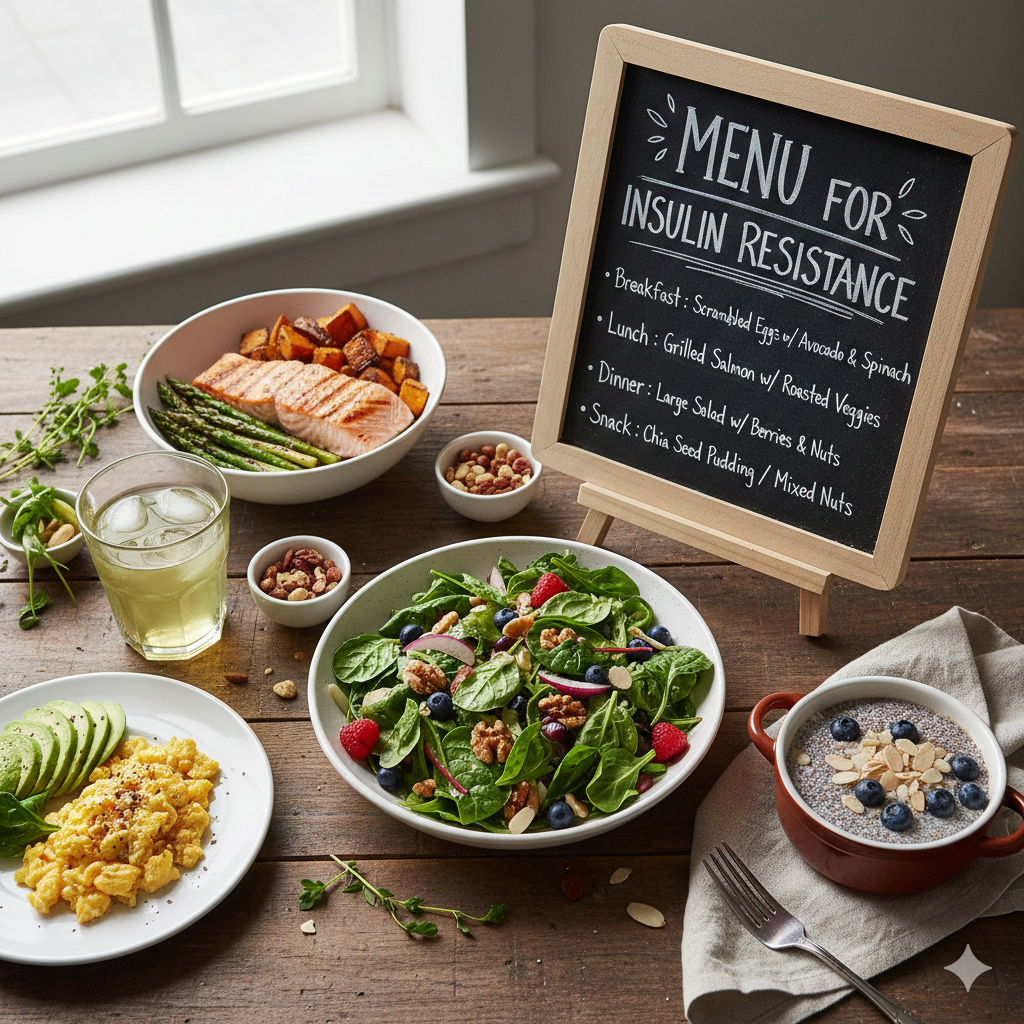
Unlock the power of food to resensitize your cells, stabilize your energy, and prevent Type 2 diabetes. This is your comprehensive roadmap to metabolic healing.
Insulin resistance is often called the “silent epidemic.” You might not feel it happening, but internally, your body is struggling to process carbohydrates efficiently. Instead of fueling your cells, sugar remains in your bloodstream, forcing your pancreas to work overtime. Over time, this leads to weight gain, fatigue, and is the direct precursor to Type 2 diabetes.
But here is the good news: Insulin resistance is highly responsive to dietary changes. Unlike many chronic conditions, you can often reverse the trajectory simply by changing what is on your plate. A well-designed menu for insulin resistance does not mean starvation; it means eating nutrient-dense, satisfying foods that keep your insulin levels low and steady.
Whether you have recently been diagnosed with prediabetes or are simply looking to improve your metabolic health, this guide will provide the strategy, the food lists, and the meal plans you need to succeed.
The Strategy: How to Eat for Insulin Sensitivity
To fix insulin resistance, we must stop flooding the body with glucose spikes. When you eat high-sugar or refined carbohydrate foods, your insulin spikes. If this happens constantly, your cells become “numb” to insulin’s signal.
Our nutritional strategy rests on three pillars:
1. The Glycemic Load Factor
We prioritize foods that digest slowly. This prevents the rapid sugar dump into the bloodstream. A low sugar diabetic weekly menu is often the best starting point, focusing on complex carbohydrates like legumes and whole grains rather than white bread or pasta.
2. Protein Anchoring
Never eat a carbohydrate “naked.” Always pair carbs with protein or healthy fat. Protein slows gastric emptying, blunting the glucose spike. Integrating a high protein diabetic menu ensures that every meal works to stabilize your blood sugar.
3. Fiber Volume
Fiber is your metabolic best friend. It acts as a physical barrier in the intestines, slowing absorption. We strongly recommend following principles from a high fiber diabetic meal plan, aiming for at least 30g of fiber daily.
The “Green Light” Food List
Navigating the grocery store requires a clear map. Use this table to build your shopping list.
| Category | Green Light (Eat Freely/Moderately) | Red Light (Avoid/Limit) |
|---|---|---|
| Proteins | Salmon, Chicken breast, Tofu, Eggs, Greek Yogurt, Lentils. | Processed deli meats, Sausages, Sweetened yogurts, Breaded fried meats. |
| Fats | Avocado, Olive oil, Walnuts, Chia seeds, Flaxseeds. | Trans fats, Margarine, Soybean oil (excess), Fried fast food. |
| Carbohydrates | Quinoa, Barley, Sweet potato, Berries, Steel-cut oats. | White bread, Instant rice, Fruit juices, Pastries, Soda. |
| Vegetables | Spinach, Kale, Broccoli, Cauliflower, Zucchini, Peppers. | Corn (in excess), Canned veggies with added sugar. |
If you are also managing cardiovascular issues, ensure your fat choices align with a heart-healthy diabetic menu, prioritizing monounsaturated fats over saturated ones.

The Insulin Resistance Diet Plan & Cookbook
Need more recipe inspiration? This guide offers a 4-week meal plan specifically designed to help you manage weight and stop prediabetes.
Check Price on Amazon7-Day Menu for Insulin Resistance
This meal plan is designed to provide balanced nutrition without the glucose spikes. It approximates a 1500 calorie diabetic menu, but portion sizes can be adjusted up or down based on your activity level.
Day 1: The Metabolic Reset
- Breakfast: Scrambled eggs with spinach and mushrooms (cooked in olive oil).
- Lunch: Grilled chicken salad with mixed greens, avocado, and vinegar dressing.
- Dinner: Baked salmon with asparagus and 1/2 cup of quinoa.
- Snack: A handful of almonds.
Need a quick start? Check out our 1-day simple diabetic menu for an easy entry point.
Day 2: Low Carb Focus
- Breakfast: Chia seed pudding made with unsweetened almond milk and raspberries.
- Lunch: Zucchini noodles (zoodles) with pesto and grilled shrimp.
- Dinner: Beef stir-fry with broccoli, snap peas, and ginger (no sugary sauces).
- Snack: Celery sticks with hummus.
For a deeper dive into restricting carbs, see our low carb weekly diabetic menu.
Day 3: High Fiber & Plant-Based
- Breakfast: Steel-cut oatmeal topped with flaxseeds and walnuts.
- Lunch: Lentil soup (homemade or low sodium) with a side salad.
- Dinner: Tofu scramble with turmeric, onions, and peppers served over cauliflower rice.
- Snack: An apple with peanut butter.
Day 4: The Working Adult Special
- Breakfast: Greek yogurt (plain) with low-sugar granola.
- Lunch: Turkey wrap using a high-fiber, low-carb tortilla with lettuce and tomato.
- Dinner: Sheet pan chicken thighs with roasted Brussels sprouts and sweet potatoes.
- Snack: Hard-boiled egg.
Busy schedule? Our diabetic menu for working adults is perfect for meal prep lovers.
Day 5: Budget-Friendly Friday
- Breakfast: Veggie omelet (use frozen spinach and peppers to save cost).
- Lunch: Canned tuna salad (light mayo) served in lettuce cups.
- Dinner: Bean chili (kidney and black beans) with a side of green beans.
- Snack: String cheese.
Eating healthy doesn’t have to be expensive. See our low income diabetic menu for money-saving tips.
Day 6: Nutrient Density
- Breakfast: Smoothie with protein powder, spinach, half a banana, and almond butter.
- Lunch: Leftover bean chili from Day 5.
- Dinner: Grilled white fish (Cod or Tilapia) with sautéed kale and garlic.
- Snack: Pumpkin seeds.
Day 7: Preparation for the Week
- Breakfast: Poached eggs on a bed of sautéed greens and one slice of sprouted grain toast.
- Lunch: Quinoa bowl with chickpeas, cucumber, cherry tomatoes, and feta cheese.
- Dinner: Roasted turkey breast with roasted carrots and parsnips.
- Snack: Berries with a dollop of whipped cream (unsweetened).
If you prefer a longer commitment, you might want to explore our 14-day diabetic meal plan or even the full 30-day diabetic menu.

Precision Digital Kitchen Scale
Portion control is key to managing insulin loads. Eliminate the guesswork with a highly accurate food scale.
Check Price on AmazonTailoring the Menu to Your Unique Needs
One size does not fit all. Here is how to adapt this menu for specific life stages and conditions:
For Seniors
Metabolism slows with age, and appetite may decrease. However, protein needs remain high to preserve muscle mass. Seniors should look at our diabetic menu for seniors or the calorie-specific 1200 calorie diabetic menu for seniors. If dental issues are a concern, soft nutrient-dense foods are vital—see the diabetic menu for elderly with no teeth.
For Pregnant Women
Gestational diabetes or insulin resistance during pregnancy requires careful management to ensure the baby gets enough nutrients while keeping blood sugar safe. Please consult our specialized diabetic menu for pregnant women.
Managing Comorbidities
Insulin resistance often comes with high blood pressure or cholesterol.
• For blood pressure concerns, use our diabetic menu for high blood pressure which focuses on low sodium.
• For lipid issues, the diabetic menu for high cholesterol prioritizes soluble fiber and heart-healthy fats.
• If kidney health is a concern, a renal diabetic meal plan is essential to manage potassium and phosphorus.
Caloric Adjustments
Depending on your size and activity level, you may need more or less energy.
• 1200 Calorie Menu (Weight loss focus)
• 1800 Calorie Menu (Moderate activity)
• 2000 Calorie Menu (Active individuals)
Frequently Asked Questions
Yes, but choose wisely. Stick to low-glycemic fruits like berries (strawberries, blueberries, raspberries), cherries, apples, and pears. Always eat them whole (never juiced) and try to pair them with a protein or fat source, like having an apple with peanut butter, to blunt the insulin response.
While every body is different, many people report higher energy levels and better blood sugar readings within 2 to 4 weeks. Significant reversal of insulin resistance and weight loss usually takes 3 to 6 months of consistent adherence to a weekly diabetic meal plan.
Intermittent fasting (IF) can be a powerful tool. By restricting your eating window (e.g., eating only between 12 PM and 8 PM), you give your pancreas a rest, allowing insulin levels to drop and sensitivity to reset. However, ensure you don’t overeat during your eating window.
Liquid sugar is the enemy. Sodas, sweetened teas, energy drinks, and even “healthy” fruit juices hit the bloodstream almost instantly, causing massive insulin spikes. Refined grains like white bread and pastries are close seconds.
Final Thoughts: Your Health is on the Menu
Reversing insulin resistance is not about a temporary diet; it is about adopting a lifestyle that honors your body’s biology. By following this menu for insulin resistance, you are taking a proactive stand against diabetes and reclaiming your energy.
Remember, consistency beats perfection. Start with a 3-day diabetic meal plan if a full week feels overwhelming. Every healthy meal is a signal to your body to heal.
Ready to take the next step?
Equip your kitchen with the best tools to make healthy cooking effortless.
Shop Essential Meal Prep Tools