Mastering Blood Sugar: The Ultimate Guide to Keto Diabetic Recipes & Meal Planning
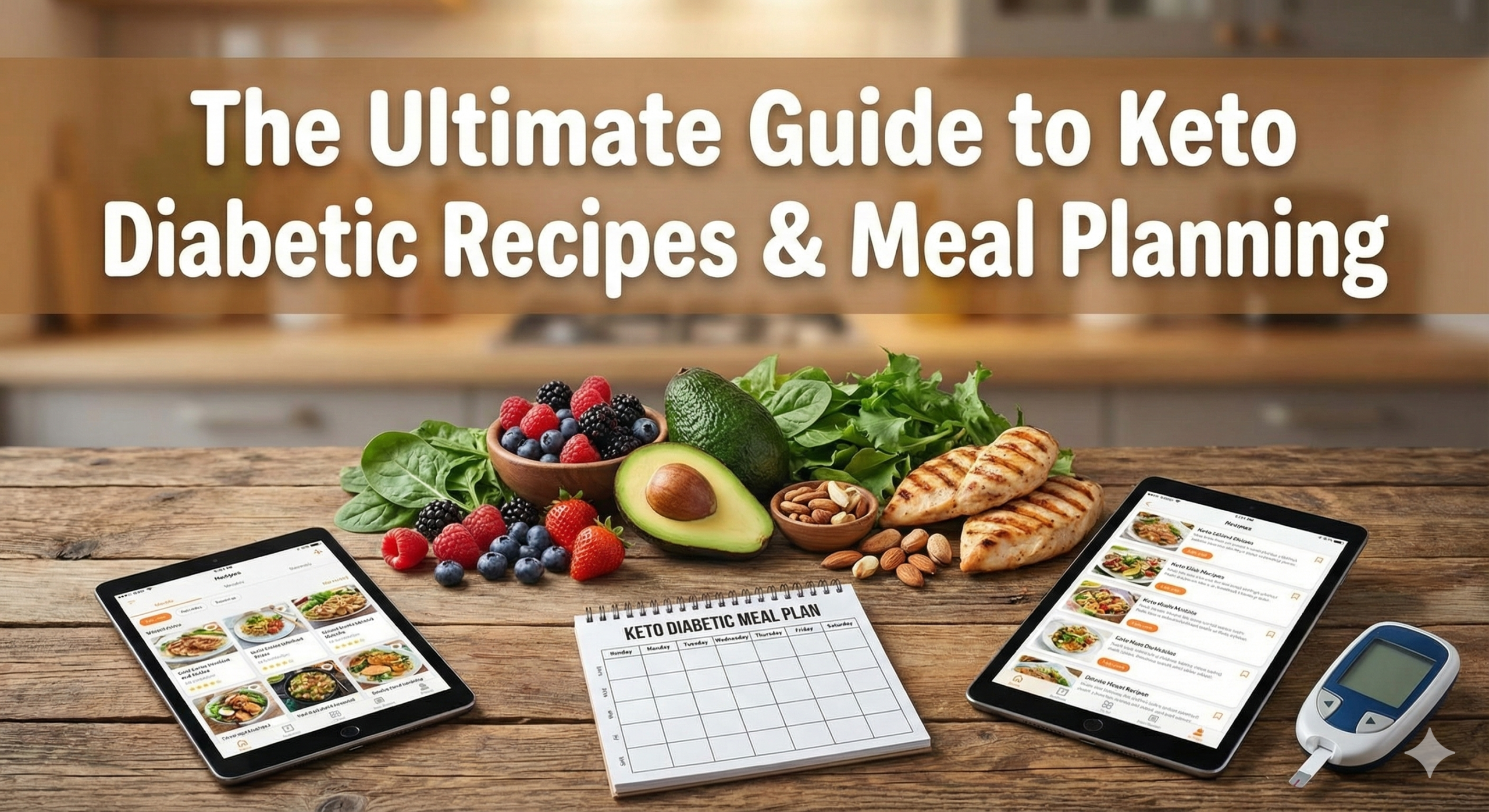
Managing diabetes is a lifelong journey that revolves heavily around one central pillar: diet. For decades, the standard advice was simply to “watch your sugar,” but modern nutritional science has illuminated a more effective path for many: the Ketogenic diet. Finding delicious, reliable keto diabetic recipes is not just about cutting carbs—it is about reclaiming control over your metabolic health, stabilizing insulin levels, and discovering that a diabetic-friendly menu can be gastronomically satisfying. The synergy between keto and diabetes management lies in the diet’s fundamental principle: dramatically reduce carbohydrate intake to minimize blood glucose fluctuations.
The intersection of diabetes management and the keto lifestyle offers a unique synergy. By drastically reducing carbohydrate intake (typically to under 50 grams of net carbs per day) and replacing it with healthy fats and moderate proteins, the body shifts from burning glucose to burning ketones. For a diabetic, this means fewer blood sugar spikes, reduced insulin demand, and potentially reduced reliance on medication. However, navigating this transition requires more than just willpower; it requires a strategic plan, a kitchen stocked with the right ingredients, and a deep understanding of how your body responds to different foods.
In this extensive guide, we will explore the science behind why keto works for diabetes, provide a comprehensive pantry checklist, and offer a massive collection of recipes ranging from breakfast to dinner. Whether you are looking for a 7-day diabetic menu to get started, or specialized advice for diabetic seniors, this guide covers it all. We also integrate essential links to other helpful resources like heart-healthy diabetic diets and low-sugar weekly menus to ensure you have a holistic support system.
Why Keto? The Science of Blood Sugar Control
Before diving into the recipes, it is crucial to understand the mechanism. Diabetes, particularly Type 2, is characterized by insulin resistance. When you consume carbohydrates, they break down into glucose, signaling the pancreas to release insulin. On a standard diet high in carbs, a diabetic’s body struggles to process this glucose, leading to hyperglycemia and long-term complications.
The ketogenic diet flips this script. By limiting net carbohydrates to roughly 20-50 grams per day, you effectively remove the trigger for massive insulin spikes. This state, known as nutritional ketosis, allows the body to utilize fat for fuel—both dietary fat and stored body fat. Many studies suggest that a low-carb approach can significantly lower HbA1c levels, often more effectively than low-fat diets. Additionally, ketones themselves have neuroprotective properties and may reduce inflammation, a key factor in diabetic complications.
Key Benefits for Diabetics (Expanded)
- Stabilized Glucose Levels: Without carb-heavy meals, the “rollercoaster” of blood sugar highs and lows flattens out, reducing both hyperglycemia and hypoglycemia risks.
- Weight Management: Keto is highly effective for visceral fat loss, which is directly linked to improved insulin sensitivity. Many experience rapid initial water weight loss, followed by steady fat loss.
- Reduced Medication Needs: Many patients find they need less insulin or oral medication (always consult your doctor before changing dosages). This can lead to significant cost savings and fewer side effects.
- Improved Heart Health: Contrary to old beliefs, healthy fats can improve HDL cholesterol and lower triglycerides. The reduction in refined carbs also lowers small dense LDL particles.
- Reduced Cravings: Ketosis naturally suppresses appetite, making it easier to adhere to a calorie deficit without feeling deprived.
If you are struggling with metabolic syndrome, incorporating an insulin resistance diet plan based on keto principles can be a game-changer. For those new to keto, starting with a structured 1-day simple diabetic menu that is keto-friendly can ease the transition.
Building Your Keto Diabetic Pantry
Success starts at the grocery store. To whip up the keto diabetic recipes listed below, you need to swap out high-glycemic staples for low-carb alternatives. Here is what your shopping list should look like, with brand recommendations and storage tips.
Proteins (The Foundation)
Focus on high-quality, unprocessed meats. Grass-fed beef, pasture-raised chicken, eggs, and fatty fish like salmon and mackerel are excellent. For vegetarians, tofu, tempeh, and seitan are viable options. Don’t forget canned tuna and sardines (in olive oil) for quick meals.
Healthy Fats (Your Energy Source)
Don’t fear the fat—it is your fuel source now.
- Avocado oil and Olive oil: For cooking and dressings. Extra virgin olive oil is great cold.
- Butter and Ghee: Ideal for sautéing and adding richness. Ghee is lactose-free.
- Coconut oil and MCT oil: MCT oil is rapidly converted to ketones, boosting energy.
- Avocados: Eat them whole, in guacamole, or sliced.
- Heavy cream and full-fat cheese: Use in moderation if lactose intolerant; opt for aged cheeses like cheddar or Parmesan.
Low-Glycemic Vegetables (Fiber & Micronutrients)
Vegetables provide essential fiber and micronutrients. Stick to non-starchy options:
- Leafy greens (Spinach, Kale, Arugula, Swiss chard)
- Cruciferous veggies (Broccoli, Cauliflower, Cabbage, Brussels sprouts)
- Zucchini, cucumber, asparagus, green beans, bell peppers
Keto Baking Essentials (For Treats)
You don’t have to give up bread and sweets entirely. Stock up on:
- Almond Flour and Coconut Flour: Fine ground almond flour works best.
- Erythritol, Stevia, or Monk Fruit sweeteners: Powdered versions are great for frostings.
- Xanthan Gum: Acts as a binder in keto baking.
- Psyllium Husk: Adds fiber and structure to breads.

Premium Blanched Almond Flour (3lb Bag)
Essential for making keto-friendly breads and diabetic desserts without spiking blood sugar. Super fine texture, perfect for cakes and cookies.
Check Price on AmazonKeto Diabetic Breakfast Recipes to Start Your Day
Breakfast sets the tone for your blood sugar management for the rest of the day. The “Dawn Phenomenon” causes morning blood sugar to rise in many diabetics, so a low-carb breakfast is essential to counteract this. Aim for at least 20g protein to keep you full until lunch.
For more inspiration, check out our extensive list of breakfast ideas for diabetes or explore a specific diabetic breakfast menu tailored to keto macros.
1. Creamy Spinach and Feta Keto Omelet
Prep time: 5 mins | Cook time: 10 mins | Net Carbs: 3g
Eggs are the gold standard for keto breakfasts. They are nutrient-dense and have zero impact on blood glucose. Adding spinach boosts iron and fiber.
Ingredients:
- 3 large eggs (preferably pasture-raised)
- 1 tbsp butter or ghee
- 1/2 cup fresh spinach, roughly chopped
- 1 oz feta cheese, crumbled
- 1 tbsp heavy cream (optional, for fluffiness)
- Salt, pepper, and a pinch of oregano
Instructions:
- Whisk eggs with heavy cream, salt, and pepper until frothy.
- Melt butter in a non-stick skillet over medium heat. Add spinach and sauté until wilted (about 1 minute).
- Pour in the eggs. Let them set slightly, then lift edges with a spatula to let uncooked egg flow underneath.
- When almost set, sprinkle feta over one half. Fold the omelet and cook for another minute. Serve hot.
2. “No-Oat” Keto Oatmeal (Hemp Heart Porridge)
Prep time: 2 mins | Cook time: 5 mins | Net Carbs: 4g
Missing oatmeal? Regular oats are too high in carbs for strict keto, but hemp hearts provide a similar texture with a massive dose of Omega-3s and magnesium.
Ingredients:
- 3 tbsp hemp hearts
- 1 tbsp chia seeds
- 1 tbsp flaxseed meal
- 1/2 cup unsweetened almond milk
- 1 tsp cinnamon
- Stevia or monk fruit to taste
- Optional toppings: a few raspberries, chopped pecans
Instructions:
- Combine all dry ingredients in a small saucepan.
- Add almond milk and stir over medium-low heat.
- Simmer until the mixture thickens (about 3-4 minutes), stirring constantly.
- Transfer to a bowl and top with berries and nuts.
3. Keto Breakfast Sausage & Egg Muffins
Prep time: 10 mins | Cook time: 20 mins | Net Carbs: 2g per muffin
Perfect for meal prep—make a batch on Sunday and grab two for a quick breakfast all week.
Ingredients:
- 1 lb ground pork or turkey breakfast sausage (no sugar added)
- 8 large eggs
- 1/4 cup chopped bell peppers
- 1/4 cup chopped onion
- 1/2 cup shredded cheddar cheese
- Salt, pepper, garlic powder
Instructions:
- Preheat oven to 375°F (190°C). Grease a 12-cup muffin tin.
- Press about 1.5 tablespoons of sausage into the bottom and up the sides of each muffin cup, forming a “crust”.
- Bake for 10 minutes to partially cook the sausage. Drain excess fat.
- Whisk eggs with veggies, cheese, and spices. Pour mixture into each cup over the sausage.
- Bake for another 12-15 minutes until eggs are set. Cool and store in fridge.
If you prefer liquid breakfasts, you can easily adapt a diabetic smoothie menu by using avocado, coconut milk, or a scoop of keto protein powder as a base instead of bananas.
Lunch: Quick, Portable, and Low-Carb
Lunch needs to be efficient, especially for working adults. The goal is to avoid the post-lunch energy slump often caused by carb-heavy sandwiches or pasta. These recipes are designed to be made ahead and packed.
Explore more lunch configurations in our dedicated diabetic lunch menu guide.
1. Turkey and Swiss Lettuce Wraps
Prep time: 10 mins | No Cook | Net Carbs: 2g
Crunchy, fresh, and satisfying. Use large romaine or butter lettuce leaves for best results.
Ingredients:
- 4 large Romaine or Butter lettuce leaves
- 4 oz deli turkey breast (check for no added sugar or nitrates)
- 2 slices Swiss cheese, halved
- 2 tbsp mayonnaise or avocado oil mayo
- 4 slices cucumber
- 4 slices tomato (optional, adds minimal carbs)
- Pickle spear, sliced (optional)
Instructions:
- Lay out the lettuce leaves flat on a cutting board.
- Spread mayonnaise lightly on each leaf.
- Layer cheese, turkey, cucumber, and tomato (if using).
- Roll tightly like a burrito, tucking in the sides as you go. Use a toothpick to secure if needed. Serve with extra pickles.
2. Spicy Cauliflower Salad (Potato Salad Substitute)
Prep time: 15 mins | Cook time: 10 mins | Net Carbs: 5g per serving
This creamy, tangy salad mimics traditional potato salad but with a fraction of the carbs. It gets better as it sits.
Ingredients:
- 1 head cauliflower, chopped into bite-sized florets
- 1/2 cup mayonnaise (full-fat)
- 1 tbsp Dijon mustard
- 2 hard-boiled eggs, chopped
- 2 stalks celery, diced
- 2 tbsp diced red onion
- 1 tbsp apple cider vinegar
- Paprika, salt, pepper, and a dash of cayenne
Instructions:
- Steam cauliflower until tender but not mushy (about 8 mins). Drain and rinse with cold water to stop cooking.
- In a large bowl, mix mayo, mustard, vinegar, salt, pepper, and cayenne.
- Toss the cooled cauliflower, eggs, celery, and onion in the dressing until well coated.
- Refrigerate for at least an hour before serving. Sprinkle with paprika before serving.
3. Chicken Avocado Salad
Prep time: 10 mins | Net Carbs: 4g
Use leftover rotisserie chicken for a quick, protein-packed lunch.
Ingredients:
- 2 cups cooked chicken, shredded or diced
- 1 avocado, diced
- 1/4 cup mayonnaise
- 1 tbsp lime juice
- 2 tbsp chopped cilantro
- 1/4 cup diced red bell pepper
- Salt and pepper to taste
Instructions:
- Combine all ingredients in a bowl. Gently mix to avoid mashing avocado too much.
- Serve on lettuce leaves or with cucumber slices for dipping.

Glass Meal Prep Containers (3 Compartment)
Keep your keto lunches fresh and portion-controlled. Ideal for avoiding plastic chemicals and ensuring easy reheating.
Check Price on AmazonDinner: Hearty Meals the Whole Family Will Love
Dinner is where you can truly experiment with flavors. These recipes are satisfying enough that non-diabetic family members won’t even realize they are eating “diet food.” For a broader scope of evening meals, review our diabetic dinner menu ideas.
1. Zucchini Lasagna with Meat Sauce
Prep time: 20 mins | Cook time: 40 mins | Net Carbs: 8g per serving
Traditional pasta is a no-go, but thinly sliced zucchini mimics lasagna noodles perfectly. This dish freezes well.
Ingredients:
- 3 large zucchinis, sliced lengthwise into 1/4-inch strips
- 1 lb ground beef or turkey
- 1.5 cups marinara sauce (no sugar added, check labels)
- 1 cup ricotta cheese (full-fat)
- 1.5 cups mozzarella cheese, shredded
- 1/2 cup grated Parmesan
- Italian seasoning, garlic powder, salt, pepper
Instructions:
- Preheat oven to 375°F (190°C).
- Salt the zucchini slices and let them sit on paper towels for 15 mins to draw out water. Pat dry thoroughly.
- Brown the meat in a skillet; add marinara and spices. Simmer for 5 minutes.
- In a baking dish, spread a thin layer of meat sauce. Layer zucchini slices, then ricotta (dollops), then meat sauce, then mozzarella. Repeat layers, finishing with mozzarella and Parmesan.
- Bake for 30-40 minutes until cheese is bubbly and golden. Let rest 10 minutes before slicing.
2. Garlic Butter Salmon with Asparagus
Prep time: 5 mins | Cook time: 15 mins | Net Carbs: 3g
This meal is rich in Omega-3 fatty acids, making it a staple for a heart-healthy diabetic diet. It cooks on one pan for easy cleanup.
Ingredients:
- 2 Salmon fillets (6 oz each)
- 1 bunch asparagus, woody ends trimmed
- 3 tbsp butter, melted
- 3 cloves garlic, minced
- 1 tbsp lemon juice
- Lemon slices for garnish
- Fresh parsley, chopped
Instructions:
- Preheat oven to 400°F (200°C). Line a baking sheet with parchment paper.
- Place salmon and asparagus on the sheet. Drizzle with melted butter mixed with garlic and lemon juice.
- Season with salt and pepper. Bake for 12-15 minutes until salmon flakes easily.
- Garnish with parsley and serve with lemon slices.
3. Keto Chicken Parmesan (with Almond Flour Breading)
Prep time: 15 mins | Cook time: 20 mins | Net Carbs: 6g
Crispy chicken covered in marinara and cheese—a classic made keto.
Ingredients:
- 2 boneless, skinless chicken breasts, pounded thin
- 1/2 cup almond flour
- 1/4 cup grated Parmesan (for breading)
- 1 tsp garlic powder, 1 tsp Italian seasoning
- 1 egg, beaten
- 1/2 cup no-sugar marinara
- 1/2 cup shredded mozzarella
- Olive oil for frying
Instructions:
- Mix almond flour, Parmesan, and spices on a plate. Dip chicken in egg, then coat in almond mixture.
- Heat olive oil in an oven-safe skillet over medium-high. Fry chicken 3-4 minutes per side until golden.
- Top each breast with marinara and mozzarella. Transfer skillet to oven (or use a baking dish) and broil until cheese melts (2-3 minutes). Serve with zucchini noodles.
Keto Snacks and Diabetic-Friendly Desserts
Snacking can be a slippery slope. While keto suppresses appetite, sometimes you need a bridge between meals. Avoid processed “low carb” bars which often contain hidden maltodextrin and sugar alcohols that can spike glucose in some people. Instead, opt for whole foods or homemade treats.
Need more ideas? Check our diabetic snack ideas guide for additional options.
Quick Snack Ideas (Zero Prep):
- Hard-boiled eggs: Keep a batch in the fridge. Sprinkle with Everything Bagel seasoning.
- Macadamia nuts or pecans: High fat, very low carb. Portion out 1 oz servings.
- Cheese crisps: Bake mounds of shredded cheddar or parmesan at 400°F for 5-7 minutes until crispy.
- Avocado: Half an avocado with a sprinkle of sea salt and chili powder.
- Celery sticks with cream cheese or almond butter.
Chocolate Peanut Butter Fat Bombs
Prep time: 10 mins | Freeze time: 30 mins | Net Carbs: 2g per bomb
These are perfect for a quick energy boost and to satisfy sweet cravings without spiking insulin.
Ingredients:
- 1/2 cup coconut oil (or 1/4 cup coconut oil + 1/4 cup unsalted butter)
- 1/2 cup natural peanut butter (unsweetened, no sugar added)
- 2 tbsp unsweetened cocoa powder
- 2 tbsp powdered erythritol or monk fruit sweetener
- 1/2 tsp vanilla extract
Instructions:
- Melt coconut oil and peanut butter together in a microwave-safe bowl or over low heat.
- Stir in cocoa powder, sweetener, and vanilla until smooth.
- Pour into silicone molds or an ice cube tray (each cavity about 1 tbsp).
- Freeze until solid (about 30 minutes). Store in an airtight container in the freezer or fridge.
Managing a sweet tooth is easier when you have a structured low sugar diabetic weekly menu prepared in advance.
Structuring Your Diabetic Keto Meal Plan
Having recipes is one thing; organizing them into a sustainable lifestyle is another. Meal planning prevents decision fatigue, ensures you hit your nutritional targets, and saves money. Below we outline how to tailor plans to your calorie needs and schedule.
Caloric Considerations
While keto focuses on hormones, calories still matter, especially for weight loss. You should tailor your portion sizes based on your metabolic rate, age, and activity level.
- Weight Loss Focus (sedentary, smaller frame): You might start with a 1200 calorie diabetic menu or a 1500 calorie diabetic menu depending on your hunger levels.
- Maintenance/Active (moderate exercise, larger frame): An 1800 calorie diabetic menu or 2000 calorie diabetic menu provides more fuel while keeping carbs low. Athletes may need even more.
Duration Planning
Start small. Try a 1-day simple diabetic menu to see how you feel. Once confident, graduate to a 3-day diabetic meal plan or a full weekly diabetic meal plan. For those committed to long-term change, a 14-day diabetic meal plan or even a 30-day diabetic menu allows you to batch cook, save money, and establish lasting habits.
Many find it helpful to follow a low carb weekly diabetic menu that is essentially keto but may allow slightly more carbs (50-80g) for those who are active.

Dual Glucose & Ketone Monitor Kit
Track exactly how different foods affect your glucose and ketone levels. Essential for data-driven management and ensuring you’re in nutritional ketosis.
Check Price on AmazonKeto Modifications for Special Diabetic Groups
One size does not fit all. Here is how to adapt keto diabetic recipes for specific needs and health conditions:
Seniors and Elderly
Older adults may have dental issues, decreased appetite, or slower digestion.
- Focus on softer textures (soups, stews, scrambled eggs, smoothies).
- Prioritize nutrient density—add collagen powder to coffee or soups for protein.
- See our diabetic menu for elderly with no teeth or the general 1200 calorie menu for seniors.
Pregnant Women (Gestational Diabetes)
Strict keto is generally not recommended during pregnancy due to fetal development needs and lack of safety studies. However, a moderate low-carb approach focusing on whole foods and avoiding sugars is beneficial. Consult the diabetic menu for pregnant women for safer alternatives and always work with your obstetrician.
High Blood Pressure & Cholesterol
If you are managing hypertension alongside diabetes, watch your sodium intake and choose fats wisely. While standard keto encourages salt for electrolyte balance, those with blood pressure issues should be cautious and monitor.
- Use herbs, spices, and citrus instead of salt for flavor.
- Choose leaner cuts of meat and emphasize monounsaturated fats (avocado, olive oil, nuts) over excessive saturated fats (bacon, butter).
- Resources: Diabetic menu for high blood pressure and menu for high cholesterol.
Kidney Disease (Diabetic Nephropathy)
For those with impaired kidney function, high protein intake can be problematic. A keto diet for kidney issues must be carefully managed, often with lower protein and controlled phosphorus/potassium. See our renal diabetic meal plan for guidance, and work with a nephrologist.
Budget Constraints
Keto can seem expensive (think almond flour, grass-fed meat), but there are ways to save. Eggs, ground beef, frozen veggies, and canned fish are affordable. Plan your shopping using our low-income diabetic menu strategies.
Pros and Cons of Keto for Diabetics
It is important to weigh the benefits against the challenges to make an informed decision. Here’s a detailed comparison.
| Pros | Cons |
|---|---|
| Rapid improvement in blood sugar control; often normalizes fasting glucose within days. | Initial “Keto Flu” (fatigue, headache, irritability) lasting a few days to a week as the body adapts. |
| Significant weight loss, especially visceral fat, leading to improved insulin sensitivity. | Restrictive nature (no bread, pasta, sugary fruits) can be socially challenging and requires discipline. |
| Reduced hunger and cravings due to appetite-suppressing effects of ketones. | Requires careful electrolyte management (sodium, potassium, magnesium) to avoid cramps and fatigue. |
| Lower triglycerides and improved HDL cholesterol in most people. | Risk of hypoglycemia if diabetes medication (especially insulin or sulfonylureas) isn’t adjusted promptly. |
| Potential for diabetes remission or reduced medication dependency. | May cause constipation if fiber intake is too low; need to prioritize low-carb veggies. |
Warning: If you are taking insulin or sulfonylureas, starting a keto diet can cause your blood sugar to drop too low (hypoglycemia). You MUST work with your doctor to adjust dosages and monitor closely.
Frequently Asked Questions
Can keto reverse Type 2 diabetes?
While “reverse” is a strong term, many people on keto achieve “remission,” meaning they maintain normal blood sugar levels without medication. However, if they return to a high-carb diet, the diabetes symptoms usually return. Long-term adherence is key.
Is a high-protein diet better than keto for diabetics?
Both are effective. A high protein diabetic menu emphasizes satiety and muscle retention, while keto focuses on fat adaptation. Keto is generally better for rapid blood sugar reduction and for those with severe insulin resistance, while high protein is great for athletes or those who want more food flexibility.
Is keto safe for kidneys?
For people with healthy kidneys, keto is safe. However, if you have existing kidney disease, high protein intake (often associated with keto) can be straining. In this case, a renal diabetic meal plan with moderate protein is more appropriate. Always consult a nephrologist.
What if I have high cholesterol?
Keto usually improves HDL (good cholesterol) and triglycerides. However, some people see a rise in LDL (“bad” cholesterol). If this concerns you, focus on unsaturated fats (avocado, nuts, olive oil) rather than saturated fats (bacon, butter). Regular blood work is essential. See our diabetic menu for high cholesterol for guidance.
Can I eat dairy on keto?
Yes, full-fat dairy like cheese, heavy cream, and Greek yogurt (unsweetened) are keto staples. However, some people find dairy stalls weight loss or causes inflammation; if that’s you, try dairy-free alternatives like coconut cream and nut-based cheeses.
How do I avoid keto flu?
Stay hydrated, and supplement with electrolytes: sodium (broth), potassium (avocado, spinach), and magnesium (supplement or nuts). Gradually reduce carbs over a week instead of going cold turkey to ease the transition.
Final Thoughts: Taking Charge of Your Health
Adopting a ketogenic lifestyle as a diabetic is one of the most powerful steps you can take toward physical freedom. By utilizing these keto diabetic recipes, you aren’t just eating “diet food”—you are nourishing your body with what it needs to heal, stabilize blood sugar, and reduce inflammation. The journey requires learning, but the payoff—improved energy, clearer thinking, and better lab results—is immense.
Remember, consistency is key. Whether you are following a low carb weekly diabetic menu or mixing and matching from our daily & weekly meal plans, the goal is progress, not perfection. Listen to your body, monitor your numbers, and don’t hesitate to seek support from healthcare providers and online communities.
Start with one meal at a time. Swap your cereal for the spinach omelet. Trade your sandwich for a lettuce wrap. Experiment with fat bombs and zucchini lasagna. Over time, these choices become habits, and habits shape your health destiny.
Ready to simplify your cooking?
Get the best kitchen tools to make your keto journey effortless—spiralizers, food scales, and more.
Check Top Rated Keto Gadgets on Amazon
Pingback: 5 Best Sugar-Free Condiments: Flavor Without the Spike (2026 Review) – Best Diabetic Menu