The Definitive Insulin Resistance Diet Plan: A Roadmap to Metabolic Recovery
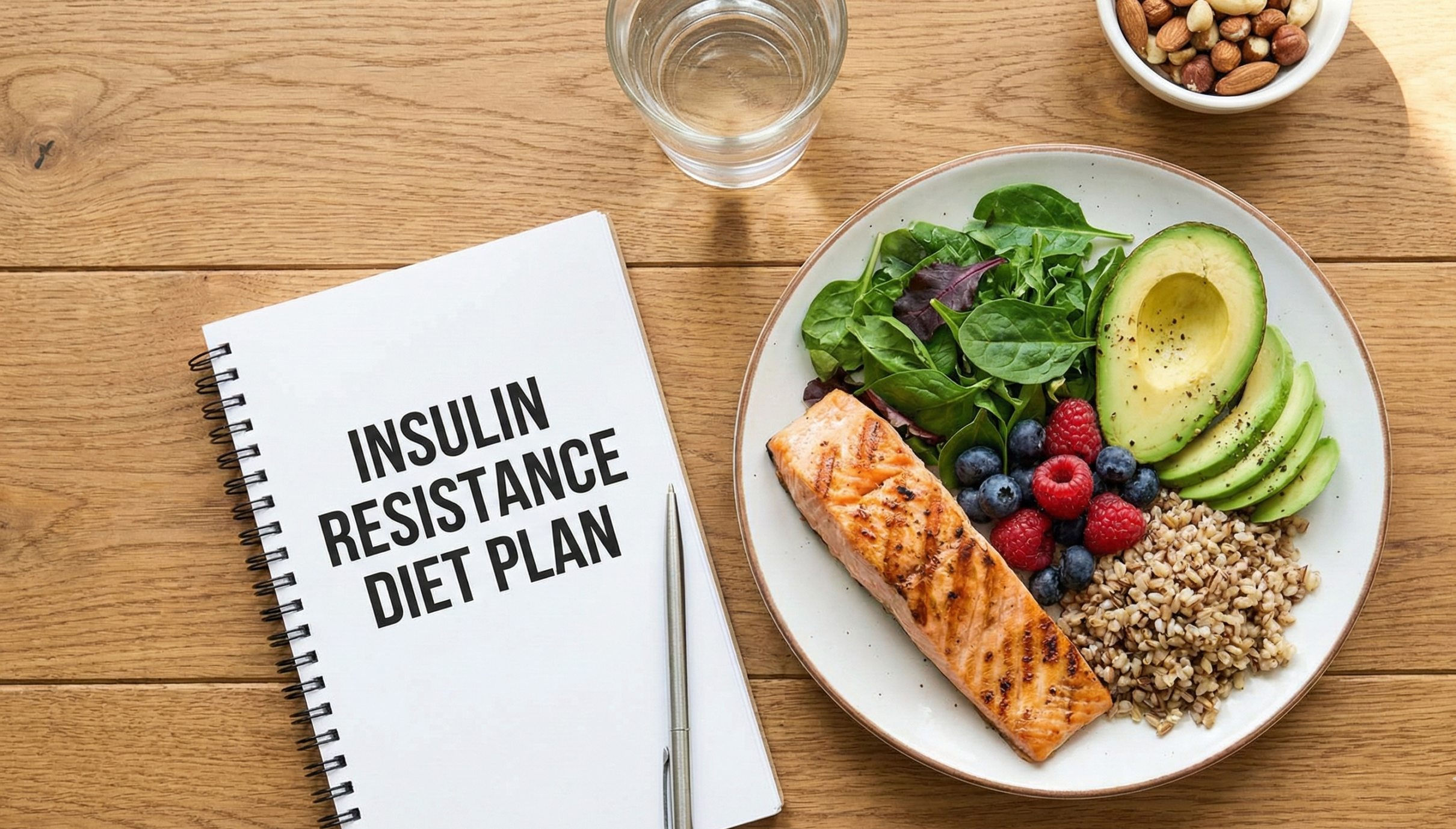
Insulin resistance is the silent precursor to Type 2 diabetes, affecting millions of people who often don’t realize it until health complications arise. It is the metabolic state where your body’s cells stop responding effectively to insulin, the hormone responsible for regulating blood sugar. Left unaddressed, it can lead to prediabetes, full-blown diabetes, and a host of cardiovascular issues. But there is hope—and it starts in your kitchen.
The good news? Unlike many chronic conditions, insulin resistance is largely reversible through lifestyle changes. The most powerful tool in your arsenal is not a pill—it’s your fork. By adopting an insulin resistance diet plan, you can lower your fasting insulin levels, reduce inflammation, and regain energy. This guide will walk you through every step, from understanding the science to building a personalized meal plan that fits your life.
In this comprehensive guide, we will break down exactly how to structure an insulin resistance diet plan, what foods to prioritize, and how to create a sustainable lifestyle that restores your energy and health. We will also link to specialized resources like menus for prediabetes and deeper dives into insulin resistance to ensure you have all the tools you need.
The Science: Why Your Diet Needs to Change
To fix the problem, you must understand the mechanics. When you eat carbohydrates, your body breaks them down into glucose (sugar). Your pancreas releases insulin to act as a “key,” unlocking your cells to let glucose in for energy. In a healthy individual, this process is seamless. But in insulin resistance, the “locks” on your cells become rusty—cells no longer respond to insulin’s signal.
The pancreas works overtime, pumping out more and more insulin to force the glucose in. This leads to hyperinsulinemia (high insulin levels in the blood), which promotes fat storage and inflammation. Eventually, the pancreas burns out, leading to high blood sugar and prediabetes. If you are already at this stage, reviewing a dedicated menu for prediabetes is a crucial first step to halt progression.
The Goal of the Diet
An effective diet for this condition aims to achieve three things:
- Reduce Insulin Spikes: Eating foods that digest slowly, preventing sharp rises in blood glucose and subsequent insulin surges.
- Improve Cellular Sensitivity: Reducing inflammation through nutrient-dense foods like antioxidants, omega-3s, and fiber.
- Promote Weight Loss: Shedding visceral fat (the dangerous fat around organs) directly improves hormonal function and insulin signaling.
If you have recently been diagnosed, you might want to look at our specialized menu for insulin resistance to get a quick start. Additionally, combining diet with physical activity—especially resistance training—can dramatically improve insulin sensitivity.
The Role of Visceral Fat
Not all body fat is created equal. Subcutaneous fat (the fat under your skin that you can pinch) is relatively metabolically inert. Visceral fat—the deep abdominal fat that surrounds your organs—is a metabolically active tissue that releases pro-inflammatory compounds called cytokines. These cytokines directly interfere with insulin signaling at the cellular level, creating a vicious cycle: insulin resistance promotes visceral fat storage, and visceral fat worsens insulin resistance. The single most effective intervention to break this cycle is a combination of dietary change and aerobic exercise.
Recognizing the Symptoms and Getting Tested
One of the most dangerous aspects of insulin resistance is that it is often completely asymptomatic in its early stages. Many people live with it for years, unknowingly accumulating metabolic damage, before a blood test reveals the truth. However, there are telltale signs your body may be sending.
Common Symptoms of Insulin Resistance
💥 Fatigue After Meals
Feeling a strong “crash” or sleepiness 1-2 hours after eating, especially after carbohydrate-rich meals, is a hallmark sign that glucose is not being efficiently shuttled into cells for energy.
💥 Persistent Hunger
Despite eating regularly, you feel hungry soon after meals. This occurs because cells are “starving” for glucose even when blood levels are high—because the signaling pathway is broken.
💥 Belly Fat Accumulation
Insulin promotes fat storage, particularly in the abdominal area. A waist circumference above 35 inches (women) or 40 inches (men) is a clinical risk marker.
💥 Brain Fog and Poor Concentration
The brain relies heavily on a steady glucose supply. Blood sugar dysregulation impairs cognitive function, memory, and mood—leading to what many describe as feeling “mentally cloudy.”
💥 Acanthosis Nigricans
Dark, velvety patches of skin in skin folds such as the neck, armpits, or groin are a visible sign of hyperinsulinemia. This is a direct response to excess insulin in the bloodstream.
💥 Strong Sugar Cravings
When cells cannot absorb glucose properly, the brain sends urgent signals for more sugar to compensate—creating a reinforcing cycle of cravings and overconsumption.
Key Blood Tests to Request
If you suspect insulin resistance, discuss these tests with your doctor. Standard fasting blood glucose alone is often insufficient to catch early-stage insulin resistance:
| Test | What It Measures | Optimal Range |
|---|---|---|
| Fasting Insulin | Insulin level after 8+ hours of fasting | Under 5 µIU/mL (lower is better) |
| Fasting Glucose | Blood sugar level after fasting | 70–99 mg/dL |
| HbA1c | Average blood sugar over 3 months | Under 5.7% (5.7–6.4% is prediabetic) |
| HOMA-IR | Calculated insulin resistance index (fasting glucose × fasting insulin ÷ 405) | Under 1.9 (above 2.9 indicates significant resistance) |
| Triglycerides | Blood fat elevated by excess insulin/carbs | Under 100 mg/dL (optimal) |
| HDL Cholesterol | Protective cholesterol often low in IR | Above 60 mg/dL |
The 4 Pillars of an Insulin-Balancing Diet
There is no “one size fits all,” but there are non-negotiable rules. Whether you are following a 1500 calorie diabetic menu or a more liberal plan, these pillars apply. They form the foundation of any successful insulin resistance diet.
1. The Glycemic Index (GI) is King
You must swap high-GI foods (white bread, sugar, soda, white rice) for low-GI foods (whole grains, legumes, non-starchy vegetables). Low-GI foods release sugar slowly, preventing the “spike and crash” cycle that exhausts your pancreas. For example, choose steel-cut oats over instant oatmeal, and sweet potatoes over white potatoes.
2. Fiber is Your Best Friend
Fiber acts as a brake for digestion. It slows down the absorption of sugar into the bloodstream, reducing the insulin response. Soluble fiber (found in oats, beans, apples) is particularly effective. A high fiber diabetic meal plan isn’t just about digestion; it’s about metabolic control. Aim for at least 30-40g of fiber daily from vegetables, legumes, and whole grains. Start gradually to avoid bloating.
3. Protein Prioritization
Protein does not spike blood sugar the way carbs do. It also increases satiety (fullness) and has a high thermic effect (your body burns calories digesting it). Incorporating a high protein diabetic menu approach ensures you maintain muscle mass, which is metabolically active tissue that helps burn glucose. Great sources: eggs, poultry, fish, tofu, lentils, and Greek yogurt (unsweetened).
4. Healthy Fats
Fat has a negligible effect on insulin. Including healthy fats (avocado, nuts, olive oil, fatty fish) helps stabilize blood sugar and increases absorption of fat-soluble vitamins. For those concerned about cardiovascular health alongside insulin issues, a heart-healthy diabetic diet perfectly blends these fat sources while minimizing saturated and trans fats.
Glycemic Index vs. Glycemic Load: The Critical Difference
Most people have heard of the Glycemic Index (GI), but fewer understand the equally important concept of Glycemic Load (GL). Relying solely on GI can lead to surprising and counterproductive food choices.
What is Glycemic Index?
The Glycemic Index ranks foods on a scale of 0 to 100 based on how quickly they raise blood glucose compared to pure glucose (which scores 100). A GI under 55 is considered low, 56–69 is medium, and 70+ is high. This is a useful starting point, but it has a critical flaw: it doesn’t account for serving size.
What is Glycemic Load?
Glycemic Load corrects for this by incorporating the actual amount of carbohydrate in a typical serving. The formula is: GL = (GI × grams of carbohydrate per serving) ÷ 100. A GL under 10 is low, 11–19 is medium, and 20+ is high.
Classic Example — Watermelon: Watermelon has a high GI of around 72. But a typical serving (120g) contains only about 6g of digestible carbohydrate, giving it a GL of just 4. This makes it a relatively blood-sugar-friendly food in moderate servings, despite its scary GI number. Always consider GL when making food decisions.
| Food | GI Score | Serving Size | GL Score | Impact on Blood Sugar |
|---|---|---|---|---|
| White bread (1 slice) | 75 | 30g | 11 | High |
| Steel-cut oats (cooked) | 55 | 250g | 11 | Moderate |
| Lentils (cooked) | 32 | 150g | 5 | Low |
| Watermelon | 72 | 120g | 4 | Low (in this portion) |
| Brown rice | 68 | 150g | 16 | Moderate-High |
| Chickpeas | 28 | 150g | 8 | Low |
| Sweet potato (baked) | 63 | 150g | 17 | Moderate |
The practical takeaway: focus on GL rather than GI alone. A food with a moderate GI eaten in a small portion can have a very low GL and a minimal impact on your blood sugar. Pair any moderate-GL carb with fat and protein to further blunt the insulin response.
Recommended Resource: Portion Control Plate

Visualizing your macros is difficult. A portion control plate takes the guesswork out of the 50/25/25 rule (50% veggies, 25% protein, 25% carbs). Made of durable BPA-free material, dishwasher safe.
Check Price on AmazonThe “Green Light” and “Red Light” Food List
Knowing what to eat—and what to avoid—is half the battle. Below is a comprehensive list to guide your grocery shopping and meal prep.
✅ Foods to Eat (Green Light)
- Non-starchy vegetables: Spinach, kale, broccoli, cauliflower, bell peppers, zucchini, asparagus, cucumbers, mushrooms.
- Healthy Fats: Extra virgin olive oil, avocado, walnuts, almonds, chia seeds, flaxseeds, coconut (unsweetened).
- Lean Proteins: Chicken breast, turkey, fish (especially salmon, mackerel, sardines), tofu, tempeh, eggs, whey or plant protein powder.
- Low-GI Fruits: Berries (strawberries, blueberries, raspberries), cherries, green apples, pears, grapefruit, plums.
- Complex Carbs (in moderation): Quinoa, barley, steel-cut oats, lentils, chickpeas, black beans, whole grain bread (with at least 3g fiber per slice).
- Fermented Foods: Sauerkraut, kimchi, kefir (unsweetened), yogurt (plain Greek) – great for gut microbiome health.
- Beverages: Water, unsweetened tea (green tea is excellent), black coffee, sparkling water with lemon.
❌ Foods to Avoid (Red Light)
- Sugary Drinks: Soda, sweetened tea, fruit juices (even fresh), energy drinks, sports drinks.
- Refined Grains: White bread, white rice, pasta, pastries, bagels, crackers, most breakfast cereals.
- Processed Snacks: Chips, pretzels, candy bars, cookies, doughnuts, granola bars (often sugar-coated).
- Trans Fats: Fried foods (french fries, fried chicken), margarine, commercial baked goods, non-dairy creamers.
- High-GI Fruits (limit): Watermelon, pineapple, overripe bananas, mangoes (eat in small portions and paired with protein).
- Sweetened Yogurts and Desserts: Flavored yogurts often contain as much sugar as candy; ice cream, puddings.
- Alcohol: Especially beer and sugary cocktails; if you drink, opt for dry wine or spirits with soda water, and always with food.
If you are struggling to build a menu from these lists, consider following a structured 7-day diabetic menu to get accustomed to the variety. For a tighter focus on low-sugar options, our low sugar weekly menu is a perfect companion.
Top 10 Superfoods That Specifically Target Insulin Resistance
While all whole foods are beneficial, certain foods have been studied extensively and show particularly powerful effects on insulin sensitivity and blood glucose regulation. Make these the cornerstone of your grocery list.
Berries (Blueberries, Strawberries, Raspberries)
Rich in anthocyanins and polyphenols, berries reduce post-meal blood glucose spikes and improve insulin sensitivity. Their high fiber content slows digestion, and they are among the lowest-GI fruits available. Add them to Greek yogurt, oatmeal, or smoothies for a metabolic powerhouse breakfast.
Leafy Greens (Spinach, Kale, Swiss Chard)
Packed with magnesium—a mineral that plays a direct role in insulin signaling—leafy greens are virtually carbohydrate-free and loaded with antioxidants that combat the oxidative stress linked to insulin resistance. A daily serving of cooked greens meaningfully contributes to your magnesium intake.
Fatty Fish (Salmon, Mackerel, Sardines)
Omega-3 fatty acids (EPA and DHA) found abundantly in fatty fish are potent anti-inflammatory agents. Since chronic inflammation is a key driver of insulin resistance, regular fatty fish consumption (2-3 times per week) significantly supports recovery. They also provide high-quality protein with zero carbohydrates.
Apple Cider Vinegar
The acetic acid in apple cider vinegar has been shown in multiple small studies to reduce post-meal blood glucose by up to 20% when consumed before a carbohydrate-rich meal. It works by slowing gastric emptying and inhibiting starch-digesting enzymes. Mix 1-2 tablespoons in a glass of water before meals.
Cinnamon
Ceylon cinnamon (not cassia) contains compounds that mimic insulin and activate insulin receptors, improving cellular glucose uptake. Add ½ teaspoon to oatmeal, coffee, or smoothies daily. Opt for Ceylon cinnamon over cassia to avoid excessive coumarin, which can be harmful in large quantities.
Legumes (Lentils, Black Beans, Chickpeas)
Legumes are the ideal carbohydrate for insulin resistance: they have a very low GL, are loaded with soluble fiber, and provide substantial plant-based protein. Their resistant starch content also feeds beneficial gut bacteria. Replacing one serving of refined grains with legumes daily can measurably improve metabolic markers.
Extra Virgin Olive Oil
The cornerstone of the Mediterranean diet, extra virgin olive oil is rich in oleocanthal (a natural anti-inflammatory) and monounsaturated fats. Regular consumption reduces insulin resistance markers and is associated with lower risk of type 2 diabetes. Use it as your primary cooking fat and in dressings.
Avocado
Avocados are rich in monounsaturated fats, potassium, and fiber, all of which support healthy insulin function. Their fat content slows glucose absorption when eaten alongside carbohydrates, reducing the insulin spike. The fiber also promotes satiety and beneficial gut bacteria.
Green Tea
Green tea is rich in EGCG (epigallocatechin gallate), a catechin that improves insulin sensitivity and inhibits certain enzymes that raise blood sugar. Drinking 2-3 cups daily has been associated with reduced fasting glucose and improved lipid profiles. Choose unsweetened, brewed varieties over bottled green teas which often contain added sugar.
Nuts (Almonds, Walnuts, Pecans)
Nuts are a trifecta for metabolic health: healthy fats that stabilize blood sugar, magnesium that supports insulin signaling, and fiber that slows digestion. Walnuts specifically are rich in ALA omega-3s. A small handful (about 1 oz / 28g) as a snack is an ideal way to blunt hunger between meals without spiking glucose.
Structuring Your Day: Breakfast, Lunch, and Dinner
Meal timing can be as important as meal composition. Eating at consistent times helps regulate your circadian rhythm and insulin sensitivity. Irregular eating patterns can disrupt hunger hormones and lead to overeating.
Breakfast: Breaking the Fast Gently
Your body is most insulin sensitive in the morning, but a high-sugar breakfast (cereal, juice, pancakes) ruins this advantage. You need a savory, protein-rich start. For inspiration, check out these breakfast ideas for diabetes or specifically our diabetic breakfast menu. Avoid starting the day with just toast or coffee; aim for at least 20g of protein (eggs, Greek yogurt, protein smoothie).
Lunch: Sustained Energy
Lunch should focus on fiber to prevent the afternoon slump. A large salad with grilled protein and a vinaigrette dressing is ideal. If you are packing food for the office, our guide on the diabetic lunch menu offers portable, heat-free options like lettuce wraps, mason jar salads, and leftovers. Include a complex carb like quinoa or beans for lasting energy.
Dinner: Light and Early
Eating a heavy carb load before bed is a recipe for high fasting glucose the next morning (the “dawn phenomenon”). Try to eat dinner at least 3 hours before sleep, and keep it balanced with plenty of veggies and moderate protein. For meal ideas, explore our diabetic dinner menu ideas.
Snacking: Necessary or Harmful?
Every time you eat, you stimulate insulin. For some, three square meals with no snacks is best. However, if you suffer from reactive hypoglycemia (blood sugar drops between meals), small snacks may be needed to prevent shakiness and cravings. Always pair a carb with a fat or protein (e.g., apple with peanut butter). See our list of diabetic snack ideas for safe options that won’t spike your sugar.
Intermittent Fasting Protocols for Insulin Resistance
Intermittent fasting (IF) has garnered enormous scientific interest for its potential to rapidly lower fasting insulin levels and improve metabolic flexibility. The core principle is simple: by extending the period during which you don’t eat, you give your insulin levels time to fall, allowing cells to become more sensitive again.
The Most Popular IF Protocols
⏱ 16:8 Method
Fast for 16 hours, eat within an 8-hour window (e.g., 12 PM to 8 PM). This is the most popular and easiest protocol for beginners. It essentially means skipping breakfast or eating an early dinner. Suitable for most people without blood sugar medication.
⏱ 5:2 Method
Eat normally for 5 days per week and restrict calories to approximately 500-600 on 2 non-consecutive days. This is more flexible but requires discipline on the fasting days. Studies show significant improvements in insulin sensitivity after 8-12 weeks.
⏱ Time-Restricted Eating (TRE)
A variation of 16:8 that aligns eating with your circadian rhythm—consuming all calories before sunset. Since insulin sensitivity is highest in the morning and lowest in the evening, eating earlier in the day has outsized metabolic benefits compared to late eating windows.
Why IF Works for Insulin Resistance
During a fasting period, blood glucose and insulin levels drop to their baseline. After roughly 12-16 hours of fasting, glycogen stores in the liver begin to deplete, and the body begins burning stored fat. This metabolic shift—from glucose-burning to fat-burning—is called metabolic flexibility. People with insulin resistance have impaired metabolic flexibility; fasting helps restore it by repeatedly training the body to access fat stores.
“The simplest way to think about intermittent fasting is that every hour you are not eating is an hour your body gets to work on improving itself—clearing cellular debris, sensitizing insulin receptors, and burning stored fat.”
Recommended Resource: Continuous Glucose Monitor (CGM) Adhesive Patches

If you are using a sensor to track your insulin response, keep it secure during workouts and showers with high-quality adhesive patches. Waterproof and hypoallergenic.
Check Price on AmazonDiet Comparisons: Mediterranean, Keto, Low-Carb, and DASH
The scientific literature supports multiple dietary patterns for improving insulin sensitivity. Rather than advocating for one approach, it’s helpful to understand what each offers so you can choose—or combine—the strategy that best fits your lifestyle.
| Diet | Core Principle | Best For | Potential Drawbacks |
|---|---|---|---|
| Mediterranean | Olive oil, fish, legumes, whole grains, abundant vegetables, moderate wine | Long-term sustainability, cardiovascular protection, mild-to-moderate IR | Not the fastest for weight loss; still contains moderate carbs |
| Ketogenic (Keto) | Very high fat (70-75%), moderate protein, very low carbs (<50g/day) to induce ketosis | Rapid blood sugar and insulin reduction, significant visceral fat loss | Difficult to maintain; can raise LDL in some people; needs medical supervision for diabetics on medication |
| Low-Carb (non-keto) | Reducing carbs to 50-100g/day without full ketosis | Balance between effectiveness and flexibility; suitable for most people | Requires consistent carb tracking; some social eating challenges |
| DASH Diet | Low sodium, high potassium, rich in fruits, vegetables, and low-fat dairy | Insulin resistance with hypertension; excellent for cardiovascular risk reduction | Not specifically designed for IR; moderate carb content |
| Plant-Based / Whole Food Plant-Based | Eliminating animal products; focus on whole grains, legumes, vegetables, and fruits | Reducing inflammatory load, gut health improvement, weight loss | Risk of vitamin B12, iron, zinc, and omega-3 deficiency without supplementation |
Expert Consensus: There is no single “best” diet for insulin resistance. The best diet is the one you will follow consistently. A Mediterranean-style pattern is often recommended as the most evidence-backed and sustainable option for the general population, with low-carb modifications where additional blood sugar control is needed.
Supplements That Support Insulin Sensitivity
While diet and exercise should always come first, certain supplements have meaningful research supporting their use in individuals with insulin resistance. These are adjuncts—not replacements—for lifestyle change. Always consult your doctor before starting any supplement, especially if you take prescription medications, as interactions can occur.
🧪 Magnesium
Magnesium is a cofactor in over 300 enzymatic reactions, including glucose metabolism. Deficiency is common in insulin resistance, and supplementation with 200-400mg of magnesium glycinate or citrate has been shown to improve insulin sensitivity and reduce fasting glucose.
🧪 Berberine
Derived from plants like barberry and goldenseal, berberine activates the enzyme AMPK—sometimes called the “metabolic master switch.” Studies show it can lower fasting glucose and HbA1c comparably to some medications. Typical dose: 500mg taken 2-3 times daily with meals.
🧪 Alpha-Lipoic Acid (ALA)
A powerful antioxidant that improves glucose uptake in muscle cells. ALA also reduces inflammation and may help with peripheral neuropathy symptoms. Standard dosing used in studies ranges from 600-1200mg per day. Most effective in a sustained-release form.
🧪 Chromium
Chromium picolinate enhances insulin’s action by improving the binding of insulin to its receptors. Research shows benefits particularly in people who are chromium deficient. Typical supplemental doses range from 200-1000 mcg per day. Found naturally in broccoli, beef, and whole grains.
🧪 Inositol (Myo-Inositol)
Particularly well-researched for PCOS-related insulin resistance. Myo-inositol is a secondary messenger in insulin signaling pathways. Studies show 2-4g daily improves insulin sensitivity, ovarian function in PCOS, and metabolic markers. Often paired with D-chiro-inositol in a 40:1 ratio.
🧪 Vitamin D
Vitamin D receptors are present on insulin-secreting beta cells, and deficiency is strongly linked to insulin resistance. Optimal blood levels are 40-60 ng/mL. Supplementation with 2000-5000 IU daily (based on bloodwork) is commonly needed, especially in those with limited sun exposure.
🧪 Omega-3 Fatty Acids (EPA/DHA)
Fish oil supplementation reduces systemic inflammation, lowers triglycerides, and modestly improves insulin sensitivity. Aim for 2-3g of combined EPA+DHA per day from high-quality, third-party tested fish oil. Those who eat fatty fish twice weekly may not need supplementation.
🧪 Probiotics
Emerging research connects gut microbiome imbalance (dysbiosis) to insulin resistance. Probiotic supplementation with multi-strain formulas containing Lactobacillus and Bifidobacterium species can improve glycemic markers over 8-12 weeks. Combine with prebiotic-rich foods for best effect.
Exercise: Your Metabolic Secret Weapon Against Insulin Resistance
Diet is the foundation, but exercise is the accelerator. Physical activity improves insulin sensitivity through mechanisms that are entirely independent of diet—making the combination far more powerful than either approach alone.
How Exercise Improves Insulin Sensitivity
When muscles contract during exercise, they activate GLUT4 transporters—proteins that allow glucose to enter muscle cells directly, without insulin. This “insulin-independent” glucose uptake lowers blood sugar and reduces the insulin burden on the pancreas. Additionally, regular exercise reduces visceral fat, decreases systemic inflammation, and increases mitochondrial density in muscle cells, improving their ability to burn glucose efficiently.
The Three Types of Exercise Your Body Needs
🏃 Aerobic / Cardio
Walking, cycling, swimming, jogging. Aim for 150+ minutes of moderate intensity per week. A brisk 20-30 minute walk after meals is particularly effective—it activates GLUT4 transporters precisely when blood glucose is highest, dramatically reducing the post-meal spike.
🏋 Resistance Training
Weight lifting, bodyweight exercises, resistance bands. Muscle tissue is the primary site of glucose disposal. More muscle mass means more “sinks” for blood sugar. Aim for 2-3 sessions per week hitting all major muscle groups. Even modest increases in muscle mass significantly improve insulin sensitivity.
⚡ HIIT (High Intensity Interval Training)
Short bursts of maximal effort alternated with recovery periods. HIIT is exceptionally time-efficient for improving insulin sensitivity—studies show 20-minute HIIT sessions can match or exceed the metabolic benefits of 45-60 minutes of steady-state cardio. Start with 1-2 sessions per week.
The Post-Meal Walk: The Most Underrated Hack
Research consistently shows that a 10-20 minute walk within 30-60 minutes of finishing a meal reduces post-meal blood glucose by 20-30% compared to sitting. For most people, this single habit—especially after the largest carb-containing meal of the day—is transformative for long-term glucose control. It requires no gym membership, no special equipment, and no significant time investment.
Sleep, Stress, and Cortisol: The Hidden Drivers of Insulin Resistance
A perfect diet can be significantly undermined by poor sleep and chronic stress. These lifestyle factors have a direct and powerful biochemical impact on insulin sensitivity that many people completely overlook.
The Sleep-Insulin Connection
Even a single night of sleeping only 4-5 hours has been shown to reduce insulin sensitivity by as much as 25%. Chronic sleep deprivation elevates cortisol and growth hormone, both of which antagonize insulin. It also elevates ghrelin (the hunger hormone) and suppresses leptin (the fullness hormone), making it nearly impossible to resist calorie-dense, high-carb foods the following day.
The goal is 7-9 hours of quality, uninterrupted sleep per night. Key strategies for improving sleep quality include maintaining a consistent sleep-wake schedule (even on weekends), sleeping in a cool, dark room, limiting screen time in the two hours before bed, and avoiding alcohol—which fragments sleep architecture even if it helps you fall asleep initially.
Stress and the Cortisol Cascade
Cortisol is the body’s primary stress hormone. In its short-term form, it is essential for survival. In chronic form, it is metabolically devastating. Cortisol raises blood glucose by stimulating gluconeogenesis in the liver (making new glucose from protein and fat stores). It also promotes visceral fat deposition and directly impairs insulin receptor function.
The implication is profound: you can follow a perfect diet and still struggle to improve insulin resistance if you are under chronic psychological or physiological stress. Effective stress management is not optional—it is a core component of metabolic recovery.
Evidence-Based Stress Reduction Techniques
- Diaphragmatic Breathing: Just 5 minutes of slow, deep breathing activates the parasympathetic nervous system and significantly lowers cortisol. Practice box breathing (inhale 4 counts, hold 4, exhale 4, hold 4).
- Yoga and Tai Chi: Both combine movement with mindfulness. Studies show consistent yoga practice meaningfully improves fasting glucose and insulin sensitivity over 3-6 months.
- Mindfulness Meditation: Even 10 minutes daily of mindfulness practice reduces perceived stress and lowers inflammatory markers associated with insulin resistance.
- Nature Exposure: Spending time in natural settings (“green spaces”) lowers cortisol levels and reduces sympathetic nervous system activity. Even a 20-minute walk in a park produces measurable reductions in stress hormones.
Hormonal Connections: PCOS, Thyroid, and Menopause
Insulin resistance does not exist in isolation. It is deeply intertwined with other hormonal systems. Understanding these connections is essential for developing an effective, personalized approach to treatment.
Polycystic Ovary Syndrome (PCOS)
PCOS is the most common endocrine disorder in women of reproductive age, and insulin resistance is central to its pathophysiology. Elevated insulin levels stimulate the ovaries to produce excess androgens (male hormones like testosterone), leading to the characteristic symptoms of PCOS: irregular periods, acne, excess facial hair, and cysts on the ovaries. Addressing insulin resistance is therefore the most foundational treatment for PCOS, often leading to significant improvement in hormonal balance, fertility, and metabolic markers. The supplemental use of myo-inositol (discussed in the supplements section) is particularly well-supported for PCOS-related insulin resistance.
Thyroid Disorders
Hypothyroidism (underactive thyroid) and insulin resistance frequently co-occur. Thyroid hormones regulate the sensitivity of tissues to insulin and are involved in glucose metabolism. An underactive thyroid slows metabolism, promotes weight gain (particularly visceral fat), and reduces insulin sensitivity. If you have persistent difficulty losing weight or improving metabolic markers despite dietary changes, it is worth asking your doctor to test your full thyroid panel (TSH, Free T3, Free T4, thyroid antibodies).
Perimenopause and Menopause
The hormonal transition around menopause is a significant metabolic inflection point for women. Declining estrogen levels reduce insulin sensitivity, promote visceral fat redistribution (from hips and thighs to the abdomen), and increase the risk of metabolic syndrome. Women in perimenopause and menopause often need to further reduce their carbohydrate intake compared to earlier in life, increase protein to combat muscle loss (sarcopenia), and prioritize resistance training to preserve metabolically active muscle mass.
Gut Health and the Microbiome Connection to Insulin Resistance
The relationship between gut health and metabolic disease is one of the most exciting frontiers in modern medicine. Your gut microbiome—the trillions of bacteria, fungi, and other microorganisms living in your digestive tract—has a profound and bidirectional relationship with insulin sensitivity.
How the Microbiome Affects Blood Sugar
Beneficial gut bacteria ferment dietary fiber into short-chain fatty acids (SCFAs) like butyrate, propionate, and acetate. These SCFAs improve insulin sensitivity in multiple ways: they enhance the integrity of the gut lining (reducing “leaky gut” and systemic inflammation), stimulate the release of GLP-1 (a gut hormone that improves insulin secretion), and directly improve glucose metabolism in the liver and muscles. Conversely, an imbalanced microbiome (dysbiosis) produces lipopolysaccharides (LPS)—bacterial toxins that trigger low-grade systemic inflammation and directly impair insulin signaling.
Practical Strategies to Improve Gut Health for Metabolic Benefit
- Eat a Diverse Range of Plant Foods: Aim for 30+ different plant foods per week. Each plant species feeds different bacterial strains, promoting microbiome diversity—the hallmark of a healthy gut. Count every vegetable, fruit, legume, whole grain, nut, seed, and herb.
- Eat Fermented Foods Daily: Plain Greek yogurt, kefir, kimchi, sauerkraut, miso, and kombucha (unsweetened) directly introduce beneficial bacteria. Even a small daily serving produces measurable improvements in microbiome composition over several weeks.
- Prioritize Prebiotic Foods: Prebiotics are fibers that specifically feed beneficial bacteria. Top sources include garlic, onions, leeks, asparagus, Jerusalem artichoke, chicory root, and slightly green bananas. Including these regularly creates a fertile environment for beneficial microbes.
- Minimize Artificial Sweeteners: Several artificial sweeteners—including saccharin, sucralose, and aspartame—have been shown to alter gut microbiome composition in ways that impair glucose tolerance. If you need sweetness, erythritol and monk fruit extract appear to be less disruptive.
- Limit Unnecessary Antibiotic Use: Antibiotics are sometimes life-saving and necessary, but they also cause significant collateral damage to the gut microbiome. After any antibiotic course, actively work to restore microbiome diversity with fermented foods and probiotic supplements.
Reading Food Labels: Spotting Hidden Sugars and Refined Carbs
One of the most important skills you can develop on an insulin resistance diet is label literacy. The food industry has become increasingly sophisticated at concealing the sugar and refined carbohydrate content of packaged products. A product that markets itself as “natural,” “low fat,” or even “whole grain” can still contain significant amounts of rapidly absorbed carbohydrates that spike blood sugar.
The 56+ Names for Sugar
Sugar appears under many names on ingredient lists. Learning to recognize these is non-negotiable. Common aliases include: high fructose corn syrup, dextrose, maltose, sucrose, glucose, fructose, corn syrup, cane juice, evaporated cane juice, agave nectar, brown rice syrup, maltodextrin, molasses, barley malt, and fruit concentrate. If any of these appear in the first three ingredients of a product, it is effectively a high-sugar food regardless of the front-of-package claims.
Net Carbs: What They Mean
Net carbohydrates are calculated by subtracting fiber (and sugar alcohols, if applicable) from total carbohydrates: Net Carbs = Total Carbs − Fiber − Sugar Alcohols. Since fiber is not digested and does not raise blood glucose, net carbs give a more accurate picture of a food’s glycemic impact. On a low-carb plan, tracking net carbs rather than total carbs allows you to eat plenty of non-starchy vegetables without worrying about their carbohydrate content.
Label Red Flags to Watch For
- “No Sugar Added” — Does NOT mean sugar-free. The product may still contain naturally occurring sugars (e.g., fruit juice concentrate) that spike blood glucose.
- “Made with Whole Grain” — Does not mean the product is predominantly whole grain. White flour can be the primary ingredient with a small amount of whole wheat added for marketing purposes. Check that “whole wheat” or “whole grain” is the FIRST ingredient.
- “Light” or “Low Fat” — Often means added sugar to compensate for the removed fat and restore palatability. Low-fat flavored yogurts and salad dressings are classic examples.
- Serving Size Manipulation: Pay close attention to the serving size listed. A product might look low in sugar per serving, but the stated serving size may be unrealistically small (e.g., 2 cookies when most people eat 6).
Meal Prep Mastery: Setting Yourself Up for Weekly Success
The single biggest obstacle to maintaining an insulin resistance diet long-term is not willpower—it is convenience. When you are hungry, tired, or pressed for time, you will reach for whatever is fastest. Meal prepping ensures that the fastest option is always a blood-sugar-friendly one. It takes roughly 2-3 hours on a weekend day to prepare food for an entire week.
The Batch Cooking Framework
Cook a Big Batch of Protein
Roast a whole chicken, bake a tray of salmon fillets, hard-boil a dozen eggs, or slow-cook a pot of lentils. These will be the basis of multiple meals throughout the week. Store in airtight containers in the fridge for up to 4 days or freeze for longer.
Prep Your Carb Base
Cook a large batch of quinoa, brown rice, or lentils (or all three). Having these ready to go means you can assemble a balanced bowl in minutes rather than cooking from scratch each night. Refrigerate for up to 5 days.
Wash and Cut Vegetables
Pre-cut broccoli, bell peppers, cucumbers, and cauliflower into florets and strips. Store in clear containers so they are visible and ready to grab. Pre-washed salad greens are equally valuable. Seeing the ready-to-eat vegetables at eye level in the fridge makes healthy choices the path of least resistance.
Make Sauces and Dressings
Commercial sauces often contain hidden sugars. Making your own tahini-lemon dressing, olive oil-herb marinade, or avocado-lime sauce takes 5 minutes and contains no hidden ingredients. Batch-prepare 2-3 sauces on the weekend to add variety to your meals all week.
Portion Snacks in Advance
Divide nuts into small zip-lock bags or containers (about 1oz each). Portion hummus into small containers. Prepare snack packs of celery sticks with almond butter. Having snacks pre-portioned prevents overeating and ensures you always have a blood-sugar-friendly option available.
Best and Worst Beverages for Blood Sugar Control
Liquid calories are a uniquely dangerous source of blood sugar spikes because they bypass the fullness signals triggered by solid food. A single can of regular soda contains 39g of sugar that hits the bloodstream within minutes, causing a massive insulin spike—yet leaves you feeling no fuller than before you drank it. Beverages deserve their own comprehensive guide.
✅ Best Beverages for Insulin Resistance
- Water: The ultimate zero-glycemic beverage. Even mild dehydration impairs insulin function. Aim for 8-10 cups per day. Add sliced lemon, cucumber, or fresh mint for flavor without sugar.
- Green Tea: Rich in EGCG, which improves insulin sensitivity and reduces fasting glucose. Drink 2-3 cups daily, brewed and unsweetened.
- Black Coffee (moderate): 1-3 cups daily has been associated with reduced diabetes risk, likely due to chlorogenic acids. However, avoid adding sugar, flavored syrups, or high-fat dairy.
- Herbal Teas: Chamomile, peppermint, ginger, and cinnamon teas are all blood-sugar neutral and may have minor additional benefits. All are caffeine-free options for evening use.
- Sparkling Water: A satisfying substitute for soda. Choose unflavored or naturally flavored (check for no added sweeteners). Add a squeeze of citrus for a refreshing drink.
- Bone Broth: Low in carbohydrates and rich in electrolytes. Excellent during fasting periods to maintain electrolyte balance without breaking the fast.
❌ Worst Beverages for Insulin Resistance
- Regular Soda: 35-45g of sugar per can, causing immediate, significant blood glucose and insulin spikes. One of the highest contributors to insulin resistance in the modern diet.
- Fruit Juice (Even Fresh-Squeezed): Stripping fruit of its fiber concentrates the fructose. A glass of orange juice has nearly as much sugar as a can of Coke, without the fiber that would slow its absorption.
- Energy Drinks: Combine massive amounts of sugar with caffeine, amplifying the blood sugar spike through sympathetic nervous system activation. Even “sugar-free” versions may contain sweeteners that disrupt the gut microbiome.
- Sweetened Coffee Drinks: A large flavored latte from a chain coffee shop can contain 40-70g of sugar. These are effectively desserts in cup form.
- Sports Drinks: Designed for athletes during prolonged intense exercise. In the context of daily life, they are simply sugar water with electrolytes. Completely unnecessary unless you are exercising at high intensity for over 60 minutes.
- Alcohol: Alcohol is metabolized similarly to sugar in the liver. Beer and sweet wines are particularly high in carbohydrates. If you drink, limit to dry wine or spirits with soda water, always with food, and no more than 1-2 times per week.
Customizing the Plan for Your Life Stage
Insulin resistance affects everyone differently. A teenager has different metabolic needs than a senior citizen. Here’s how to tailor the diet to your situation.
For Seniors
As we age, our metabolism slows, and chewing can sometimes become an issue. Nutrient density becomes paramount because appetite may decrease. We have curated specific plans for this demographic, such as the diabetic menu for seniors and the diabetic menu for elderly with no teeth, focusing on nutrient density and texture (soups, smoothies, soft-cooked veggies). If calorie restriction is necessary for health reasons in older age, the 1200 calorie diabetic menu for seniors is a safe starting point (always under medical supervision).
For Working Adults
The biggest barrier to a healthy diet is time. If you work 9-to-5, meal prepping is essential. The diabetic menu for working adults focuses on batch cooking and quick assembly meals (e.g., pre-grilled chicken, pre-cut veggies). Invest in good food storage containers.
Pregnancy and Gestational Issues
Insulin resistance during pregnancy (Gestational Diabetes) requires strict management to protect the baby. However, caloric and nutrient needs are higher. Refer to the diabetic menu for pregnant women for nutrient requirements that support fetal growth while managing blood sugar. Always work with your OB-GYN and a dietitian.
Managing Comorbidities
Insulin resistance rarely comes alone. It often brings high blood pressure or cholesterol.
Kidney Issues: If you have diabetic nephropathy, you need to watch potassium, phosphorus, and protein intake. See the renal diabetic meal plan for safe choices.
Hypertension: The DASH diet principles (low sodium, high potassium) are applied in our diabetic menu for high blood pressure. Focus on herbs instead of salt.
Cholesterol: To manage lipids, emphasize unsaturated fats and soluble fiber. Check the diabetic menu for high cholesterol.
Budget Constraints
Eating healthy can seem expensive, but beans, lentils, oats, eggs, and frozen vegetables are very affordable. Check out the low income diabetic menu for cost-effective strategies and bulk cooking tips.
Caloric Considerations and Macros
While food quality matters most, calories still count, especially if weight loss is the goal. You should calculate your TDEE (Total Daily Energy Expenditure) to find your maintenance level, then subtract 300-500 calories for gradual weight loss. The table below offers general guidelines.
| Calorie Target | Best For | Recommended Plan |
|---|---|---|
| 1200 kcal | Small frame, sedentary, aggressive weight loss (short term, under supervision) | View 1200 Cal Plan |
| 1500 kcal | Average female looking for steady weight loss; smaller active female | View 1500 Cal Plan |
| 1800 kcal | Active females; sedentary males; weight maintenance for average female | View 1800 Cal Plan |
| 2000+ kcal | Active males; muscle building; very active individuals | View 2000 Cal Plan |
For those needing a very structured start, we also have a 1-day simple menu and a 3-day plan to test the waters.
Sample Day: Putting It All Together
Here is what a perfect day of eating for insulin resistance looks like, with approximate macros (based on a 1500-1800 calorie template). Adjust portions to your needs.
Breakfast (approx. 350 kcal)
Spinach and Mushroom Omelet. 2 eggs, 1 cup fresh spinach, 1/2 cup sliced mushrooms sautéed in 1 tsp olive oil. Side of 1/2 grapefruit or 1/2 cup berries. Unsweetened green tea.
Lunch (approx. 450 kcal)
Quinoa Chicken Bowl. 4oz grilled chicken breast, 1/2 cup cooked quinoa, 1 cup mixed greens, cucumber slices, cherry tomatoes, and a drizzle of tahini-lemon dressing (1 tbsp tahini, lemon juice, water).
Snack (approx. 150 kcal)
Apple and Almonds. 1 small green apple sliced with 12 raw almonds (about 1 oz).
Dinner (approx. 500 kcal)
Baked Salmon with Asparagus. 5oz wild salmon fillet seasoned with lemon, garlic, and dill. Roasted asparagus (1 cup) tossed in 1 tsp olive oil. Small side salad with arugula and balsamic vinaigrette.
Total approx. 1450 kcal, 30g fiber, 90g protein. Need more variety? We have extensive plans ranging from a 3-day diabetic meal plan for beginners to a full 30-day diabetic menu for those committed to a month of change.
Home Blood Sugar Monitoring: Tracking Your Progress
While dietary guidelines are helpful, the most powerful tool for personalizing your insulin resistance diet is direct feedback from your own body. Blood sugar monitoring allows you to see how specific foods, meal timings, exercise, sleep, and stress affect your glucose levels in real time.
Traditional Glucometers
A standard finger-prick glucometer provides a snapshot of your blood glucose at a single moment in time. Testing at these key intervals gives you the most useful data:
- Fasting (first thing in the morning, before eating): Target: 70-99 mg/dL. Reflects overnight glucose production by the liver.
- Pre-meal: Target: 80-110 mg/dL. Establishes your baseline before you eat.
- 1 hour post-meal: Target: under 140 mg/dL. Shows the peak glucose rise from your meal.
- 2 hours post-meal: Target: under 120 mg/dL. Shows how efficiently your body is clearing glucose.
Continuous Glucose Monitors (CGMs)
CGMs are wearable sensors (typically worn on the arm or abdomen) that measure interstitial glucose every 5-15 minutes throughout the day and night, providing a continuous stream of data to a smartphone app. This technology, previously available only to insulin-dependent diabetics, is now accessible to the general public through consumer devices.
The value of a CGM for someone with insulin resistance cannot be overstated. You can see precisely which specific foods cause large glucose spikes in your individual body (responses vary significantly from person to person), how your post-meal walk affects glucose clearance, how a poor night of sleep affects your next day’s fasting glucose, and how stress manifests as elevated blood sugar even without eating.
Wearing a CGM for even a 2-week period can be genuinely transformative for understanding your metabolic patterns and making targeted dietary adjustments. The insights gained often motivate sustainable behavior change far more effectively than abstract dietary advice.
Mindset, Emotional Eating, and Creating Sustainable Change
The nutritional science of insulin resistance is well-established. The harder challenge for most people is not knowing what to eat—it is consistently doing it in the context of real life, with social pressures, emotional triggers, food cravings, and the inevitable setbacks that come with long-term behavioral change.
Understanding Emotional Eating
Emotional eating—using food to cope with stress, boredom, loneliness, anxiety, or reward—is extraordinarily common and is not a character flaw. It is a learned behavior, reinforced by the brain’s dopamine reward system. High-sugar, high-fat foods produce a rapid release of dopamine, providing a temporary sense of comfort or pleasure. When used repeatedly as an emotional coping mechanism, this creates a powerful behavioral habit loop.
Interrupting this pattern requires developing alternative coping strategies for difficult emotions: physical activity, calling a friend, journaling, meditation, or engaging in a hobby. Identifying your personal emotional eating triggers—specific emotions, times of day, locations, or social contexts—is the first step. Keeping a food and mood journal for two weeks can be remarkably illuminating.
The Identity Shift: From Dieting to Living
One of the most important mindset shifts in long-term dietary change is moving from the framing of “I am on a diet” to “I am someone who eats in a way that supports my health.” The first framing implies deprivation, a temporary state, and creates a willpower-based relationship with food. The second framing is identity-based and self-reinforcing. Research on behavior change suggests that identity-based habits are significantly more durable than goal-based approaches.
“You do not rise to the level of your goals. You fall to the level of your systems.” — The importance of environment design and habit systems in dietary change cannot be overstated.
Practical Tips for Long-Term Adherence
- Apply the 80/20 Rule: Aim to eat in a blood-sugar-friendly way 80% of the time. Allowing flexibility 20% of the time makes the overall plan far more sustainable than rigid perfectionism, which leads to cycles of restriction and binging.
- Engineer Your Food Environment: Remove temptation from your kitchen. Stock your pantry and refrigerator exclusively with foods that support your goals. You make the hard decision once (at the grocery store) rather than repeatedly throughout the day.
- Find Social Support: Share your dietary goals with family members or friends. Having a social network that understands and supports your changes dramatically increases long-term success rates.
- Track Progress Beyond the Scale: Measure waist circumference, energy levels, sleep quality, mood, and blood markers in addition to body weight. These often show improvement before weight loss is visible and provide powerful motivation to continue.
- Celebrate Non-Food Victories: Reward yourself with non-food rewards for meeting your dietary goals—a massage, new workout gear, a book, or an experience. This breaks the association between food and reward.
Frequently Asked Questions
Can I ever eat sugar again?
Yes, but it should be a rare treat, not a daily habit. If you do eat sugar, consume it after a meal containing fiber and protein to blunt the spike. For those needing strictly low sugar, our low sugar diabetic weekly menu is a great guide. Also, be mindful of hidden sugars in sauces, dressings, and packaged foods.
Is a Low Carb Diet the best option?
Low carb diets are incredibly effective for insulin resistance because they remove the primary trigger (glucose). Many people find success with our low carb weekly diabetic menu. However, some do well with moderate carbs from whole food sources; it’s about finding what works for your body. A continuous glucose monitor can help personalize your carb tolerance.
How do I handle eating out?
Restaurants are tricky due to hidden oils and sugars. Stick to grilled meats and steamed vegetables. Ask for sauces on the side, and request that no sugar be added to dressings. Avoid buffets and family-style meals. Read our full guide on eating out with a diabetic menu.
What about smoothies?
Smoothies can be sugar bombs if made with only fruit. You must add fats (avocado/nut butter) and protein powder. Use unsweetened almond milk or Greek yogurt as a base. See our diabetic smoothie menu for balanced recipes that won’t spike glucose.
Do I need to count carbs strictly?
Initially, counting carbs (especially net carbs) can be very helpful to understand portion sizes. After a few weeks, many people can eyeball portions. For a structured approach, our weekly diabetic meal plan includes carb counts for each meal.
Can exercise replace diet?
Exercise is a powerful adjunct but cannot fully compensate for a poor diet. Muscle contractions do increase glucose uptake independently of insulin, so combining both is the most effective strategy. Aim for at least 150 minutes of moderate activity per week, including resistance training.
How long does it take to reverse insulin resistance with diet?
With strict adherence to a low-glycemic, whole-food diet, many individuals see improvements in blood markers within 3 to 6 months. Fasting insulin often shows improvement within weeks when carbohydrate intake is meaningfully reduced. Complete reversal depends on genetics, starting severity, activity levels, sleep quality, and stress management. The key is consistency: the body responds to sustained signals, not occasional healthy meals.
Are artificial sweeteners safe for insulin resistance?
This is an area of active debate. Artificial sweeteners do not directly raise blood glucose (with the exception of maltodextrin-based formulations used in some powders). However, research suggests they may indirectly impair glucose metabolism by altering gut microbiome composition, amplifying sweet cravings, and potentially causing cephalic phase insulin release in some individuals (insulin secretion triggered by the taste of sweetness). The safest approach is to use sweeteners sparingly as a transition tool while working to reduce overall sweet taste dependence, rather than relying on them long-term as a dietary staple.
Can stress alone cause insulin resistance?
Chronic psychological stress can absolutely contribute to insulin resistance through persistent elevation of cortisol and other stress hormones. This is why dietary perfection sometimes fails to produce the expected metabolic improvements: if cortisol is chronically elevated, it continuously promotes gluconeogenesis (liver glucose production), increases visceral fat storage, and impairs insulin receptor sensitivity. Stress management is a non-optional component of metabolic recovery.
What is the fastest way to lower insulin levels?
The most rapid ways to lower fasting insulin include: significantly reducing total carbohydrate intake (particularly refined carbs and sugar), implementing a daily eating window (12-16 hour fast), increasing physical activity—especially a post-meal walk, reducing visceral fat through a sustained calorie deficit, improving sleep quality, and managing stress. A combination of these approaches produces results measurable in blood tests within 2-4 weeks for many people.
Take Control of Your Health Today
Reversing insulin resistance is a marathon, not a sprint. It requires consistency, preparation, and a willingness to change your relationship with food. By following the principles outlined above—focusing on fiber, protein, and low-glycemic foods, incorporating regular movement, prioritizing sleep, managing stress, and supporting your gut health—you can restore your metabolic health, regain energy, and reduce your risk of chronic disease.
Don’t try to change everything overnight. Start small. Pick one of our meal plans, perhaps the 1-day simple diabetic menu to test the waters, and build from there. Your body has an incredible capacity to heal if you give it the right fuel. Combine this with regular physical activity, stress management, and adequate sleep for optimal results.