
High-Protein Diabetic Menu: The Comprehensive Guide
Why Protein is a Game-Changer for Diabetes Management
For years, the conversation surrounding diabetes management has revolved almost exclusively around carbohydrates. While managing carbs is undeniably critical, the role of protein has often been relegated to the sidelines. However, a High-Protein Diabetic Menu is increasingly becoming a preferred strategy for those looking to stabilize blood glucose levels, manage weight, and maintain muscle mass.
Unlike carbohydrates, which cause rapid spikes in blood sugar, protein has a minimal impact on glucose levels. It digests slowly, keeping you full for longer periods and preventing the “rollercoaster” effect of sugar highs and crashes. For many, transitioning from a standard diet to a high-protein approach provides the satiety needed to stick to a 1500 calorie diabetic menu or other caloric deficits necessary for weight loss.
This guide will walk you through the science, the food lists, and a practical 7-day plan to integrate high-quality protein into your life without sacrificing flavor or kidney health.
The Science: How Protein Affects Blood Sugar
When you eat carbohydrates, your body breaks them down into glucose, entering the bloodstream quickly. Protein is different. It is broken down into amino acids. While some amino acids can be converted into glucose through a process called gluconeogenesis, this process is slow and rarely causes a spike unless protein is consumed in massive excess without other nutrients.
Key Benefits of High-Protein for Diabetics:
- Satiety: Protein reduces the hunger hormone ghrelin. This makes it easier to avoid snacking and adhere to strict plans like a 1200 calorie diabetic menu if weight loss is your goal.
- Thermic Effect of Food (TEF): Your body burns more calories digesting protein than it does digesting fats or carbs.
- Muscle Preservation: Diabetic adults are at higher risk for sarcopenia (muscle loss). Adequate protein intake counters this, especially for seniors following a diabetic menu for seniors.
- Insulin Sensitivity: Building muscle through protein intake and exercise improves the body’s ability to use insulin effectively.
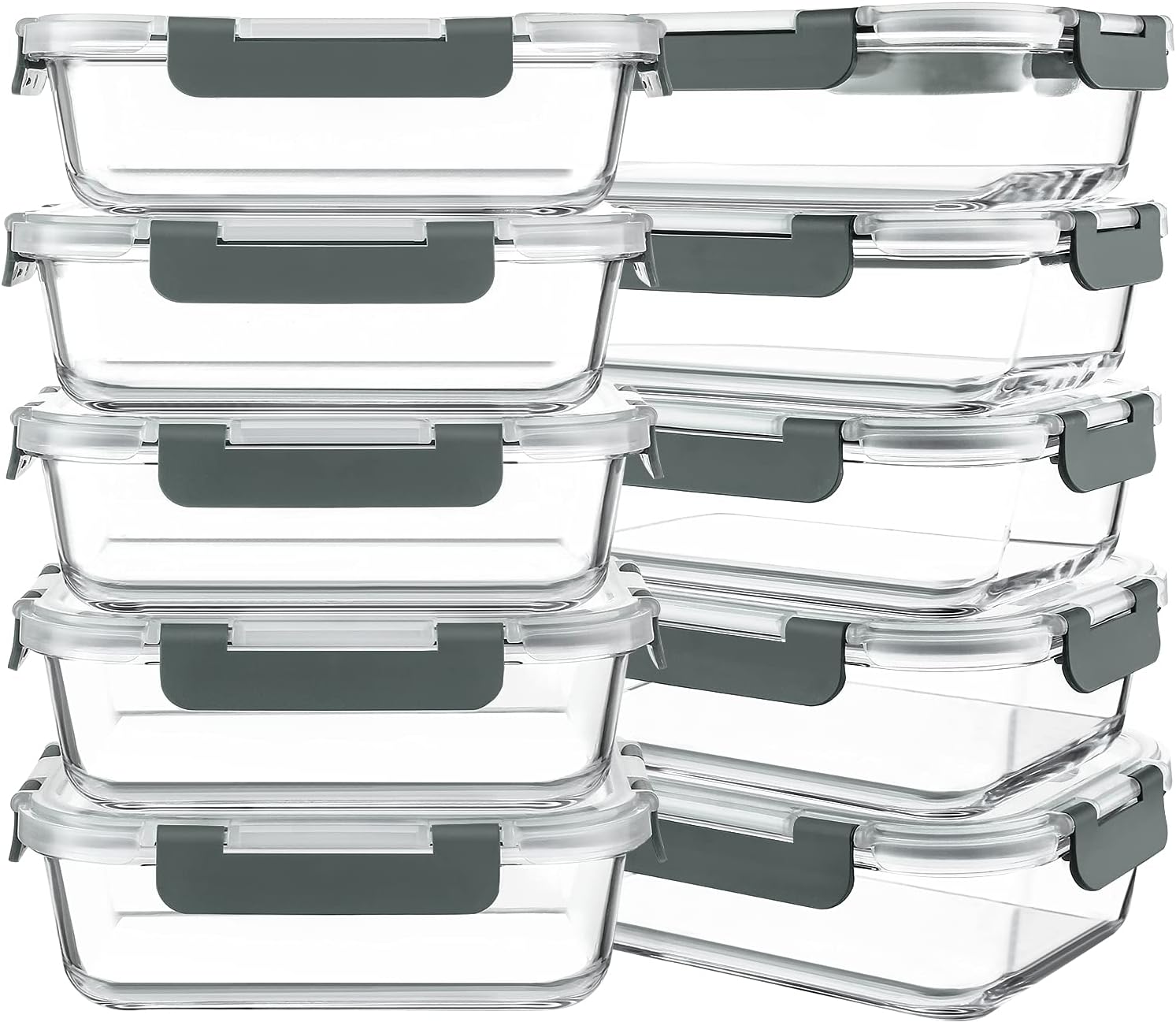
Glass Meal Prep Containers (3 Compartment)
Success on a high-protein diet requires preparation. Keep your grilled meats and veggies fresh and separated with these leak-proof, oven-safe glass containers.
Check Price on AmazonThe “Green Light” List: High-Protein Foods
Building a menu requires knowing your ingredients. Here are the best sources of protein that are also diabetes-friendly.
Lean Animal Proteins
- Chicken Breast: The staple of any high-protein diet. Versatile and lean.
- Turkey: Ground turkey is a great substitute for beef in a low carb weekly diabetic menu.
- Fish: Salmon, tuna, and mackerel provide protein plus Omega-3 fatty acids for heart health.
- Eggs: The “perfect” protein. Hard-boiled eggs are excellent snacks.
- Greek Yogurt: Opt for plain, non-fat or low-fat varieties to avoid added sugars.
Plant-Based Proteins
- Tofu & Tempeh: Excellent absorbers of flavor and very low in carbs.
- Lentils & Beans: High in protein but also contain carbs. Use these carefully if you are on a strict carb limit.
- Edamame: A great snack option.
- Seitan: Known as “wheat meat,” this is almost pure protein.
7-Day High-Protein Diabetic Menu Plan
This meal plan targets approximately 30% to 40% of calories from protein. It is designed to be flexible. If you are a working professional, you might want to cross-reference this with our diabetic menu for working adults for prep-friendly ideas.
Day 1: The Poultry Kickstart
- Breakfast: 3-egg omelet with spinach, mushrooms, and 1 oz feta cheese.
- Lunch: Grilled chicken breast (6oz) over a bed of mixed greens with olive oil vinaigrette.
- Dinner: Turkey meatballs (almond flour binder) with zucchini noodles and marinara sauce.
- Snack: Greek yogurt with a handful of almonds.
Day 2: Seafood & Omega-3s
- Breakfast: Smoked salmon on half a whole-grain bagel with cream cheese.
- Lunch: Tuna salad (made with avocado oil mayo) served in lettuce cups (3 large cups).
- Dinner: Baked Cod with lemon and herbs, served with roasted asparagus and quinoa.
- Snack: Hard-boiled egg and a string cheese stick.
Need something quicker? Try our 1-day simple diabetic menu for busy days.
Day 3: Plant-Powered Protein
- Breakfast: Tofu scramble with turmeric, nutritional yeast, peppers, and onions.
- Lunch: Lentil soup (high fiber) with a side of cottage cheese.
- Dinner: Seitan stir-fry with broccoli, snap peas, and soy sauce (low sodium).
- Snack: Roasted chickpeas.
Day 4: Lean Beef & Iron
- Breakfast: Cottage cheese pancakes (using oats and egg whites) topped with berries.
- Lunch: Leftover steak salad with arugula and balsamic glaze.
- Dinner: Lean ground beef (93/7) chili with kidney beans and diced tomatoes.
- Snack: Protein shake (low carb/sugar-free).
Day 5: The Active Day
If you are exercising heavily today, you might need more fuel. This day aligns closer to a 2000 calorie diabetic menu.
- Breakfast: Greek yogurt bowl with hemp seeds, chia seeds, and walnuts.
- Lunch: Grilled Turkey burger (no bun) with a side of edamame.
- Dinner: Roasted Chicken Thighs with Brussels sprouts and a small sweet potato.
- Snack: Beef jerky (sugar-free) and celery sticks.
Day 6: Batch Cooking Prep
- Breakfast: Egg white frittata muffins (make a batch for the week).
- Lunch: Rotisserie chicken shreds mixed with salsa and avocado.
- Dinner: Pork tenderloin medallions with steamed cauliflower mash.
- Snack: Pumpkin seeds.
Planning for the long haul? Review our weekly diabetic meal plan strategies.
Day 7: The Reset
- Breakfast: Protein smoothie (Whey isolate or Pea protein, spinach, almond milk, peanut butter).
- Lunch: Shrimp cocktail with a large side salad.
- Dinner: Grilled salmon with sautéed kale and garlic.
- Snack: Cottage cheese with cucumber slices.
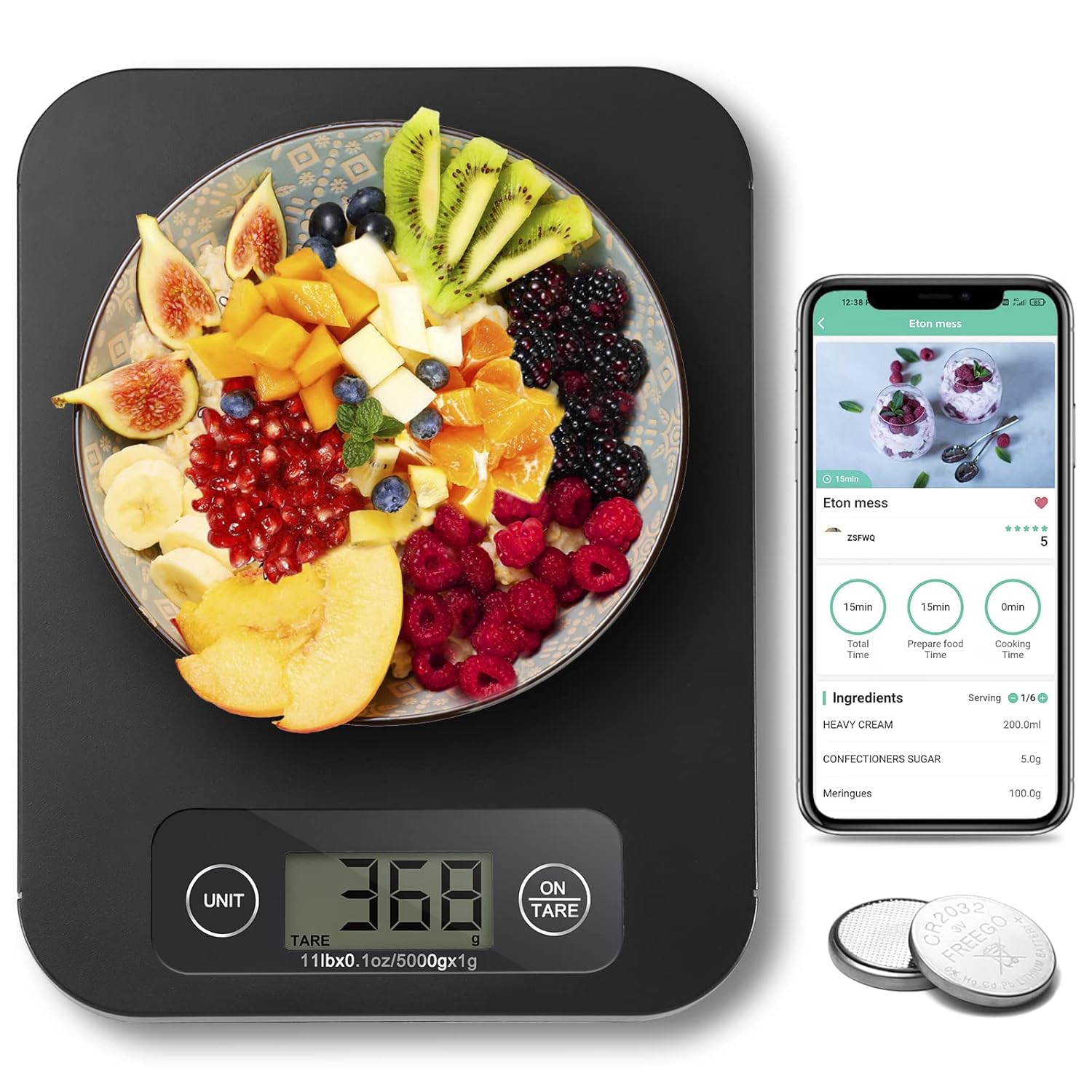
Precision Digital Kitchen Scale
When eating high protein, portion size matters. 6oz of steak has very different macros than 10oz. Remove the guesswork with this precise scale.
Check Price on AmazonComparison: High Protein vs. Keto vs. Standard ADA
How does a high-protein approach stack up against other popular diabetic diets?
| Diet Type | Primary Macro | Best For | Potential Drawback |
|---|---|---|---|
| High Protein | Protein (30-40%) | Satiety, Muscle Maintenance, Seniors | Can be expensive; Kidney concern for some |
| Keto | Fat (70-75%) | Rapid Glucose Lowering | Difficult to sustain long-term; “Keto Flu” |
| Standard ADA | Balanced (Carbs ~45%) | General Management | Hunger spikes if complex carbs aren’t chosen |
Adjusting for Specific Needs
Seniors
As we age, chewing tough meats becomes difficult, yet protein needs increase to prevent frailty. If you are caring for an older adult, consider a diabetic menu for elderly with no teeth which focuses on soft proteins like eggs, flaky fish, and smoothies. Furthermore, ensure the total caloric intake is appropriate; a 1200 calorie diabetic menu for seniors is often sufficient.
Teenagers and Pregnancy
Growing bodies and expectant mothers have higher protein requirements for development. A diabetic menu for teenagers must account for growth spurts, while a diabetic menu for pregnant women ensures fetal development without spiking gestational diabetes markers.
Budget Considerations
Meat is expensive. To follow this diet on a budget, rely heavily on eggs, canned tuna, and dried lentils. Check out our low income diabetic menu for tips on shopping smart.
Pros and Cons of a High-Protein Diabetic Diet
✅ The Pros
- Glucose Stability: Avoids the sharp peaks caused by carb-heavy meals.
- Reduced Appetite: Protein is the most satiating macronutrient.
- Metabolic Boost: Higher thermic effect means you burn more calories at rest.
- Bone Health: Contrary to old myths, adequate protein supports bone density.
❌ The Cons
- Kidney Strain: Only a risk if you already have kidney disease (Nephropathy).
- Hydration: High protein requires more water intake to flush byproducts.
- Cost: Protein sources are generally more expensive than grains.
- Fiber Lack: If you ignore veggies, you may become constipated.
Frequently Asked Questions
How much protein should a diabetic eat per day?
There is no one-size-fits-all, but a common high-protein target is 1.2 to 2.0 grams of protein per kilogram of body weight, or roughly 25-35% of total daily calories, provided kidney function is normal.
Will eating too much protein raise my blood sugar?
Protein has a minimal effect on blood sugar compared to carbohydrates. However, in the absence of carbs, the liver can convert some amino acids into glucose (gluconeogenesis), but this process is slow and rarely causes spikes.
Is whey protein safe for diabetics?
Yes, whey protein is generally safe and can actually improve insulin sensitivity. However, it is crucial to choose brands that are ‘Isolate’ or low-carb and free from added sugars to avoid hidden glucose.
Can I follow a high-protein diet if I am a vegetarian?
Absolutely. Tofu, tempeh, seitan, lentils, edamame, and Greek yogurt are excellent meat-free protein sources that are diabetes-friendly. Just be mindful of the carb counts in beans and lentils.
Conclusion
Switching to a High-Protein Diabetic Menu can be a transformative step in your health journey. It moves the focus from “deprivation” (cutting carbs) to “nourishment” (adding high-quality foods). By keeping you full and protecting your muscle mass, this approach offers a sustainable path to better A1C results.
Remember, consistency is key. Whether you are following a strict 30-day diabetic menu or just trying to eat better for the weekend, prioritizing protein is a winning strategy. Always consult your healthcare provider before making drastic changes, especially regarding kidney health.
Ready to start cooking?
Get the best diabetic-friendly cookbooks and tools delivered to your door.
Explore Diabetic Essentials on Amazon
Pingback: 6 Best Protein Shakes for Diabetes: The Ultimate Guide – Best Diabetic Menu