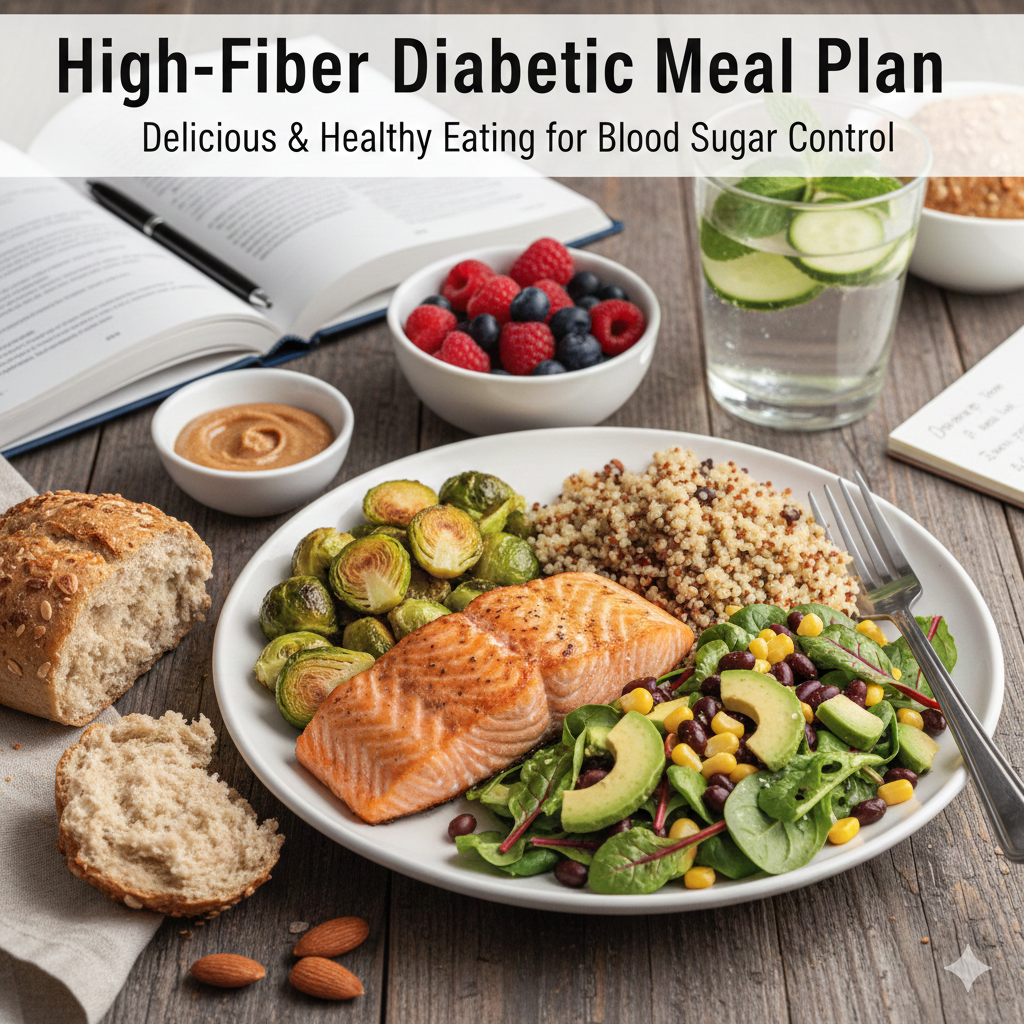
High-Fiber Diabetic Meal Plan: The Ultimate Guide to Stability
Managing diabetes isn’t just about what you remove from your plate; it’s about what you add to it. The “secret weapon” in the diabetic toolkit is often overlooked: fiber. A well-structured high-fiber diabetic meal plan does more than just keep you regular—it acts as an internal braking system, slowing down the absorption of sugar into your bloodstream and preventing those dangerous post-meal spikes.
Whether you are newly diagnosed or looking to refine your management strategy, understanding how to weave fiber-rich foods into your daily routine is a game-changer. This comprehensive guide will walk you through the science, the food lists, and provide a concrete actionable plan to transform your health.
Why Fiber is a Diabetic’s Best Friend
Dietary fiber is a type of carbohydrate that the body cannot digest. Unlike other carbs that break down into sugar (glucose), fiber passes through the body relatively intact. For someone living with diabetes, this distinction is critical.
The “Mesh” Effect
Imagine your gut as a sieve. When you eat simple carbohydrates, they rush through the holes and spike your blood sugar instantly. When you eat a high-fiber meal, the fiber creates a gel-like mesh (specifically soluble fiber) that slows down the stomach’s emptying process. This results in a slower, more controlled release of glucose into the bloodstream.
✅ Soluble Fiber
Dissolves in water to form a gel-like material. It can help lower blood glucose levels and cholesterol.
- Oats & Barley
- Apples & Citrus fruits
- Beans & Lentils
✅ Insoluble Fiber
Promotes the movement of material through your digestive system and adds bulk to the stool.
- Whole-wheat flour
- Wheat bran
- Nuts & Cauliflower
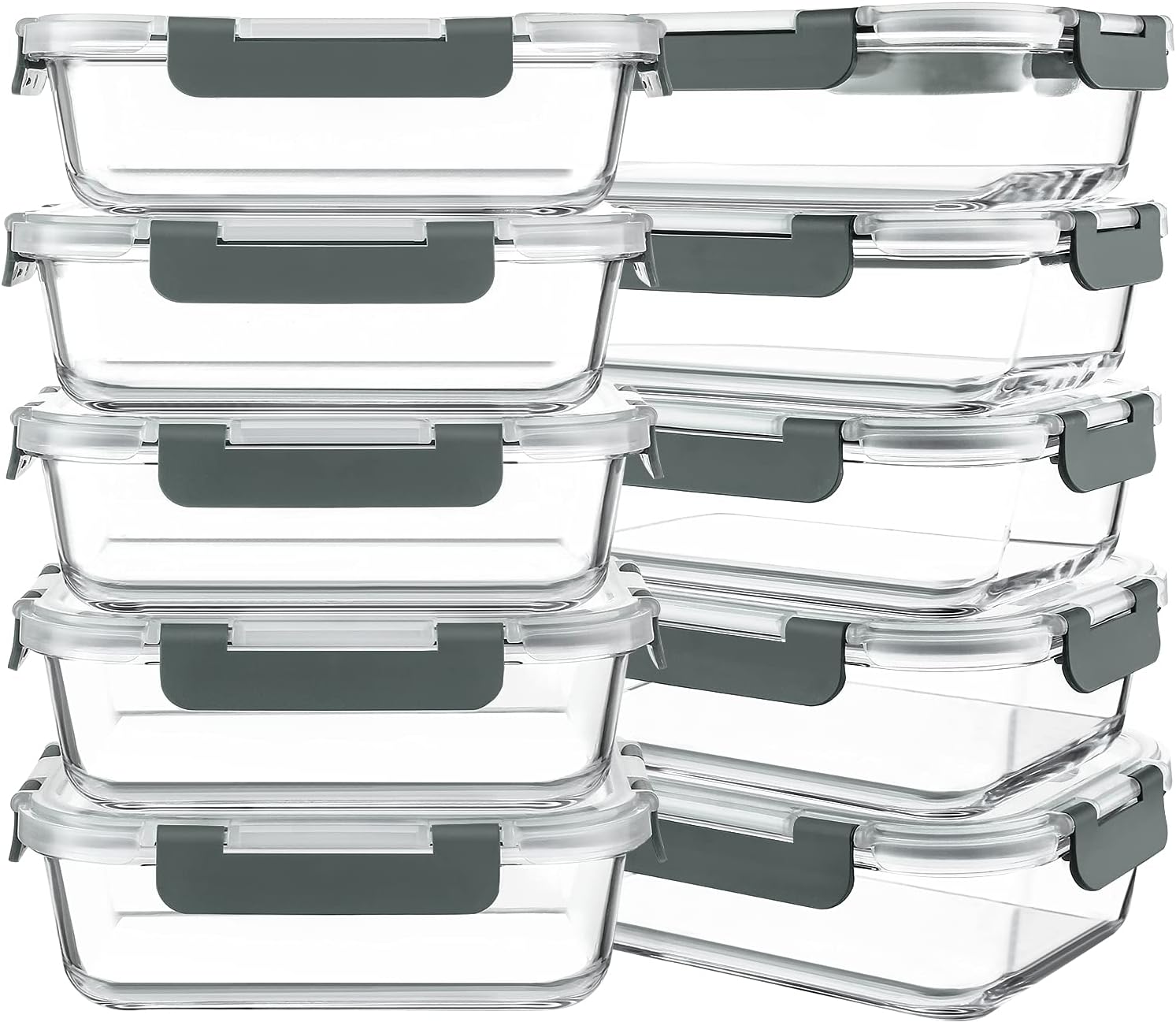
Master Your Portions with Glass Meal Prep Containers
Fiber-rich meals often involve bulk cooking beans, grains, and veggies. Keep your high-fiber diabetic meal plan on track by prepping ahead.
Check Price on AmazonBuilding Your High-Fiber Arsenal
Transitioning to a high-fiber lifestyle doesn’t mean eating cardboard. It means swapping processed, stripped grains for nutrient-dense powerhouses. If you are struggling with menu ideas, you might want to start with a 7-day diabetic menu foundation and swap in these high-fiber items.
| Food Category | High-Fiber Heroes (Eat This) | Low-Fiber Spikers (Limit This) |
|---|---|---|
| Grains | Quinoa, Barley, Bulgur, Steel-cut Oats, Brown Rice | White Rice, Instant Oatmeal, White Bread, Bagels |
| Vegetables | Artichokes, Broccoli, Brussels Sprouts, Carrots (Raw) | Vegetable Juice (fiber removed), Peeled Cucumbers |
| Legumes | Lentils, Black Beans, Chickpeas, Kidney Beans | Refried Beans (with lard), Baked Beans (high sugar) |
| Fruits | Raspberries, Pears (skin on), Apples (skin on), Avocado | Fruit Juice, Canned Fruit in Syrup, Dried Fruit (sugary) |
7-Day High-Fiber Diabetic Meal Plan Sample
Here is a sample week designed to hit approximately 30-35g of fiber per day. This plan focuses on whole foods and sustained energy. If you are just starting, you might prefer a 1-day simple diabetic menu to test the waters before committing to a full week.
Day 1: The Oat & Bean Kickoff
- Breakfast: Steel-cut oats topped with flaxseeds and raspberries.
- Lunch: Lentil soup with a side of spinach salad (olive oil dressing).
- Dinner: Grilled salmon with quinoa and roasted Brussels sprouts.
- Snack: Apple slices with almond butter.
Day 2: The Avocado Power Day
- Breakfast: Whole grain toast topped with mashed avocado and a poached egg.
- Lunch: Chickpea salad with cucumbers, tomatoes, and feta cheese.
- Dinner: Turkey chili loaded with kidney beans and black beans.
- Snack: A handful of walnuts.
Day 3: Cruciferous Crunch
- Breakfast: Chia seed pudding made with unsweetened almond milk.
- Lunch: Turkey wrap using a high-fiber low-carb tortilla, plenty of lettuce/tomato.
- Dinner: Stir-fry with tofu, broccoli, snap peas, and brown rice.
- Snack: Pear with skin on.
Need to plan further ahead? Check out our 14-day diabetic meal plan for an extended schedule.
Day 4: Ancient Grains
- Breakfast: Greek yogurt mixed with high-fiber bran cereal and blueberries.
- Lunch: Quinoa bowl with roasted beets, kale, and grilled chicken.
- Dinner: Baked white fish with asparagus and a side of barley.
- Snack: Raw carrots with hummus.
Day 5: Plant-Based Focus
- Breakfast: Smoothie with spinach, flaxseed, protein powder, and half a banana.
- Lunch: Black bean burger (no bun or lettuce wrap) with a side salad.
- Dinner: Zucchini noodles with turkey meat sauce (add mushrooms for bulk).
- Snack: Edamame (steamed).
Day 6: Weekend Prep
- Breakfast: Veggie omelet (spinach, peppers, onions) with whole wheat toast.
- Lunch: Leftover Turkey Chili from Day 2.
- Dinner: Roast chicken with sweet potato (skin on) and green beans.
- Snack: Popcorn (air-popped, no butter).
Day 7: The Sunday Reset
- Breakfast: Buckwheat pancakes topped with strawberries.
- Lunch: Tuna salad served in a hollowed-out tomato or bell pepper.
- Dinner: Beef stir-fry with mixed peppers and cauliflower rice.
- Snack: Hard-boiled egg and a few almonds.
For those who prefer a longer rotation, our 30-day diabetic menu offers immense variety to prevent food boredom.

Need More Recipes?
Get creative in the kitchen with a dedicated high-fiber cookbook. Delicious recipes that ensure you never get bored while keeping your blood sugar in check.
Check Price on AmazonAdapting the Plan for Your Lifestyle
One size rarely fits all when it comes to diabetes management. Depending on your age, activity level, and dental health, you may need to modify the high-fiber approach.
Calorie Specific Needs
Fiber fills you up, which is great for weight loss, but you must ensure you are hitting your caloric goals.
If you are on a strict weight loss regimen, look at the 1200 calorie diabetic menu.
For active men or those maintaining weight, the 2000 calorie diabetic menu provides more room for extra grains and legumes.
Seniors and Texture Issues
Many high-fiber foods are crunchy or tough. For seniors, this can be a challenge. However, fiber is crucial for elderly digestion. You can opt for soft-cooked lentils, oatmeal, and smoothies. We have specifically curated guides for this demographics:
• Diabetic menu for seniors
• Diabetic menu for elderly with no teeth
Budget and Schedule Constraints
Fiber is actually one of the cheapest nutrients to buy (think dried beans and oats). If you are on a tight budget, consult our low-income diabetic menu. Conversely, if time is your enemy, meal prepping high-fiber salads is essential for the diabetic menu for working adults.
Special Physiological States
Pregnancy requires careful blood sugar management to prevent gestational diabetes complications. Fiber helps regulate this naturally; see the diabetic menu for pregnant women. Similarly, growing teenagers need energy without the sugar crash—find tips in the diabetic menu for teenagers.
Pros and Cons of a High-Fiber Diet
Before you rush to double your fiber intake overnight, it is important to understand the biological impact.
Advantages
- Blood Sugar Control: Significantly blunts insulin spikes.
- Satiety: Keeps you fuller longer, aiding in weight loss.
- Heart Health: Lowers LDL (bad) cholesterol.
- Gut Health: Feeds good bacteria (microbiome).
Potential Drawbacks
- Digestive Discomfort: Bloating, gas, and cramping if increased too quickly.
- Hydration Requirement: You MUST drink more water, or fiber can cause constipation.
- Nutrient Absorption: Excessive fiber (50g+) can sometimes bind to minerals like iron and zinc.
Frequently Asked Questions
How much fiber should a diabetic eat per day?
The general recommendation is between 25 to 35 grams per day. However, people with diabetes often benefit from the higher end of that spectrum to maximize glycemic control. Always consult your dietitian, as individual needs vary.
Can fiber supplements replace high-fiber foods?
Supplements (like psyllium husk) are helpful tools, but they shouldn’t replace whole foods. Whole foods provide vitamins, minerals, and antioxidants that supplements lack. Supplements are best used to bridge the gap if you cannot eat enough fiber-rich food.
Does fiber count toward carbohydrate limits?
This is a common point of confusion. Fiber is a carbohydrate, but because it isn’t digested, many people on carb-counting diets subtract fiber grams from total carbs to get “Net Carbs.” For example, if a slice of bread has 15g carbs and 5g fiber, the net impact on blood sugar is closer to 10g.
What if a high-fiber diet causes gas?
This is normal when starting. The key is to start slow. Increase your intake by just 3-5 grams every few days rather than all at once. Crucially, you must increase your water intake simultaneously to help the fiber move through your system.

Precision is Key
Guessing your fiber portions can be tricky. A simple digital food scale ensures you are getting exactly the nutrient density you need for your meal plan.
Check Price on AmazonFinal Thoughts: The Slow Carb Revolution
Adopting a high-fiber diabetic meal plan is one of the most effective, natural ways to manage your condition. It transforms food from a potential danger into a source of healing. By prioritizing vegetables, legumes, and whole grains, you aren’t just managing numbers; you are investing in long-term vitality.
Remember, consistency is more important than perfection. Start by swapping white bread for whole grain, or adding a side of beans to your dinner. If you want to continue exploring structured eating, our weekly diabetic meal plan or the specialized high-protein diabetic menu are excellent next steps.
Disclaimer: Always consult with your healthcare provider or a certified diabetes educator before making significant changes to your diet, especially if you are on insulin, as fiber intake can alter medication requirements.
Pingback: 5 Best Fiber Supplements for Diabetics:Guide to Better Blood Sugar – Best Diabetic Menu