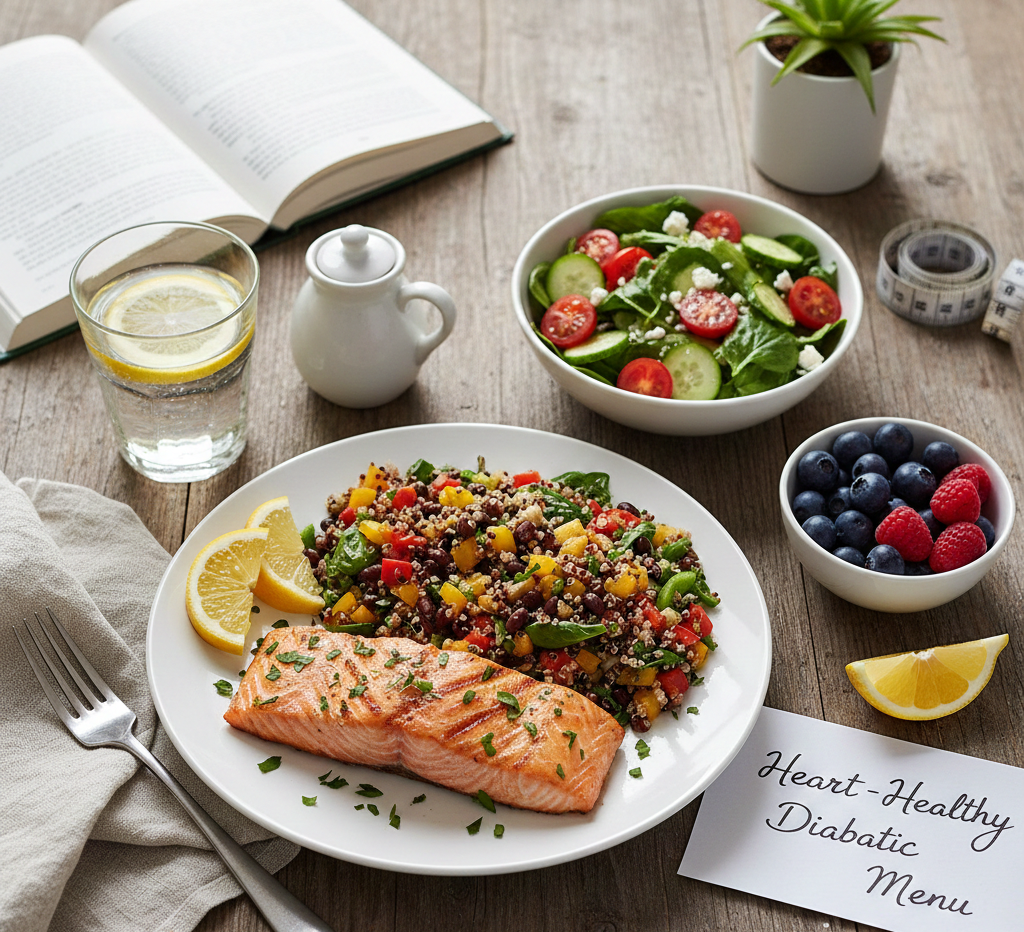
Heart-Healthy Diabetic Menu: The Double-Defense Strategy
There is an undeniable link between your blood sugar and your heart. Statistics paint a stark reality: adults with diabetes are nearly twice as likely to die from heart disease or stroke as people without the condition. It sounds alarming, but it is also a powerful call to action. The food you put on your plate has the power to address both issues simultaneously — not with restrictive crash diets, but with a strategically designed, deeply satisfying way of eating.
A heart-healthy diabetic menu isn’t about deprivation. It is about strategic abundance — filling your diet with nutrient-dense foods that lower blood pressure, reduce LDL cholesterol, reduce triglycerides, and stabilize glucose levels all at once. By combining the evidence-based principles of the Mediterranean diet with low-glycemic carbohydrate management, you create a powerful culinary shield that protects your cardiovascular system and metabolic health simultaneously.
In this comprehensive guide, we move beyond generic advice. We provide a concrete 7-day meal plan, explain the science of cardiometabolic health, break down which nutrients matter most for the diabetes-heart disease connection, and help you navigate the grocery store with complete confidence.
Why Diabetes and Heart Health Are Inseparably Connected
To understand why this specific menu works, we need to look under the hood of human biology. High blood sugar doesn’t simply sit in your veins passively. It acts like a slow-moving corrosive agent, damaging the inner lining of blood vessels (the endothelium), promoting arterial plaque formation, and triggering a chronic low-grade inflammatory state that accelerates cardiovascular aging far beyond what would occur in a non-diabetic person of the same age.
Glucose, when elevated chronically, binds to proteins in a process called glycation. This forms compounds known as Advanced Glycation End Products (AGEs), which stiffen blood vessels, impair kidney filtration, damage retinal capillaries, and drive the atherosclerotic process that leads to heart attacks and strokes. This is precisely why people with poorly controlled diabetes experience cardiovascular events earlier and more severely than the general population.
🔴 The “Triple Threat” — Metabolic Syndrome
Diabetics often face a cluster of overlapping conditions collectively known as Metabolic Syndrome. Having three or more of these conditions significantly multiplies cardiovascular risk:
- Hypertension (High Blood Pressure): Forces the heart to work harder with every beat, thickening the heart muscle over time and increasing stroke risk. Sodium restriction and potassium-rich foods are the primary dietary interventions.
- Hyperlipidemia (High Cholesterol & Triglycerides): LDL cholesterol deposits plaque inside arterial walls (atherosclerosis), while elevated triglycerides — which spike dramatically after high-carb meals — thicken the blood and promote clot formation.
- Hyperglycemia (High Blood Sugar): Increases oxidative stress, inflammation, and arterial stiffness. Each 1% reduction in HbA1c reduces cardiovascular risk by approximately 14–16% according to landmark diabetes outcome studies.
- Abdominal Obesity: Visceral fat (fat around the organs) is metabolically active, secreting inflammatory cytokines that worsen insulin resistance and promote plaque instability in the coronary arteries.
- Insulin Resistance: The root driver of the entire cluster. As cells become less responsive to insulin, the pancreas overproduces it, and chronically elevated insulin independently promotes arterial inflammation.
The extraordinary power of dietary intervention here is this: addressing one component almost always improves the others. Fiber lowers blood sugar and lowers LDL cholesterol simultaneously. Reducing sodium lowers blood pressure and reduces kidney strain. Omega-3 fatty acids reduce triglycerides and reduce arterial inflammation. This is the compounding logic behind this double-defense menu strategy.
If you are already following a weekly diabetic meal plan, tweaking it specifically for heart health is the single highest-impact next step you can take to extend both your lifespan and your quality of life.
⚠️ Important Medical Note
This menu is for general informational purposes and does not replace professional medical advice. If you take blood pressure medication, cholesterol medication (statins), insulin, or metformin, speak with your doctor or registered dietitian before making significant dietary changes. Some nutrient interactions with medications require monitoring.
The 6 Pillars of a Heart-Healthy Diabetic Menu
This menu is built on six evidence-based pillars, each targeting a specific mechanism in the diabetes-heart disease connection. Understanding why each principle matters dramatically improves long-term adherence.
1. Sodium Reduction (The DASH Approach)
Sodium draws water into the bloodstream, increasing blood volume and — consequently — the pressure against arterial walls with every heartbeat. The American Heart Association recommends under 2,300mg per day for most adults, and closer to 1,500mg for those with hypertension or diabetes. This means transitioning away from processed meats, canned soups (which can contain 800–1,200mg per serving), restaurant meals, and pre-packaged sauces — and embracing fresh herbs, citrus, vinegar, and spices as the primary flavor architects of your cooking.
Practically, this means cooking from scratch most days. The flavors may feel muted for the first 10–14 days as taste buds recalibrate, but most people find that by week three, heavily salted food begins to taste unpleasantly harsh rather than appealing — a genuine neurological recalibration.
2. Fat Quality Over Quantity
The “low-fat” dietary era produced some of the worst outcomes in modern nutrition history, largely because manufacturers replaced fat with refined sugar and starch. Modern research is unambiguous: the type of fat matters far more than the total amount. This menu prioritizes:
- Monounsaturated Fatty Acids (MUFAs): Found in extra virgin olive oil, avocados, and almonds. Actively lowers LDL cholesterol while maintaining or raising HDL (“good”) cholesterol. Associated with reduced arterial stiffness and improved insulin sensitivity.
- Omega-3 Polyunsaturated Fats (EPA & DHA): Marine omega-3s from salmon, mackerel, and sardines are among the most well-studied cardioprotective nutrients in existence, with strong evidence for reducing triglycerides, decreasing arterial inflammation, and reducing the risk of fatal arrhythmias.
- Omega-3 from plant sources (ALA): Walnuts, chia seeds, and ground flaxseed provide alpha-linolenic acid, a precursor to EPA and DHA with its own anti-inflammatory properties.
We strictly avoid trans fats (partially hydrogenated oils found in some commercial baked goods and margarines) and substantially limit saturated fats from fatty beef, butter, full-fat dairy, and processed meats — all of which raise LDL cholesterol and promote arterial plaque.
3. Soluble Fiber Saturation
Soluble fiber is arguably the most underappreciated nutrient in cardiovascular and metabolic medicine. It dissolves in water to form a viscous gel inside the digestive tract. This gel physically traps cholesterol-containing bile acids and prevents their reabsorption, forcing the liver to synthesize new bile acids from circulating LDL cholesterol — effectively pulling harmful LDL out of the bloodstream with every high-fiber meal. Simultaneously, the gel slows glucose absorption, dramatically blunting post-meal blood sugar spikes.
This plan targets 10–15g of soluble fiber daily (total fiber 28–35g) through oats, legumes, apples, barley, psyllium, and flaxseeds. For a more targeted approach to fiber intake, explore our high-fiber diabetic meal plan.
4. Glycemic Control Through Complex Carbohydrates
Every significant post-meal blood sugar spike triggers a wave of oxidative stress in arterial tissue. The higher and more frequent these spikes, the faster atherosclerosis progresses. This plan exclusively uses low-glycemic index (GI) complex carbohydrates — steel-cut oats (GI 42), quinoa (GI 53), legumes (GI 25–40), sweet potatoes (GI 44) — and always pairs carbohydrates with protein and fat to further slow digestion and flatten the post-meal glucose curve.
5. Potassium and Magnesium Optimization
Two minerals that are consistently under-consumed in Western diets play critical roles in cardiovascular and metabolic health. Potassium directly counteracts sodium’s blood-pressure-raising effect by relaxing blood vessel walls and promoting sodium excretion through the kidneys. This plan is rich in potassium through avocados, spinach, sweet potatoes, and legumes. Magnesium deficiency — extremely common in people with type 2 diabetes — is independently associated with insulin resistance, arrhythmias, and hypertension. Magnesium is replenished through dark leafy greens, pumpkin seeds, and whole grains featured throughout this menu.
6. Anti-Inflammatory Food Architecture
Chronic low-grade inflammation is the common thread connecting diabetes, heart disease, obesity, and metabolic syndrome. This plan deliberately incorporates foods with the strongest anti-inflammatory evidence: fatty fish (EPA/DHA), turmeric (curcumin), ginger (gingerols), berries (anthocyanins), extra virgin olive oil (oleocanthal), and dark leafy greens (lutein, zeaxanthin). Simultaneously, it eliminates the most potent dietary pro-inflammatory agents: refined sugar, refined vegetable oils (soybean, corn, sunflower in excess), trans fats, and highly processed packaged foods.

Control Your Heart-Healthy Fats with Precision
Extra virgin olive oil is one of the most cardioprotective foods on the planet — but it is calorie-dense. A high-quality oil mister lets you coat pans and salads evenly with just a fine mist, getting all the LDL-lowering benefit of olive oil without inadvertently adding several hundred extra calories per day. A small but genuinely impactful kitchen upgrade for anyone managing weight alongside heart health and diabetes.
Check Price on AmazonKey Cardiometabolic Nutrients: Daily Targets on This Plan
Unlike generic healthy eating guides, a heart-healthy diabetic menu requires simultaneous attention to multiple specific nutrients. Here is the full nutritional framework this plan is designed around — with the reasoning behind each target.
| Nutrient | Daily Target | Primary Food Sources in This Plan | Cardiac & Glycemic Benefit |
|---|---|---|---|
| Sodium | <1,500–2,000mg | Herbs, citrus, vinegar, spices as flavor base | Reduces blood pressure; protects kidneys |
| Soluble Fiber | 10–15g | Oats, legumes, flaxseed, apples, barley | Lowers LDL cholesterol; slows glucose absorption |
| Total Fiber | 28–35g | Vegetables, whole grains, fruits, nuts, seeds | Gut microbiome health; weight management |
| Omega-3 (EPA+DHA) | 1,000–2,000mg | Salmon, mackerel, sardines, trout | Lowers triglycerides; reduces arterial inflammation |
| Potassium | 3,500–4,700mg | Avocado, sweet potato, spinach, legumes | Counters sodium; relaxes arterial walls |
| Magnesium | 320–420mg | Pumpkin seeds, dark leafy greens, whole grains | Improves insulin sensitivity; supports heart rhythm |
| Saturated Fat | <10–12g | Lean proteins only; minimal full-fat dairy | Reduces LDL cholesterol; lowers plaque formation |
| Trans Fat | 0g (eliminate entirely) | None (avoid all partially hydrogenated oils) | Trans fats raise LDL and lower HDL simultaneously |
| Total Carbohydrates | 130–160g | Low-GI complex carbs only | Prevents insulin spikes; reduces post-meal arterial stress |
| Protein | 75–100g | Fish, legumes, chicken, eggs, Greek yogurt | Muscle preservation; satiety without glucose impact |
| Plant Sterols | 1–2g (through food) | Legumes, nuts, whole grains, olive oil | Compete with cholesterol absorption; lower LDL by 5–15% |
The “Go” vs. “Stop” List: Building a Cardiometabolic Kitchen
Before diving into the day-by-day meal plan, stock your pantry and fridge using this comprehensive guide. The foods in the “Heart Heroes” column are not just permitted — they are actively therapeutic. The more frequently you eat from this column, the faster your markers will improve.
| Category | ❤️ Heart Heroes (Eat Often) | ⚠️ Heart Breakers (Limit or Avoid) |
|---|---|---|
| Proteins | Salmon, Mackerel, Sardines, Trout, Tofu, Tempeh, Lentils, Chickpeas, Skinless Chicken, Turkey, Egg Whites | Bacon, Sausage, Pepperoni, Hot Dogs, Ribeye Steak, Fried Chicken, Deli Meats, Organ Meats |
| Grains & Starches | Quinoa, Barley, Steel-Cut Oats, Brown Rice, Wild Rice, Bulgur, Whole Wheat Bread (5g+ fiber), Sprouted Grain Bread | White Bread, Croissants, Instant Rice, Sugary Cereals, Regular Pasta, White Flour Tortillas, Biscuits |
| Fats & Oils | Extra Virgin Olive Oil, Avocado Oil, Walnut Oil, Avocados, Walnuts, Almonds, Flaxseeds, Chia Seeds | Butter, Lard, Shortening, Margarine with Trans Fats, Palm Oil, Coconut Oil (in excess), Hydrogenated Vegetable Oil |
| Vegetables | Spinach, Kale, Arugula, Broccoli, Brussels Sprouts, Asparagus, Cauliflower, Artichokes, Beets, Carrots, Bell Peppers | Canned vegetables with added salt, Pickles (very high sodium), Vegetables in cream sauces |
| Fruits | Blueberries, Strawberries, Raspberries, Pomegranate, Apples, Citrus, Pears, Cherries, Avocado | Dried fruit (concentrated sugar), Fruit juice (rapid glucose spike), Canned fruit in syrup, Fruit cocktail |
| Dairy & Alternatives | Non-fat or low-fat Greek yogurt, Low-fat cottage cheese, Unsweetened almond milk, Skim milk, Small amounts of feta or parmesan | Full-fat cheese (in large amounts), Cream cheese, Heavy cream, Ice cream, Sweetened yogurt, Butter-based sauces |
| Condiments & Flavoring | Fresh herbs, Garlic, Ginger, Turmeric, Cumin, Paprika, Lemon/lime juice, Apple cider vinegar, Balsamic vinegar, Dijon mustard, Coconut aminos | Table salt, Soy sauce (regular — high sodium), Ketchup (high sugar), BBQ sauce, Teriyaki sauce, Most bottled dressings |
| Beverages | Water, Sparkling water, Unsweetened green tea, Unsweetened herbal tea, Black coffee (moderate), Tomato juice (low sodium) | Regular soda, Diet soda (in excess), Fruit juice, Sweetened tea, Energy drinks, Alcohol (limit to 1 drink/day for women, 2 for men) |
7-Day Heart-Healthy Diabetic Menu (Full Plan with Nutritional Notes)
This meal plan provides approximately 1,500–1,600 calories per day with moderate carbohydrates (approximately 130–150g), low sodium (under 2,000mg), and high fiber (28–35g). For precise caloric measurements or stricter portion control, refer to our 1,500 calorie diabetic menu. Each day includes a targeted nutritional theme to maximize both glucose control and cardiovascular protection.
Day 1: Omega-3 Kickstart
Today’s focus is omega-3 fatty acids and soluble fiber — the two nutrients with the strongest combined evidence for reducing LDL cholesterol and post-meal blood glucose simultaneously.
🌅 Breakfast
Steel-cut oatmeal cooked with water or low-fat milk, topped with 1 tbsp ground flaxseeds (soluble fiber + plant omega-3), 1/2 cup fresh blueberries (anthocyanins), and a pinch of cinnamon (improves insulin receptor function). Side of 1 hard-boiled egg for morning protein anchoring.
~48g carbs | ~14g fiber | ~16g protein
☀️ Lunch
Grilled chicken breast salad over a large bed of mixed greens and spinach, with cherry tomatoes, cucumber, shredded carrots, and kalamata olives. Dressed with a simple extra virgin olive oil and fresh lemon juice vinaigrette — no store-bought dressing (which often contains hidden sodium). No croutons.
~14g carbs | ~5g fiber | ~32g protein
🌙 Dinner
Baked salmon fillet (4–5oz) seasoned with fresh dill, garlic, and lemon zest — no added salt. Served alongside 1/2 cup cooked quinoa and a generous portion of steamed asparagus drizzled with olive oil. The EPA and DHA in salmon make this one of the single most heart-protective meals in the entire plan.
~32g carbs | ~8g fiber | ~38g protein
🍎 Snack: A small apple (pectin fiber lowers LDL) with 10 raw almonds (MUFA + vitamin E for arterial wall protection).
Day 2: Plant-Based Power (Meatless Monday)
Going fully plant-based for one day per week meaningfully reduces saturated fat intake for the week as a whole, provides exceptional soluble fiber from legumes, and introduces plant sterols that actively compete with dietary cholesterol at the intestinal absorption level.
🌅 Breakfast
Chia seed pudding made the night before: 3 tbsp chia seeds soaked in 1 cup unsweetened almond milk overnight with a splash of vanilla extract. Topped with fresh raspberries (highest fiber of all common berries) and a sprinkle of hemp seeds for complete plant protein.
~28g carbs | ~14g fiber | ~12g protein
☀️ Lunch
Hearty homemade red lentil soup seasoned with cumin, turmeric, and smoked paprika (no salt — use lemon juice to finish). Side of one slice of whole-grain sprouted toast. Lentils provide the most soluble fiber of any food per serving and are one of the lowest-GI carbohydrate sources available, with a glycemic index of approximately 28.
~52g carbs | ~16g fiber | ~20g protein
🌙 Dinner
Extra-firm tofu stir-fry: cube and pan-sear tofu in avocado oil until golden, then toss with broccoli florets, snap peas, rainbow bell peppers, fresh ginger (anti-inflammatory), and garlic. Season with low-sodium coconut aminos and a dash of sesame oil for depth. Served over 1/2 cup brown rice.
~45g carbs | ~10g fiber | ~24g protein
🥕 Snack: Carrot and celery sticks with 3 tbsp hummus — chickpeas provide plant sterols that directly inhibit cholesterol absorption in the gut.
Day 3: The Mediterranean Influence
The Mediterranean dietary pattern has the most robust evidence base of any dietary approach for reducing cardiovascular events in people with metabolic risk factors. Today’s meals closely follow its core principles: olive oil as the primary fat, legumes or fish as protein, abundant vegetables, and whole grains in moderate portions. If you enjoy this style, explore our 3-day diabetic meal plan for additional Mediterranean-inspired variations.
🌅 Breakfast
Non-fat plain Greek yogurt (high protein, low saturated fat) layered with fresh sliced strawberries, a tablespoon of chopped walnuts (ALA omega-3), and a light drizzle of raw honey (optional — skip if tight on carbs). The protein-fat combination in this parfait produces one of the most stable post-breakfast glucose profiles of any meal format.
~28g carbs | ~4g fiber | ~20g protein
☀️ Lunch
Whole-wheat pita pocket stuffed with thinly sliced turkey breast (low-sodium), fresh spinach, sliced tomato, thinly sliced red onion, and 1/4 sliced avocado. The avocado replaces mayonnaise, converting a saturated fat source into a MUFA-rich, LDL-lowering one. A squeeze of lemon is all the dressing needed.
~42g carbs | ~9g fiber | ~28g protein
🌙 Dinner
Grilled white fish (cod or tilapia) with a vibrant Mediterranean-style topping of kalamata olives, diced fresh tomatoes, capers (rinse well to reduce sodium), and fresh basil — essentially a bruschetta over fish. Served with steamed green beans tossed in olive oil and lemon zest. Light, elegant, and deeply protective.
~18g carbs | ~7g fiber | ~34g protein
🍐 Snack: Sliced pear — a low-GI fruit with high pectin (soluble fiber) content. Pairs well with a small piece of low-fat string cheese for protein.
Day 4: Lean and Green
Today emphasizes lean complete proteins and deep-green vegetables — the combination that maximizes satiety while minimizing saturated fat, glycemic load, and sodium. Dark leafy greens are among the most nutrient-dense foods per calorie, providing folate (lowers homocysteine — an independent cardiovascular risk marker elevated in many diabetics), vitamin K, lutein, and zeaxanthin.
🌅 Breakfast
Veggie omelet using 2 egg whites and 1 whole egg (reduces cholesterol load while retaining vitamins). Filled with wilted spinach, sliced mushrooms, and sautéed onions in avocado oil. Season with black pepper, garlic powder, and fresh herbs only — no salt. The whole egg provides choline, essential for liver function and healthy fat metabolism.
~10g carbs | ~3g fiber | ~22g protein
☀️ Lunch
Quinoa nourish bowl: 1/2 cup cooked quinoa as the base, topped with rinsed canned black beans (rinse well — removes up to 40% of the sodium), roasted corn, fresh chunky salsa (tomatoes, cilantro, lime — no jarred salsa with added salt), and 3oz grilled chicken strips. A protein and fiber powerhouse that won’t spike blood glucose.
~52g carbs | ~12g fiber | ~36g protein
🌙 Dinner
Lean turkey meatloaf — made with oats instead of breadcrumbs (adds soluble fiber and lowers the GI of the entire meal), seasoned with garlic, onion, and herbs, baked at 375°F. Served with oven-roasted Brussels sprouts (cruciferous vegetables contain sulforaphane, a compound shown to reduce arterial inflammation) and a small baked sweet potato.
~48g carbs | ~10g fiber | ~32g protein
🧀 Snack: 1/2 cup low-fat cottage cheese with sliced cucumber and a sprinkle of dried dill — high protein, low carbohydrate, minimal sodium if choosing the low-sodium variety.
Day 5: High Fiber Focus
Fiber is the cornerstone of both cardiovascular and glycemic health. Today pushes fiber intake to its highest point in the plan, targeting 35g+ through strategic food choices at every meal. Research shows that each additional 7g of daily fiber intake is associated with a 9% reduction in coronary heart disease risk. For a deeper dive into fiber-forward meal planning, explore the high-fiber diabetic meal plan.
🌅 Breakfast
High-fiber bran cereal (choose a brand with at least 8g fiber per serving, no added sugar, and under 150mg sodium) with low-fat milk and half a small banana. The combination of insoluble bran fiber and the soluble pectin in banana works on two separate cholesterol-lowering mechanisms simultaneously.
~46g carbs | ~12g fiber | ~10g protein
☀️ Lunch
Baby spinach and strawberry salad (both rich in polyphenols that reduce arterial oxidation) with 3oz grilled shrimp — one of the leanest protein sources available — topped with sliced red onion and toasted sliced almonds. Dressed with homemade balsamic vinaigrette (balsamic vinegar, Dijon mustard, olive oil, no salt).
~22g carbs | ~6g fiber | ~26g protein
🌙 Dinner
Chicken breast baked in a sauce of canned artichoke hearts and crushed tomatoes (both no-salt-added varieties) with garlic, capers, and fresh thyme. Served over a portion of whole-wheat couscous, which has a lower GI than regular couscous and provides additional fiber. Artichokes are among the highest-fiber vegetables and contain cynarin, a compound that promotes bile acid production and further lowers cholesterol.
~50g carbs | ~12g fiber | ~34g protein
🫘 Snack: 1/2 cup steamed edamame (unsalted) — provides fiber, plant protein, and isoflavones associated with improved lipid profiles and reduced arterial stiffness.
Day 6: Low Sodium Saturday
Saturdays often bring increased temptation from restaurant meals and convenience foods. Today’s plan demonstrates that satisfying, flavorful food can be prepared entirely without reaching for the salt shaker, by instead using the full toolkit of acids, aromatics, and spices available in a well-stocked cardiometabolic kitchen.
🌅 Breakfast
Blended green smoothie bowl: spinach, one scoop of unflavored or vanilla protein powder, 1 tbsp ground flaxseed, a handful of frozen mixed berries, and unsweetened almond milk — blended thick. Pour into a bowl and top with pumpkin seeds (magnesium, zinc) and a light sprinkle of hemp hearts. A nutrient-dense, sodium-free breakfast that covers protein, fiber, and omega-3s simultaneously.
~36g carbs | ~10g fiber | ~28g protein
☀️ Lunch
Tuna salad reimagined: mix canned tuna (in water, rinsed — rinsing removes approximately 80mg of sodium per can) with mashed avocado instead of mayonnaise, finely diced celery, red onion, and fresh lemon juice. Served in large, crisp Romaine lettuce leaves. This simple swap converts a saturated fat vehicle into a monounsaturated fat vehicle — identical flavor, dramatically better cardiovascular profile.
~10g carbs | ~7g fiber | ~30g protein
🌙 Dinner
Lean beef and broccoli stir-fry using thinly sliced flank steak (one of the leanest beef cuts — trim all visible fat before cooking), broccoli florets, sliced mushrooms, and snap peas. The critical upgrade: use coconut aminos instead of regular soy sauce — it contains approximately 65–70% less sodium and has a slightly sweeter, richer flavor. Serve over cauliflower rice to keep the evening glycemic load low.
~20g carbs | ~8g fiber | ~34g protein
🍊 Snack: Orange slices — vitamin C, hesperidin (a flavonoid that reduces arterial stiffness), and natural pectin fiber. One medium orange contains more potassium than most people realize.
Day 7: The Sunday Reset (Meal Prep Day)
Sunday is both a satisfying culinary day and a strategic preparation day for the week ahead. A larger Sunday dinner intentionally generates leftovers for Monday lunch, ensuring you start the new week with a healthy, ready-made meal already in the refrigerator. This “Sunday reset” protocol is one of the most powerful habits you can build for long-term adherence. For more time-efficient strategies, the diabetic menu for working adults offers practical meal prep frameworks designed for busy schedules.
🌅 Breakfast
Avocado toast on sprouted grain bread (higher protein and fiber than standard whole wheat, and a lower glycemic index due to reduced starch digestibility). Top with 1/4 mashed avocado, red pepper flakes, a squeeze of lemon, and optionally a sliced hard-boiled egg for additional protein and choline. Season with everything-but-the-salt seasoning blend instead of regular salt.
~30g carbs | ~9g fiber | ~14g protein
☀️ Lunch
Leftover turkey meatloaf (from Day 4) sliced and served open-faced on one slice of sprouted grain bread with a generous side salad of mixed greens, shredded red cabbage, and sliced radishes — all dressed with a light apple cider vinegar and olive oil dressing. The variety of colors ensures a wide range of phytonutrients and antioxidants.
~36g carbs | ~8g fiber | ~30g protein
🌙 Dinner
Herb-roasted whole chicken (remove and discard skin before eating to eliminate most of the saturated fat) seasoned with rosemary, thyme, garlic, and lemon inside the cavity. Roasted in the same pan with roughly chopped carrots, celery, and onions — which absorb the chicken juices and become deeply flavorful without added fat or sodium. Serve with a green salad.
~22g carbs | ~7g fiber | ~42g protein
🍿 Snack: Air-popped popcorn (3 cups) with nutritional yeast and smoked paprika instead of butter and salt — surprisingly satisfying with 3g fiber, minimal calories, and zero sodium if prepared without salt. A genuinely good evening snack option.

Crispy Without the Clogged Arteries
Craving crunch without the saturated fat and inflammatory oxidized oils of deep frying? An air fryer uses circulating hot air to achieve a remarkably similar crispiness to deep frying while using up to 80% less oil. It is arguably the single most impactful kitchen appliance upgrade for anyone managing both heart health and diabetes — making everything from crispy salmon skin to roasted chickpeas to “fried” chicken effortlessly healthier.
Check Price on AmazonCooking Methods That Protect Your Heart and Blood Sugar
What you cook matters enormously. But how you cook it is a close second. Certain cooking techniques applied at high temperatures — particularly deep frying and charring — generate compounds that actively promote inflammation and vascular damage. Here is a practical guide to cooking methods ranked by cardiometabolic impact.
✅ Best Cooking Methods
- Steaming: Preserves the highest percentage of water-soluble vitamins (B vitamins, vitamin C, folate) compared to all other methods. Zero added fat required. Ideal for vegetables and fish.
- Poaching: Gentle liquid-based cooking that keeps proteins exceptionally moist without any added fat. Excellent for eggs, chicken breast, and delicate fish.
- Baking/Roasting (under 400°F): Allows Maillard browning for flavor development without the AGE formation that occurs at very high temperatures or open flame charring.
- Air Frying: Achieves crispy exteriors using just 1–2 teaspoons of oil through convection airflow. Dramatically reduces the oxidized fat content compared to pan or deep frying.
- Stir-frying (high heat, minimal oil): Fast cooking preserves nutrients. Use avocado oil (high smoke point) and keep the process to under 5 minutes.
- Slow cooking / braising: Low, moist heat produces tender meats without the need for added fats. Excellent for breaking down tough, lean cuts like chicken thighs or turkey breast.
❌ Methods to Minimize or Avoid
- Deep frying: Oils heated repeatedly to high temperatures become oxidized and trans-isomerized, generating pro-inflammatory compounds. Even heart-healthy olive oil becomes harmful when overheated repeatedly.
- Charcoal grilling (heavy char): Charred meat produces heterocyclic amines (HCAs) and polycyclic aromatic hydrocarbons (PAHs) — both associated with inflammation and increased cancer risk. Grill with a lower flame and remove any charred portions.
- Microwave reheating with plastic containers: Not a cooking method per se, but always transfer food to glass or ceramic before microwaving to prevent potential leaching of endocrine-disrupting compounds from plastic into food.
- Frying in butter or lard: Loads meals with saturated fat and, if overheated, oxidized cholesterol compounds that directly damage arterial walls.
- Using regular salt during cooking: Cooking salt into food distributes it throughout the entire dish, making it nearly impossible to avoid. Instead, add a tiny amount after plating if absolutely necessary — taste buds are far more sensitive to surface salt.
Reading Food Labels: The Heart-Diabetic Shopper’s Checklist
The grocery store is where this battle is largely won or lost. The ability to quickly evaluate a nutrition label and make an informed decision in under 10 seconds is a core skill for anyone managing both diabetes and heart disease risk. Here is exactly what to look for:
| Label Element | What to Look For | Red Flag |
|---|---|---|
| Serving Size | Always compare to the portion you will actually eat — many packages list 2–3 servings per container | Tiny serving sizes that make calorie/sodium counts appear deceptively low |
| Sodium | Under 140mg per serving = “low sodium”; under 35mg = “very low sodium” | Any single food item with 600mg+ sodium per serving |
| Total Carbohydrate | Focus on fiber content within the carbs — at least 3g fiber per serving is ideal | High total carbs with less than 1g fiber = refined starch |
| Added Sugars | Aim for under 5g added sugars per serving; ideally 0g | Added sugars above 10g per serving in any savory food |
| Saturated Fat | Under 2g per serving for most packaged foods | Over 5g saturated fat per serving |
| Trans Fat | Should read 0g — but also check ingredients list | Any “partially hydrogenated” oil in the ingredient list = trans fat, even if the label says “0g” |
| Ingredient List Order | Ingredients are listed by weight — the first three ingredients define the product’s character | Sugar, high-fructose corn syrup, or refined flour appearing in the first three positions |
| Fiber | Look for “high fiber” claims: 5g+ per serving. Good source: 2.5–4.9g | Products marketing themselves as “whole grain” with less than 2g fiber per serving |
Adapting the Menu for Specific Needs and Conditions
One size rarely fits all when it comes to managing the complex intersection of diabetes and cardiovascular risk. Here is how to intelligently adapt this framework to specific demographic needs or complicating health conditions.
For Seniors
As we age, taste perception diminishes, often creating a dangerous desire for more salt to compensate. Resist this impulse. Instead, combat taste bud blunting with more intense flavors from spices, fresh herbs, citrus zest, and high-quality vinegars. Also ensure protein portions are generous enough to counteract the age-related muscle loss (sarcopenia) that worsens insulin resistance in older adults. Prioritize softer cooking methods to accommodate dental considerations.
Read more: Diabetic menu for seniors and Diabetic menu for elderly with no teeth.
For Weight Management (Targeting 1,200 Calories)
If your cardiologist or endocrinologist recommends weight reduction to alleviate heart strain and improve insulin sensitivity — losing just 5–7% of body weight meaningfully improves all metabolic markers — reduce grain portions in dinner meals by half and replace the morning snack with a large glass of water with lemon. Prioritize protein at every meal to preserve lean muscle during the caloric deficit, as muscle loss during weight reduction worsens long-term metabolic outcomes.
Read more: 1,200 calorie diabetic menu.
For Kidney Complications (Diabetic Nephropathy)
If chronic kidney disease accompanies your diabetes, this heart-healthy menu requires significant modifications. You may need to reduce potassium (limiting avocado, spinach, and tomatoes), phosphorus (limiting dairy and processed foods), and protein (particularly animal protein, which generates more metabolic waste products). A renal dietitian should be part of your care team. The general dietary direction is still correct; the specific quantities need professional calibration.
Read more: Renal diabetic meal plan.
For Low-Budget Eating
Heart-healthy eating does not require expensive specialty health foods. Frozen fatty fish (salmon, sardines in water), dried lentils and beans, frozen spinach, rolled oats, and brown rice are among the most cost-effective and nutritionally powerful foods available. The highest-cost items in this plan (fresh salmon, fresh berries) can be replaced with canned salmon (in water, no salt added) and frozen mixed berries with identical nutritional value and significantly lower cost.
Read more: Low-income diabetic menu.
For Lower Carbohydrate Preference
If your glucose monitoring consistently shows poor responses even to low-GI complex carbohydrates, the grain portions in each meal can be replaced with additional non-starchy vegetables (cauliflower rice, zucchini noodles, shredded cabbage) without compromising the cardiovascular benefits of the plan.
Read more: Low-carb weekly diabetic menu.
🏃 The Non-Negotiable Addition: Movement for Cardiometabolic Health
No dietary plan for heart health and diabetes management is complete without acknowledging the essential role of physical activity. The American Heart Association recommends a minimum of 150 minutes of moderate-intensity aerobic activity per week for people with cardiovascular risk — and the evidence for diabetics is equally compelling. Exercise directly improves all five components of Metabolic Syndrome simultaneously.
- Post-meal walking (10–15 min): The single most accessible and evidence-backed strategy for blunting post-meal glucose spikes. Walking after eating activates GLUT-4 transporters in muscle cells that pull glucose from the bloodstream independent of insulin — making this particularly valuable for insulin-resistant individuals.
- Aerobic exercise (3–5 days/week): Brisk walking, cycling, swimming, or dancing for 30+ minutes raises HDL (“good”) cholesterol, lowers resting blood pressure, improves insulin sensitivity for up to 24–48 hours after each session, and significantly reduces cardiovascular event risk over time.
- Resistance training (2–3 days/week): Building and maintaining lean muscle mass is the most powerful long-term strategy for improving insulin sensitivity. Every pound of muscle added burns approximately 35–50 extra calories per day at rest and dramatically improves the body’s capacity to clear post-meal glucose.
- Breaking sedentary time: Standing up and moving for 2–3 minutes every 30–45 minutes during prolonged sitting prevents the glucose accumulation and reduced insulin sensitivity associated with extended sedentary periods — even in people who exercise regularly.
The combination of this heart-healthy diabetic menu with consistent movement creates the most powerful non-pharmacological intervention available for managing cardiometabolic disease. No supplement, superfood, or medication alone comes close to matching this combination.
Pros and Cons of the Heart-Healthy Diabetic Approach
Every dietary strategy comes with honest trade-offs. Here is a balanced assessment to help you set realistic expectations before starting.
✅ The Benefits
- Dual Protection: Simultaneously addresses HbA1c, LDL cholesterol, triglycerides, and blood pressure — the four most critical cardiometabolic markers.
- Evidence-Based Foundation: Built on the strongest research available from the Mediterranean diet, DASH diet, and diabetes nutrition science.
- Sustainable Long-Term: Based on whole, real foods rather than gimmicks, shakes, or extreme restriction — which means the habits formed are durable and adaptable across a lifetime.
- Energy and Cognition Improvements: Stable blood sugar and better cardiovascular circulation mean more consistent energy, improved brain function, and reduced afternoon energy crashes.
- Family-Friendly: These are fundamentally healthy eating patterns that benefit the entire household, not just the individual with diabetes. Children and partners who eat this way reduce their own risk of developing metabolic disease.
- Anti-Inflammatory: Reduces the chronic low-grade inflammation that accelerates aging, joint pain, and nearly every chronic disease progression simultaneously.
❌ The Challenges
- Taste Adjustment Period: Low-sodium eating can taste bland for the first 10–14 days as taste buds recalibrate. This adaptation is real and temporary — within 3 weeks, most people find heavily salted food unpleasantly harsh.
- Meal Preparation Commitment: Cooking predominantly from scratch requires daily time investment. Strategies like batch cooking on Sundays help significantly, but the reality of fresh cooking needs honest acknowledgment.
- Higher Grocery Costs: Fresh produce, lean wild-caught fish, and quality proteins cost more than processed convenience foods. Budget-friendly adaptations (canned salmon, dried beans, frozen vegetables) help substantially — see low-income diabetic menu.
- Social Eating Challenges: Navigating restaurants, family gatherings, and social events while maintaining low sodium and healthy fat choices requires planning and communication — which can feel socially awkward initially.
- Medication Adjustments May Be Needed: As blood pressure and blood glucose improve on this plan, medication doses may need to be reduced by your doctor to avoid hypotension or hypoglycemia. This is a good problem to have, but requires monitoring.
Frequently Asked Questions
Current research suggests that for most people, moderate egg consumption (up to 7 eggs per week) does not meaningfully increase heart disease risk. The cholesterol in egg yolks has less impact on blood cholesterol than previously believed; dietary saturated fat is a more significant driver of LDL elevation. However, for those with both diabetes and established cardiovascular disease, it is prudent to limit egg yolks to 3–4 per week and use egg whites for the remainder. Always discuss your specific case with your cardiologist.
Use caution with commercial salt substitutes. Most of them replace sodium chloride with potassium chloride. If you have any degree of kidney disease (very common in long-term diabetics) or take ACE inhibitors, ARBs, or certain diuretics, elevated potassium intake can cause dangerous hyperkalemia. Always ask your doctor before using potassium-based salt substitutes. Instead, focus on lemon juice, lime, apple cider vinegar, herbs, spices, and high-quality vinegars as flavor alternatives — these are safe for virtually everyone.
Red meat can be included in moderation — ideally 1–2 times per week maximum. The critical factors are choosing the leanest cuts available (Sirloin, Tenderloin, Eye of Round, Flank), trimming all visible fat before and after cooking, and never exceeding a 4–5oz serving. Processed red meats (bacon, sausage, salami, hot dogs) should be avoided entirely — the combination of high sodium, saturated fat, nitrates, and heme iron in processed meats creates a uniquely damaging cardiovascular profile that unprocessed lean red meat does not share.
Yes, significantly and through multiple mechanisms. Alcohol raises triglycerides (blood fats), blood pressure, and liver fat — all harmful for cardiometabolic health. For people on insulin or sulfonylureas, alcohol can mask hypoglycemia symptoms and cause dangerous blood sugar drops. If you choose to drink, limit to one standard drink per day for women and two for men, always consume with food (never on an empty stomach), and monitor your glucose carefully before bed. Dry red wine in small amounts has modest evidence for polyphenol benefits, but any alcohol consumption carries risks that must be weighed individually with your physician.
The timeline varies by marker. Blood pressure often begins to respond within 2–4 weeks of meaningful sodium reduction — making it one of the fastest-responding cardiovascular markers to dietary change. Fasting blood glucose and post-meal spikes can improve noticeably within the first 1–2 weeks as refined carbs are replaced with low-GI alternatives. LDL cholesterol typically takes 4–6 weeks of consistent high-fiber, low-saturated-fat eating to show meaningful change. HbA1c — the 3-month blood sugar average — takes a full 90 days by its nature to reflect dietary improvements. Stay consistent for the full 90 days before judging long-term efficacy.
Steaming, poaching, baking under 400°F, air frying, and gentle stir-frying with minimal oil in a well-seasoned pan are the ideal methods. These preserve nutrients, avoid adding harmful fats, minimize the formation of Advanced Glycation End Products (AGEs) and heterocyclic amines (HCAs), and produce excellent flavor when combined with herbs, spices, and acid-based seasonings. Deep frying — especially in repeatedly reheated oils — should be avoided entirely, as the oxidized fatty acids produced are directly inflammatory and cardiovascular damaging.
Absolutely — this plan is specifically designed to address elevated LDL cholesterol through multiple simultaneous mechanisms: high soluble fiber intake (which traps cholesterol in the gut), omega-3 fatty acids (which lower triglycerides and improve HDL), plant sterols from legumes and whole grains (which compete with cholesterol absorption in the intestine), and complete elimination of trans fats and substantial reduction of saturated fat. Most people following this approach consistently see meaningful LDL reductions within 6–8 weeks alongside improved blood glucose markers.

Monitor the Metric That Matters Most
You cannot manage what you do not measure. A reliable, validated home blood pressure cuff is every bit as important as your glucose meter in a heart-healthy diabetic lifestyle — and arguably more so, given that hypertension is often called “the silent killer” due to its complete lack of symptoms until serious damage has occurred. Check your pressure at the same time each morning before eating or taking medications for the most accurate, actionable readings.
Check Price on AmazonTracking Your Cardiometabolic Progress: What to Measure and When
Successful long-term management of diabetes with heart health goals requires tracking the right metrics at the right intervals. Relying on weight alone is insufficient and often misleading. Here is a comprehensive monitoring framework designed for anyone following a heart-healthy diabetic menu.
| Metric | Monitoring Frequency | Target Range | Why It Matters |
|---|---|---|---|
| Fasting Blood Glucose | Daily (morning) | 80–130 mg/dL (Type 2) | Immediate feedback on dietary adherence and insulin response |
| Post-meal Blood Glucose | 2 hours after each main meal initially | Under 140 mg/dL | Identifies specific meals causing problematic spikes |
| HbA1c | Every 3 months (lab test) | Under 7% (ideally under 6.5%) | Most reliable indicator of sustained glucose management |
| Blood Pressure | Daily (morning and evening) | Under 130/80 mmHg | Direct measure of cardiovascular strain; fastest dietary responder |
| LDL Cholesterol | Every 3–6 months (lab test) | Under 100 mg/dL (under 70 for high-risk) | Primary driver of atherosclerotic plaque formation |
| Triglycerides | Every 3–6 months (lab test) | Under 150 mg/dL | Reflect carbohydrate quality and insulin resistance severity |
| HDL Cholesterol | Every 3–6 months (lab test) | Over 40 mg/dL (men), over 50 mg/dL (women) | Higher HDL removes arterial plaque; exercise is the best HDL raiser |
| Body Weight / Waist Circumference | Weekly (same time, same scale) | Waist under 35″ (women), under 40″ (men) | Visceral fat (waist measurement) is more predictive of cardiometabolic risk than total weight |
| Kidney Function (eGFR + creatinine) | Annually (or more with nephropathy) | eGFR above 60 | Both diabetes and hypertension are leading causes of kidney disease |
Keeping a simple journal that logs your daily blood pressure, morning glucose, and how closely you followed the day’s plan creates a remarkably clear picture of what is working and what needs adjustment. Patterns emerge within 2–3 weeks that allow for intelligent, personalized fine-tuning of the menu.
Final Verdict: A Lifestyle, Not a Diet
Adopting a heart-healthy diabetic menu is the single most effective investment you can make in your longevity and quality of life. It creates a genuine biological firewall against the most dangerous complications of diabetes — cardiovascular disease, kidney failure, and stroke — while simultaneously making the metabolic management of blood glucose easier and more stable. This is not a trade-off between restriction and health. This is an upgrade in the fullness, flavor, and variety of your eating life.
The reduction in salt and saturated fat may feel unfamiliar for the first two to three weeks. Power through that adaptation period. By week four, most people find that their taste buds have recalibrated, their energy has improved noticeably, and the food on this plan tastes genuinely better — not worse — than the heavily processed foods it replaced. Your body will be responding to lower inflammation, better circulation, and more stable blood sugar with clearer thinking, reduced fatigue, and better sleep.
Remember that consistency beats perfection every single time. If you eat a high-sodium restaurant meal or a dessert, it is one meal in a week of 21. Simply return to the plan at your next meal without guilt or self-criticism. Long-term metabolic outcomes are determined by habitual patterns, not occasional exceptions. Start with this 7-day plan, master it, and then consider expanding toward a longer-term commitment like our comprehensive 30-day diabetic menu.