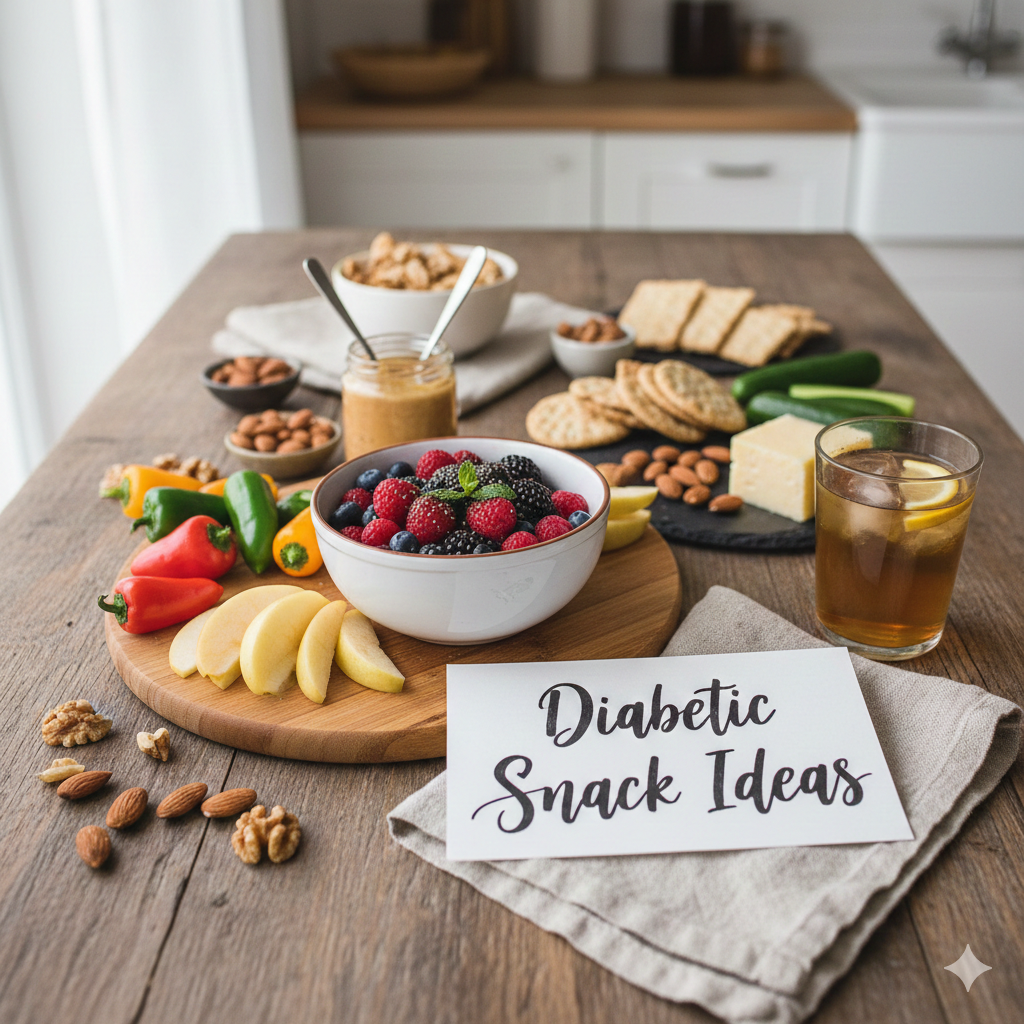
Smart & Satisfying: The Ultimate Guide to Diabetic Snack Ideas
The clock strikes 3:00 PM. Your stomach rumbles, and your energy levels begin to dip. In the past, this might have been the moment you reached for a bag of chips or a candy bar. But when you are managing diabetes, snacking isn’t just about quelling hunger—it is a strategic maneuver. It is about balancing blood sugar, preventing the dreaded “crash,” and fueling your body without sending your glucose monitor into a frenzy.
Finding the right diabetic snack ideas can feel like navigating a minefield. You want something delicious, but you need something safe. The fear of a blood sugar spike often leads people to skip snacks entirely, which can backfire by causing hypoglycemia or leading to overeating at the next meal. Whether you are following a 1-day simple diabetic menu or a comprehensive 30-day diabetic menu, snacks are the bridges that connect your main meals.
In this extensive guide, we will move far beyond plain celery sticks. We will explore high-protein powerhouses, savory crunch satisfiers, and even sweet treats that won’t wreck your A1C. We will cover snack timing, glycemic index awareness, how to decode nutrition labels, what to eat when blood sugar drops, and even how to snack smartly while traveling or on a budget. This is the most comprehensive diabetic snacking resource you’ll find anywhere.
The Anatomy of a Blood-Sugar-Friendly Snack
Not all snacks are created equal. For a person with diabetes, the ideal snack serves a specific physiological function: it provides satiety (fullness) and stable energy release. The golden rule of diabetic snacking is The Pairing Principle.
The Pairing Principle
Never eat a “naked” carbohydrate. If you eat an apple alone, your blood sugar may rise sharper than you’d like. However, if you pair that apple (carbohydrate/fiber) with a handful of walnuts (healthy fat/protein), the digestion of the sugar is slowed down significantly.
- Carbohydrates: Provide quick energy—choose complex carbs like whole grains, fruits, and veggies.
- Protein & Fats: Act as the “brakes” for digestion, keeping glucose levels steady.
- Fiber: Slows glucose absorption, feeds gut bacteria, and improves insulin sensitivity over time.
Understanding this balance is crucial, especially if you are dealing with insulin resistance. A dedicated menu for insulin resistance relies heavily on this pairing method to improve metabolic flexibility. The goal is not zero carbohydrates—it is choosing the right carbohydrates and never consuming them in isolation.
Understanding Glycemic Index & Glycemic Load
One of the most powerful tools in a diabetic’s nutritional toolkit is understanding the Glycemic Index (GI) and its more practical sibling, the Glycemic Load (GL). These two numbers tell you far more than a simple carbohydrate count ever could.
What Is the Glycemic Index?
The Glycemic Index ranks foods on a scale of 0 to 100 based on how quickly they raise blood glucose compared to pure glucose (which scores 100). Foods are classified as:
Low GI (0–55)
Slow, gradual rise in blood sugar. Best for diabetics.
Medium GI (56–69)
Moderate rise. Okay in controlled portions.
High GI (70+)
Rapid spike. Best avoided or consumed with protein/fat.
What Is Glycemic Load?
GI has a critical flaw: it doesn’t account for portion size. A watermelon has a high GI (80), but a typical serving contains so few digestible carbs that its effect on blood sugar is actually modest. That’s where Glycemic Load comes in. GL = (GI × grams of carbs per serving) ÷ 100. A GL under 10 is considered low.
Practical GI & GL Reference for Common Snacks
| Snack | GI Score | Typical GL | Verdict |
|---|---|---|---|
| Almonds (1 oz) | 0 | 0 | Excellent |
| Blueberries (½ cup) | 53 | 4 | Excellent |
| Apple (medium) | 38 | 6 | Good |
| Air-Popped Popcorn (3 cups) | 55 | 6 | Good |
| Whole Wheat Crackers (5) | 59 | 10 | Moderate |
| Banana (medium) | 51 | 13 | Portion Control |
| Rice Cakes (plain, 2) | 82 | 17 | Pair with Protein |
| Pretzels (1 oz) | 83 | 20 | Avoid |
Choosing snacks by glycemic load rather than just carbohydrate content gives you a far more accurate picture of how a snack will behave inside your body. Make this framework your new default lens when evaluating any packaged or whole-food snack.
High-Protein Powerhouses
Protein is the most satiating macronutrient. It curbs appetite hormones and has a minimal impact on blood glucose. If you are following a high protein diabetic menu, these snacks are essential staples.
1. Hard-Boiled Eggs
Nature’s perfect portable snack. One large egg contains about 6 grams of protein and zero carbs. Sprinkle with a little paprika or “Everything but the Bagel” seasoning for flavor without a sodium spike. Boil a batch on Sunday and keep them in the fridge for the week.
2. Greek Yogurt (Unsweetened)
Greek yogurt contains nearly double the protein of regular yogurt. Opt for plain varieties to avoid hidden sugars. You can sweeten it naturally with a few drops of stevia or a small handful of blueberries. The probiotics also support gut health, which is increasingly linked to metabolic control and insulin sensitivity.
3. Cottage Cheese
Often overlooked, cottage cheese is a nutritional superstar. Half a cup provides roughly 13 grams of protein. It pairs beautifully with savory toppings like cherry tomatoes and cucumber, or sweet toppings like cantaloupe. Low-fat versions reduce saturated fat without sacrificing protein content significantly.
4. Canned Tuna or Salmon
Single-serve pouches of tuna or salmon are excellent for on-the-go snacking. They provide Omega-3 fatty acids which are vital for heart health—a major consideration since diabetics are at higher risk for cardiovascular issues. Pair with whole-grain crackers or cucumber slices.
5. Edamame
Half a cup of shelled edamame provides 9 grams of protein, 4 grams of fiber, and only 7 grams of net carbohydrates. It’s one of the rare plant foods that delivers a complete amino acid profile. Sprinkle with sea salt and enjoy warm or chilled. This is a particularly underutilized gem in the diabetic snack world.
6. String Cheese
A single stick of part-skim mozzarella delivers about 7 grams of protein for just 80 calories, with nearly zero carbohydrates. It’s shelf-stable for several hours, making it a nearly perfect portable option. Pair with a few cherry tomatoes or a small apple for a complete snack.

Jack Link’s Zero Sugar Beef Jerky
A convenient, high-protein snack with absolutely no added sugar, perfect for keeping in your desk drawer or gym bag.
Check Price on AmazonSavory & Crunchy (The Chip Alternatives)
Missing potato chips is a common grievance. The craving for “crunch” is often more about texture than taste. Here are alternatives that fit perfectly into a low carb weekly diabetic menu.
1. Nuts and Seeds
Almonds, walnuts, pistachios, and pumpkin seeds are nutrient-dense bombs of healthy fats and fiber. However, they are calorie-dense. A standard serving is about 1 ounce (roughly 23 almonds). Pre-portioning these into small bags is a great strategy for a 1500 calorie diabetic menu.
2. Roasted Chickpeas
Chickpeas are legumes rich in fiber. When roasted with olive oil and spices—cumin, chili powder, garlic—they become incredibly crunchy. They provide a “slow carb” release that keeps energy stable. Make a large batch and store in an airtight container for up to five days.
3. Vegetable Crudités with Hummus
Raw broccoli, cauliflower, bell peppers, and snap peas offer a satisfying snap. Hummus provides the fat and protein pairing. Just be mindful of the portion size of the hummus, as it is easy to overeat. Stick to 2–3 tablespoons per serving.
4. Popcorn
Yes, popcorn is a whole grain! Air-popped popcorn is surprisingly low in calories and high in fiber. Three cups of air-popped popcorn have about 15–18 grams of carbs. Avoid movie theater butter; use olive oil spray and nutritional yeast for a cheesy flavor without the dairy.
5. Seaweed Snacks
Roasted seaweed sheets are incredibly low in calories and carbohydrates—a full pack typically has only 1–2 grams of net carbs. They deliver iodine, a mineral often lacking in modern diets, and provide that satisfying salty crunch without any guilt. Several brands are widely available at major grocery stores.
6. Lupini Beans
Popular in Mediterranean cultures, lupini beans are high in protein, high in fiber, and extraordinarily low in net carbs. They are brined and eaten straight from the pod. A half-cup serving provides roughly 13 grams of protein with minimal blood sugar impact—an excellent chip-night alternative.
Sweet Treats Without the Spike
Having diabetes doesn’t mean you must banish sweetness forever. It requires choosing ingredients that satisfy the sweet tooth without flooding the bloodstream with glucose. This is a core concept of any low sugar diabetic weekly menu.
1. Berries
Strawberries, raspberries, blackberries, and blueberries have the lowest glycemic index of all fruits. They are packed with antioxidants and fiber. A cup of raspberries has only 7 grams of net carbs—one of the best sweet options you can choose.
2. Chia Seed Pudding
Chia seeds absorb liquid and turn into a gel-like consistency resembling pudding. Mix 2 tablespoons of chia seeds with half a cup of almond milk, a drop of vanilla, and let it sit overnight. It’s rich in Omega-3s, fiber, and provides a satisfyingly thick texture that feels genuinely indulgent.
3. Dark Chocolate
Choose chocolate with at least 70% cocoa content. It contains less sugar and more antioxidants (flavonoids) than milk chocolate. A small square (about 1 ounce) can satisfy a craving effectively. Research suggests that the flavonoids in dark chocolate may also help improve insulin sensitivity over time.
4. Apple Slices with Peanut Butter
The classic combination. Ensure you use natural peanut butter (ingredients should just be peanuts and salt) to avoid added hydrogenated oils and sugar. The fiber in the apple and the fat in the peanut butter work together to slow glucose absorption significantly.
5. Frozen Yogurt Bark
Spread unsweetened Greek yogurt onto a parchment-lined baking sheet, top with berries and a drizzle of almond butter, and freeze for two hours. Break into pieces and store in a freezer bag. This trick gives you ice-cream-like satisfaction with a fraction of the sugar impact. It is also visually appealing enough that you’ll forget you’re making a “health” food.

ChocZero Keto Bark – Dark Chocolate Almonds
Sugar-free, low-carb dark chocolate bark sweetened with monk fruit. A guilt-free way to enjoy chocolate.
Check Price on AmazonEmergency Snacks for Low Blood Sugar (Hypoglycemia)
Not all diabetic snacking is about preventing high blood sugar—sometimes the opposite problem emerges. Hypoglycemia (blood sugar below 70 mg/dL) is a medical emergency that requires fast-acting carbohydrates, not the slow-release foods that work well for preventing spikes.
⚠️ The 15-15 Rule
When blood sugar drops below 70 mg/dL: consume 15 grams of fast-acting carbohydrates, wait 15 minutes, then recheck. If still below 70, repeat. Once blood sugar stabilizes, follow up with a protein-containing snack to prevent a rebound drop.
Fast-Acting Carbohydrate Sources (15g Portions)
- 4 glucose tablets (specifically designed for hypoglycemia)
- 4 oz (½ cup) of regular fruit juice or regular soda (not diet)
- 1 tablespoon of honey or sugar dissolved in water
- 6–7 hard candies (check the label for gram equivalents)
- 1 tube of glucose gel (available at pharmacies)
What to Eat After a Low
Once your blood sugar has returned to a safe range, eating a small snack containing both a complex carbohydrate and protein helps stabilize your levels and prevents a second drop. A half-sandwich on whole wheat bread with turkey, or a small bowl of oatmeal with almond butter, are ideal follow-up options.
Important Note
If you experience frequent hypoglycemia, this is a signal to speak with your healthcare provider or endocrinologist. It may indicate a need to adjust medication dosages, meal timing, or physical activity patterns. Never rely on snacking alone to manage recurring lows.
How to Read Nutrition Labels Like a Diabetic
The nutrition label on every packaged food is a goldmine of information—if you know what to look for. Many people with diabetes default to checking “Total Carbohydrates,” but that’s only one piece of the puzzle.
The Five Numbers That Matter Most
- Total Carbohydrates: Your starting point. This includes all forms of carbs in the food.
- Dietary Fiber: Subtract this from total carbs to get “net carbs.” Fiber does not significantly raise blood sugar. A snack with 20g carbs and 8g fiber has only 12g net carbs.
- Total Sugars vs. Added Sugars: Total sugars include naturally occurring sugars (like in fruit). Added sugars are what manufacturers put in. Aim for snacks with 5g or less added sugars per serving.
- Serving Size: This is the most deceptive number on the label. A bag of crackers might say “100 calories” but the serving size is just 6 crackers. Always confirm how much you are actually eating.
- Protein Content: Look for snacks with at least 5–7 grams of protein to ensure satiety and blood sugar stability.
Ingredients That Signal “Hidden Sugar”
Manufacturers disguise added sugars under many names. If you see any of these in the first five ingredients, put the product down:
Syrup Variations
Corn syrup, rice syrup, malt syrup, maple syrup, agave nectar
“-ose” Endings
Fructose, dextrose, maltose, sucrose, galactose
Concentrates
Fruit juice concentrate, evaporated cane juice, cane crystals
Other Names
Molasses, muscovado, turbinado, barley malt, coconut sugar
Safe sweeteners that have minimal blood sugar impact include stevia, monk fruit (luo han guo), erythritol, and allulose. These are found in many diabetic-friendly packaged snacks and are generally considered safe in moderate quantities.
Snack Timing & Meal Frequency
When you eat can be just as important as what you eat. Snack timing strategy varies depending on whether you take insulin, use oral medications, or manage with diet and lifestyle alone.
Should Diabetics Snack Between Every Meal?
Not necessarily. The old advice of “eat every 2–3 hours” was popular for decades, but research has shifted. For people managing Type 2 diabetes with diet alone or with metformin, eating fewer, larger meals is often more effective at improving insulin sensitivity than grazing throughout the day. The critical point is to work with your body’s natural hunger signals rather than eating on a rigid schedule out of fear.
However, if you use insulin or sulfonylureas—medications that can cause hypoglycemia—having a planned snack between meals is often medically important to prevent dangerous drops. Discuss the right meal frequency with your healthcare team.
Strategic Snack Windows
| Time Window | Purpose | Best Snack Type |
|---|---|---|
| Mid-morning (10–11 AM) | Bridge gap between breakfast & lunch | Protein + fiber (Greek yogurt, nuts) |
| Mid-afternoon (2–4 PM) | Prevent energy crash, avoid vending machine | Protein + fat (cheese, almonds, jerky) |
| Pre-workout | Fuel performance without a spike | Moderate carb + protein (banana + PB) |
| Post-workout | Muscle repair, replenish glycogen | Protein-forward (cottage cheese, tuna) |
| Bedtime | Prevent overnight drops or dawn phenomenon | Protein + fat (eggs, cheese, PB) |
Pre & Post-Workout Snacks for Diabetics
Exercise is one of the most powerful tools for managing blood sugar. When your muscles contract, they can absorb glucose from the bloodstream without insulin—essentially acting as a natural blood sugar lowering mechanism. But exercise also creates unique snacking considerations.
Before Exercise
Blood sugar should ideally be between 100–250 mg/dL before starting moderate exercise. If you are below 100 mg/dL, a small pre-workout snack containing 15–30g of carbohydrates is recommended to prevent hypoglycemia mid-activity.
- Light Cardio (30 min or less): Often no snack needed if blood sugar is in range.
- Moderate Exercise (30–60 min): Half a banana or a small apple (15g carbs).
- Intense or Long-Duration Activity: More substantial snack—fruit + protein combination (e.g., banana + peanut butter).
After Exercise
Post-workout, your muscles are primed to absorb glucose for glycogen replenishment. For most diabetics, blood sugar tends to decrease during and shortly after exercise. A protein-forward snack within 30–60 minutes of finishing supports muscle recovery without causing a spike:
- Cottage cheese with cucumber slices
- A protein shake blended with almond milk and spinach
- Hard-boiled eggs with a small amount of whole-grain crackers
- Tuna on a few whole-wheat crackers
Important for Insulin Users
Blood sugar can actually drop for up to 24 hours after intense exercise. If you use insulin, monitor closely and discuss exercise-specific adjustments with your endocrinologist. Never skip blood sugar monitoring around exercise sessions.
Budget-Friendly Diabetic Snack Ideas
One of the most frustrating misconceptions about eating well with diabetes is that it’s expensive. While specialty “diabetic” products at health food stores can cost a fortune, the reality is that some of the best blood-sugar-friendly foods are also among the most affordable in your grocery store.
The Best Bang-for-Buck Diabetic Snacks
| Snack | Approximate Cost | Servings | Cost per Serving |
|---|---|---|---|
| Eggs (dozen) | ~$3.00 | 12 | ~$0.25 |
| Canned chickpeas | ~$1.20 | 3–4 | ~$0.35 |
| Peanut butter (16 oz) | ~$3.50 | ~30 tbsp | ~$0.12 |
| Frozen edamame (1 lb bag) | ~$3.00 | ~6 | ~$0.50 |
| Cottage cheese (2 lb tub) | ~$4.00 | ~8 | ~$0.50 |
| Carrots (2 lb bag) | ~$1.50 | ~10 | ~$0.15 |
| Canned tuna (5 oz) | ~$1.50 | 2 | ~$0.75 |
| Bulk almonds (1 lb) | ~$7.00 | ~16 | ~$0.44 |
Smart Grocery Shopping Tips
- Buy nuts in bulk from warehouse stores or online—they freeze beautifully and last months.
- Shop the store-brand versions of Greek yogurt, cottage cheese, and canned fish. The nutritional profiles are virtually identical to premium brands.
- Stock up on frozen vegetables and fruits (no sugar added). They are often cheaper than fresh and just as nutritious because they’re frozen at peak ripeness.
- Dried lentils and beans are among the cheapest high-fiber, blood-sugar-friendly foods on the planet. A cup of cooked lentils costs roughly $0.20 and provides 18g of protein.
Traveling with Diabetes: On-the-Go Snacks
Airports, road trips, and hotel rooms are notorious for limited healthy food options. A little planning prevents the panic eating that derails blood sugar control during travel. Whether you’re flying across continents or driving cross-country, these strategies keep you fueled and stable.
TSA-Friendly Carry-On Snacks
- Individually wrapped nut butter packets (Justin’s, Barney Butter) — no liquid restrictions apply
- Beef or turkey jerky — high protein, shelf-stable for days
- Individual packs of mixed nuts or trail mix (watch dried fruit content)
- Protein bars — look for <5g added sugar, 10+ grams protein (RXBARs, Quest Bars)
- Whole fruit: apples, oranges, bananas for longer trips
- Single-serve packets of olives or cheese crisps
- Seaweed snack packs — incredibly light and TSA-friendly
Hotel Room Snacking
Many hotels have mini-fridges. Call ahead and request one if diabetes management is a concern—this is often provided at no charge as a medical accommodation. Stock it with Greek yogurt cups, string cheese, fresh berries, and hard-boiled eggs from a nearby grocery store shortly after arrival. This small investment saves both money and blood sugar stability throughout the trip.
Road Trip Cooler Kit
A small insulated cooler is a game-changer for road tripping with diabetes. Pack it with: cut vegetables and hummus, cheese sticks, hard-boiled eggs, canned fish, unsweetened iced tea, and a handful of whole fruit. Add an ice pack and this kit keeps for up to 8 hours, completely eliminating dependence on gas station convenience stores.
Diabetic-Friendly Smoothies & Drinks
Liquid calories are one of the easiest ways to inadvertently spike blood sugar. Most commercial smoothies—even “green” ones—are loaded with high-GI fruit juices, added honey, and sometimes even sorbet. Building a blood-sugar-friendly smoothie at home is simple when you know the formula.
The Diabetic Smoothie Formula
Base (low-carb liquid): Unsweetened almond milk, coconut milk, or cold brew green tea
Protein (essential): Plain Greek yogurt, unsweetened protein powder, or silken tofu
Fat (stabilizer): Almond butter, avocado, chia seeds, or flaxseed
Low-GI fruit (color & flavor): Frozen berries, half a small banana, or mango (small amount)
Extras (optional): Spinach (tasteless, massive nutrition boost), cinnamon (may help insulin sensitivity), turmeric
Three Smoothies Worth Making
Berry Protein Blast: 1 cup unsweetened almond milk + ½ cup frozen raspberries + ¾ cup plain Greek yogurt + 1 tbsp almond butter + 1 tsp chia seeds. Approximately 18g protein, 14g net carbs.
Green Power Smoothie: 1 cup unsweetened coconut milk + 1 large handful spinach + ½ avocado + ½ cup frozen blueberries + 1 scoop unflavored protein powder. Approximately 25g protein, 11g net carbs.
Cinnamon Roll Smoothie: 1 cup unsweetened almond milk + ½ cup cottage cheese + ½ tsp cinnamon + 1 tsp vanilla + 1 tbsp flaxseed + a few drops of stevia. Approximately 20g protein, 6g net carbs.
Drinks That Help (and Hurt)
| Drink | Blood Sugar Impact | Notes |
|---|---|---|
| Water (still or sparkling) | None | Best option, always |
| Unsweetened green/black tea | Minimal | May improve insulin sensitivity |
| Black coffee | Low (varies per person) | Can raise cortisol, monitor individually |
| Diet soda (artificial sweeteners) | Minimal short-term | May affect gut microbiome; use sparingly |
| Kombucha (low sugar varieties) | Moderate | Choose brands with <5g sugar per serving |
| Regular fruit juice | High spike | Avoid — even 4 oz is very high GI |
| Sports drinks | Very high | Only appropriate for severe hypoglycemia |
Snacks for Diabetics with High Blood Pressure
Hypertension and diabetes frequently coexist—a condition sometimes called “the deadly duo.” Managing both requires not only watching carbohydrates but also monitoring sodium intake. The American Diabetes Association recommends less than 2,300mg of sodium per day for most adults with diabetes.
High-Sodium Snacks to Limit
- Salted nuts (swap for unsalted or lightly salted)
- Commercial beef jerky (often 600–900mg sodium per serving—check labels)
- Canned fish (choose “no salt added” versions when possible)
- Pickles (high in sodium, though low in carbs)
- Most packaged crackers and chips
DASH-Friendly Snack Choices
The DASH (Dietary Approaches to Stop Hypertension) diet overlaps well with diabetic eating principles. Foods high in potassium, magnesium, and calcium help lower blood pressure naturally:
- Unsalted almonds: Rich in magnesium, which supports healthy blood pressure.
- Avocado slices: High in potassium (more per serving than a banana).
- Non-fat plain yogurt: Excellent calcium source; avoid flavored versions.
- Leafy green smoothies: Spinach and kale provide magnesium and folate.
- Celery: Contains phthalides, compounds that may help relax arterial walls.
- Unsweetened oat-based snacks: Beta-glucan fiber is clinically linked to blood pressure reduction.
Mediterranean-Inspired Diabetic Snacks
The Mediterranean diet is consistently ranked among the top eating patterns for diabetes management. It emphasizes whole, minimally processed foods, healthy fats from olive oil, legumes, and fish, and moderate amounts of complex carbohydrates. Incorporating Mediterranean-inspired snacks into your routine is one of the tastiest approaches to blood sugar control.
Top Mediterranean Snacks for Blood Sugar Control
Olives
A small bowl of mixed olives is near-perfect for blood sugar management: essentially zero carbohydrates, rich in oleic acid (the same heart-healthy fat found in olive oil), and intensely satisfying due to their brine and umami flavor. Keep a jar at your desk.
Tzatziki with Cucumber
Homemade tzatziki—made from plain Greek yogurt, cucumber, garlic, lemon, and dill—is a high-protein dip with minimal carbs. Pair with cucumber rounds, bell pepper strips, or a small amount of whole-grain pita. It’s refreshing, filling, and protein-rich.
Stuffed Mini Peppers
Fill mini sweet bell peppers with a mixture of ricotta cheese, fresh herbs, and a drizzle of olive oil. These two-bite snacks are visually appealing, low in carbs, and provide a satisfying combination of crunch, creaminess, and savory flavor.
Sardines on Whole-Grain Crackers
Sardines are one of the richest sources of Omega-3 fatty acids among all foods. A small can provides substantial protein, calcium (when eaten with bones), and vitamin D. While their flavor is bold, sardines packed in olive oil with a squeeze of lemon on a few whole-grain crackers make for a genuinely satisfying and diabetes-supportive snack.
Roasted Almonds with Rosemary
Toss whole raw almonds in a small amount of olive oil, fresh rosemary, and a pinch of sea salt. Roast at 350°F for 10–12 minutes. The result is an herb-forward, sophisticated snack that satisfies both the craving for crunch and the need for healthy fats and protein.
Mindful Eating & Portion Control for Diabetics
You can choose all the right foods and still send your blood sugar soaring if portion control is absent. Mindful eating—paying full attention to the experience of eating, including hunger and fullness cues—is an underutilized but highly effective strategy for people managing diabetes.
The Problem with Distracted Eating
Eating while watching TV, scrolling on your phone, or working at a computer disconnects you from satiety signals. Studies consistently show that distracted eating leads to consuming 25–50% more calories and carbohydrates per sitting than focused eating. When you’re distracted, you also tend to eat faster, which prevents the 15–20 minutes it takes for the “fullness signal” to reach your brain.
Practical Portion Control Tools
- Pre-portioning: Never eat directly from a bag or container. Measure your portion, put the rest away, then sit down to eat.
- Small bowls: The visual illusion of a full smaller bowl satisfies psychologically more than a partially filled large bowl.
- The “pause and check” method: After eating half your snack, put it down for two minutes and assess your hunger level. Often you’ll find you’re satisfied before finishing.
- Measuring spoons for nut butters: Peanut and almond butter are notoriously difficult to eyeball. Use a measuring spoon—1 tablespoon vs. 3 tablespoons is a 300-calorie and 24g carb difference.
- Food scale for nuts: A single serving of almonds (1 oz) looks deceptively small. A cheap kitchen scale removes all guesswork.
Hunger vs. Appetite: Know the Difference
True physical hunger builds slowly and can be satisfied with any food. Appetite—driven by emotion, habit, or environment—strikes suddenly and craves specific foods, usually highly processed ones. Before reaching for a snack, pause and ask: “Am I genuinely hungry, or am I bored/stressed/tired?” This single habit can prevent hundreds of unnecessary carbohydrate grams per week.
Snacking for Specific Needs
Diabetes management is rarely “one size fits all.” Many individuals deal with concurrent health issues or life stages that require tailored advice.
Seniors and Chewing Difficulties
As we age, dental health can impact nutrition. For those needing a diabetic menu for elderly with no teeth, snacks like sugar-free smoothies, soft cheeses, mashed avocado, and unsweetened applesauce are vital. Nutrient density is key here, especially for those on a diabetic menu for seniors where appetite might be reduced.
Kidney Health (Renal Diet)
If you are managing diabetic nephropathy, you must watch potassium and phosphorus. A renal diabetic meal plan would restrict high-potassium snacks like bananas, avocados, and certain nuts. Instead, opt for apples, berries, rice cakes, and unsalted popcorn.
Pregnancy (Gestational Diabetes)
During pregnancy, strict blood sugar control is essential for the baby’s safety. A diabetic menu for pregnant women often includes a mandatory bedtime snack to prevent ketosis overnight. Greek yogurt with seeds or a small turkey sandwich on whole wheat bread are excellent choices.
Teens and Active Youth
Teenagers have high energy needs for growth and sports. A diabetic menu for teenagers should include heartier snacks like half a turkey wrap, cheese quesadillas on low-carb tortillas, or homemade protein bars to sustain them through practice.
Mastering Snack Prep: Fail to Plan, Plan to Fail
The easiest way to make a bad decision is to be hungry without a plan. Just as you might organize a weekly diabetic meal plan, you should prep your snacks.
- Sunday Prep: Cut up veggie sticks (store them in water to keep them crisp), boil a dozen eggs, and portion out nuts into small baggies.
- The Emergency Stash: Keep non-perishable snacks in your car, purse, or desk drawer. Beef jerky, almonds, or glucose tablets (for lows) should always be within reach.
- Working Adults: If you are following a diabetic menu for working adults, consider a bento-box style snack box for the office. It prevents the vending machine temptation.
Quick Comparison: Homemade vs. Store-Bought Bars
| Feature | Homemade Protein Bar | Store-Bought (Typical) |
|---|---|---|
| Cost | Low (~$0.50/bar) | High ($2.00+/bar) |
| Sugar Content | Controlled (Stevia/Monkfruit) | Often hidden syrups/dates |
| Additives | None | Preservatives & gums |
| Convenience | Requires Prep Time | Grab and Go |
The Truth About Bedtime Snacking
Should you eat before bed? It depends on your blood sugar trends. Some people experience the “Dawn Phenomenon,” where blood sugar rises in the early morning. A small, protein-rich snack before bed can sometimes help stabilize this.
Good options include a slice of cheese, a handful of almonds, or a tablespoon of peanut butter. Avoid high-carb snacks at night, as they will almost certainly lead to high morning numbers. If you are on a strict calorie budget, like the 1200 calorie diabetic menu, save 100 calories specifically for this window if you tend to wake up hungry.
Type 1 vs. Type 2: Do Snack Strategies Differ?
While the fundamental principles of blood-sugar-friendly snacking apply to all forms of diabetes, there are meaningful differences in how people with Type 1 and Type 2 should approach snacking—primarily related to medication type and hypoglycemia risk.
Type 1 Diabetes
In Type 1, the pancreas produces no insulin. All glucose management depends on injected or pumped insulin. Every snack must be accounted for in the insulin calculation (carb ratio). People with Type 1 face significant hypoglycemia risk—especially around exercise, alcohol consumption, and during sleep—making planned snacks a frequent medical necessity rather than optional. Common scenarios requiring a snack include: blood sugar below 100 mg/dL before driving, before exercise, or before sleeping.
For Type 1, the carbohydrate count of every snack must be precise. Estimating “a small handful of grapes” is insufficient—weighing or measuring is essential. Many Type 1 individuals use continuous glucose monitors (CGMs) that allow them to see blood sugar trends in real time, which informs snack decisions with much greater accuracy.
Type 2 Diabetes
In Type 2, the body either doesn’t produce enough insulin or doesn’t use it efficiently. Management ranges from lifestyle-only to oral medications to insulin therapy. Those managing with diet and exercise alone have more flexibility with snack timing but should still focus on low-GI, high-fiber, protein-paired choices.
For Type 2 individuals on metformin (the most common oral medication), hypoglycemia from snacking is not a significant concern. The focus is primarily on portion control, preventing blood sugar spikes after eating, and choosing foods that support insulin sensitivity long-term. This population often benefits most from the advice on mindful eating, GI awareness, and hidden sugar recognition covered in earlier sections.
Common Ground
Despite these differences, the pairing principle, the glycemic load framework, and the avoidance of liquid sugar and processed snacks apply equally to both populations. Whether you are managing Type 1 or Type 2, the kitchen is where most of the battle is won.
Your Complete Diabetic Snack Pantry List
Stocking your pantry, fridge, and freezer with the right ingredients makes healthy snacking automatic. When your environment is set up correctly, willpower becomes nearly irrelevant—you simply reach for what’s available.
Pantry Staples (Shelf-Stable)
- Raw or dry-roasted almonds (unsalted)
- Walnuts, pecans, and cashews (unsalted)
- Natural peanut or almond butter (peanuts/almonds + salt only)
- Canned tuna, salmon, or sardines (in water or olive oil)
- Canned chickpeas or lentils
- Popcorn kernels (for air-popping)
- Chia seeds and flaxseeds
- Dark chocolate (70%+ cocoa, small bar)
- Roasted seaweed snack packs
- Sugar-free beef jerky
- Whole-grain crackers (low sodium, 15g carbs or less per serving)
- Monk fruit or stevia sweetener
Refrigerator Essentials
- Eggs (one dozen, minimum)
- Plain Greek yogurt (full-fat or 2%)
- Cottage cheese
- String cheese or part-skim mozzarella
- Hummus (store-bought or homemade)
- Pre-cut vegetable crudités (carrots, celery, bell peppers, cucumber)
- Fresh berries (or see freezer below)
- Avocado
- Olives
Freezer Stock
- Frozen edamame (no added salt)
- Frozen mixed berries (no added sugar)
- Frozen banana segments (for smoothies)
- Pre-made Greek yogurt bark portions
- Individual smoothie ingredient packs (pre-portioned)
With this pantry, you can assemble a blood-sugar-friendly snack in under two minutes at any hour of the day. The goal is to eliminate decision fatigue—when good options are within arm’s reach, the vending machine never wins.
Frequently Asked Questions
Diabetics can eat non-starchy vegetables like cucumber, celery, and leafy greens freely as they have negligible impact on blood sugar. Sugar-free gelatin and broth are also considered “free” foods.
Bananas are higher in sugar and carbs than berries. Diabetics can eat them, but portion control is vital (half a banana is a serving) and they should always be paired with a fat or protein source like peanut butter to slow sugar absorption.
Yes, natural peanut butter is excellent for diabetics. It is rich in healthy fats and protein. However, avoid processed brands with added sugar and hydrogenated oils. Limit portions to 1–2 tablespoons.
A good late-night snack contains protein and healthy fat, with very few carbs. Examples include a cheese stick, a hard-boiled egg, or a handful of walnuts. This helps prevent morning blood sugar spikes.
Yes, air-popped popcorn is a whole grain and a healthy snack. Avoid movie theater popcorn loaded with artificial butter and salt. 3 cups of air-popped popcorn contains about 15g of carbohydrates.
Snack frequency depends on your medications, activity level, and individual blood sugar patterns. Those on insulin or sulfonylureas may need 1–2 planned snacks daily to prevent lows. Those managing with diet or metformin may snack only when genuinely hungry. Always consult your healthcare provider for personalized guidance.
The best fruit snacks for diabetics are low-GI options like berries (strawberries, blueberries, raspberries, blackberries), cherries, apples, pears, and kiwi. These should always be paired with a protein or fat source. Fruits to limit include bananas, grapes, mangoes, and watermelon due to higher sugar content.
No food lowers blood sugar—only insulin or exercise can do that. However, choosing high-fiber, high-protein, low-GI snacks helps prevent blood sugar from rising in the first place. If your blood sugar is already high, drinking water, taking a walk, and contacting your healthcare provider are the appropriate steps rather than eating more food.
Conclusion: Snacking with Confidence
Diabetes does not demand a life of deprivation. It demands a life of intention. By choosing the right diabetic snack ideas, you can maintain your energy, protect your heart, and keep your blood sugar in the target range. The key takeaways from this guide are threefold: always pair carbohydrates with protein or fat, use glycemic load rather than just carbohydrate count to evaluate foods, and stock your environment so that healthy choices become automatic.
Whether the challenge you face is hypoglycemia management, snacking on a budget, eating while traveling, or navigating the grocery store’s misleading “health food” aisle—there is a solution for every scenario. The information in this guide gives you the tools. The next step is implementation.
Start small. Next time you go grocery shopping, swap the pretzels for almonds and the milk chocolate for dark chocolate. Whether you are planning a 7-day diabetic menu or just trying to get through the work week, these small changes compound into massive health victories over time.
Ready to Take Full Control of Your Diet?
Get our complete 30-day roadmap to stable blood sugar—breakfast, lunch, dinner, and snacks all planned for you.
View the 30-Day Meal Plan →
Pingback: 5 Best Peanut Butter for Diabetics: Safe Brands & Buying Tips (2026) – Best Diabetic Menu