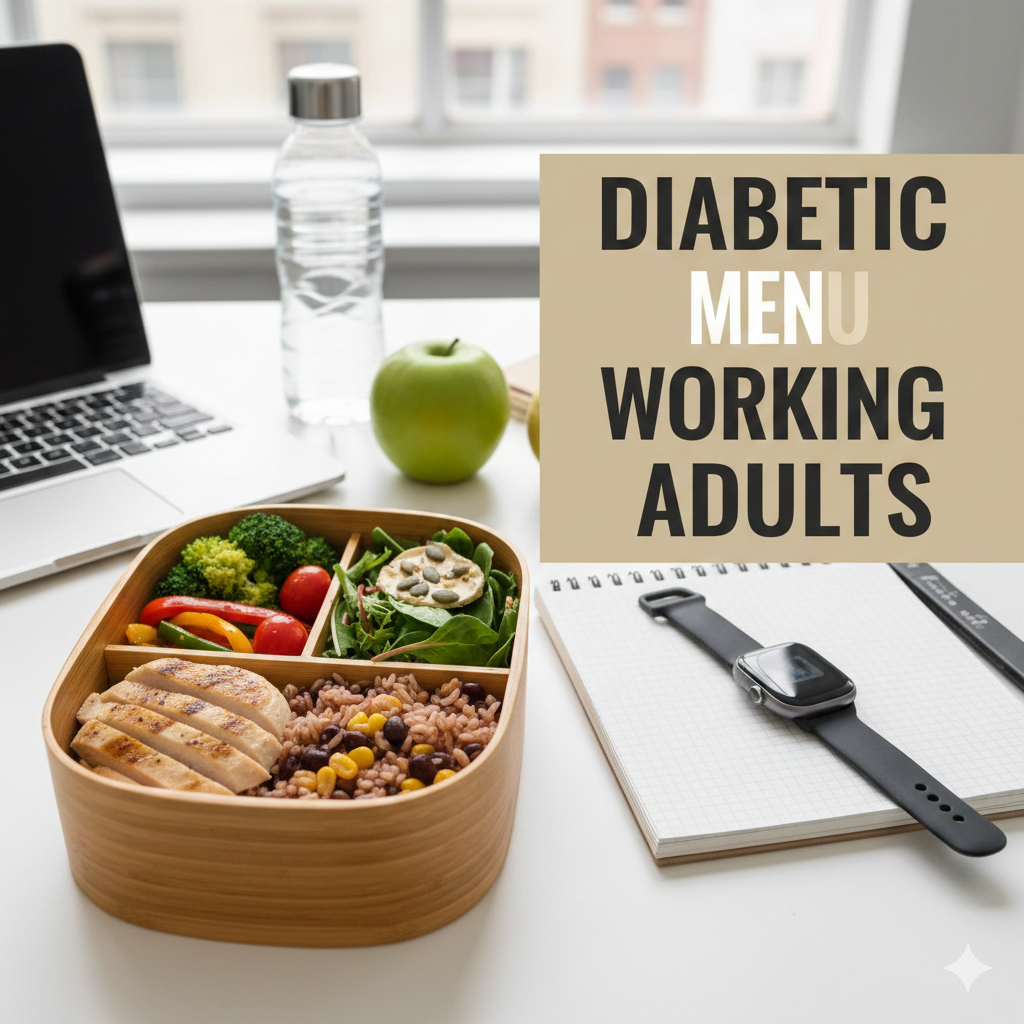
The Efficient Diabetic Menu for Working Adults: Productivity Meets Glycemic Control
Managing diabetes is a full-time job. When you add an actual 40-hour work week on top of it, things can get complicated fast. Between morning commutes, back-to-back meetings, office birthday cakes, and the dreaded 3:00 PM energy slump, maintaining stable blood sugar feels like a Herculean task. The standard corporate environment—sedentary, high-stress, and littered with ultra-processed snacks—often works against your glycemic goals.
For the working adult, a diabetic menu isn’t just about nutrition—it’s about logistics and lifestyle design. You need food that travels well, doesn’t require complex reheating, eats quickly between calls, and keeps your brain sharp without the post-lunch “carb coma.” Whether you are a corporate executive, a school teacher, a hybrid remote employee, or a shift worker, the strategy remains the same: preparation is your best defense against the vending machine and the breakroom bagels.
This guide provides a realistic, deeply practical diabetic menu for working adults. We focus on efficiency, portability, and energy stability—with an emphasis on meals that take under 15 minutes to assemble. If you are also managing a household budget, many of these tips align with our low-income diabetic menu strategies, proving that healthy work lunches don’t have to be expensive. For those easing into planning, you can also explore our 1-day simple menu to build momentum.
The “9-to-5” Survival Strategy: Eat Smart, Stay Sharp
The office environment is often hostile to diabetic health. Sedentary desks and high-stress meetings raise cortisol and blood sugar, while convenient ultra-processed foods surround you. Here is your battle plan, refined with input from nutritionists who specialize in workplace wellness.
1. The Sunday Ritual (Batch Prep for the Win)
You are tired after work. Do not rely on your Tuesday evening willpower to cook lunch for Wednesday. Spend 60-90 minutes on Sunday prepping core components: proteins (hard-boiled eggs, grilled chicken strips, cooked ground turkey), grains (quinoa, brown rice), and washed veggies. This ensures grab-and-go efficiency. Mason jar salads and bento boxes become five-minute morning tasks.
2. The “Desk Pantry” (Emergency Rations)
Never rely on the office kitchen. Keep a drawer stocked with non-perishable “safe” foods that rescue you during unexpected overtime or when the cafeteria line is full of carbs:
- Almonds or Walnuts (portion-controlled 100-calorie packs)
- Beef Jerky or Turkey Sticks (look for no added sugar)
- Canned Tuna or Salmon pouches (with pop-top lids)
- Low-carb protein bars (aim for >10g protein, <5g sugar)
- Single-serving unsweetened nut butter packets
3. The “Un-Sandwich” Lunch Philosophy
Sandwiches are the standard work lunch, but bread spikes blood sugar and causes afternoon drowsiness. We pivot to “Bento Box” styles, “Mason Jar Salads,” and lettuce-wrap roll-ups that keep you energized and focused.
If you need a structured short-term plan, check out our 3-day diabetic meal plan to get comfortable with these concepts.
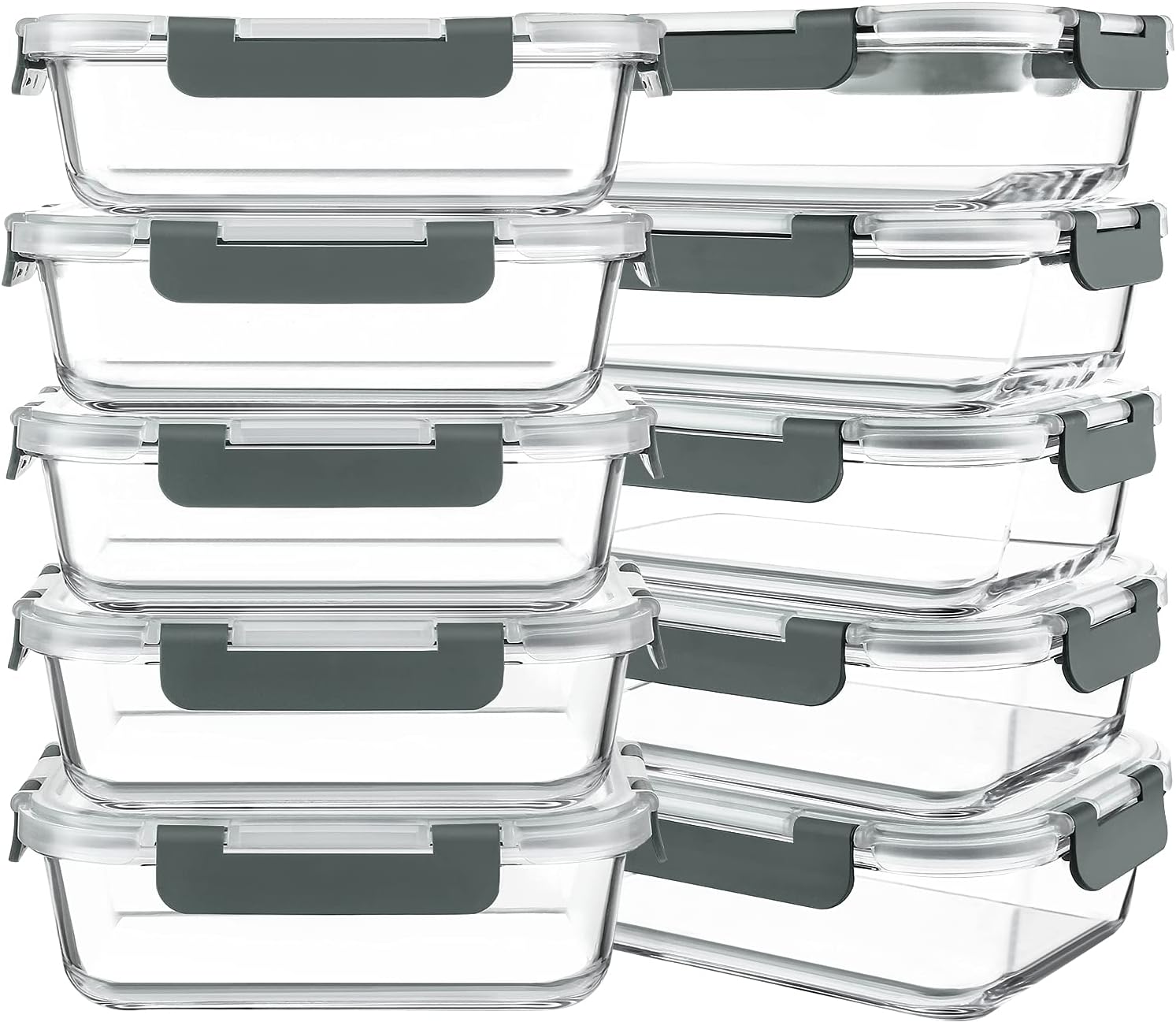
Upgrade Your Lunch Game
Ditch the stained plastic tupperware. Glass meal prep containers are microwave safe, don’t hold odors, and make your healthy lunch look appetizing — which matters when you’re trying to avoid envy over coworker’s takeout.
Check Price on AmazonThe 5-Day Work Week Menu: Real Meals for Real Schedules
This menu assumes you have a microwave available at work, but offers cold alternatives for those without. It focuses on high-protein breakfasts to prevent brain fog and moderate lunches to prevent the afternoon crash. Every dinner is designed to be ready in under 30 minutes.
The Invisible Sugar Spike: Work Stress & Your Liver
You ate your salad, you took your meds, but your blood sugar is 200 mg/dL. Why? Work stress. It’s a silent disruptor that many forget to factor into their diabetic management.
When you are stressed about a deadline, your body releases cortisol and adrenaline. These hormones signal your liver to dump stored glucose into your bloodstream for “fight or flight” energy. Since you are sitting at a desk, you don’t burn it off—resulting in stubborn hyperglycemia.
Tactics to Combat Stress-Induced Highs:
- The Walk-and-Talk: Take phone calls while walking (even pacing in a hallway). 10 minutes of movement helps muscles absorb that excess glucose.
- Hydration Breaks: Dehydration mimics stress in the body. Keep a 1-liter water bottle at your desk and aim to refill twice.
- Magnesium Rich Snacks: Consider magnesium-rich foods (spinach, pumpkin seeds, almonds) which help regulate the nervous system and blunt cortisol.
- Box breathing: Inhale 4 sec, hold 4, exhale 4. Repeat 3 times before lunch. Lowers cortisol quickly.
Brown Bag vs. Buying Lunch: The True Cost of Convenience
Is meal prepping really worth the time? Let’s look at the breakdown for a typical office worker.
| Factor | Brown Bag (Meal Prep) | Buying Lunch (Cafeteria/Fast Casual) |
|---|---|---|
| Cost per Meal | $3.00 – $6.00 | $12.00 – $18.00 (or more) |
| Carb Count Accuracy | 100% known, you control ingredients | Hidden sugars in sauces, dressings, unexpected carbs |
| Time Spent (weekly) | 90 mins Sunday prep + 5 mins daily | 15-30 mins daily waiting in line = up to 2 hours/week |
| Blood Sugar Impact | Controlled / Stable (fiber+protein balance) | Variable / High risk of post-meal spikes |
| Nutrition Transparency | Complete control over salt, fats, additives | Often high sodium, hidden sugars, industrial oils |

Keep It Cool, Professional & Fresh
A sleek, insulated lunch bag keeps your salads crisp and your insulin cool (if you carry it) without looking like a kid’s lunchbox. It also signals “healthy habits” to colleagues.
Check Price on AmazonNavigating Office Hazards with Grace
The “Birthday Cake” Situation (And Pizza Parties)
It happens every week. You don’t have to be the outcast. Use these real-world tactics:
- Strategy A: “No thank you, I’m saving room for my own treat later.” Simple, effective.
- Strategy B: Take a piece, wrap it up, and put it in the breakroom fridge “for later” — out of sight, out of mind (or toss discreetly).
- Strategy C: If pizza, eat the toppings off one slice (discard most of the crust) and have a side salad you brought. You participate without the spike.
Business Lunches & Client Dinners
When networking, you often can’t choose the restaurant. Arm yourself with these choices:
- Italian: Grilled fish or chicken with veggies, ask for sauce on side. Eat one breadstick if you must, but fill up on protein first.
- Asian: Sashimi or steamed stir-fry (sauce on side). Avoid white rice or ask for cauliflower rice substitute if available.
- Steakhouse: The easiest option. Steak and broccoli. Skip the loaded potato or share a few bites.
Shift Work & Night Owls
If you work nights, your circadian rhythm is disrupted, which can cause insulin resistance. Try to eat your “main meal” before your shift starts (e.g., 8 PM) and stick to lighter, protein-based snacks (nuts, cheese, yogurt, boiled eggs) during the night hours (1 AM – 4 AM). This prevents heaviness and blood sugar rollercoasters while you work. Stay hydrated with water, not energy drinks.
Expert Insight: The 3 p.m. Energy Fix
Many office workers experience a blood sugar dip mid-afternoon. Instead of reaching for a granola bar (often sugar disguised as health), try a “savory snack”: a small handful of almonds + a cheese stick, or ½ avocado with salt. This combination of fat and protein stabilizes glucose until dinner without the insulin spike.
For more robust planning, our 30-day diabetic menu offers a framework to build habits over time, especially helpful for those working rotational shifts.
Frequently Asked Questions: Work + Diabetes
How can I manage diabetes with a busy work schedule?
The key is preparation. Relying on cafeteria food or vending machines often leads to blood sugar spikes. Dedicating 1-2 hours on Sunday to meal prep and keeping non-perishable snacks (nuts, jerky) in your desk drawer can prevent poor choices.
What are the best diabetic-friendly fast food options for lunch?
If you are forced to eat out, opt for salad bowls with grilled protein (dressing on the side), “unwich” lettuce wraps, burger patties without the bun, or grilled chicken nuggets with side salads. Avoid fries and sugary sodas.
Does stress at work affect blood sugar?
Yes, significantly. Stress triggers the release of cortisol and adrenaline, which cause the liver to release stored glucose, raising blood sugar even if you haven’t eaten. Stress management techniques are as important as diet.
What should I keep in my desk drawer for emergencies?
Keep glucose tabs or a juice box for hypoglycemia (lows), and almonds, beef jerky, or shelf-stable cheese crisps for general hunger. This prevents you from raiding the office donut box.
How do I handle office parties and cake?
You don’t have to abstain completely, but be strategic. Eat the toppings off a pizza slice, or have a tiny sliver of cake after eating a protein-heavy lunch. Alternatively, bring a low-carb treat to share so you know there is something safe for you.
Is intermittent fasting good for working diabetics?
It can be effective for some, as it simplifies the morning routine. However, skipping breakfast can sometimes lead to liver glucose dumping (Dawn Phenomenon) or overeating at lunch. Consult your doctor before trying fasting.
What if I work shifts or night shifts?
Shift work disrupts circadian rhythms, making blood sugar harder to manage. Try to eat your main meal before the shift starts and stick to protein-heavy snacks during the night to avoid post-meal drowsiness.
Can I drink coffee at the office?
Black coffee is fine and may even have health benefits. The danger lies in creamers and sugars. Switch to heavy cream, unsweetened almond milk, or Stevia to keep your coffee diabetic-friendly.
How often should I eat to maintain energy during workday?
Most working adults benefit from three moderate meals and 1-2 small snacks. Eating every 3-4 hours prevents both hypoglycemia and extreme hunger that leads to poor vending machine choices.
What if I don’t have access to a microwave at work?
Focus on cold meal prep: grain bowls with vinaigrette, chicken salad, tuna wraps (using lettuce or low-carb tortillas), bento boxes with cheese and veggies, and protein-rich salads. Insulated containers also keep hot soups warm.
Work Smart, Eat Smarter
Being a working adult with diabetes requires a blend of discipline and forgiveness. You will have days where the meeting runs late and you inhale a granola bar for lunch, or a client takes you to a bread-heavy restaurant. That’s okay. The goal of this diabetic menu for working adults is to give you a baseline of good habits and a toolkit for the inevitable curveballs.
By preparing ahead and controlling your environment (like your desk drawer and your Sunday meal prep), you make the healthy choice the easy choice. You can crush your career goals without sacrificing your health — in fact, stable blood sugar will boost your focus and productivity. Here’s to thriving at work and at home.