
The Ultimate Diabetic Menu for Teenagers: Fueling Growth, Sports, and Life Without Blood Sugar Spikes
Being a teenager is a full-time job. Between the academic pressure, the social dynamics, sports practices, part-time jobs, and the sheer biological chaos of puberty, life is intense. Add a diagnosis of Type 1 or Type 2 diabetes to the mix, and the complexity level skyrockets. Food isn't just fuel anymore; it’s a math equation involving insulin ratios, carb counting, and timing — often while trying to fit in with friends who don't have to think twice about what they eat.
However, a diabetic menu for teenagers shouldn't look like a clinical prescription. It shouldn't be boiled chicken and steamed broccoli while friends are eating tacos. To be sustainable, a teen’s diet must be flexible, delicious, and socially adaptable. It needs to account for growth spurts, exam stress, hormonal fluctuations, and the occasional pizza night. It also must provide enough calories to fuel rapid growth and high activity levels, which can exceed 3,000 calories a day for active athletes.
This comprehensive guide is designed to empower teens and parents alike. We will move beyond the "can't eat that" mentality and focus on what you can eat to perform better in sports, ace tests, and feel great in your own skin. Whether you are looking for a quick reset like our 1-day simple diabetic menu or a long-term strategy, this guide covers the unique physiological needs of adolescence. For family members with different needs, you might also explore our diabetic menu for seniors or low-carb weekly menu for meal prep inspiration.
Why Teens Are Different: Hormones, Hunger, and High Performance
You cannot simply feed a teenager a smaller version of an adult diet. Their bodies are metabolic engines running on high gear, with unique factors that directly impact blood sugar.
The Puberty Factor: Growth Hormone vs. Insulin
During puberty, the body releases massive amounts of growth hormone (GH). While necessary for height, muscle, and bone development, growth hormone acts against insulin—it's a natural insulin antagonist. This causes a phenomenon known as physiological insulin resistance. Even a well-managed diabetic teen might see unexplained high blood sugars during a growth spurt, often requiring temporary insulin dose adjustments. Recognizing this as a normal phase, not a failure, reduces frustration.
The Caloric Demand: Fueling the Machine
Active teenagers often have caloric needs exceeding 2,500–3,000 calories a day. Restricting food too much can stunt growth, delay puberty, and lead to fatigue. The goal of this menu is nutrient density—packing those calories with quality proteins and fats rather than empty sugars. This approach supports muscle recovery after sports, mental focus during exams, and stable moods.
The Social Element: Food as Currency
Food is social currency in high school. The menu below includes "real world" foods like burgers, tacos, and pizza, but optimized with principles from our low-carb guide and practical hacks. We also address eating out, coffee shops, and parties later in this guide.
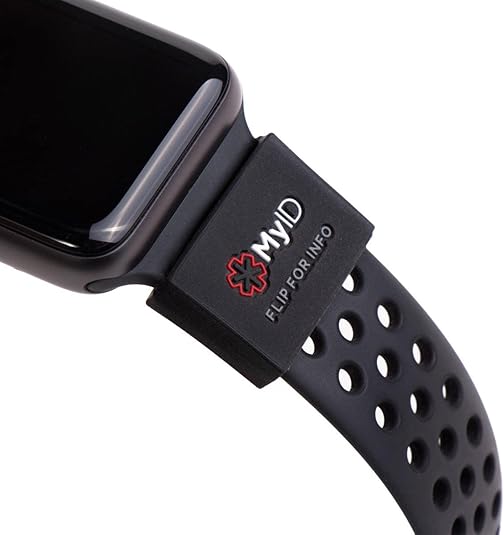
Stay Safe in Style: Medical ID Bracelets
Safety doesn't have to look medical. Modern ID bracelets look like jewelry or leather bands but carry life-saving info for coaches, teachers, and friends. Many teens prefer engraved silicone bands or stainless steel cuffs.
Check Price on AmazonThe 7-Day "Real Life" Diabetic Menu for Teens
This plan focuses on high satiety (feeling full) and steady energy. It avoids the "sugar crash" that ruins sports performance and study sessions. All meals are designed to be teen-approved and family-friendly.
Teen Diabetic Needs vs. Adult/Senior Needs
Why does this menu look different than what your parents or grandparents might eat? Here’s a side-by-side comparison:
| Factor | Teen Diabetic Menu | Senior Diabetic Menu |
|---|---|---|
| Caloric Intake | High (2000-3000+) for growth, sports, and metabolism. | Lower (1200-1600) often for maintenance and reduced activity. |
| Protein Needs | Very high (muscle synthesis, bone growth). | Moderate to high (prevent sarcopenia). |
| Meal Frequency | Frequent (3 meals + 2–3 snacks) to fuel high metabolism. | Often smaller, less frequent due to early satiety. |
| Flexibility / Social Life | High — must adapt to parties, fast food, school events. | Often structured, routine-oriented for simplicity. |
For older relatives, you can compare with our diabetic menu for seniors to cook for the whole family.

Own Your Lunch: Insulated Lunch Bag
A high-quality, non-childish lunch bag ensures your insulin stays cool and your snacks stay fresh, giving you freedom from the cafeteria line. Great for field trips, sports, and part-time jobs.
Check Price on AmazonThe Ultimate Guide to Parties, Dates, and Fast Food
You can't live in a bubble. Here is how to handle the real world with confidence.
The Coffee Shop Date
The Trap: Frappuccinos are basically milkshakes, often containing 60g+ of sugar. Even a flavored latte can have 30g.
The Fix: Order a Cold Brew, Americano, or Iced Latte with unsweetened almond milk and sugar-free syrup (vanilla/caramel). It tastes just as "fancy" but has minimal impact on blood sugar.
The Pizza Party
The Trap: Deep dish crust, breadsticks, and soda.
The Fix: Eat the toppings off a slice or two, or stick to thin crust. Avoid breadsticks entirely—they are pure starch. Drink water or diet soda. Fill up on a salad or veggies first if available.
The Burger Joint
The Trap: Combo meal with large fries and a soda.
The Fix: Get the burger, but toss the top bun (or both if you're okay without). Or eat the burger normally but swap the fries for a side salad or apple slices. Rule of thumb: choose bun or fries, not both. Bring your own zero-sugar drink if needed.
Sports Drinks
Unless you are treating a low (hypoglycemia), avoid full-sugar Gatorade. It hits the bloodstream like rocket fuel. Stick to water, or zero-sugar electrolyte drinks like Gatorade Zero or Powerade Zero. During intense exercise lasting over an hour, some carbs may be needed, but work with your endocrinologist to find your personal threshold.
School Vending Machines
Keep stash of nuts, seeds, or protein bars in your locker. If you must use vending, look for baked chips (small bag) or trail mix, and pair with water.
Expert Tips: Driving, Exams, and Independence
As teens start driving, blood sugar management becomes a legal safety issue. Always check your glucose before starting the car (keep a meter in the car). Keep "fast-acting" glucose (Skittles, juice box, glucose tabs) in the glove compartment, not just in the trunk. Hypoglycemia while driving can be life-threatening.
For exams (SATs, Finals), high blood sugar creates "brain fog," and low blood sugar causes confusion and inability to focus. Aim to run slightly higher than normal (like 120–160 mg/dL) to avoid a low during the test, but avoid the spike from sugary snacks. The "Day 4" menu above is designed specifically for cognitive focus.
Building independence: Teens should learn to order for themselves at restaurants, check their own blood sugar, and adjust insulin ratios with guidance. Practice makes perfect. If you are looking to prep for a longer duration, like a summer camp or semester abroad, our 30-day diabetic menu helps build long-term habits.
Frequently Asked Questions
Can a diabetic teenager eat pizza and burgers?
Yes, but with modifications. Thin-crust pizza loaded with veggies and protein helps reduce the carb load. For burgers, opting for a lettuce wrap or eating only half the bun, while piling on cheese and meat, helps manage blood sugar spikes. Also, eating a salad or veggie starter slows absorption.
How do growth spurts affect blood sugar in teens?
Growth hormones released during puberty act against insulin, causing "physiological insulin resistance." This means a teen might need significantly more insulin or stricter carb control during rapid growth phases compared to adults. Frequent monitoring is key.
What are the best snacks for diabetic teens during school?
The best snacks are portable, non-perishable, and protein-rich. Beef jerky, cheese sticks, nuts (almonds/walnuts), protein bars with low sugar alcohols, roasted chickpeas, and single-serving tuna pouches are excellent choices that don't require a fridge.
Should diabetic teens drink sports drinks?
Generally, no, unless treating hypoglycemia (low blood sugar) or during prolonged intense exercise. Water and electrolytes (zero sugar) are better for hydration. Sugary sports drinks cause massive spikes. Zero-sugar versions are acceptable in moderation.
How does menstrual cycle affect teenage diabetes?
Hormonal fluctuations before a period (PMS) often cause blood sugar levels to rise, requiring temporary adjustments in insulin ratios. Keeping a cycle log alongside a glucose log helps predict these patterns and preemptively adjust.
Is a low-carb diet safe for teenagers?
A moderate low-carb diet (100–150g carbs) is generally safe and effective, but extreme restriction (Keto, under 30g) should be monitored by a doctor to ensure the teen is getting enough nutrients for bone density and growth. Focus on quality carbs from veggies, fruits, and legumes.
How can teens manage peer pressure regarding food?
Empowerment is key. Teens should feel comfortable owning their choices. "I eat this way for my game performance" or "I feel trash if I eat that" are valid social excuses. Having a "safe" snack on hand at parties also helps. Role-playing at home can boost confidence.
What is the best breakfast for a diabetic teen student?
A high-protein breakfast prevents mid-morning brain fog. Egg muffins, Greek yogurt with seeds, or a protein smoothie are superior to cereal or toast, which often lead to a crash before lunch. Even leftovers from dinner work well.
Take Control of Your Game, Your Way
Diabetes is a part of your life, but it doesn't define your teenage years. By following a diabetic menu for teenagers that focuses on fueling your body rather than restricting it, you can dominate in sports, excel in school, and enjoy time with friends without anxiety.
This menu is your toolkit. Use it, adapt it, and find the foods that make you feel powerful. You've got this.