
The Ultimate Diabetic Menu for Pregnant Women: Nourishing Two Safely
Pregnancy is a journey of incredible transformation, filled with anticipation and joy. But for women managing diabetes—whether it is pre-existing Type 1 or Type 2, or the sudden onset of Gestational Diabetes Mellitus (GDM)—that joy can be mixed with anxiety about food. The old adage “eating for two” takes on a much more serious meaning when blood sugar control is the guardian of your baby’s health. Every meal becomes an opportunity to nurture fetal development while keeping glucose within a safe, narrow range.
The challenge is unique: you need enough carbohydrates to fuel your baby’s rapidly developing brain, but not so much that it spikes your blood sugar, which can lead to complications like macrosomia (a larger than average baby), preterm birth, or neonatal hypoglycemia. It is a delicate balancing act, one that requires strategy, not starvation. Furthermore, the hormonal shifts of pregnancy increase insulin resistance, especially after the first trimester, making meal timing and composition absolutely critical.
This guide provides a comprehensive diabetic menu for pregnant women that respects both your cultural preferences and medical requirements. It focuses on nutrient density, satiety, and stability—moving beyond generic advice to actionable meal plans that respect your cravings while protecting your numbers. Whether you are looking for a quick 1‑day simple diabetic menu to get started, or a longer‑term strategy, this foundation will support you week by week. For those managing other family needs, our diabetic menu for seniors might also offer cross‑generational meal ideas that work for everyone.
The Nutritional Pillars of a Diabetic Pregnancy
Understanding why you are eating certain foods helps you stick to the plan. During pregnancy, insulin resistance naturally increases due to placental hormones (human placental lactogen, estrogen, cortisol). Here is how we counter that:
1. The “Carb + Protein” Rule
Never eat a carbohydrate “naked.” If you have an apple, pair it with almond butter. If you have crackers, add cheese. Protein and healthy fats slow gastric emptying and blunt the glucose peak, leading to a smoother post‑meal curve. This synergy also keeps you fuller for longer, reducing the temptation of high‑sugar snacks.
2. Frequency Matters: 3 Meals + 3 Snacks
Large meals are difficult for a pregnant body to process, especially in the third trimester when the baby crowds the stomach. By eating smaller, frequent portions (about every 2.5–3 hours), we maintain steady energy and prevent both hypoglycemia and hyperglycemia. This structure also combats nausea, heartburn, and the mid‑afternoon energy slump.
3. Micronutrients of Importance
- Folate (400–600 mcg): Essential for the neural tube. Found in leafy greens, legumes, fortified grains, and asparagus.
- Iron (27 mg daily): Your blood volume increases by nearly 50%. Iron prevents anemia. Pair iron-rich foods (spinach, lean beef) with vitamin C (citrus, bell peppers) for absorption.
- Calcium (1000 mg): The baby will draw from your bones if intake is low. Dairy, fortified plant milks, canned salmon with bones, and broccoli are key.
- Choline & DHA: For brain development; eggs (especially yolk), salmon, and chia seeds.
While general plans like our weekly diabetic meal plan are excellent starting points, the menu below is specifically tuned for the higher protein and micronutrient needs of pregnancy, with strict attention to food safety.
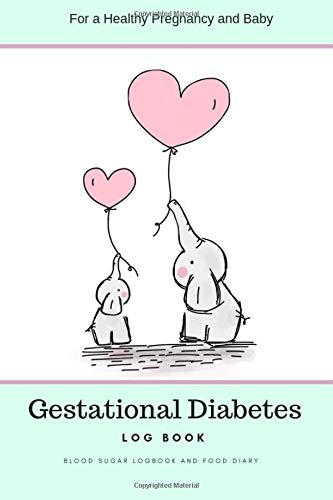
Track Your Journey: Blood Sugar Logbook
Pregnancy brain is real! A dedicated logbook helps you record meals, fasting, and post‑meal numbers to show your obstetrician or endocrinologist. Patterns become visible, making medication adjustments more precise.
Check Price on AmazonYour 7-Day Diabetic Menu for Pregnancy (Gestational Diabetes Focus)
This menu provides approximately 1,800–2,100 calories, adjustable based on your BMI and trimester. It emphasizes complex carbs, lean proteins, and healthy fats, and is designed to meet the increased needs of the second and third trimesters.
⚠️ Critical Food Safety Reminders for Pregnancy
While managing diabetes is the priority, pregnancy requires avoiding Listeria, Toxoplasma, and mercury‑containing fish. Here are updated guidelines:
- Dairy: Avoid unpasteurized soft cheeses (Brie, Camembert, Feta, blue cheese) unless cooked until steaming hot. Stick to pasteurized versions.
- Fish: Avoid high‑mercury fish: shark, swordfish, king mackerel, tilefish. Limit albacore tuna to 6 oz/week. Safe options: salmon, sardines, trout, cod.
- Meat & Eggs: Avoid undercooked meat, poultry, or eggs. Deli meats and hot dogs should be heated until steaming to kill Listeria.
- Produce: Wash all fruits and vegetables thoroughly. Avoid raw sprouts (alfalfa, radish).
- Caffeine: Limit to 200 mg/day (about one 12‑oz coffee).
Pregnancy Diabetic Diet vs. Standard Diabetic Diet
How does “eating for two” change the diabetic rules? Here’s a detailed comparison:
| Factor | Standard Diabetic Diet | Pregnancy Diabetic Diet (GDM) |
|---|---|---|
| Carbohydrate Limit | Often flexible, can go very low carb/keto (under 50g) for weight loss. | Minimums required (~175g/day) to prevent ketosis, which can affect fetal brain development. |
| Caloric Needs | Often restrictive for weight loss or maintenance. | Increased needs – about 340 extra calories/day in 2nd trimester, 450 in 3rd (from nutrient‑dense sources). |
| Fasting Glucose Goal | Typically < 100-110 mg/dL. | Stricter: < 95 mg/dL to prevent fetal macrosomia and neonatal hypoglycemia. |
| Post-Meal Goal | < 180 mg/dL (1-2 hours). | Stricter: < 140 mg/dL at 1 hour or < 120 mg/dL at 2 hours (per ACOG). |

Stay Organized: Bento‑Style Lunch Box
Snacking is non‑negotiable in pregnancy. A compartmentalized bento box helps you pack measured snacks and lunch for work, avoiding the vending machine or drive‑thru. Great for portion control and variety.
Check Price on AmazonExpert Tips: Managing Morning Sickness, Cravings & Family Dynamics
The biggest hurdles to a diabetic menu during pregnancy aren’t hunger—they are nausea, food aversions, and intense cravings. Here’s how to navigate:
Handling Morning Sickness (any time of day)
If you are nauseous, protein can be hard to stomach. However, eating carbohydrates alone will spike your sugar. Try cold foods (they have less odor) — chicken salad, cottage cheese, smoothies. Keep a few whole‑grain crackers or a rice cake at your bedside and eat one before getting out of bed. Follow up immediately (within 15–20 minutes) with a protein source like a cheese stick or a handful of nuts once the worst nausea passes.
The “Sweet” Craving Hack
You will crave sugar. It’s hormonal. Instead of fighting it until you binge, plan for it. Pair a small amount of dark chocolate (70%+) with almonds. Make a smoothie with unsweetened cocoa powder, half an avocado, almond milk, and a pinch of stevia. Freeze it into a “nice” cream. Our 7‑day menu dessert ideas can inspire safe alternatives.
Balancing Family Meals
If you are caring for others, such as aging parents, while pregnant, meal planning can be stressful. Interestingly, many of the soft, nutrient‑dense foods recommended for seniors — like those in our diabetic menu for seniors — are also excellent for pregnant women who may have heartburn or difficulty chewing due to gum sensitivity. Think mashed cauliflower, baked fish, and well‑cooked vegetables.
Frequently Asked Questions
How many carbohydrates should a pregnant diabetic eat per day?
Most guidelines suggest 175g of carbohydrates per day as a minimum for fetal brain development and to avoid starvation ketosis, but this is individual. A common breakdown is 30–45g at meals and 15–30g at snacks. Always consult your obstetrician or registered dietitian to personalize based on your glucose patterns and activity.
Is the keto diet safe during pregnancy?
Strict keto is generally not recommended during pregnancy. Ketones can cross the placenta, and their long‑term effect on the fetus is not fully understood. A balanced, moderate‑carb approach (with complex carbs) is safer than extreme restriction. If you are considering a lower‑carb approach, do so under close medical supervision.
Why is my blood sugar high in the morning?
This is often due to the “Dawn Phenomenon” — a natural release of hormones in the early morning — or a rebound from low blood sugar overnight. A bedtime snack containing protein and a small amount of complex carbs (like cheese and a few whole‑grain crackers) can help stabilize morning numbers. Checking blood sugar around 2–3 AM occasionally can clarify if you’re dropping too low.
Can I eat fruit with Gestational Diabetes?
Yes, but stick to low‑glycemic fruits like berries, cherries, green apples, and pears. Avoid fruit juices and dried fruits which concentrate sugar. Always pair fruit with a protein source (nuts, cheese, yogurt) to slow absorption.
What should I eat if I have morning sickness?
Small, frequent meals are key. Dry whole‑grain toast or crackers before getting out of bed can help. Ginger tea, cold foods (which have less smell), and tart options like lemon water are often better tolerated. If you vomit frequently, stay hydrated and speak to your provider about vitamin B6 options.
Are artificial sweeteners safe for the baby?
FDA‑approved sweeteners like Stevia, Splenda (Sucralose), and Aspartame are considered safe in moderation during pregnancy. However, focusing on whole, naturally unsweetened foods is always the healthiest choice. Avoid saccharin (often in pink packets) as it may cross the placenta.
Do I need to eat a bedtime snack?
For many pregnant women on insulin or glyburide, a bedtime snack is crucial to prevent hypoglycemia while sleeping. It also helps prevent nausea in the morning. For diet‑controlled GDM, it’s optional but can improve fasting numbers.
How does this menu differ from a standard diabetic diet?
A pregnancy menu prioritizes higher protein, iron, calcium, and folate intake. It also avoids specific food safety risks (like unpasteurized cheese or high‑mercury fish) and ensures slightly higher minimum carb thresholds for the baby’s growth and development. It’s a more nutrient‑dense approach, not just glucose control.
Empowering Your Pregnancy Journey
Managing diabetes during pregnancy is hard work, but it is the most rewarding work you will ever do. Every healthy meal you eat is a building block for your baby’s future. This diabetic menu for pregnant women is designed to take the mental load off your shoulders, letting you focus on the excitement of meeting your little one.
Stay flexible, listen to your body, and don’t strive for perfection—strive for consistency. If you need more structure as you approach your due date, consider looking into our 30‑day comprehensive guide to keep your pantry stocked and your mind at ease.