Diabetic Menu for High Cholesterol: The Ultimate Heart-Healthy Guide
Mastering the “Double Threat”: How to eat to stabilize blood sugar and unclog arteries simultaneously.
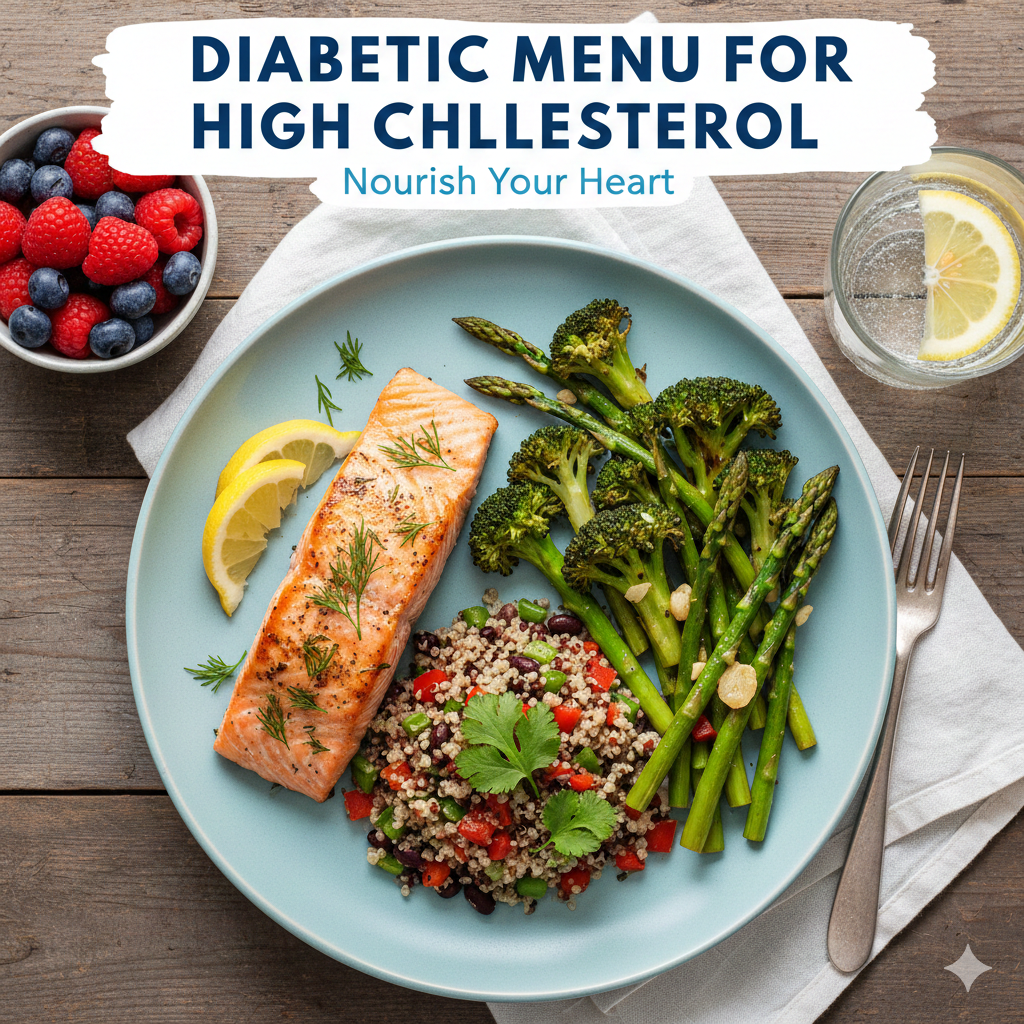
Receiving a diagnosis of Type 2 diabetes often feels overwhelming on its own. When your doctor adds “high cholesterol” (dyslipidemia) to the chart, the dietary restrictions can feel suffocating. You are told to cut carbs for your blood sugar, but also to cut fats for your heart. It creates a nutritional paradox that leaves many people standing confused in the grocery aisle, wondering if there is anything left to eat.
The good news? The intersection of these two conditions is not a dead end—it is an opportunity. The most effective heart-healthy diabetic menu focuses on abundance rather than deprivation. By prioritizing soluble fibers, lean proteins, and healthy plant-based fats, you can simultaneously lower your A1C and improve your lipid panel.
In this guide, we will break down the science of “Diabetic Dyslipidemia,” provide a comprehensive “Green Light” food list, and offer a practical 7-day meal plan that proves heart-healthy eating can be delicious.
The Diabetes-Cholesterol Connection
It is not a coincidence that these two conditions often appear together. Insulin resistance—the hallmark of Type 2 diabetes—changes how your body metabolizes fat. This condition is often called “diabetic dyslipidemia.”
Typically, this manifests as a “lipid triad”:
- High Triglycerides: The fat circulating in your blood.
- Low HDL (Good Cholesterol): The molecule that acts like a garbage truck, removing fat from arteries.
- Small, Dense LDL (Bad Cholesterol): Unlike large, fluffy LDL particles, these small particles easily penetrate arterial walls, causing plaque buildup.
To combat this, your menu must go beyond a standard low-carb weekly diabetic menu. You need a strategy that actively pulls cholesterol out of the body while keeping insulin spikes at bay.
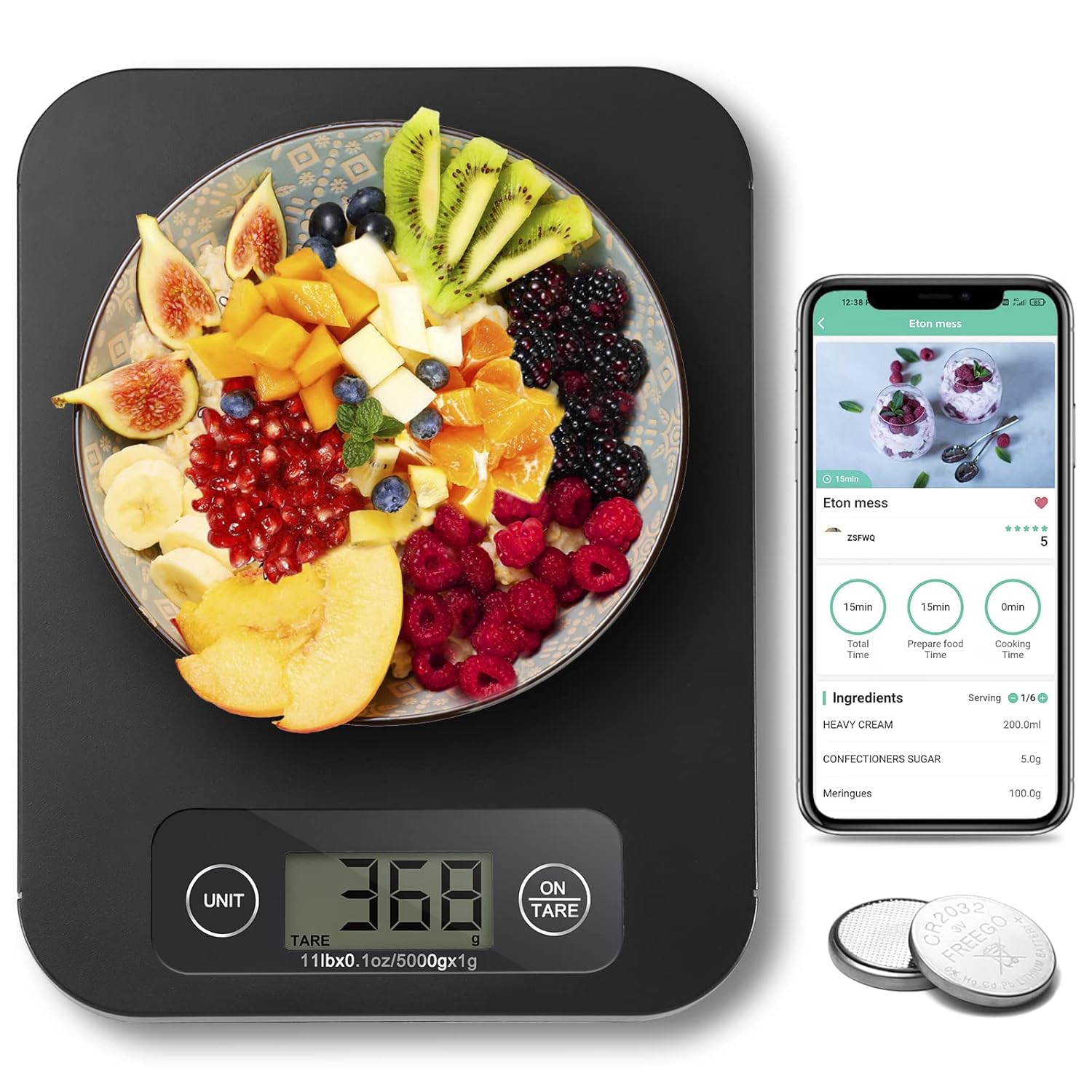
Essential Tool: Precision Digital Kitchen Scale
Portion control is critical for managing both fat intake and carbohydrate counting. A reliable scale takes the guesswork out of your serving sizes.
Check Price on AmazonCore Pillars of a Cholesterol-Lowering Diabetic Diet
Before we look at the specific menu, we need to establish the rules of engagement. If you are already following a 1500 calorie diabetic menu, these principles can be easily integrated.
1. The Power of Soluble Fiber
Soluble fiber is your secret weapon. It binds to cholesterol in the digestive system and drags it out of the body before it can enter your bloodstream. Excellent sources include oats, beans, lentils, and flaxseeds. If you need inspiration, check our high fiber diabetic meal plan.
2. Swap Fats, Don’t Just Cut Them
The 1990s era of “fat-free everything” was a disaster for diabetics because manufacturers replaced fat with sugar. Today, we know better. We want to eliminate trans fats (fried foods, processed baked goods) and reduce saturated fats (fatty beef, butter). However, we want to increase monounsaturated fats found in olive oil, avocados, and nuts.
3. Plant Sterols and Stanols
These are substances found in plants that look like cholesterol molecules. When you eat them, they compete with cholesterol for absorption in the gut, effectively blocking the bad stuff.
The “Green Light” vs. “Red Light” Food List
Navigating the grocery store requires a clear map. Use this table to build your shopping list.
| Category | Green Light (Eat Often) | Red Light (Avoid/Limit) |
|---|---|---|
| Proteins | Salmon, Sardines, Tofu, Skinless Chicken, Lentils, Egg Whites. | Bacon, Sausage, Prime Rib, Breaded/Fried Fish, Processed Deli Meats. |
| Grains | Steel-cut Oats, Quinoa, Barley, Brown Rice (in moderation). | White Bread, Sugary Cereals, Croissants, Instant Rice. |
| Fats | Extra Virgin Olive Oil, Avocado Oil, Walnuts, Chia Seeds. | Margarine, Shortening, Lard, Palm Oil, Coconut Oil (limit). |
| Vegetables | Spinach, Broccoli, Brussels Sprouts, Kale, Peppers. | Vegetables fried in butter, Creamed corn, Canned veggies with high sodium. |
| Dairy | Non-fat Greek Yogurt, Skim Milk, Low-fat Cottage Cheese. | Heavy Cream, Full-fat Cheese, Ice Cream, Whole Milk. |
7-Day Diabetic Menu for High Cholesterol
This meal plan focuses on high fiber, low saturated fat, and controlled carbohydrates. It is designed to be flexible. If you are cooking for older adults, you might want to adapt textures based on our diabetic menu for elderly with no teeth guide.
Day 1: The Fiber Kickstart
- Breakfast: Steel-cut oatmeal made with water or soy milk, topped with walnuts and blueberries.
- Lunch: Grilled chicken breast salad with mixed greens, avocado, and balsamic vinaigrette.
- Dinner: Baked salmon (omega-3 rich) with steamed asparagus and a small portion of quinoa.
- Snack: Apple slices with almond butter.
Day 2: Plant-Based Power
- Breakfast: Chia seed pudding made with unsweetened almond milk and raspberries.
- Lunch: Lentil soup (low sodium) with a side of whole-grain crackers.
- Dinner: Tofu stir-fry with broccoli, snap peas, and ginger-soy sauce (low sodium) over brown rice.
- Snack: A handful of unsalted almonds.
Day 3: Lean & Clean
- Breakfast: Egg white omelet with spinach, mushrooms, and onions. One slice of whole-wheat toast.
- Lunch: Turkey wrap using a low-carb tortilla, plenty of lettuce, tomato, and mustard.
- Dinner: Grilled white fish (Cod or Tilapia) with roasted Brussels sprouts and sweet potato wedges.
- Snack: Carrot sticks with hummus.
Day 4: Mediterranean Influence
- Breakfast: Greek yogurt (0% fat) mixed with ground flaxseed and sliced strawberries.
- Lunch: Tuna salad (made with olive oil/lemon instead of mayo) served in lettuce cups.
- Dinner: Whole wheat pasta tossed with marinara sauce, zucchini, and lean ground turkey breast.
- Snack: A pear.
Day 5: Hearty Grains
- Breakfast: Smoothie with spinach, half a banana, protein powder, and flax oil.
- Lunch: Quinoa bowl with black beans, corn, cilantro, and lime juice.
- Dinner: Roasted chicken (skin removed) with green beans and garlic.
- Snack: Air-popped popcorn (no butter, use herbs).
Day 6: Weekend Prep
Perfect for those following a diabetic menu for working adults who need leftovers.
- Breakfast: Avocado toast on high-fiber bread with red pepper flakes.
- Lunch: Leftover roasted chicken from Day 5 chopped into a large kale salad.
- Dinner: Turkey chili with kidney beans (fiber powerhouse) and tomatoes.
- Snack: Low-fat string cheese.
Day 7: Comfort Food Modified
- Breakfast: Pancakes made with oat flour or almond flour, topped with sugar-free syrup and berries.
- Lunch: Chili leftovers from Day 6.
- Dinner: “Burger Night”—Lean beef or turkey patty (93% lean) on a lettuce bun with tomato and onion. Side of roasted cauliflower.
- Snack: Walnuts and a square of 70% dark chocolate.
Need fewer calories? Adjust portion sizes to fit a 1200 calorie diabetic menu.

Reduce Fat Intake with a Digital Air Fryer
Craving the crunch of fried foods without the cholesterol-spiking oil? An air fryer is a game-changer for heart-healthy diabetic cooking.
Check Price on AmazonAdjusting for Specific Needs
For Seniors
As we age, our metabolism slows, but our nutrient needs remain high. If you are managing this diet for an older adult, ensure the protein intake is sufficient to prevent muscle loss. See our 1200 calorie diabetic menu for seniors for age-appropriate adjustments.
Managing Hypertension
High cholesterol often brings high blood pressure along for the ride. If this is you, sodium reduction becomes as important as fat reduction. You should consult our diabetic menu for high blood pressure which combines these principles with the DASH diet approach.
Frequently Asked Questions
The science on eggs has evolved. While yolks contain cholesterol, they do not impact blood cholesterol as much as saturated fats and trans fats do. However, because diabetics have a higher risk of heart disease, the American Heart Association often suggests limiting whole eggs to 3-4 per week or sticking to egg whites to be safe.
This is a common myth. While coconut oil has some benefits, it is extremely high in saturated fat (higher than butter!), which can raise LDL (bad) cholesterol. For heart health, unsaturated liquid vegetable oils like olive, canola, or avocado oil are scientifically superior choices.
Dietary changes act relatively fast. With strict adherence to a heart-healthy diet rich in soluble fiber and low in saturated fats, you can see measurable improvements in your lipid panel in as little as 4 to 6 weeks. Consistency is key.
Shrimp is a unique case; it is high in dietary cholesterol but very low in saturated fat. For most people, it can be enjoyed in moderation (grilled or boiled), provided it is not battered, fried, or drowned in butter sauce.
Final Verdict: Consistency Over Perfection
Adopting a diabetic menu for high cholesterol doesn’t mean you can never eat a steak or a dessert again. It means shifting your baseline. It is about making the majority of your meals work for your arteries rather than against them.
Start small. Perhaps you begin by swapping your breakfast for oatmeal and your cooking oil for olive oil. If you need a simpler starting point, try our 3-day diabetic meal plan to get the hang of meal prepping.
Your heart and your blood sugar levels will thank you. Remember, food is the most powerful medicine you take every day—choose your prescription wisely.
Ready to Transform Your Kitchen?
Get the best tools to help you measure, prep, and cook for a longer, healthier life.
Browse Heart-Healthy Kitchen Essentials