Diabetic Menu for High Blood Pressure: The Ultimate Heart-Healthy Guide
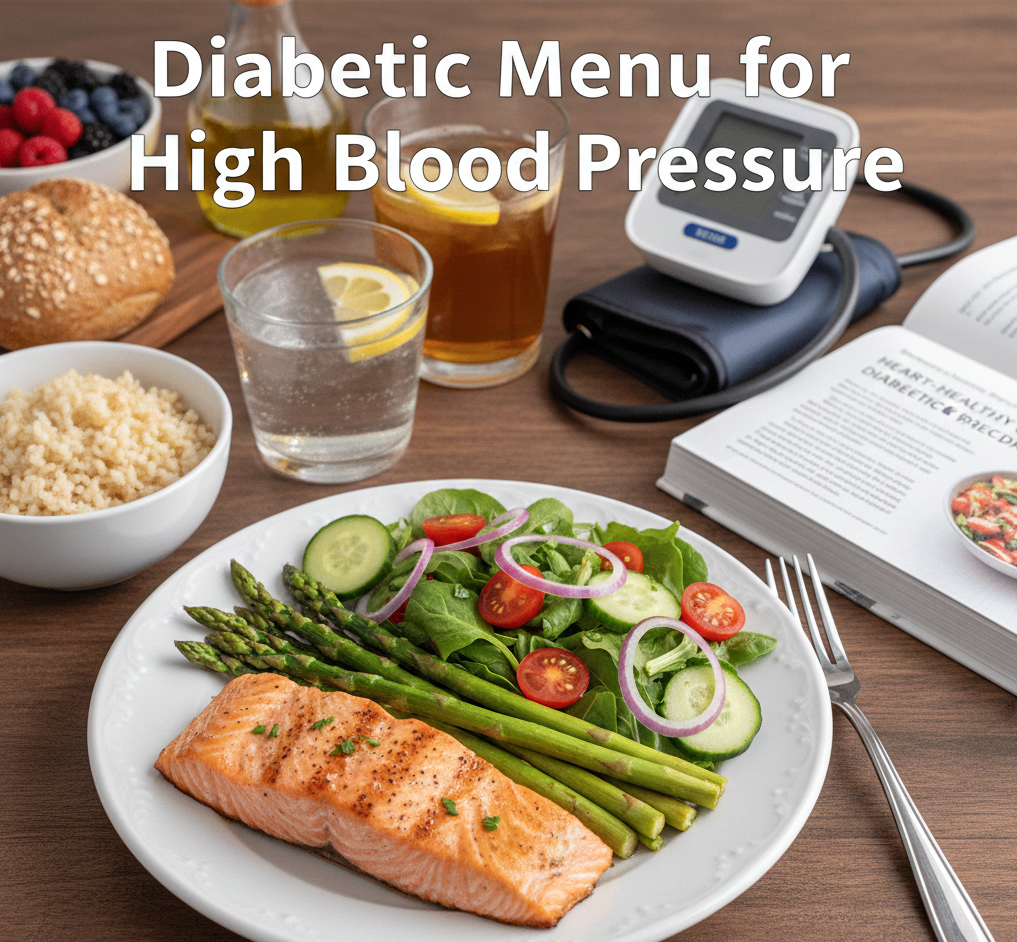
Master the balance between blood sugar control and heart health with our expert-backed DASH-Diabetes hybrid nutritional strategy, complete 7-day meal plan, and practical lifestyle tools.
Managing diabetes is a full-time job. When you add high blood pressure (hypertension) to the mix, it can feel like you are walking a nutritional tightrope. You are told to watch the carbs for your blood sugar, but simultaneously warned to slash the sodium for your heart. It creates a “double whammy” effect that leaves many patients genuinely confused in the grocery aisle — unsure whether a food that is good for one condition might be harming the other.
However, the intersection of these two conditions is precisely where diet becomes most powerful. A heart-healthy diabetic menu is not just about restriction; it is about strategic abundance — fueling your body with nutrient-dense foods that relax blood vessel walls, reduce arterial inflammation, and keep insulin levels stable all at once.
In this comprehensive guide, we break down the science of the DASH-Diabetes hybrid diet, provide a complete 7-day actionable meal plan with detailed meal descriptions, explain the physiological connections between hyperglycemia and hypertension, and give you practical tools to navigate the complexity of managing two of the most common chronic conditions simultaneously.
🫀 The Critical Statistics
According to the American Diabetes Association, two out of three people with diabetes report having high blood pressure or take prescription medication to lower it. Furthermore, the combination of uncontrolled blood sugar and elevated blood pressure accelerates damage to kidneys, eyes, and peripheral nerves at a rate significantly greater than either condition alone. The dietary synergy between low-sodium and low-glycemic food choices is your most powerful — and most accessible — line of defense.
The Diabetes-Hypertension Connection: Why They Always Show Up Together
It is no coincidence that diabetes and high blood pressure so frequently co-occur. Their relationship is deeply bidirectional — each condition worsens the other through several overlapping biological mechanisms, creating a vicious cycle that accelerates cardiovascular aging.
Chronically elevated blood sugar damages the inner lining of blood vessels (the endothelium) through a process called glycation — glucose molecules bind to proteins and lipids, forming Advanced Glycation End Products (AGEs) that stiffen arterial walls and impair their ability to dilate and contract normally. Stiff arteries cannot absorb the pressure pulse of each heartbeat efficiently, causing systolic blood pressure (the top number) to rise progressively. This is why even well-controlled type 2 diabetics frequently develop hypertension over time — the arterial damage has been accumulating silently for years before diagnosis.
Conversely, high blood pressure damages the delicate microvasculature of the kidneys — the organ responsible for filtering 180 liters of blood per day. As kidney function declines, the kidneys activate hormonal systems (notably the renin-angiotensin-aldosterone system, or RAAS) designed to raise blood pressure further — creating a destructive feedback loop. Simultaneously, impaired kidney function reduces insulin clearance from the blood, worsening insulin resistance and making blood sugar progressively harder to control.
Insulin resistance itself also directly raises blood pressure: elevated circulating insulin promotes sodium and water retention by the kidneys, increases sympathetic nervous system activity, and stimulates smooth muscle cell growth in arterial walls — all of which mechanically elevate blood pressure independent of other risk factors.
📌 The Shared Risk Amplifier: Inflammation
Both diabetes and hypertension share a common upstream driver: chronic low-grade systemic inflammation. Visceral fat (fat around the abdominal organs) secretes pro-inflammatory cytokines — including TNF-alpha, IL-6, and CRP — that simultaneously promote insulin resistance and endothelial dysfunction. This is why abdominal obesity is the single strongest predictor of developing both conditions together, and why anti-inflammatory dietary patterns are so effective at improving both markers simultaneously.
If you are struggling with kidney health alongside diabetes and hypertension, you may need a specifically adapted plan. Explore our specialized renal diabetic meal plan, as the nutrient requirements for potassium and phosphorus will differ significantly from the standard recommendations in this guide.
Understanding Blood Pressure Numbers as a Diabetic
Before optimizing your diet, it is worth understanding exactly what blood pressure readings mean and why the targets for diabetics are stricter than for the general population.
| Classification | Systolic (mmHg) | Diastolic (mmHg) | Significance for Diabetics |
|---|---|---|---|
| Optimal | Under 120 | Under 80 | Associated with lowest cardiovascular and kidney risk |
| Elevated | 120–129 | Under 80 | Dietary intervention can fully normalize without medication |
| Stage 1 Hypertension | 130–139 | 80–89 | ADA recommends treatment (lifestyle + possibly medication) at this stage for diabetics |
| Stage 2 Hypertension | 140–159 | 90–99 | Medication likely required alongside dietary changes; kidney protection priority |
| Hypertensive Crisis | Over 180 | Over 120 | Requires immediate medical attention regardless of symptoms |
The American Diabetes Association recommends a blood pressure target of under 130/80 mmHg for most adults with diabetes — stricter than the 140/90 threshold often cited for the general population. This tighter target reflects the dramatically amplified kidney and cardiovascular risk when elevated blood pressure coexists with hyperglycemia. Every 10 mmHg reduction in systolic blood pressure reduces the risk of any diabetes-related complication by approximately 12%.
⚠️ Important Monitoring Note
As your diet improves blood pressure and blood glucose, your medication doses may need to be reduced by your doctor to prevent hypotension (dangerously low blood pressure) or hypoglycemia. Measure your blood pressure at the same time daily — morning, before eating or taking medication — for the most reliable readings. Report consistent readings below 110/70 to your healthcare provider promptly.
The Strategy: DASH Meets Low-Glycemic Eating
To tackle high blood pressure and diabetes simultaneously, we combine the principles of the DASH Diet (Dietary Approaches to Stop Hypertension — the most clinically validated dietary intervention for lowering blood pressure) with a carbohydrate-controlled, low-glycemic index framework. The result is a hybrid approach that is more powerful than either strategy alone.
This is meaningfully distinct from a standard low-carb weekly diabetic menu because we must remain hyper-vigilant about sodium hidden in foods that are otherwise “low-carb” — particularly processed meats, aged cheeses, canned fish, and packaged low-carb snacks. A food can be completely carbohydrate-free and simultaneously be a cardiovascular threat because of its sodium content. Both dimensions require equal attention.
The 6 Core Principles of Your Hybrid Menu
- Sodium Cap (Non-negotiable): Aim for under 2,300mg per day as a starting point, progressively moving toward 1,500mg as your palate adjusts. This single change produces the fastest measurable blood pressure results of any dietary intervention.
- Potassium Maximization: Potassium is sodium’s physiological counterweight — it relaxes arterial walls, promotes sodium excretion through the kidneys, and directly lowers blood pressure. Target 3,500–4,700mg daily through avocados, leafy greens, sweet potatoes, and legumes.
- Magnesium Sufficiency: Magnesium deficiency is exceptionally common in type 2 diabetics and independently predicts both insulin resistance and hypertension. It supports arterial smooth muscle relaxation — essentially acting as a natural calcium channel blocker. Rich sources include pumpkin seeds, dark leafy greens, whole grains, and legumes.
- Complex Carbohydrate Focus: Every carbohydrate in this plan has a glycemic index under 55, is paired with protein and fat to further blunt glucose absorption, and comes packaged with fiber that simultaneously lowers LDL cholesterol and slows digestion.
- Soluble Fiber Saturation: Target a minimum of 10g of soluble fiber daily — the type that forms a gel in the gut to trap both glucose and cholesterol, preventing their rapid absorption into the bloodstream. Oats, legumes, flaxseed, apples, and psyllium husk are your primary tools.
- Omega-3 Integration: EPA and DHA from fatty fish (salmon, mackerel, sardines, trout) reduce triglycerides, reduce arterial inflammation, and modestly lower systolic blood pressure through their effects on prostaglandin metabolism and endothelial function.
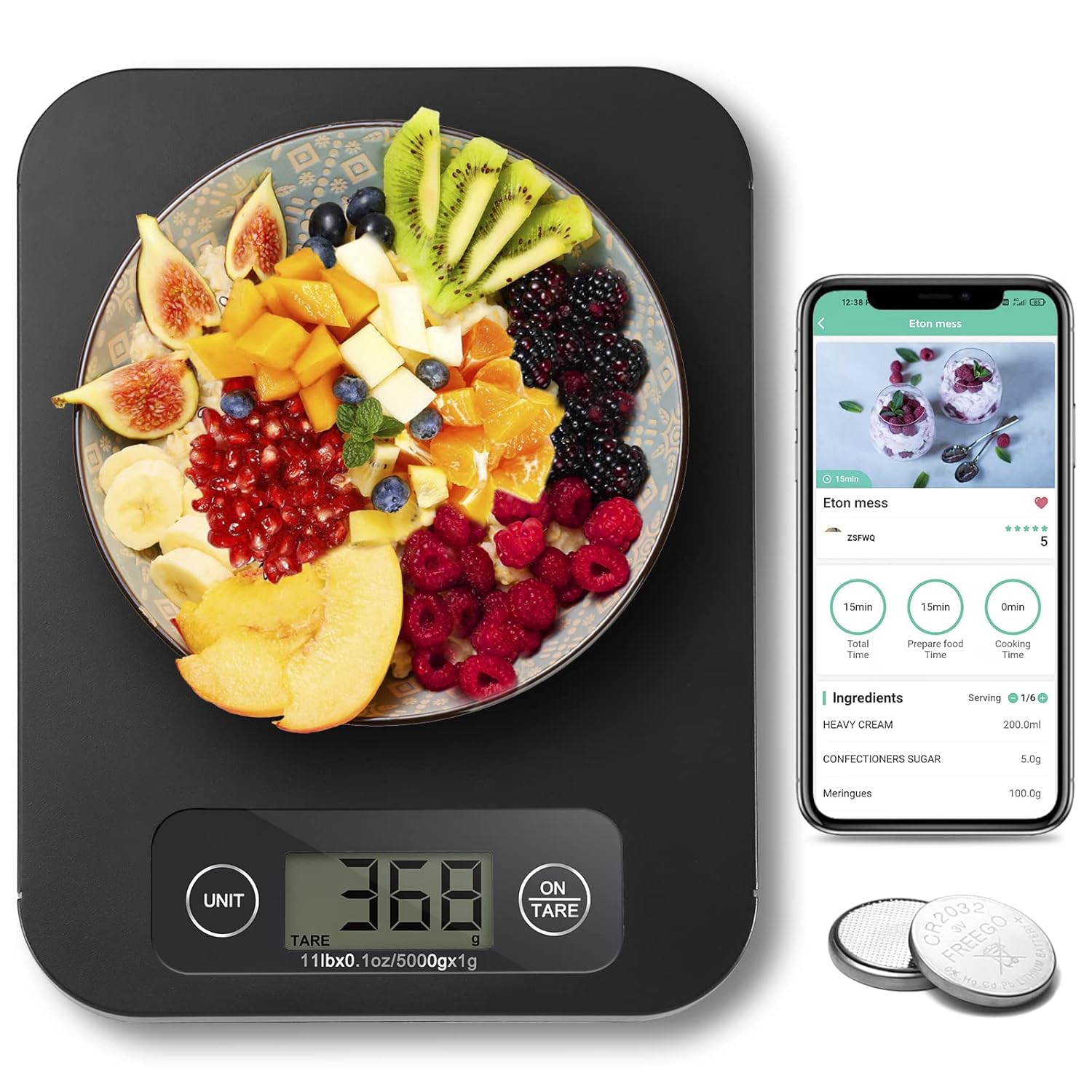
Precision Digital Kitchen Scale
Accurately weighing portions is the most reliable method for tracking both sodium and carbohydrates simultaneously. Many sodium tracking errors come from underestimating serving sizes — a food scale eliminates this. It is an essential and inexpensive tool for anyone managing the diabetes-hypertension combination at home.
Check Price on AmazonThe Hidden Sodium Problem: Where Salt Is Actually Hiding
Most people believe they can control their sodium intake simply by not adding salt at the table. This is a significant misconception. The majority of dietary sodium — approximately 70% — comes not from the salt shaker but from packaged, processed, and restaurant-prepared foods, many of which taste nothing like they contain high sodium. Understanding these hidden sources is arguably more important than any individual meal plan.
| Food Item | Typical Sodium (per serving) | Surprise Level | Lower-Sodium Alternative |
|---|---|---|---|
| Restaurant soup (1 bowl) | 800–1,800mg | 🚨 Very High | Homemade with no-added-salt broth |
| Deli turkey breast (2 oz) | 400–600mg | 🚨 High | Freshly roasted and sliced turkey breast |
| Canned beans (1/2 cup) | 300–400mg | ⚠️ Moderate-High | Drain and rinse (removes ~40% sodium); or cook dried beans |
| Regular soy sauce (1 tbsp) | 900–1,000mg | 🚨 Very High | Coconut aminos (~90mg) or low-sodium soy sauce (~550mg) |
| Cottage cheese (1/2 cup) | 350–450mg | ⚠️ Moderate | Low-sodium cottage cheese (~50–80mg) |
| Bottled salad dressing (2 tbsp) | 200–400mg | ⚠️ Moderate | Olive oil + lemon juice + herbs (under 5mg) |
| Canned tomatoes (1/2 cup) | 180–260mg | ⚠️ Moderate | No-salt-added canned tomatoes (under 25mg) |
| Pre-marinated chicken breast (4oz) | 400–700mg | 🚨 High | Plain fresh chicken marinated at home with herbs and citrus |
| Protein bar | 150–350mg | ⚠️ Surprising | Unsalted nuts + apple or homemade oat balls |
| Frozen dinner (one meal) | 700–1,500mg | 🚨 Very High | Batch-cooked homemade meals portioned and frozen |
The practical takeaway is this: your most powerful sodium-reduction strategy is not seasoning differently — it is cooking from scratch more frequently. When you control what goes into a dish from the beginning, you automatically eliminate the sodium that manufacturers add as a preservative, flavor enhancer, and texture modifier. A home-cooked chicken stir-fry with fresh vegetables contains a fraction of the sodium in a “healthy” frozen stir-fry from the supermarket.
Foods to Embrace vs. Foods to Avoid: Your Complete Reference
Creating an effective low-sodium diabetic meal plan requires knowing your ingredients thoroughly — not just whether a food is “healthy” in general, but whether it serves both goals of blood sugar control and blood pressure management simultaneously.
| Category | ✅ Green Light (Eat Often) | ❌ Red Light (Limit or Avoid) |
|---|---|---|
| Proteins | Fresh salmon, mackerel, sardines (in water, rinsed), skinless chicken breast, turkey, tofu, tempeh, eggs, unsalted nuts, lentils, chickpeas, black beans | Bacon, deli meats, sausages, hot dogs, canned meats, pepperoni, breaded fried fish, pre-seasoned meats |
| Grains | Quinoa, brown rice, steel-cut oats, whole barley, bulgur, sprouted grain bread (check sodium per slice), wild rice | Instant rice mixes, salted crackers, white bread, sugary cereals, flavored oatmeal packets, most store-bought breads over 150mg/slice |
| Vegetables | Spinach, kale, arugula, broccoli, asparagus, bell peppers, zucchini, cauliflower, Brussels sprouts, sweet potatoes, avocados (all fresh or plain frozen) | Canned vegetables with added salt, pickles, sauerkraut, olives (in excess), kimchi, most jarred tomato sauces |
| Dairy | Low-fat plain Greek yogurt, low-sodium cottage cheese, skim or 1% milk, Swiss cheese (naturally lower sodium), unsweetened almond or oat milk | Processed American cheese slices, regular cottage cheese, buttermilk, salty feta in large amounts, cream cheese, salted butter |
| Fruits | Blueberries, strawberries, raspberries, apples, pears, citrus, pomegranate, cherries, peaches (fresh), kiwi | Dried fruit (concentrated sugar), canned fruit in syrup, fruit juice (rapid glucose spike), fruit cocktail |
| Fats & Oils | Extra virgin olive oil, avocado oil, walnuts, almonds, chia seeds, ground flaxseed, fresh avocados | Salted butter, margarine, lard, coconut oil in excess, hydrogenated vegetable shortening, commercially fried foods |
| Condiments & Flavoring | Fresh herbs, garlic, ginger, turmeric, cumin, paprika, lemon/lime juice, apple cider vinegar, Dijon mustard (low-sodium), coconut aminos | Table salt, regular soy sauce, ketchup, most bottled dressings, BBQ sauce, teriyaki sauce, pre-mixed seasoning blends with salt |
| Beverages | Water, sparkling water with citrus, unsweetened herbal tea, green tea, black coffee (moderate), low-sodium tomato juice | Regular and diet sodas, sweetened teas, energy drinks, fruit juices, sports drinks, alcohol (strictly limit) |
If you are looking for specific calorie-controlled versions of these “Green Light” foods, many fit seamlessly into a 1,500 calorie diabetic menu.
7-Day Diabetic Menu for High Blood Pressure (Detailed Daily Plan)
This menu is designed to keep sodium consistently under 1,800mg per day (ideally under 1,500mg), blood sugar stable through low-GI carbohydrate choices, and cardiovascular protection maximized through anti-inflammatory, omega-3-rich, and potassium-dense foods. Every meal emphasizes fresh ingredients and home cooking. If you want a shorter trial period first, start with our 3-day diabetic meal plan before committing to the full week.
Day 1: The Fresh Start
Today focuses on establishing a strong low-sodium baseline and high antioxidant intake to combat the endothelial oxidative stress that both diabetes and hypertension generate.
🌅 Breakfast
Steel-cut oatmeal (not instant — the less processed the oat, the lower the GI) topped with a small handful of raw walnuts and fresh blueberries. Season only with cinnamon, which research suggests improves insulin receptor sensitivity. No sugar, no salt, no flavored packets.
~50g carbs | ~8g fiber | ~10g protein | ~60mg sodium
☀️ Lunch
Grilled chicken breast salad over a generous bed of mixed greens, spinach, cherry tomatoes, and cucumber. Dress with extra virgin olive oil and fresh lemon juice only — no bottled dressing. Add a sprinkle of hemp hearts for additional omega-3. This meal contains virtually zero sodium from packaged sources.
~12g carbs | ~5g fiber | ~32g protein | ~120mg sodium
🌙 Dinner
Baked salmon fillet seasoned with garlic, fresh dill, lemon zest, and black pepper — no salt. Served alongside steamed asparagus (rich in folate and prebiotic fiber) and a small portion of quinoa (a complete protein that contains no sodium naturally). The EPA/DHA in salmon makes this one of the most powerful single meals for both blood pressure and blood sugar.
~28g carbs | ~6g fiber | ~38g protein | ~150mg sodium
🍎 Snack: Apple slices with unsalted almond butter — soluble pectin fiber in the apple + MUFA in almond butter = blunted glucose response and zero sodium.
Day 2: Plant-Forward Power
A predominantly plant-based day maximizes potassium and magnesium intake while minimizing saturated fat and sodium — all three of which independently lower blood pressure. Lentils and legumes provide the highest soluble fiber content of any food category per serving.
🌅 Breakfast
Veggie omelet using 2 egg whites and 1 whole egg (reduces cholesterol while retaining nutrients), filled with wilted baby spinach, sliced mushrooms, and diced bell peppers. Cooked in avocado oil. Season with garlic powder, cumin, and fresh herbs — no salt added. A high-protein, near-zero-sodium start to the day.
~10g carbs | ~3g fiber | ~22g protein | ~90mg sodium
☀️ Lunch
Homemade red lentil soup using no-added-salt vegetable broth, seasoned with turmeric (curcumin reduces vascular inflammation), cumin, garlic, and finished with a squeeze of lemon. Side of mixed greens. Making this from scratch rather than opening a can is the critical step — a typical canned lentil soup contains 700–900mg sodium per serving. Homemade delivers under 100mg.
~45g carbs | ~14g fiber | ~18g protein | ~95mg sodium
🌙 Dinner
Turkey breast strips stir-fried with broccoli, snap peas, and fresh ginger in avocado oil. Use low-sodium soy sauce or coconut aminos (coconut aminos contain roughly 65–70% less sodium than regular soy sauce) very sparingly — no more than 1 teaspoon. Serve over 1/2 cup brown rice. Ginger’s active compounds (gingerols and shogaols) provide meaningful anti-inflammatory and mild vasodilatory effects.
~44g carbs | ~8g fiber | ~32g protein | ~310mg sodium
🍐 Snack: A small pear (pectin fiber, potassium) and a stick of string cheese (choose low-sodium variety — some brands contain under 80mg sodium per stick).
Day 3: Lean & Green
Today emphasizes the trifecta of cardiovascular protection: lean complete protein, deep-green vegetables packed with nitrates (which the body converts to nitric oxide — a natural vasodilator that lowers blood pressure), and healthy fats from avocado and olive oil.
🌅 Breakfast
Plain low-fat Greek yogurt (check the label — plain yogurt contains approximately 50–70mg sodium per cup, much lower than flavored varieties) topped with fresh chia seeds and fresh or frozen raspberries. Chia seeds provide 5g of fiber per tablespoon alongside plant-based omega-3, making this one of the most fiber-dense breakfast options available.
~28g carbs | ~9g fiber | ~18g protein | ~65mg sodium
☀️ Lunch
Tuna salad made with canned tuna in water (rinse the tuna under cold water — this removes approximately 80mg of sodium per 3oz serving) mixed with mashed avocado instead of mayonnaise, diced celery, red onion, and fresh lemon juice. Served in large, crisp Romaine lettuce cups. The avocado swap is one of the most impactful single ingredient changes in any diabetic-hypertension menu.
~12g carbs | ~8g fiber | ~28g protein | ~180mg sodium
🌙 Dinner
Grilled white fish (cod or tilapia — both naturally low in sodium) with roasted Brussels sprouts (sulforaphane reduces arterial inflammation) and oven-roasted sweet potato wedges with the skin on (maximum fiber and potassium — one medium sweet potato provides 700mg+ potassium, nearly 15% of the daily target). Season everything with garlic, paprika, and rosemary.
~42g carbs | ~10g fiber | ~32g protein | ~130mg sodium
🥕 Snack: Carrot sticks with hummus (choose low-sodium hummus or make your own — commercial brands vary from 50mg to 200mg per 2 tbsp serving).
Day 4: Hearty & Wholesome
Today introduces a brassica-forward dinner and demonstrates how satisfying a sodium-controlled meal can be when herbs and aromatics are used generously. The avocado toast breakfast provides a potassium-dense start that directly counteracts any residual sodium from previous meals.
🌅 Breakfast
Whole grain sprouted bread toast topped with 1/4 mashed avocado (rich in potassium and MUFA), red pepper flakes, a squeeze of lemon, and optionally a poached egg for protein. Choose a sprouted grain bread with under 100mg sodium per slice and at least 3g fiber per slice. Season with everything-but-the-salt herb blend instead of regular salt.
~28g carbs | ~8g fiber | ~10g protein | ~110mg sodium
☀️ Lunch
Leftover turkey stir-fry from Day 2 — an excellent demonstration of how smart batch cooking eliminates the midday decision that often leads to high-sodium takeout. Reheat gently in a pan with a splash of water rather than in a microwave to preserve texture. Add fresh greens on the side for additional fiber and volume.
~44g carbs | ~8g fiber | ~30g protein | ~320mg sodium
🌙 Dinner
Baked chicken thighs (skin removed before eating — the skin contains most of the saturated fat) over zucchini noodles (spiralized zucchini replaces pasta entirely, reducing carbs by over 90% and sodium by 100%) with no-added-salt or homemade marinara sauce. Always check jarred marinara labels carefully — most commercial varieties contain 350–500mg sodium per half cup.
~22g carbs | ~7g fiber | ~34g protein | ~200mg sodium
🎃 Snack: A small handful of unsalted pumpkin seeds — excellent source of magnesium (74mg per ounce) and zinc, both of which support blood pressure regulation and insulin function.
Day 5: Fiber Focus
Fiber intake peaks today, pushing toward 35g+ to maximize both LDL-lowering and glucose-stabilizing effects. Research shows that each additional 7g of daily fiber is associated with a 9% reduction in coronary heart disease risk — making today one of the most cardiovascular-protective days in the plan. For more options like today’s meals, explore our high-fiber diabetic meal plan.
🌅 Breakfast
High-fiber bran cereal: choose a brand with at least 8g fiber per serving, under 5g added sugar, and under 200mg sodium per serving. Serve with unsweetened almond milk and sliced strawberries (the lowest-sugar common berry, with a GI of just 41). The combination of insoluble bran fiber and strawberry pectin works on two separate cholesterol-lowering pathways simultaneously.
~44g carbs | ~13g fiber | ~8g protein | ~190mg sodium
☀️ Lunch
Quinoa nourish bowl: 1/2 cup cooked quinoa topped with rinsed canned black beans (draining and rinsing reduces sodium by up to 40%), fresh or frozen corn, fresh chunky salsa made from scratch (canned salsa can contain 150–250mg sodium per 2 tbsp), and a squeeze of fresh lime juice. Cilantro adds flavor without sodium and provides quercetin, a flavonoid with modest anti-hypertensive effects.
~52g carbs | ~12g fiber | ~18g protein | ~140mg sodium
🌙 Dinner
Grilled lean beef sirloin (3oz — keep it to a small portion, as red meat should be a weekly highlight rather than a daily staple). Served with sautéed mushrooms and onions in olive oil (no butter, no salt — the umami from mushrooms and the natural sweetness of caramelized onions provide exceptional flavor without sodium) and steamed green beans. Green beans provide vitamin K, supporting arterial calcification prevention.
~18g carbs | ~6g fiber | ~28g protein | ~75mg sodium
🥚 Snack: Hard-boiled egg with no added salt — pure protein with virtually zero carbohydrate and sodium impact, ideal for a stable late-afternoon blood sugar bridge.
Day 6: Weekend Light
Weekends are the highest-risk period for dietary slip-ups — social meals, restaurant outings, and relaxed routines all challenge consistency. Today’s plan demonstrates how to eat enjoyably and satisfyingly while staying well within sodium and carbohydrate targets, even with a more relaxed cooking pace.
🌅 Breakfast
Blended green smoothie: a large handful of spinach, 1/2 frozen banana (frozen intensifies sweetness without added sugar), one scoop of unflavored or low-sugar protein powder, 1 tbsp ground flaxseed (omega-3 + soluble fiber), and unsweetened almond milk. Blend until smooth. Optionally pour into a bowl and top with pumpkin seeds for magnesium. A sodium-free, nutrient-dense start requiring zero cooking.
~36g carbs | ~10g fiber | ~26g protein | ~95mg sodium
☀️ Lunch
Grilled vegetable wrap using a low-carb whole-grain tortilla: fill with grilled zucchini, bell peppers, spinach, and roasted red peppers (no jarred peppers packed in salt brine — roast your own in the oven). Add sliced avocado and a smear of hummus (low-sodium variety). The combination of monounsaturated fats and plant fiber makes this a deeply satisfying midday option.
~30g carbs | ~9g fiber | ~12g protein | ~220mg sodium
🌙 Dinner
Roasted lemon-herb chicken (whole chicken pieces or thighs, skin removed) marinated in olive oil, garlic, fresh rosemary, thyme, and lemon zest — the acid and aromatics create intense flavor that makes salt completely unnecessary. Served over cauliflower rice (sauté briefly with garlic and olive oil) which cuts carbohydrate load for a lighter evening while still providing a satisfying, starchy-textured side.
~18g carbs | ~6g fiber | ~38g protein | ~170mg sodium
🍑 Snack: Low-sodium cottage cheese with sliced fresh peaches — choose a cottage cheese brand that specifies “low sodium” on the label, as sodium content varies enormously (50mg to 450mg per half cup) between brands.
Day 7: Preparation Day
Sunday is both a satisfying culinary day and your strategic setup for the week ahead. Use the time after dinner to cook a batch of grains, hard-boil eggs, and wash and prep produce — the 60 minutes invested on Sunday evening translates directly into better food choices all week, particularly on high-stress weekdays when decision fatigue drives people toward high-sodium convenience foods.
🌅 Breakfast
Poached eggs (poaching uses no fat and adds no sodium) served on a bed of sautéed kale that has been wilted in garlic and olive oil with red pepper flakes. Kale is one of the most nutrient-dense foods available — a single cup provides calcium, vitamin K, vitamin C, and lutein alongside nitrates that support nitric oxide production and vasodilation. Season with black pepper and lemon juice only.
~14g carbs | ~4g fiber | ~18g protein | ~140mg sodium
☀️ Lunch
Chickpea salad: rinsed canned chickpeas tossed with diced cucumber, halved cherry tomatoes, fresh flat-leaf parsley, sliced red onion, and a light dressing of lemon juice, cumin, olive oil, and a tiny pinch of black pepper. Chickpeas are one of the most cholesterol-lowering foods in existence due to their plant sterol and soluble fiber content. This salad can be doubled for Monday lunch.
~42g carbs | ~11g fiber | ~16g protein | ~150mg sodium
🌙 Dinner
Baked trout fillet (an underrated omega-3 fish that is often more affordable than salmon) seasoned with fresh dill, capers (rinse thoroughly — this reduces their sodium content from 200mg to approximately 80mg per tablespoon), and lemon. Served with a generously sized mixed salad dressed with apple cider vinegar and olive oil. The acetic acid in apple cider vinegar modestly lowers post-meal glucose.
~14g carbs | ~5g fiber | ~36g protein | ~220mg sodium
🥜 Snack: A small portion of unsalted almonds — heart-healthy MUFA, magnesium, and vitamin E with near-zero sodium and minimal blood glucose impact.
Note: If adapting these meals for elderly adults who may have difficulty chewing, consult our specific guide for a diabetic menu for elderly with no teeth, which focuses on soft, nutrient-dense options without compromising the low-sodium, low-GI framework.

Clinically Validated Home Blood Pressure Monitor
You cannot manage what you do not measure. A clinically validated upper-arm cuff (far more accurate than wrist monitors) stores sequential readings so you can track trends over time and share your data with your physician. For diabetics with hypertension, this is as essential as your glucose meter. Measure every morning at the same time, before eating or taking medication, for the most actionable readings.
Check Price on AmazonThe Three Blood Pressure Minerals: Potassium, Magnesium & Calcium
While sodium reduction gets most of the attention in hypertension management, three specific minerals work synergistically to lower blood pressure through entirely different physiological mechanisms — and all three are dramatically under-consumed in typical Western diets. This plan is deliberately designed to maximize all three.
🍌 Potassium (Target: 3,500–4,700mg/day)
Potassium is sodium’s physiological antagonist. It works through two primary mechanisms: stimulating the sodium-potassium pump in kidney tubules to flush excess sodium out in urine, and relaxing the smooth muscle cells in arterial walls — directly reducing vascular resistance. Clinical trials consistently show that increasing potassium intake to 4,700mg/day reduces systolic blood pressure by 4–8 mmHg on average — equivalent to some blood pressure medications.
Best sources in this plan: Avocado (1 medium = 975mg), sweet potato with skin (1 medium = 700mg), spinach (1 cup cooked = 840mg), lentils (1 cup = 730mg), salmon (3oz = 420mg).
🥜 Magnesium (Target: 320–420mg/day)
Magnesium acts as a natural calcium channel blocker — it competes with calcium for entry into arterial smooth muscle cells, reducing the degree of contraction and therefore vascular resistance. Magnesium deficiency is found in over 60% of type 2 diabetics and is independently associated with both insulin resistance and hypertension. Replenishing magnesium through diet (preferred over supplements) produces modest but meaningful blood pressure reductions of 3–4 mmHg systolic in deficient individuals.
Best sources in this plan: Pumpkin seeds (1 oz = 74mg), dark chocolate 85%+ (not on this plan, but worth knowing), spinach (1 cup cooked = 78mg), almonds (1 oz = 58mg), black beans (1/2 cup = 60mg), quinoa (1/2 cup cooked = 59mg).
🥛 Calcium (Target: 1,000–1,200mg/day)
Calcium’s role in blood pressure is more nuanced than potassium or magnesium, but it is nonetheless real. Adequate calcium intake (not supplemental calcium, which has different effects) supports normal vascular tone and may help prevent the release of parathyroid hormone that, when elevated, causes arterial constriction. For diabetics avoiding high-fat dairy, non-dairy calcium sources are critical.
Best sources in this plan: Low-fat Greek yogurt (1 cup = 250mg), skim milk, bok choy, kale (1 cup cooked = 180mg), broccoli (1 cup = 62mg), tofu (when made with calcium sulfate).
🟠 The Mineral Deficit in Processed Foods
Here is the irony that explains why so many people are simultaneously high in sodium and low in all three beneficial minerals: processed foods are engineered to be rich in sodium and poor in potassium, magnesium, and calcium. Whole plant foods have the exact opposite nutritional profile. Every shift from processed to whole food in your diet simultaneously reduces the harmful mineral (sodium) and increases all three protective minerals. This is why the DASH-Diabetes hybrid approach is so biochemically elegant — it corrects the entire mineral imbalance in one dietary direction.
🏃 Exercise: The Non-Dietary Tool That Works on Both Conditions Simultaneously
No dietary plan for managing diabetes and hypertension reaches its full potential without consistent physical activity. Exercise acts on both conditions through mechanisms that food cannot replicate, and it does so rapidly — a single session of moderate aerobic exercise can lower blood pressure by 5–8 mmHg for up to 24 hours afterward (called post-exercise hypotension), and can improve insulin sensitivity for 24–48 hours through GLUT-4 transporter upregulation in muscle cells.
- Post-meal walking (10–15 minutes): The single most accessible intervention for post-meal blood glucose control. Walking activates muscle glucose uptake independent of insulin, reducing the post-meal glucose spike by 20–30%. This also produces a modest acute blood pressure-lowering effect. Aim to walk within 30 minutes of finishing each main meal.
- Aerobic exercise (30 min, 5 days/week): Brisk walking, cycling, swimming, or dancing at moderate intensity. Long-term aerobic training reduces resting systolic blood pressure by 5–17 mmHg and improves HbA1c by 0.5–0.7% — without medication changes.
- Resistance training (2–3 days/week): Building lean muscle mass is the most powerful strategy for long-term insulin sensitivity improvement. Each pound of muscle burns additional calories at rest and dramatically improves glucose clearance capacity. Start with bodyweight exercises (squats, wall push-ups) if new to resistance training.
- Breaking up sedentary time: Standing or walking for 2–3 minutes every 45 minutes during prolonged sitting prevents the glucose accumulation and blood pressure elevation associated with extended sedentary periods. Setting a phone reminder is a simple but highly effective implementation strategy.
- Avoid high-intensity exercise without clearance: If you have uncontrolled hypertension (over 160/100), very high-intensity exercise can cause dangerous acute blood pressure spikes. Get clearance from your physician and start with moderate intensity before progressing.
Essential Lifestyle Tips for Long-Term Success
Adopting a 7-day diabetic menu is a powerful start, but the habits that support the menu determine whether the results last weeks or decades. Here are evidence-backed strategies for sustaining the lifestyle beyond the initial commitment.
1. Flavor Engineering Without Salt
The hardest part of a hypertensive diet transition is the perceived loss of flavor from eliminating salt. The solution is not to suffer through bland food — it is to become fluent in the vast language of sodium-free flavor. Replace the salt shaker with:
- Acids: Fresh lemon juice, lime juice, apple cider vinegar, and balsamic vinegar “wake up” flavors in a way that closely mimics the sensory effect of salt. Adding acid at the end of cooking (not during) has the greatest impact.
- Aromatics: Garlic, ginger, shallots, and fresh herbs (basil, cilantro, dill, rosemary, thyme) provide multi-layered flavor complexity that pre-empts the need for salt.
- Dry spice blends (salt-free): Cumin, smoked paprika, turmeric, coriander, black pepper, red pepper flakes, and Mrs. Dash seasoning lines. A well-built spice blend can transform the simplest ingredient into a deeply satisfying dish.
- Umami sources (naturally low-sodium): Fresh mushrooms, sun-dried tomatoes (in olive oil, not brine), nutritional yeast, and miso (use very sparingly — even “low-sodium” miso contains 200–300mg per teaspoon) provide the savory depth that people often seek from salt.
2. Food Label Reading Mastery
Never trust health claims printed on the front of a package. “Reduced Sodium,” “Heart Healthy,” and “Less Salt” claims on the front of boxes are marketing language subject to minimal regulatory standards. Always flip to the Nutrition Facts panel. Look for the actual milligram count per serving, and critically, verify the serving size — manufacturers often use unrealistically small serving sizes to make sodium counts appear deceptively low. A practical rule: if a single serving of any packaged food contains more than 20% of the Daily Value (460mg) for sodium, reconsider its place in your cart.
3. Strategic Meal Prepping
The single greatest predictor of dietary failure for people managing diabetes and hypertension is arriving at a meal feeling hungry without a prepared option available. Under these conditions, high-sodium fast food or convenience meals become almost irresistible. Batch cooking on Sunday — preparing proteins, cooking grains, and washing and cutting vegetables — creates a ready-made defense against midweek decision fatigue. Our diabetic menu for working adults provides a detailed, time-efficient meal prep protocol designed for busy schedules.
4. Sleep Optimization and Stress Management
Two non-dietary factors that most meal plans neglect to mention have a dramatic impact on both blood pressure and blood sugar: sleep quality and psychological stress. Chronic sleep deprivation (under 6 hours per night) raises fasting cortisol, which raises both blood pressure and fasting blood glucose — potentially undoing the benefits of an excellent diet. Chronic psychological stress activates the sympathetic nervous system continuously, keeping blood pressure elevated regardless of sodium intake. Regular stress-reduction practices — a 10-minute walk, diaphragmatic breathing, progressive muscle relaxation, or adequate social connection — are not optional extras; they are clinically meaningful components of hypertension and diabetes management.
5. Managing Specific Population Needs
Every body is different, and managing diabetes with hypertension looks different across life stages:
- Pregnant women with gestational diabetes and hypertension require very specific nutrient profiles and medical supervision. See: diabetic menu for pregnant women.
- Seniors may need fewer calories but higher protein density to prevent the sarcopenia that worsens insulin resistance with aging. See: 1,200 calorie diabetic menu for seniors.
- People with concurrent kidney disease need adjustments to potassium and phosphorus targets — the otherwise-beneficial potassium-rich foods in this plan may require careful monitoring. See: renal diabetic meal plan.
Frequently Asked Questions
Can I use salt substitutes if I have diabetes and high blood pressure?
Use caution. Most commercial salt substitutes replace sodium chloride with potassium chloride. While potassium generally benefits blood pressure regulation, if you have any kidney damage — extremely common in people with long-standing diabetes — excess potassium intake can cause dangerous hyperkalemia, which affects heart rhythm. ACE inhibitors and ARBs (common blood pressure medications in diabetics) also raise potassium levels, compounding the risk. Always consult your doctor before using potassium-based substitutes. Safer alternatives include citric acid (lemon juice), herbs, vinegar, and salt-free seasoning blends.
Is coffee safe for high blood pressure and diabetes?
Black coffee is carbohydrate-free and has no direct impact on blood sugar for most people. However, caffeine causes a temporary but sometimes significant spike in blood pressure through its activation of the adrenal stress response — a concern for those with already-elevated blood pressure. If you are caffeine-sensitive or have stage 2 hypertension, switch to decaf or unsweetened herbal teas (particularly hibiscus tea, which has modest but clinically meaningful evidence for blood pressure reduction). Avoid all flavored, sweetened, or cream-based coffee drinks, which can contain 30–60g of sugar and 100–200mg of sodium.
How quickly will diet lower my blood pressure?
Blood pressure is one of the fastest-responding cardiovascular markers to dietary change. Many people see measurable reductions in systolic pressure within 14 days of significantly reducing sodium and increasing vegetable and potassium intake. The full DASH effect, including reductions from fiber and mineral optimization, typically manifests over 4–8 weeks of consistent adherence. Blood sugar improvements can occur within the first week as refined carbs are replaced with low-GI alternatives — monitor your glucose closely if on insulin or sulfonylureas, as the improvement may require a medication dose reduction.
Can I eat eggs with high blood pressure and diabetes?
Yes — eggs are a valuable, nutrient-dense protein source that stabilizes blood sugar and requires no sodium when prepared by poaching, boiling, or scrambling with herbs only. For most people, dietary cholesterol in eggs has significantly less impact on circulating blood cholesterol than saturated fat intake does. If you have established cardiovascular disease in addition to diabetes and hypertension, your physician may recommend limiting whole egg yolks to 3–4 per week. Using 1 whole egg combined with 2–3 egg whites is an excellent practical middle ground that preserves all the nutritional benefits.
What is the ideal sodium intake for diabetics with high blood pressure?
The general starting recommendation is under 2,300mg of sodium per day, moving progressively toward 1,500mg as your palate adapts to lower-sodium cooking over 3–4 weeks. The 1,500mg target is endorsed by the American Heart Association for adults with hypertension and is achievable through home cooking from fresh ingredients. This does not mean food needs to taste bland — it means developing fluency in acid-based, herb-based, and spice-based flavoring. Most people find that after 3 weeks of low-sodium eating, heavily salted food becomes genuinely unpleasant rather than appealing.
Which fruits are safest for diabetics with high blood pressure?
The best fruits for this dual condition combine low glycemic index, high potassium content, and meaningful polyphenol or antioxidant activity. Top choices include berries (blueberries, strawberries, raspberries — low GI, anthocyanin-rich, high fiber), apples and pears (pectin fiber lowers LDL), citrus fruits (hesperidin supports arterial elasticity), and pomegranate (one of the most studied fruits for blood pressure reduction). Avoid dried fruit (concentrated sugar), fruit juice (rapid glucose spike with no fiber), and large portions of high-sugar tropical fruits like mango and pineapple.
Can exercise lower both blood sugar and blood pressure at the same time?
Absolutely — and more powerfully than most medications for mild-to-moderate cases of both conditions. Aerobic exercise (brisk walking, cycling, swimming) done for 30 minutes most days reduces resting systolic blood pressure by 5–17 mmHg over weeks to months of consistent practice. A single 10–15 minute post-meal walk immediately reduces post-meal blood glucose by 20–30% through the activation of GLUT-4 glucose transporters in muscle cells — a mechanism that works completely independently of insulin. The long-term combination of aerobic and resistance training also meaningfully improves HbA1c without any dietary changes, which is why exercise is considered indispensable alongside dietary modification.
Final Thoughts: Consistency Builds the Firewall
Managing a diabetic menu for high blood pressure is not about achieving nutritional perfection at every meal — it is about building a sustainable dietary rhythm that protects your cardiovascular system and metabolic health week after week, month after month. Every sodium-reduced meal you cook from scratch is a deposit into your arterial health account. Every low-GI carbohydrate you choose over a refined one reduces the oxidative burden on your blood vessels. These small, daily decisions compound into the 10-15 mmHg blood pressure reductions and 0.5–1.0% HbA1c improvements that appear on your lab results three months from now.
Stick with this plan for its full 7 days before evaluating. Your taste buds will have begun adapting to lower sodium by day five. Your post-meal blood sugar readings should start stabilizing by day three. Your morning blood pressure readings may start shifting within two weeks. The biology is working in your favor — it just requires the consistency to allow it to happen.
When you are ready to extend your commitment, our 30-day diabetic menu and 14-day diabetic meal plan provide structured, rotating frameworks that eliminate menu fatigue and keep your motivation high through the first critical months of lifestyle change.
Ready to transform your kitchen into your most powerful health tool?
Get the Complete Diabetic Hypertension Cookbook