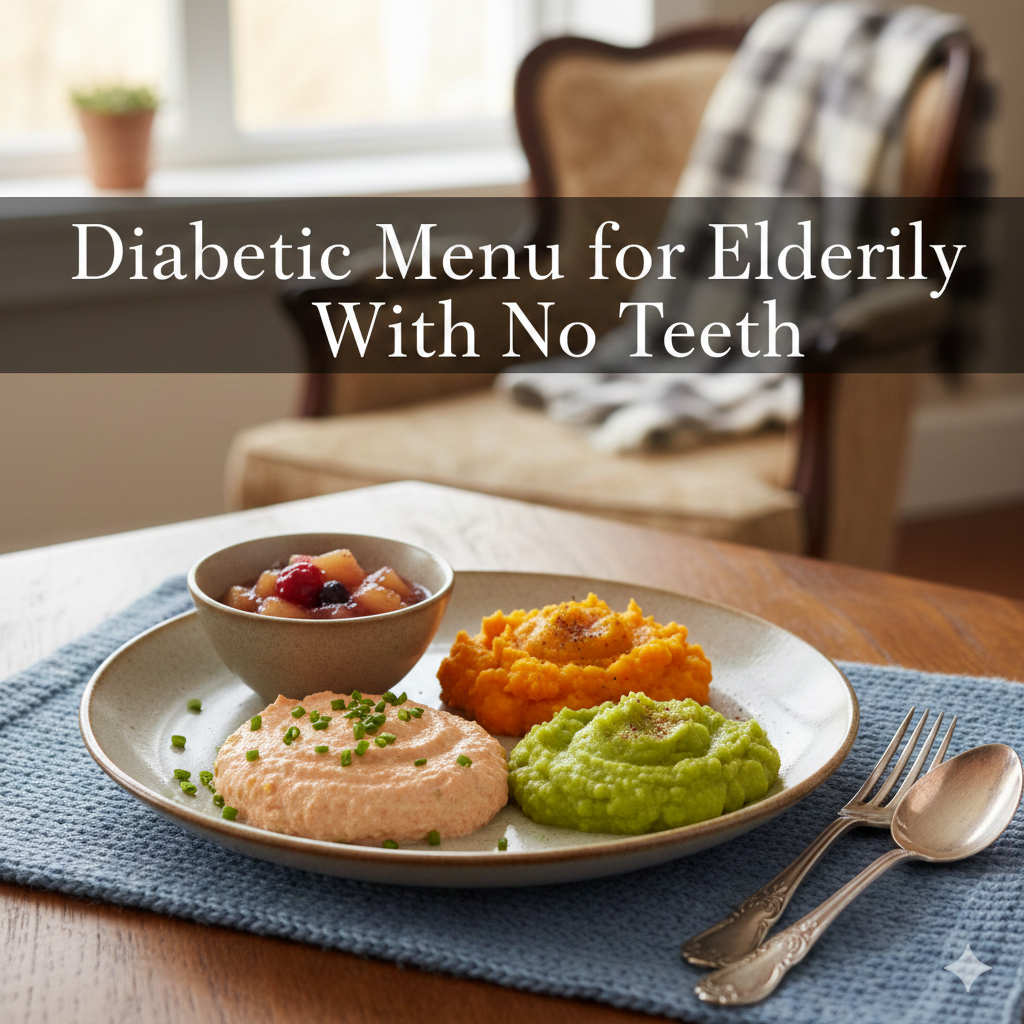
Diabetic Menu for Elderly With No Teeth: Nutrition, Dignity, and Flavor
Eating is one of life’s fundamental pleasures, but for the elderly who suffer from tooth loss (edentulism) or ill-fitting dentures, mealtime can become a source of anxiety and frustration. When you add diabetes management to the mix, the challenge doubles. The soft foods that are easiest to eat—mashed potatoes, puddings, apple sauce, and oatmeal—are often the very foods that send blood sugar soaring. This double bind requires careful planning, creativity, and a thorough understanding of both diabetic nutrition and texture modification.
This dangerous cycle, often called the “Tea and Toast” syndrome, pushes seniors toward soft, high‑carb convenience items, causing gradual malnutrition, accelerated muscle loss (sarcopenia), and unpredictable glucose levels. Yet with the right knowledge, caregivers and seniors can break free. A truly diabetic menu for elderly with no teeth must be vibrant, protein‑forward, and designed to maintain glycemic stability while being entirely chewable. It should restore joy, variety, and social connection around the table, not bland isolation.
Whether you are a family caregiver, a nurse, or a senior managing your own health, this comprehensive guide goes beyond generic advice. It combines medical nutrition therapy with practical, delicious meals that require little to no chewing. You’ll also find links to related resources like our general diabetic menu for seniors and the more structured 1200‑calorie version for those needing tighter portion control.
The “Soft & Stable” Nutritional Strategy
The core principle is to deliver foods that are mechanically soft (or pureed) while keeping the Glycemic Load low. We emphasize three pillars:
The 3 Pillars of Soft Diabetic Eating
- Prioritize Soft Proteins: Protein is paramount for seniors to prevent frailty, support immunity, and maintain muscle mass. We focus on eggs, fish (canned salmon, sardines mashed with bones for calcium), tofu, Greek yogurt, and finely minced poultry—never tough steaks or chops.
- Modify the Vegetable Texture, Not the Type: Don’t skip broccoli or kale simply because they are crunchy. Steam until tender, then blend into cream soups, or finely chop and cook into soft grain‑free porridges. The fiber content remains essential to blunt post‑meal glucose spikes.
- Healthy Fats for Satiety and Slower Digestion: Soft foods tend to leave the stomach faster, causing earlier hunger. Adding healthy fats like avocado, extra‑virgin olive oil, smooth nut butters, or full‑fat yogurt extends satiety and stabilizes blood glucose by delaying carbohydrate absorption.

The Essential Kitchen Tool: A High-Performance Blender
To transform fibrous vegetables into velvety, smooth purées while retaining all their nutrients, a quality blender is indispensable. It’s the difference between thin, watery baby food and rich, savory adult meals.
Check Price on AmazonTexture Modification: Beyond “Baby Food”
A major psychological barrier is the perception of pureed food as unappetizing. We emphasize maintaining the “adult” nature of each dish—think elegant soups, mousses, and stews, not bland paste.
The Texture Spectrum for Edentulous Diabetics
- Liquidized: Smooth, pourable consistency (e.g., high‑protein smoothies with spinach, cream of mushroom soup).
- Pureed: Smooth, holds its shape on a spoon (e.g., mashed cauliflower with butter, thick bean dips, Greek yogurt, hummus).
- Minced & Moist: Very small soft lumps, easily mashed with tongue (e.g., cottage cheese, flaked fish in sauce, very soft cooked quinoa).
- Soft & Bite-Sized: Pieces that can be squashed with fork or gums (e.g., scrambled eggs, soft cheese cubes, ripe banana).
This menu blends pureed and soft & bite-sized items, assuming the individual can use their gums and tongue to mash.
7-Day Diabetic Menu for Edentulous Seniors
Every recipe below is naturally low in added sugar, rich in protein and fiber, and requires minimal chewing. Avoid hard skins, seeds, and stringy fibers by proper cooking and blending.
High Carb Soft Foods vs. Diabetic Friendly Alternatives
Many “soft” traditional choices are glycemic landmines. Use this swap table for safer options.
| Avoid (High Glycemic Impact) | Swap For (Diabetic Friendly) | Why? |
|---|---|---|
| Mashed White Potatoes | Mashed Cauliflower, turnips, or celery root | ~75% fewer carbs, rich in vitamin C and fiber. |
| Sweetened Apple Sauce | Unsweetened applesauce or stewed rhubarb (sweetened with stevia) | Eliminates added sugars; rhubarb is very low carb. |
| Cream of Wheat / Farina | Chia pudding or flax “porridge” (ground flax with hot water) | High fiber and omega‑3s slow glucose absorption. |
| Regular Ice Cream | Homemade “nice” cream (frozen berries + Greek yogurt blended) | Probiotics, antioxidants, and much lower sugar. |
| White Rice Porridge (congee) | Cauliflower “grits” or smooth ricotta with cinnamon | Creamy texture without starch spike, extra protein. |

The Secret to Tender Meat: A Slow Cooker
A slow cooker transforms tough cuts like chuck or brisket into fork‑tender, shreddable meat—perfect for edentulous seniors. Set it in the morning and have a protein‑packed dinner ready with zero chewing required.
Check Price on Amazon3 Tips for Success in the Kitchen
1. Use Broth, Gravy, or Sauce Liberally
Dry, crumbly foods are difficult to manage without teeth and increase choking risk. Every meal should include a sauce, gravy, or broth component. For diabetics, opt for fat‑based sauces (butter, cream, olive oil) rather than flour‑thickened gravies to keep carbs low and flavor high.
2. Avoid “Sticky” or Dense Textures
Peanut butter straight from the jar can adhere to the palate and pose a choking hazard. Always swirl it into warm oatmeal, yogurt, or smoothies. Similarly, avoid white bread, which forms a gummy mass; instead choose well‑moistened, soft alternatives like ricotta pancakes or moist quick breads made with almond flour.
3. Enhance Flavor Without Excess Salt
Taste buds often dull with age. Instead of adding salt (which can elevate blood pressure), use robust flavors like roasted garlic, onion powder, smoked paprika, lemon zest, fresh basil, or dill. Well‑seasoned food makes texture modification far less noticeable.
Expert Insight: Hydration and Oral Health
Even without natural teeth, oral hygiene remains critical. High blood sugar results in higher glucose in saliva, increasing the risk of fungal infections (thrush) on the gums or tongue. Drinking water after each meal helps rinse the mouth and stimulates saliva flow. Dehydration is prevalent in seniors and can falsely elevate blood glucose readings; incorporating “wet” foods like soups, stews, and sugar‑free gelatin helps maintain hydration. Aim for at least 6‑8 cups of fluid daily, including herbal teas and broths.
For a more extensive routine, consider our 30‑day diabetic menu to build sustainable habits.
Frequently Asked Questions
How can an elderly person with no teeth get enough protein?
Protein is vital to prevent sarcopenia and support healing. Soft sources include Greek yogurt (plain), skyr, cottage cheese, silken or soft tofu, scrambled eggs, finely flaked fish (canned salmon, sardines mashed with bones for calcium), smooth nut butters thinned with warm liquid, and protein powders stirred into coffee, oatmeal, or soup.
Are pureed foods safe for diabetics?
Yes, as long as the base ingredients are low‑glycemic. Avoid pureeing sugary fruits or starchy vegetables alone—always add protein and fat. For instance, pureed cauliflower with butter and cream cheese is safe, while pureed bananas with no added fat may spike glucose. Blending does break some physical fiber, so pairing with fat and protein is essential to moderate digestion.
What vegetables are easiest to eat without teeth?
Well‑cooked root vegetables (carrots, parsnips, turnips), winter squash, steamed spinach, mashed cauliflower, and ripe avocado are ideal. They can be fork‑mashed or blended into creamy soups, delivering fiber and micronutrients without any chewing.
Can a diabetic eat mashed potatoes on this diet?
Traditional mashed potatoes can raise blood sugar rapidly. Better alternatives: mashed cauliflower, mashed turnips, or a blend of half potato and half steamed zucchini. Adding butter, cream, or olive oil further lowers the glycemic response.
Is baby food a good option for seniors?
While nutritionally safe, baby food lacks the caloric density and robust flavors adults prefer. It often leads to undernutrition. Instead, prepare “adult” food and modify texture using a blender or food mill—this maintains dignity and flavor variety.
How do I prevent “Tea and Toast” syndrome?
This pattern arises from convenience. Prevent it by prepping soft proteins (egg salad, tuna mousse, lentil soup) and keeping them accessible. Use a slow cooker for effortless tender meats. Encourage small, frequent meals that are nutritionally complete, not just carbs.
What snacks are safe for edentulous diabetics?
Great snack ideas: sugar‑free pudding made with whole milk, cottage cheese with cinnamon, mini smoothies (protein powder + spinach + almond milk), unsweetened applesauce mixed with collagen powder, and soft cheese wedges.
Do I need thickeners for liquids?
Only if there is diagnosed dysphagia. If the person swallows safely without choking or coughing, thin liquids are fine. Always consult a speech therapist if you notice any signs of aspiration.
Final Thoughts: Restoring the Joy of Eating
Losing teeth does not mean losing the pleasure of a good meal. By focusing on soft, savory, and nutrient‑dense foods, you can create a diabetic menu for elderly with no teeth that supports both physical health and emotional well‑being. The key is creativity—using tools like blenders and slow cookers to transform wholesome ingredients into safe, delicious textures.
Caregiving is a marathon, not a sprint. Start with simple soups and scrambles, then gradually explore new flavors. For more structured weeks, browse our weekly diabetic meal plan—every recipe can be adapted to a soft, low‑glycemic version.