Diabetic Lunch Menu: Beat the Afternoon Crash & Stabilize Blood Sugar
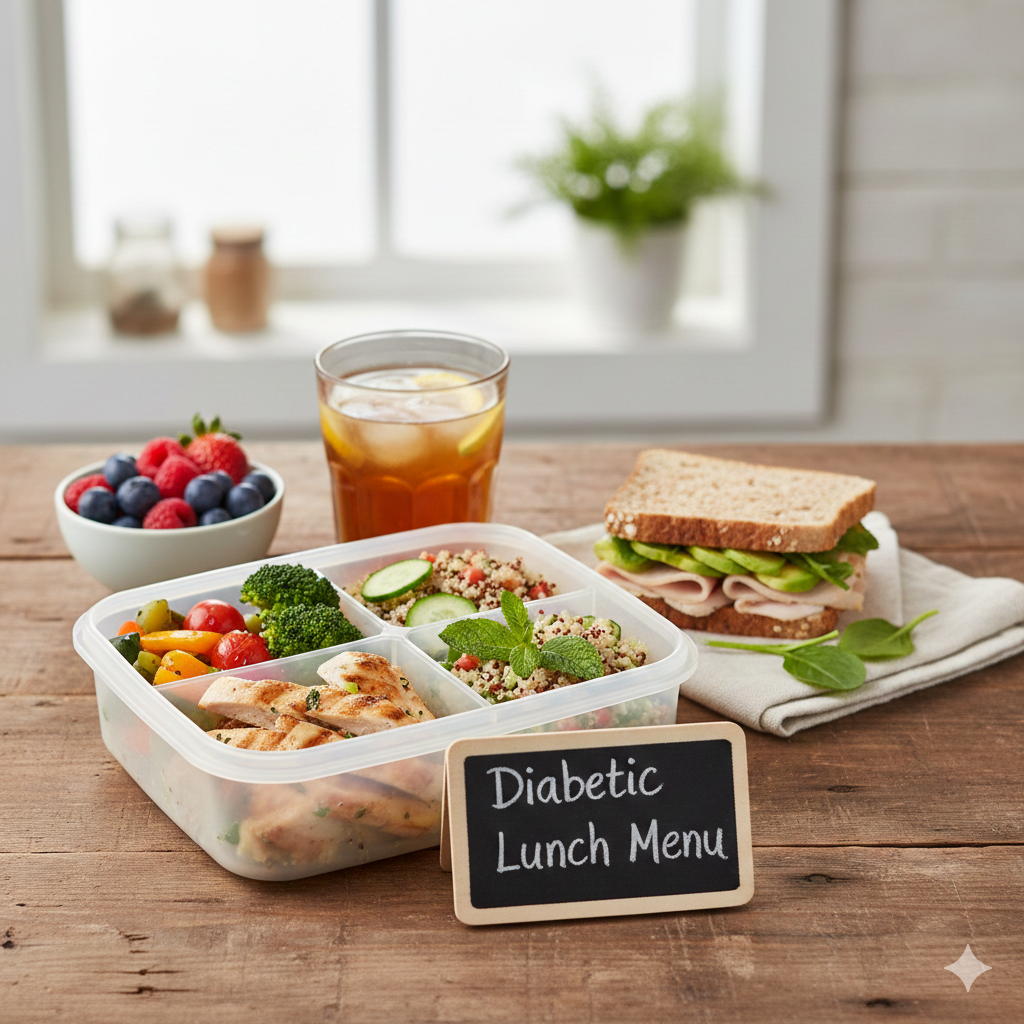
Stop the post-meal glucose spike and the afternoon slump. Discover the complete strategy for lunches that fuel your energy, keep your blood sugar steady all day long, and actually taste good.
We have all been there: 2:00 PM hits, and suddenly you can barely keep your eyes open. For the average person, this is a passing “food coma.” For someone with diabetes, it is a warning signal. The post-lunch blood sugar spike — followed by the reactive dip — leaves you feeling lethargic, thirsty, unable to concentrate, and craving sugar all over again. This cycle, repeated daily, is one of the most damaging patterns in diabetic metabolic health.
Lunch is consistently the “forgotten meal” of diabetic management. You might have refined your diabetic breakfast menu to a reliable routine, but when the midday rush hits, convenience almost always wins over nutrition. The result? Processed sandwiches on refined white bread, high-sodium canned soups, fast food, or a desk meal grabbed from whatever is available — all of which can wreck your afternoon glucose levels and undermine the effort invested in your morning meal and evening plan.
It doesn’t have to be this way. A properly constructed diabetic lunch menu can be your most powerful midday metabolic tool. By focusing on the right balance of fiber, lean protein, and healthy fats — and by understanding exactly which foods create dangerous glucose spikes versus which ones deliver hours of stable energy — you can walk away from every lunch feeling satisfied, clear-headed, and in control. Whether you need a structured diabetic menu for working adults with meal prep shortcuts or a relaxed home-cooked plan, this guide covers every scenario.
⚠️ The Hidden Lunch Danger: Post-Meal Hyperglycemia
Post-meal blood sugar spikes (postprandial hyperglycemia) are often more dangerous to long-term cardiovascular health than elevated fasting glucose. Research suggests that the height and frequency of these spikes — not just average blood sugar — independently predict arterial damage, retinal complications, and cardiac events. Lunch, eaten at the midpoint of your most active hours, is the meal with the most opportunity to either amplify or eliminate this risk.
The Science Behind the Afternoon Blood Sugar Crash
To build a lunch that truly prevents the afternoon slump, it helps to understand exactly what is happening physiologically when you eat the wrong foods at midday. The 2 PM crash is not simply about tiredness — for diabetics, it has a specific and predictable biochemical chain reaction.
When you consume a high-glycemic lunch — a white bread sandwich, a bowl of instant noodles, a packaged “low-fat” meal with hidden sugar — blood glucose rises sharply and rapidly. The pancreas (or your insulin medication) responds with a surge of insulin to clear this glucose from the blood. In people with type 2 diabetes and insulin resistance, this process overshoots: too much insulin activity relative to how cells can absorb glucose creates a reactive drop — glucose falls faster than it rose, triggering hunger hormones, stress hormones (cortisol and adrenaline), and the profound fatigue that characterizes the afternoon crash.
This is sometimes called the “second meal effect” — the quality of your lunch directly influences your blood sugar response not just for the next two hours but for the entire afternoon and into dinner. A low-glycemic, high-fiber lunch has been shown to produce a meaningfully smaller post-meal glucose spike after dinner the same day, even if dinner is identical between groups. This is because high-fiber legumes and complex grains eaten at lunch continue to moderate glucose absorption rates through the afternoon through their sustained fermentation effects on gut bacteria and transit time.
The solution is not to eat less at lunch — it is to eat strategically. The right macronutrient combination at midday works with your body’s natural metabolic rhythm rather than against it.
The Anatomy of a Blood-Sugar-Friendly Lunch
Creating the perfect diabetic lunch is not about following a complex recipe every single day — it is about internalizing a simple, flexible formula that works with virtually any ingredient combination. The American Diabetes Association’s Diabetes Plate Method provides the ideal visual framework for portion control without counting every gram.
🍽️ The Perfect Diabetic Lunch Formula (Plate Method)
- 50% Non-Starchy Vegetables: Leafy greens, broccoli, bell peppers, cucumbers, tomatoes, zucchini, asparagus, cauliflower. These provide high-volume fiber that physically slows gastric emptying and glucose absorption — fill this half generously before touching anything else on the plate.
- 25% Lean Protein: Chicken breast, turkey, tuna, salmon, tofu, tempeh, hard-boiled eggs, cottage cheese, or legumes. Protein has essentially zero direct impact on blood glucose, creates powerful satiety hormones (GLP-1, PYY), and preserves the lean muscle mass that drives long-term insulin sensitivity.
- 25% Complex Carbohydrates: Quinoa, brown rice, sweet potato, lentils, black beans, barley, or sprouted grain bread. These are your slow-burning fuel — choose options with a glycemic index under 55 and at least 3g of fiber per serving.
- Healthy Fat (The Stabilizing Bonus): 1/4 avocado, a drizzle of olive oil, a small handful of nuts, or seeds. Fat slows gastric emptying and blunts the peak glucose spike by 20–30% compared to the same meal without fat. It is not optional — it is a functional ingredient.
This formula works equally well whether you are following a strict low-carb weekly diabetic menu (simply reduce the complex carb portion and increase vegetables and protein) or a more moderate balanced approach. The ratios are flexible — the principle of anchoring every lunch with fiber, protein, and fat is not.
Understanding Your Lunch Carbohydrate Target
Most diabetes nutritional guidelines recommend 45–60 grams of total carbohydrates per main meal as a general starting point, though individual targets vary significantly based on medications, physical activity level, body size, and individual glucose response. The quality of those carbohydrates matters as much as the quantity. Forty-five grams of carbohydrate from lentils (with 15g fiber, GI of 28) produces a completely different blood glucose response than 45 grams from white bread (2g fiber, GI of 75).
If you track your meals with a continuous glucose monitor (CGM) or post-meal blood glucose testing, aim to keep your 2-hour post-lunch reading under 140 mg/dL. If you are consistently spiking above this threshold, reduce the carbohydrate portion of lunch first before modifying anything else — then test again over the next 3–5 days to evaluate the response.
Glycemic Index of Common Lunch Foods: Your Quick Reference
Not all carbohydrate-containing lunch foods are equal. The Glycemic Index (GI) measures how rapidly a food raises blood glucose on a scale of 0–100, while Glycemic Load (GL) accounts for actual serving size. Both matter for constructing a safe diabetic lunch. Use this table to make instant informed swaps.
| Food | GI Score | Typical Lunch Serving | Glycemic Load | Diabetic Verdict |
|---|---|---|---|---|
| White bread (2 slices) | 75 | 50g | High (27) | ❌ Avoid — rapid spike |
| Sprouted grain bread (2 slices) | 36 | 50g | Low (8) | ✅ Best bread choice |
| Authentic sourdough (1 slice) | 52 | 30g | Medium (8) | ✅ Acceptable in portion |
| White rice (1/2 cup cooked) | 72 | 90g | High (25) | ❌ Replace with cauliflower rice |
| Brown rice (1/2 cup cooked) | 50 | 90g | Medium (12) | ⚠️ Moderate — watch portion |
| Quinoa (1/2 cup cooked) | 53 | 90g | Low (10) | ✅ Excellent — also a protein |
| Lentils (1/2 cup cooked) | 28 | 100g | Very Low (5) | ✅ Best carb choice for lunch |
| Black beans (1/2 cup) | 30 | 100g | Very Low (6) | ✅ Excellent fiber + protein |
| Sweet potato (1/2 medium) | 44 | 75g | Low (8) | ✅ Good with skin on |
| Instant noodles (1 packet) | 67 | 85g dry | High (43) | ❌ High GI + very high sodium |
| Apple (medium) | 36 | 138g | Low (6) | ✅ Great snack alongside lunch |
| Corn tortilla (2 small) | 52 | 52g | Medium (10) | ✅ Better than flour tortillas |
A practical rule of thumb: any food with a GI over 60 should either be avoided at lunch or offset by being eaten alongside a generous portion of protein, fat, and fiber — all of which reduce the effective glycemic response of the overall meal.
Lunch Ingredients: The Complete Diabetic Reference Guide
Not all lunch foods are created equal. Deli meats, pre-packaged soups, commercial dressings, and “healthy” convenience items often hide dangerous levels of sodium and sugar that undermine both blood pressure and blood sugar goals. Here is your expanded, comprehensive reference table — updated to include fruits, beverages, and condiments that are frequently overlooked.
| Category | ✅ Green Light (Eat Freely) | ⚠️ Yellow Light (Portion Control) | ❌ Red Light (Avoid or Limit) |
|---|---|---|---|
| Sandwich Bases | Lettuce wraps, Collard green wraps, Sprouted grain bread (Ezekiel-style) | Whole wheat pita (check fiber), Authentic sourdough (1 slice open-faced), Corn tortillas | White bread, Bagels, Kaiser rolls, Croissants, Flour tortillas, Pita chips |
| Proteins | Freshly roasted chicken breast, Canned tuna in water (rinsed), Hard-boiled eggs, Tofu, Tempeh, Lentils, Chickpeas | Low-sodium deli turkey (check label — under 300mg/serving), Rotisserie chicken (avoid heavily seasoned skin), Canned salmon (rinsed) | Salami, Bologna, Pepperoni, Breaded fried chicken, Honey-glazed ham, Most deli meats over 500mg sodium/serving |
| Soups & Sides | Homemade vegetable-lentil soup (no-added-salt broth), Bone broth (low-sodium), Side salad with olive oil | Canned lentil or minestrone soup (rinse beans, limit to 1 cup), Homemade chili (watch starch portion) | Canned cream soups (chowders), Instant ramen, French fries, Potato chips, Commercial mac and cheese |
| Dressings & Condiments | Extra virgin olive oil + vinegar, Fresh lemon juice, Plain mustard (Dijon or yellow), Avocado mash, Apple cider vinegar | Light mayonnaise (1 tsp), Low-sodium hot sauce, Hummus (2 tbsp low-sodium) | Honey mustard (10–15g sugar), BBQ sauce, Sweet vinaigrettes, Ranch dressing (high-fat + high-sodium), Thousand Island dressing |
| Vegetables | All non-starchy fresh or plain frozen: spinach, arugula, broccoli, cucumbers, peppers, tomatoes, zucchini, asparagus | Corn (watch portion — higher starch), Peas, Beets (higher natural sugar) | Pickles in large amounts (very high sodium), Canned vegetables with added salt, Vegetables in cream or cheese sauce |
| Fruits (as sides) | Berries (all), Apple, Pear, Citrus wedges, Kiwi | Banana (half — moderate GI), Grapes (small portion), Melon | Dried fruit, Fruit in syrup, Juice boxes, Fruit leather, Raisins |
| Beverages | Water, Sparkling water with lemon, Unsweetened herbal or green tea, Black coffee | Unsweetened kombucha (check added sugar), Low-sodium tomato juice (4oz) | Regular soda, Diet soda (frequent consumption), Sweetened iced tea, Fruit juice, Sports drinks, Flavored lattes |
| Fats | Avocado (1/4), Extra virgin olive oil (1 tbsp), Walnuts (small handful), Almonds, Chia seeds, Ground flaxseed | Low-fat cheddar (1 slice), Part-skim mozzarella, Natural peanut butter (1 tbsp) | Full-fat processed cheese, Cream cheese in large amounts, Fried foods, Chips, Butter-based spreads |
If you are managing hypertension alongside diabetes, apply extra scrutiny to everything in the “Red Light” protein column — processed deli meats are simultaneously the highest glycemic-load and highest sodium items that appear most frequently in typical lunches. See our diabetic menu for high blood pressure for the complete dual-management guide.
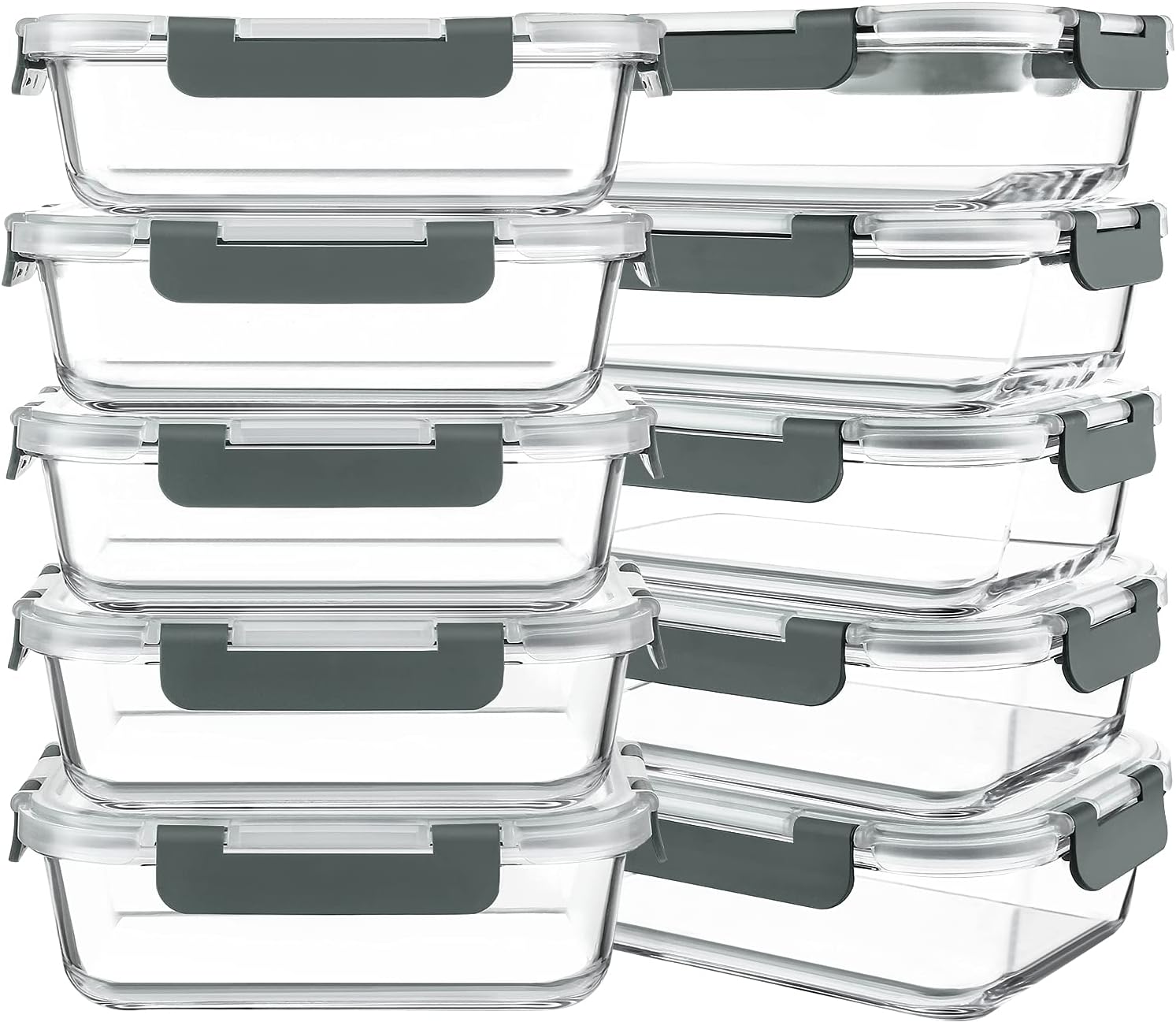
Leakproof Glass Meal Prep Containers
Ditch the plastic. Keep your grain bowls, salads, and portioned leftovers fresh and ready-to-grab with these dual-compartment glass containers. Glass doesn’t leach chemicals, keeps food tasting better longer, and is microwave-safe for easy reheating — making them the ideal investment for anyone committed to a consistent diabetic lunch routine.
Check Price on Amazon7-Day Diabetic Lunch Menu (Detailed Daily Plan)
This meal plan offers genuine variety to keep your palate engaged while keeping your afternoon glucose stable. Each lunch includes a “Why It Works” explanation so you understand the blood sugar logic — not just the recipe. The plan aligns generally with a 1,500 calorie diabetic menu but can be scaled up by increasing protein and non-starchy vegetable portions without impacting glucose targets.
Day 1: The Big Salad Approach
🥗 The Meal
Grilled chicken breast (4oz) sliced over a generous bed of baby spinach and arugula, with sliced cucumbers, halved cherry tomatoes, shredded carrots, and 1/4 ripe avocado. Dressed with 1 tablespoon of extra virgin olive oil and apple cider vinegar — no bottled dressing. Optional: a small sprinkle of pumpkin seeds for crunch, magnesium, and additional healthy fat.
~14g carbs | ~9g fiber | ~34g protein | ~120mg sodium
Day 2: The Hearty Lentil Soup
🍲 The Meal
Homemade red or green lentil soup (1.5 cups) made with no-added-salt vegetable broth, diced tomatoes (no-salt-added canned or fresh), garlic, turmeric, cumin, and smoked paprika. Finished with a squeeze of lemon juice. Served with a side of sliced bell peppers and 3 tablespoons of low-sodium hummus for dipping. Making this from scratch rather than opening a can is the non-negotiable step — a typical commercial lentil soup contains 700–900mg sodium per serving; homemade delivers under 100mg.
~48g carbs | ~16g fiber | ~20g protein | ~95mg sodium
Day 3: The Sandwich Alternative (Lettuce Wrap)
🥬 The Meal
Large, crisp Romaine lettuce leaves used as wraps filled with: 3oz freshly oven-roasted turkey breast (or low-sodium deli turkey — check the label for under 300mg sodium per 2oz serving), one slice of Swiss cheese (naturally lower in sodium than most cheeses), plain yellow mustard, sliced avocado, and fresh tomato. Add red pepper flakes or fresh herbs for extra flavor without sodium. Serve 2–3 wraps per meal depending on size.
~12g carbs | ~5g fiber | ~30g protein | ~280mg sodium
Day 4: The Grain Bowl
🌾 The Meal
Half a cup of cooked quinoa as the base, topped with drained and rinsed canned black beans (rinsing removes up to 40% of the sodium), fresh or frozen corn kernels, finely chopped fresh cilantro, diced red onion, and a generous squeeze of lime juice. Topped with 3oz grilled shrimp or a portion of baked firm tofu. Add 1/4 avocado sliced on top. Season with cumin, garlic powder, and black pepper — no salt needed.
~52g carbs | ~13g fiber | ~28g protein | ~160mg sodium
Day 5: The Smart Leftover Lunch
♻️ The Meal
Cold leftover roasted salmon fillet (from dinner the previous evening) served alongside a quinoa and green bean salad: 1/3 cup cooked quinoa (cooled), steamed and cooled green beans, halved cherry tomatoes, fresh dill, and a simple dressing of lemon juice and olive oil. When grains like quinoa are cooled, a portion of their starch converts to resistant starch — which bypasses glucose absorption and instead feeds beneficial gut bacteria, further lowering the overall glycemic impact of the meal.
~30g carbs | ~7g fiber | ~36g protein | ~130mg sodium
Day 6: The Bistro Box (No Cooking Required)
📦 The Meal
A structured “adult lunchable” assembled from whole, minimally processed components: 2 hard-boiled eggs, a small handful of raw unsalted almonds (approximately 20), a slice or two of low-sodium Swiss or sharp cheddar (sharp cheddar has more flavor per gram, so you need less), a cup of baby carrots and celery sticks, and one small apple. No cooking, no heating, no kitchen required — just assembly and portioning the night before.
~28g carbs | ~7g fiber | ~22g protein | ~180mg sodium
Day 7: The Comfort Food Makeover
🫠 The Meal
Open-faced tuna melt: one slice of sprouted grain toast (choose a brand with under 100mg sodium per slice and at least 3g fiber), topped with a generous portion of tuna salad made with light mayonnaise, diced celery, lemon juice, and black pepper. Add a thick slice of ripe tomato and one thin slice of low-fat cheddar. Broil for 2–3 minutes until cheese bubbles. Serve alongside a large green salad dressed with olive oil and vinegar.
~28g carbs | ~8g fiber | ~32g protein | ~320mg sodium
Ready to extend beyond one week? Explore our 14-day diabetic meal plan or the comprehensive 30-day diabetic menu for structured long-term guidance.

Stainless Steel Insulated Food Jar
Keep your homemade lentil soups, chilis, and grain dishes at a safe serving temperature all the way to your lunch break — no microwave queue, no soggy reheating. For working diabetics, an insulated food jar is one of the highest-ROI investments you can make in your daily nutrition. Fill it the night before and it stays hot until noon.
Check Price on AmazonThe Diabetic’s Fast Food Lunch Survival Guide
Despite the best intentions, there will be days when fast food or restaurant eating is unavoidable. The good news is that virtually every major fast food chain now has options that can be made reasonably blood sugar-friendly with the right modifications. The key is knowing exactly what to order, what to skip, and what to ask for differently.
🍔 Burger Chains (McDonald’s, Wendy’s, Burger King)
- Grilled chicken sandwich — order without the bun, wrapped in lettuce
- Side salad with olive oil packet (skip the sugary dressings)
- Chili (Wendy’s) — surprisingly high in fiber and protein
- Grilled nuggets over crispy — dramatically lower carbs and fat
- Any “crispy” or fried item — breading adds 15–25g carbs and inflammatory fat
- Regular fries or any potato side
- Any sweetened sauce, glaze, or honey dip
- Milkshakes, sweetened coffees, sodas
🌮 Mexican Chains (Chipotle, Taco Bell)
- Burrito bowl (not the tortilla) with double vegetables and beans
- Skip the rice entirely — saves 40+ grams of refined carbs
- Extra guacamole (healthy fat + fiber)
- Salsa and pico de gallo (no added sugar, very low calorie)
- Taco Bell Power Bowl (protein bowl) — modify to remove rice
- Flour tortillas (white flour, 40–50g carbs each)
- Sour cream in large amounts (saturated fat)
- Queso dip (high sodium + saturated fat)
- Cinnabon-style dessert items
🥗 Sandwich Chains (Subway, Panera, Jimmy John’s)
- Subway: any protein as a salad bowl instead of sandwich
- If using bread: 6-inch on 9-grain wheat, choose open-faced
- Panera: You Pick Two — half salad + cup of lentil or turkey chili
- Load up on vegetable toppings to increase fiber content
- Jimmy John’s: Unwich (lettuce wrap) — eliminates all sandwich bread carbs
- 12-inch sub (70–90g carbs from bread alone)
- Any sweet bread option (honey oat, Italian herb at Subway)
- Chips or cookie sides
- Macaroni or pasta salad sides (high refined carb)
🍣 Asian / Other Options
- Sushi restaurants: sashimi (pure protein, no rice carbs), edamame, miso soup (small portion)
- Thai: any stir-fry dish over cauliflower rice or asked without rice
- Indian: lentil dal, tandoori chicken, raita — skip naan bread
- Mediterranean: kebab bowl with tzatziki, tabbouleh, and grilled protein
- Sushi rolls (white rice is 30–40g carbs per roll)
- Pad Thai or noodle dishes (high GI, often high sugar)
- Fried rice (white rice + oil = double glucose spike)
- Spring rolls or egg rolls (deep-fried, refined starch)
📱 The Universal Fast Food Ordering Strategy
Before you arrive anywhere, do 30 seconds of menu research. Almost every fast food chain now publishes full nutrition data on their app or website. The four modifications that save the most carbohydrates and sodium from any fast food lunch: (1) skip the bun or bread, (2) skip the rice, (3) dressing on the side (use one-quarter of it), and (4) replace the sweetened drink with water or unsweetened tea. These four changes alone can reduce a 100g+ carbohydrate fast food lunch to under 40g without changing the protein or vegetable portions.
⏱️ The 5-Day Diabetic Lunch Meal Prep Protocol (60 Minutes, Sunday)
The single most impactful habit change for anyone managing a diabetic lunch menu is a Sunday batch prep session. When healthy, portioned lunches are already in the refrigerator on Monday morning, the decision is made — there is no moment of weakness at noon where a vending machine or drive-thru becomes the path of least resistance.
- Cook your grain base (15 min): Prepare a large pot of quinoa (3 cups dry makes 6 cups cooked — enough for the entire week’s grain bowls and sides). While it cooks, use the time for the next step. Let it cool before portioning into containers.
- Roast your proteins (25 min active, unattended): Season 1–1.5 lbs of chicken breast with garlic powder, paprika, and olive oil and roast at 400°F. While it cooks, hard-boil 6 eggs (perfect for bistro box days). Both items refrigerate for 5 days.
- Wash and prep all produce (15 min): Wash and spin-dry all salad greens (store with paper towels to absorb moisture and they stay crisp 5–6 days). Slice cucumbers, dice bell peppers, halve cherry tomatoes. Store each in separate containers so lunches can be assembled quickly without additional prep.
- Make one batch soup or chili (30 min active, can run while other things cook): A large pot of lentil soup or turkey chili provides 3–4 lunches instantly. Portion into individual mason jars or insulated containers for grab-and-go days.
- Pre-portion snack components: Divide almonds and walnuts into small containers. Pre-slice apples (store with a squeeze of lemon to prevent browning). Pre-portion hummus into small containers. These become instant sides for any lunch assembly.
Total active time: approximately 60 minutes. Payoff: 5 ready-to-go lunches that cost a fraction of takeout and are precisely calibrated for blood sugar stability. For more detailed strategies, see our diabetic menu for working adults.
Adapting Your Diabetic Lunch for Real Life Situations
A lunch menu is only valuable if it fits your actual life. Here is how to customize the core approach for specific circumstances and population needs.
For the Busy Office Worker
Sunday meal prep is non-negotiable if you work in an office with limited access to healthy food options. When you must eat out, look for “bowls” instead of sandwiches at every cuisine type — they are easier to customize, less carb-heavy, and allow you to control dressing and sauces. Always ask for dressing on the side and use approximately one-quarter of what they provide. If ordering a salad, add a protein and ask to substitute any croutons for nuts or seeds. Our guide on the diabetic menu for working adults covers the complete office lunch strategy.
For Seniors and Those with Dental Challenges
Raw salads and hard raw vegetables can be genuinely difficult and uncomfortable for those with dental issues or reduced saliva production (a side effect of some diabetes medications). Opt for soft-cooked vegetable medleys, steamed broccoli or cauliflower, baked or poached fish (which flakes easily), and thick blended vegetable soups that deliver full nutritional density without any chewing challenge. Lentil soup is particularly valuable here — it is soft, filling, high-fiber, and requires no significant chewing effort. See our specialized guides for a diabetic menu for seniors and diabetic menu for elderly with no teeth.
For Budget-Conscious Meal Planning
A blood sugar-stabilizing diabetic lunch does not require expensive specialty health foods. Dried lentils and beans (literally the cheapest foods per gram of protein and fiber in any grocery store), canned tuna in water, frozen spinach and vegetables, eggs, oats, and brown rice are among the most metabolically powerful foods available — and among the cheapest. A week’s worth of lunch ingredients built around these staples costs a fraction of even one restaurant meal. See our low-income diabetic menu for a complete budget-optimized meal framework.
For Weight Management and Prediabetes Reversal
If your primary goal is weight reduction to reverse prediabetes or improve insulin resistance, apply a specific sequencing strategy at every lunch: eat your non-starchy vegetables first, then your protein, then your complex carbohydrates. Research shows that eating food in this order — fiber and protein before carbohydrates — reduces post-meal glucose peaks by 37–44% compared to eating carbohydrates first, even when the total carbohydrate quantity is identical. Start with the salad, eat the protein, then the grain portion last. This is one of the simplest and most evidence-supported blood sugar interventions available. For more aggressive calorie control, consider a 1,200 calorie diabetic menu under physician supervision.
The Post-Lunch Walk: The Non-Dietary Multiplier
No lunch plan discussion is complete without mentioning the single most underused tool for post-meal blood sugar control: a 10–15 minute walk immediately after eating. Studies consistently show that even a slow, leisurely post-lunch walk reduces the post-meal glucose peak by 20–30% compared to sitting at a desk. This works because walking activates GLUT-4 glucose transporters in leg muscle cells — pulling glucose out of the bloodstream through a mechanism that operates completely independently of insulin. For office workers, this might mean a walk around the block, climbing a few flights of stairs, or even gentle walking in place at your desk. The effect is real, immediate, and requires no equipment, no prescription, and no additional cost.
Frequently Asked Questions About Diabetic Lunches
Yes, but the bread is the “vehicle” for your nutrients — and it is often a high-carb vehicle. Choose thin-sliced sprouted grain bread (Ezekiel-style), authentic sourdough, or pumpernickel, all of which have significantly lower glycemic indices than white or standard whole wheat bread. Open-faced sandwiches cut carb load nearly in half. Lettuce wraps eliminate it entirely. Load the filling with high-protein ingredients (turkey, tuna, egg) and abundant vegetables to create a complete, stable lunch regardless of the bread choice.
Soup can be one of the best or worst diabetic lunches depending entirely on how it is made. Homemade vegetable-lentil, turkey-bean, or broth-based soups are exceptional — high in fiber, low in glycemic impact, and deeply satisfying. Commercial canned soups, however, frequently contain 700–1,200mg of sodium per serving alongside hidden starch thickeners. Cream-based chowders typically use flour or cornstarch as a thickener, adding unnecessary refined carbohydrates. The rule: if you make it yourself with no-added-salt broth, soup is a diabetic superfood. If it comes from a can, read the label with extreme care.
More than most people realize — with the right modifications. At burger chains: grilled chicken without the bun, side salad with olive oil packet, or chili. At Mexican chains: any protein as a bowl without rice, with double beans, salsa, and guacamole. At sandwich chains: lettuce wrap options (Jimmy John’s Unwich), salad bowls, or open-faced on the lowest-GI bread available. At sushi restaurants: sashimi, edamame, and miso soup in small quantities. The universal rules: skip the bun, skip the rice, dressing on the side, replace sweetened drinks with water or unsweetened tea.
Yes — significantly. Eating lunch 4–5 hours after breakfast maintains a predictable glucose rhythm and prevents both the dangerous lows (hypoglycemia) that can occur in medicated patients who delay eating, and the compensatory overeating that happens when hunger becomes extreme. Consistent meal timing also trains your body’s circadian insulin response, making blood sugar management easier and more predictable over time. Aim to eat within a 30-minute window of the same time each day, including weekends where possible. The pattern matters as much as the food.
Most general diabetes nutrition guidelines suggest 45–60 grams of carbohydrates per main meal as a starting framework, though this varies widely based on medications, body size, activity level, and individual glucose response. The quality of the carbohydrates matters as much as the quantity: 50g of carbohydrates from lentils (GI 28, 15g fiber) produces a dramatically different blood glucose response than 50g from white bread (GI 75, 1g fiber). Always pair carbohydrates with protein, fat, and fiber at every lunch to blunt the peak glucose response regardless of the carb quantity.
The best portable options combine blood sugar stability with zero reheating requirement: grain bowls packed in glass containers (quinoa holds up well cold), lettuce wraps packed with fillings in a separate container assembled at work, bistro boxes with hard-boiled eggs, almonds, cheese, and raw vegetables, insulated food jar soups or chilis, cold salmon or tuna salad with lettuce cups, and overnight chia pudding with nuts and berries. The insulated food jar is particularly valuable for hot soups — fill it the night before and it stays at a safe temperature until noon without any microwave access needed.
Yes, but the choice matters significantly for both blood sugar and sodium management. Extra virgin olive oil and vinegar (apple cider, balsamic, red wine) are the safest and most metabolically beneficial options — olive oil provides MUFA for LDL reduction, and the acetic acid in vinegar modestly lowers post-meal glucose. Avoid honey mustard, sweet vinaigrettes, and most commercial bottled dressings, which can contain 5–15g of added sugar and 200–400mg of sodium per two-tablespoon serving. A simple homemade dressing of olive oil, lemon juice, Dijon mustard, and black pepper costs almost nothing, takes 30 seconds to make, and is superior to any commercial option.
Final Verdict: Lunch Is Your Midday Metabolic Reset
Stop viewing lunch as just a pause in your workday. Every midday meal is a metabolic reset button — one that either amplifies the morning’s blood sugar work or undermines it. The right lunch clears the brain fog that chronic post-meal hyperglycemia creates, stabilizes your mood and energy for the afternoon, and creates the stable glucose environment your body needs to protect your blood vessels, kidneys, and eyes over the long term.
The formula is not complicated: fill half your plate with non-starchy vegetables first, add a strong protein source, add a small portion of a truly low-glycemic complex carbohydrate, and include a source of healthy fat to slow it all down. Every single lunch in the 7-day plan above follows this structure — which means once you understand the logic, you can construct a blood sugar-friendly lunch from almost any ingredients available to you, anywhere in the world.
Start by picking two or three lunches from the menu above and rotating them this week. Once they feel routine, add two more. Within a month, you will have built a complete repertoire of go-to lunches that require virtually no decision-making — the most powerful outcome possible for long-term diabetic management.
Ready to plan your entire day? Check out our weekly diabetic meal plan for a complete roadmap from breakfast through dinner, or explore our diabetic breakfast menu to optimize the meal that sets up everything that follows.