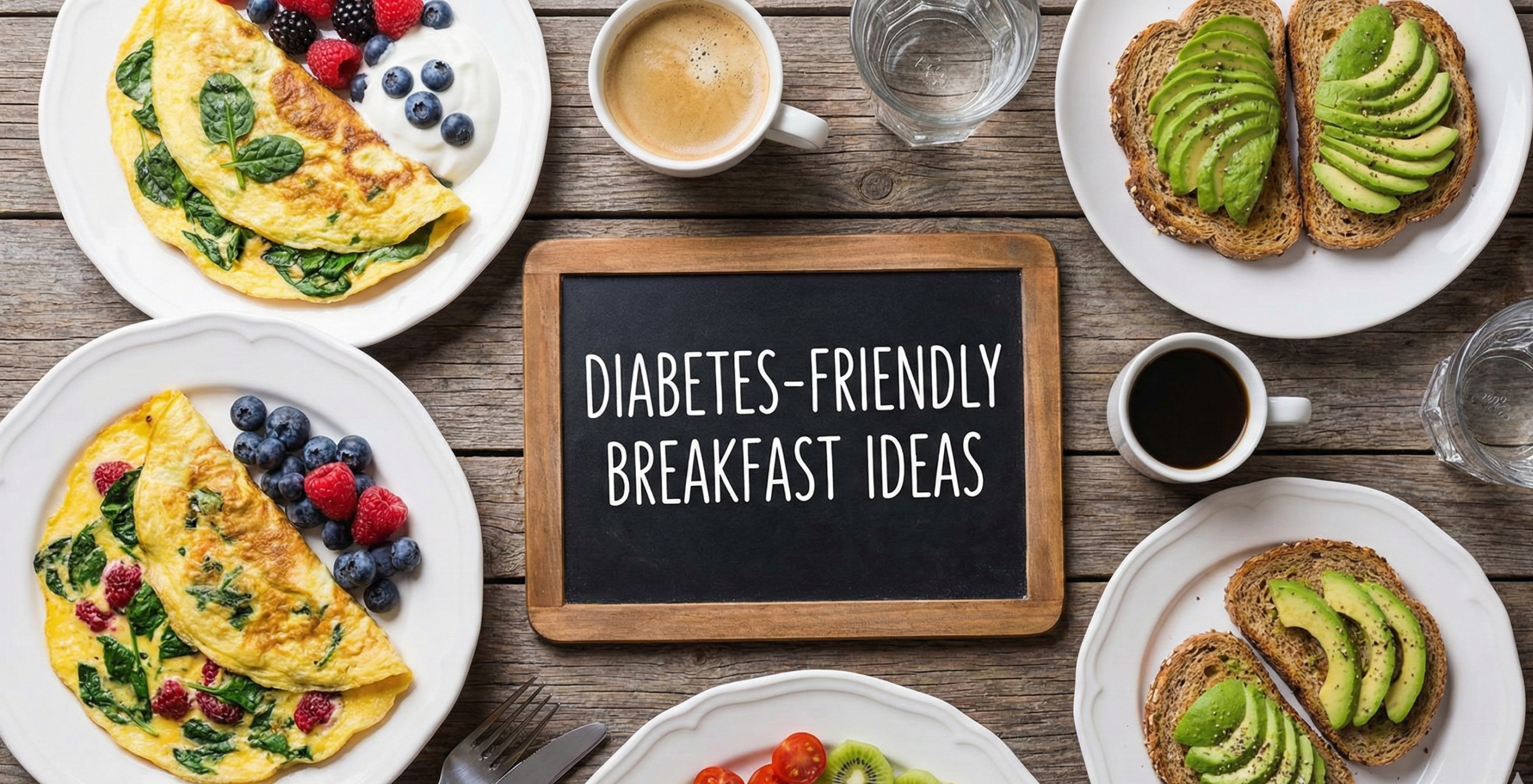
Breakfast Ideas for Diabetes: Mastering the Most Critical Meal of the Day
The “Dawn Phenomenon” is a reality many diabetics wake up to every single day. Your liver dumps glucose into your bloodstream as you wake, meaning you often start your morning with higher-than-desired numbers before you’ve taken a single bite. This biological quirk makes your choice of breakfast not just a meal—it is a medical intervention. The right breakfast can blunt that morning spike and set a stable tone for the rest of the day.
Finding breakfast ideas for diabetes isn’t just about avoiding sugar; it’s about strategic nutrition that stabilizes insulin, provides sustained energy without the crash, and sets the metabolic tone for the next 12 hours. Whether you are managing Type 2 diabetes, prediabetes, or insulin resistance, the old advice of “cereal and toast” is outdated and potentially dangerous. You need meals that combine protein, healthy fats, and fiber to slow glucose absorption and keep you full.
In this comprehensive guide, we move far beyond the basics. We will explore high-protein powerhouses, plant-based options, meal timing science, cultural breakfast adaptations, and quick fixes for busy mornings—all while integrating principles from a 30-day low glycemic diet menu. We’ll link to specialized resources throughout to ensure you never run out of inspiration.
The Metabolic Trio: Protein, Fiber, and Healthy Fats
Why do traditional Western breakfasts fail diabetics? They are carb-heavy and nutrient-thin. Bagels, pastries, flavored cereals, and fruit juices flood the bloodstream with glucose, causing a rapid spike followed by a crash that leaves you fatigued and craving more carbohydrates within two hours. To counteract this, every breakfast idea we propose relies on the “Metabolic Trio”—protein, fiber, and healthy fats—which together create a slow, steady release of energy and a dramatically flattened glucose curve.
The Golden Rule of Diabetic Breakfasts
Never eat a “naked carbohydrate.” If you eat carbohydrates—even healthy ones like oats or whole-grain toast—you must pair them with a protein or healthy fat to slow digestion and blunt the insulin spike. This single rule transforms a potentially harmful meal into a blood-sugar-stabilizing one.
1. Prioritize Protein (20–30g Minimum)
Protein is the most satiating macronutrient. A high protein diabetic menu has been shown to improve glycemic control significantly. Starting the day with eggs, Greek yogurt, cottage cheese, or tofu signals your body to burn fuel steadily rather than store it. Protein also stimulates glucagon—a hormone that counterbalances insulin and helps prevent hypoglycemia. Research consistently shows that high-protein breakfasts reduce total daily caloric intake by an average of 175–400 calories due to superior appetite suppression.
2. Fiber is Your Filter (Aim for 8–10g)
Fiber acts as an internal mesh, slowing the absorption of glucose and binding to cholesterol. For those following a high fiber diabetic meal plan, breakfast is the easiest time to hit nearly 50% of your daily fiber target through chia seeds, flaxseed, berries, and leafy greens. Soluble fiber—found in oats, apples, and barley—is particularly effective at lowering LDL cholesterol and blunting post-meal glucose spikes by forming a viscous gel in the digestive tract.
3. Don’t Fear the Fat (Quality Matters)
Healthy fats from avocados, nuts, seeds, and olive oil have a negligible direct impact on blood sugar. They provide caloric density needed to keep you full until lunch, preventing the mid-morning snack attack that often derails a 1200 calorie diabetic menu plan. Monounsaturated and polyunsaturated fats also support brain health, reduce systemic inflammation, and improve the lipid profile—addressing cardiovascular risk that runs parallel to diabetes.
Best Protein Sources
Eggs, Greek yogurt, cottage cheese, tofu, smoked salmon, turkey sausage (low-sodium)
Best Fiber Sources
Chia seeds, flaxseed, berries, steel-cut oats, spinach, kale, avocado
Best Fat Sources
Avocado, walnuts, almonds, extra virgin olive oil, natural nut butters, hemp seeds
Always Avoid
Fruit juice, flavored yogurt, instant oats, sweetened cereals, pastries, bagels

Master Your Macros Visually
Struggling to balance protein, carbs, and fats? A portion control plate takes the guesswork out of plating your breakfast.
Check Price on AmazonUnderstanding the Dawn Phenomenon
Before choosing what to eat, it helps to understand what is happening in your body between approximately 3 AM and 8 AM. During this window, the body releases a surge of counter-regulatory hormones—primarily cortisol and growth hormone—that prepare you to wake and function. One of their effects is instructing the liver to release stored glucose (glycogen) into the bloodstream, a process called hepatic glucose output.
In people without diabetes, this glucose release is matched by an automatic insulin response. In diabetics—particularly Type 2—this insulin response is impaired, meaning the morning glucose release goes partially unchecked. The result: many diabetics wake up with fasting blood sugar that is paradoxically higher than their bedtime reading, despite having eaten nothing overnight.
How Breakfast Can Counteract the Dawn Phenomenon
Strategic breakfast choices help manage this in several ways:
- Eating breakfast early suppresses further hepatic glucose output. The act of eating signals the body that fuel has arrived, reducing the liver’s need to continue releasing stored glucose.
- Protein at breakfast stimulates GLP-1, the same hormone that newer diabetes medications (like semaglutide) mimic—it suppresses appetite, slows gastric emptying, and reduces post-meal glucose spikes.
- Avoiding high-GI breakfasts prevents a secondary spike on top of the dawn phenomenon, which would create a compounding glucose elevation through the mid-morning period.
⚠️ The Somogyi Effect vs. Dawn Phenomenon
These are two distinct causes of high morning blood sugar. The Dawn Phenomenon is caused by overnight hormone surges. The Somogyi Effect (rebound hyperglycemia) is caused by overnight hypoglycemia—your body overcorrects from a nighttime low by releasing glucose. A continuous glucose monitor (CGM) or testing at 2–3 AM can help distinguish which is occurring. The breakfast strategy differs between the two, so getting a correct diagnosis from your healthcare provider matters.
Savory Starts: Breaking the “Sweet Breakfast” Habit
One of the most effective strategies for managing insulin resistance is switching from sweet to savory breakfasts. Sweet meals—pancakes, muffins, cereals—train your palate to expect sugar and create a dopaminergic reward loop that intensifies cravings. Savory options short-circuit this loop and keep blood sugar rock-steady.
The Ultimate Veggie Frittata
Eggs are the gold standard for diabetic protein. A frittata allows you to bulk up the meal with non-starchy vegetables, adding fiber and volume without meaningful carbohydrates.
🍳 Classic Veggie Frittata
- Base: 3 eggs whisked with a splash of unsweetened almond milk or water
- Fillings: Spinach, mushrooms, bell peppers, onions, zucchini, cherry tomatoes
- Fat: 1 tsp olive oil; top with 1 tbsp crumbled feta or Parmesan
- Why it works: Under 5g net carbs, 18g+ protein, 4–5g fiber from vegetables
Make a batch on Sunday in a 9-inch oven-safe skillet. Refrigerate and reheat slices all week—total prep time under 20 minutes for 5 breakfasts.
Avocado Toast Reinvented (Low-Carb Version)
Traditional bread is a spike trigger for many diabetics. Instead, opt for low-carb, high-fiber bread (look for 10g+ fiber per slice) or swap the bread entirely for roasted sweet potato rounds (in controlled portions) or large portobello mushroom caps—which provide an earthy, satisfying base with virtually zero net carbs.
If you are strictly following a low carb weekly diabetic menu, try seed-based crackers, cucumber rounds, or large lettuce leaves as your vessel. Top with mashed avocado, everything bagel seasoning, thinly sliced radishes, and a poached egg.
Turmeric Tofu Scramble (Vegan & Heart-Healthy)
For plant-based eaters or those watching cholesterol (see our diabetic menu for high cholesterol), tofu mimics scrambled eggs with remarkable fidelity. Press firm tofu, crumble it, and sauté with onions, peppers, and spinach. Season with turmeric (anti-inflammatory), nutritional yeast (cheesy flavor and B12), and black salt (kala namak) for an eggy flavor. Serve with half an avocado and a sprinkle of hemp seeds for Omega-3s.
🌿 Turmeric Tofu Scramble
- Protein: 200g firm tofu, pressed and crumbled
- Vegetables: ½ onion, 1 bell pepper, 2 cups spinach
- Seasoning: ½ tsp turmeric, 2 tbsp nutritional yeast, ¼ tsp kala namak, black pepper
- Fat: 1 tsp olive oil + ½ avocado on the side
The Egg Deep-Dive: Every Preparation Method Ranked
Eggs are the most versatile, affordable, and complete protein source available for diabetic breakfasts. One large egg contains 6g of high-quality protein, 5g of healthy fat, and essentially zero carbohydrates. But not all egg preparations are equal for blood sugar management—the additions matter as much as the egg itself.
| Preparation | Net Carbs | Blood Sugar Impact | Notes |
|---|---|---|---|
| Poached or boiled (plain) | 0g | None | Ideal baseline; pair with avocado or vegetables |
| Scrambled (butter or olive oil) | 0–1g | None | Avoid adding milk in large quantities |
| Frittata or oven-baked | 2–5g | Minimal | Depends on vegetable additions; all excellent |
| Fried in olive oil | 0–1g | None | Heart-healthy fat; fine in moderation |
| Eggs Benedict (classic) | 25–35g | High | English muffin and hollandaise sauce are the problem |
| Western omelet (no bread) | 4–7g | Very low | Excellent protein + vegetable combination |
| Egg muffins / egg cups | 2–4g | Minimal | Ideal meal prep; make 12 at once |
| Shakshuka (tomato-based) | 10–15g | Low–moderate | Tomatoes add carbs; skip bread for dipping |
Egg Muffins: The Ultimate Meal-Prep Breakfast
🧁 Batch Egg Muffins (Makes 12)
Preheat oven to 375°F (190°C). Grease a standard 12-cup muffin tin generously with olive oil spray.
- Whisk 10 large eggs with 2 tbsp unsweetened almond milk, salt, and pepper
- Fill each cup ⅓ full with your choice of: diced bell peppers, spinach, mushrooms, diced turkey, crumbled feta
- Pour egg mixture over fillings until cups are ¾ full
- Bake 20–22 minutes until set and lightly golden
- Store refrigerated for 5 days; reheat 60 seconds in microwave
Plant-Based Breakfasts for Diabetics
A well-constructed plant-based breakfast can be just as effective as an egg-based one for blood sugar management—and may offer additional benefits for cardiovascular health and inflammation reduction. The challenge for plant-based diabetics is avoiding the high-carbohydrate pitfalls common in vegan eating: white bread toast, fruit-heavy smoothies, sweetened soy yogurts, and refined grain cereals.
Tempeh Breakfast Bowl
Tempeh—fermented soybeans—is a superior plant protein with a firm, meaty texture. Slice and pan-fry in a small amount of olive oil with smoked paprika, garlic powder, and a splash of low-sodium tamari. Serve over sautéed kale with sliced avocado and a sprinkle of hemp seeds. Total protein: approximately 25g. Total net carbs: under 8g.
High-Protein Overnight Oats (Plant-Based)
🌙 High-Protein Overnight Oats
- Base: ½ cup rolled oats (not instant) + 1 cup unsweetened soy milk (highest protein plant milk)
- Protein boost: 1 scoop unflavored pea protein powder
- Fat: 1 tbsp almond butter stirred through
- Fiber: 1 tbsp chia seeds
- Flavor: ½ tsp cinnamon + 3 drops liquid stevia
- Topping (morning): ¼ cup fresh raspberries
Lentil Breakfast Dal (Non-Western Option)
In many South Asian cultures, lentil-based dishes are traditional morning foods—and they happen to be ideal for diabetics. A small bowl of red lentil dal with turmeric, cumin, and ginger provides approximately 15g protein, 8g fiber, and releases glucose extremely slowly due to its high fiber and resistant starch content. Serve with a poached egg on top (or extra tofu for vegan) and a side of cucumber slices. This is one of the most underutilized breakfast options in Western diabetic nutrition guidance.
The “I Have No Time” Solutions
Skipping breakfast often leads to overeating at lunch and poor glucose control throughout the day. For the working professional, preparation is everything. We recommend strategies from our diabetic menu for working adults, which emphasize batch prep and grab-and-go options that take under 2 minutes in the morning.
DIY Diabetic Smoothies (The Right Way)
Be careful—smoothies can be sugar bombs if made with too much fruit or sweetened yogurt. A true diabetic smoothie focuses on greens, protein, and fat, not fruit volume. Check our dedicated diabetic smoothie menu for full recipes, but the formula is:
- Liquid: 1 cup unsweetened almond milk, coconut milk, or cold green tea
- Green: 2 large handfuls of fresh spinach or kale (you won’t taste it)
- Protein: 1 scoop of whey, pea, or collagen protein powder (zero added sugar)
- Fat: 1 tbsp almond butter, 2 tbsp avocado, or 1 tbsp chia seeds
- Fruit: Maximum ½ cup berries only—strawberries, blueberries, raspberries
Overnight Chia Pudding (Prep in 5 Minutes)
Chia seeds expand in liquid to create a tapioca-like pudding. They are packed with Omega-3 fatty acids and fiber (10g per ounce). Mix 3 tablespoons of chia seeds with 1 cup of unsweetened coconut or almond milk, add a drop of vanilla extract and a pinch of cinnamon, and let sit overnight in a jar. Top with walnuts or raspberries in the morning. This is a staple in many prediabetes menus.
Hard-Boiled Eggs + Veggie Sticks
Keep a dozen hard-boiled eggs in the fridge at all times. Pair two eggs with cucumber sticks and bell pepper strips for a zero-carb, high-protein breakfast in under 60 seconds. Add a small portion of hummus (2 tbsp) for healthy fat and a dose of legume-based protein and fiber.
The 60-Second Greek Yogurt Bowl
Keep plain full-fat Greek yogurt, frozen berries, and pre-measured nut portions in the fridge. Scoop yogurt, microwave a small amount of frozen berries for 30 seconds, spoon over yogurt, add nuts. Done in 60 seconds, provides 20g protein, 5g fiber, and under 15g net carbs.

Blend Your Way to Health
A high-speed blender ensures your green smoothies are silky smooth, making it easy to consume your daily fiber. Perfect for breaking down spinach and chia seeds.
Check Price on AmazonReclaiming Classics: Oatmeal and Yogurt
Can diabetics eat oatmeal? Yes—but the type and preparation method matter enormously. Instant oats are pre-digested and spike blood sugar rapidly (GI 70+). Steel-cut oats and large-flake rolled oats have a significantly lower GI (42–55). To make oatmeal safe for a diabetic breakfast menu, you must fortify it strategically.
The Protein-Oat Hack: Stir 2 egg whites or a scoop of unflavored protein powder into your cooking oats. It makes the texture fluffier, adds 10–15g protein, and measurably reduces the post-meal glycemic response. Top with 1 tbsp chopped walnuts, a pinch of cinnamon, and a few fresh berries.
Greek Yogurt Parfaits (No Sugar Added)
Choose plain, full-fat Greek yogurt or Icelandic skyr. Flavored yogurts often contain 15–20g of added sugar per serving—equivalent to several teaspoons of table sugar. Sweeten it naturally with cinnamon, a handful of walnuts or pecans, a few fresh raspberries or blackberries, and a teaspoon of chia seeds for extra fiber. Avoid granola unless it is homemade with oats, nuts, seeds, and zero added sugar.
Cottage Cheese Bowls
Cottage cheese is a vastly underrated breakfast protein source—one cup provides approximately 25g protein and only 6g carbohydrates. It can go either savory (diced cucumber, cherry tomatoes, black pepper, olive oil drizzle) or sweet (a few berries, cinnamon, and a teaspoon of flaxseed). For those on a budget, cottage cheese is often the most cost-effective high-protein breakfast option available.
The Great Bread Question: Which Breads Are Safe?
Bread is perhaps the most contentious food in diabetic nutrition. It is culturally central, deeply habitual, and enormously varied in its actual glycemic impact. The key insight is that not all bread behaves the same—the glycemic index of bread ranges from 34 (authentic pumpernickel sourdough) to 95 (white baguette). The difference is determined by flour type, fermentation process, fiber content, and physical structure.
| Bread Type | GI Score | Fiber per Slice | Diabetic Verdict |
|---|---|---|---|
| Authentic Sourdough (whole grain) | ~48 | 2–3g | ✅ Good choice |
| Sprouted Grain (Ezekiel-style) | ~36 | 3g | ✅ Excellent |
| 100% Whole Rye Pumpernickel | ~41 | 4g | ✅ Excellent |
| Stone-ground 100% whole wheat | ~52 | 2g | ⚠️ 1 slice max + protein |
| Commercial “Whole Wheat” Bread | ~69 | 1.5g | ⚠️ Often misleading – check label |
| White Sandwich Bread | ~75 | 0.5g | ❌ Avoid |
| White Baguette / Ciabatta | ~90 | 0.5g | ❌ Avoid entirely |
| Low-Carb Seed Bread (homemade) | ~20–30 | 5–8g | ✅ Best option |
Why Sourdough Has a Lower GI Than Regular Whole Wheat
The long fermentation process of authentic sourdough allows bacteria to partially pre-digest the starches and produce organic acids (notably acetic acid) that slow gastric emptying and blunt glucose absorption. This only applies to traditionally fermented sourdough—not commercial “sourdough-flavored” products, which use additives to mimic the taste without the fermentation benefits.
Making Low-Carb Seed Bread at Home
A simple seed bread made from sunflower seeds, pumpkin seeds, flaxseed, psyllium husk, and eggs can be made in one bowl with no kneading. It slices cleanly, toasts beautifully, and contains approximately 3g net carbs per slice versus 15–20g in commercial whole wheat. This is genuinely one of the highest-impact swaps any diabetic can make in their kitchen.
Intermittent Fasting & Skipping Breakfast
The debate around breakfast skipping in diabetes management has intensified with the growing popularity of intermittent fasting (IF) protocols. The evidence is genuinely nuanced—both positions have merit, and the right answer depends significantly on medication use, individual glucose patterns, and lifestyle factors.
When Skipping Breakfast May Help
For people managing Type 2 diabetes with diet and exercise alone (no medications that cause hypoglycemia), time-restricted eating—typically eating within a 6–10 hour window—can meaningfully improve fasting insulin levels, reduce HbA1c, and support weight loss. By extending the overnight fast, you reduce total glucose exposure and allow insulin levels to fall to their baseline for longer periods, improving cellular insulin sensitivity over time.
When Skipping Breakfast Is Dangerous
Anyone using insulin, sulfonylureas (like glipizide or glimepiride), or meglitinides faces real hypoglycemia risk when skipping meals. These medications lower blood sugar whether or not food is eaten. Skipping breakfast without medication adjustment can cause dangerous lows. Never alter your meal schedule significantly without discussing medication timing adjustments with your prescribing physician.
🚨 Skipping Breakfast on Insulin: Never Without Medical Guidance
If you use basal or bolus insulin, your doses are calibrated around your eating schedule. Significantly changing meal timing without corresponding medication adjustments can cause dangerous hypoglycemia. Always consult your endocrinologist before transitioning to any intermittent fasting protocol.
Breakfast Timing: When You Eat Matters as Much as What You Eat
Emerging research in chrono-nutrition—the study of how meal timing interacts with the body’s circadian clock—reveals that the same breakfast can produce dramatically different glucose responses at different times of day. The body’s insulin sensitivity follows a daily rhythm, peaking in the morning and declining through the afternoon and evening.
The Front-Loading Principle
Studies comparing identical caloric intakes consumed as large breakfasts with small dinners versus small breakfasts with large dinners consistently show that front-loading calories improves insulin sensitivity, reduces HbA1c, and supports weight loss more effectively—even when total calories are identical. Practically, this means making breakfast your most substantial and protein-rich meal of the day.
The Optimal Breakfast Window
For most people, eating breakfast within 1–2 hours of waking makes use of peak morning insulin sensitivity. A protein-rich breakfast consumed at 7–8 AM will produce a smaller blood sugar spike than the same breakfast consumed at 10–11 AM, when insulin sensitivity begins its natural daily decline. Waiting more than 3 hours after waking to eat allows the dawn phenomenon cortisol surge to drive sustained hepatic glucose output unchecked.
Eating Order Within Breakfast
Research from the University of Pavia shows that eating protein and fat before carbohydrates at a meal—rather than all components simultaneously or carbohydrates first—significantly reduces the post-meal glucose spike. Practically for breakfast: eat your eggs or Greek yogurt first, then your oats or piece of whole-grain toast. This 5-minute sequence adjustment can reduce glucose peaks by 30–40% compared to eating everything at once.
Coffee, Tea & Morning Drinks
What you drink with breakfast can be as impactful as what you eat. Morning beverages are a common source of hidden sugar, and some even directly affect blood glucose metabolism independent of sugar content.
Black Coffee
Black coffee is generally beneficial for long-term diabetes risk reduction—multiple large studies show regular coffee consumption is associated with lower Type 2 diabetes incidence. However, caffeine can temporarily raise blood sugar in some individuals by stimulating cortisol release and increasing hepatic glucose output. If your morning readings are consistently high, test your fasting glucose, drink black coffee, then test again at 1 hour to assess your individual response. If coffee raises your fasting numbers, consider switching to green tea, which has a milder caffeine profile with potentially superior blood sugar benefits from its EGCG content.
What to Add to Coffee
| Additive | Blood Sugar Impact | Verdict |
|---|---|---|
| Black (nothing added) | Minimal–low | ✅ Best option |
| Unsweetened almond milk (1–2 tbsp) | Negligible | ✅ Excellent |
| Stevia or monk fruit | None | ✅ Excellent |
| Heavy cream (1 tbsp) | Minimal | ⚠️ Fine in moderation |
| Oat milk (sweetened) | Moderate–high | ❌ Avoid |
| Flavored syrups (vanilla, caramel) | Very high | ❌ Avoid entirely |
| Commercial coffee creamer | High (sugar/corn syrup) | ❌ Avoid |
Other Morning Drink Options
- Green tea: EGCG may improve insulin sensitivity; very low caffeine impact; excellent daily habit
- Cinnamon tea: Some evidence that cinnamon (Ceylon variety) reduces fasting blood glucose; a pleasant, naturally sweet-tasting hot drink
- Sparkling water: Excellent for those who want a “special” morning drink without any metabolic impact
- Avoid completely: Orange juice, apple juice, sweetened smoothies, energy drinks, sweetened teas
Sunday Breakfast Meal Prep System
The most effective tool against poor morning food choices is not willpower—it is preparation. A 45-minute Sunday investment eliminates all weekday breakfast decisions and ensures you start every morning with a blood-sugar-optimized meal regardless of how rushed or tired you feel.
The Complete Sunday Breakfast Prep List
- Boil 10–12 eggs; refrigerate in a clearly labeled container
- Bake one batch of 12 egg muffins (rotate fillings weekly)
- Mix 5 overnight chia pudding jars (one per weekday)
- Portion 5 individual bags of mixed nuts for yogurt bowls
- Wash and portion berries into small containers
- Pre-measure 5 portions of steel-cut oats into separate containers with pre-mixed toppings
- Prepare 5 smoothie freezer packs (all ingredients portioned and frozen)
- Make one large frittata for sliced portions through Wednesday
The “Rotating Two-Week Schedule” Strategy
Decision fatigue is real. Rather than planning seven different breakfasts every week, create a two-week rotation of your 7–10 favorite diabetic breakfasts. Week 1 and Week 2 repeat indefinitely. Your grocery list becomes fixed, your prep becomes automatic, and your blood sugar control becomes consistent. This approach works exceptionally well for those following a structured plan like our diabetic breakfast menu.
Cultural Breakfast Adaptations
Diabetes nutrition should never require abandoning cultural food traditions. Below are adaptations of traditional breakfast foods from various cultures, modified to support blood sugar management without sacrificing flavor, satisfaction, or cultural connection.
South Asian: Masala Omelette with Roti Alternative
A spiced masala omelette (eggs with green chili, onion, tomato, cilantro, and cumin) is naturally diabetic-friendly. The traditional accompaniment of white roti (chapati) can be swapped for a smaller almond flour roti or a besan (chickpea flour) chilla—a savory crepe that provides more protein and fiber with a lower glycemic impact than wheat-based flatbreads.
East Asian: Congee Modification
Traditional rice congee (jook) has a high glycemic index due to the extended cooking breaking down starch structure. A diabetes-friendly modification uses cauliflower rice as the base, or a blend of 70% cauliflower and 30% actual rice. Top with a soft-boiled egg, thinly sliced ginger, scallions, sesame oil, and a small amount of lean protein (chicken or tofu). This version retains the warm, comforting quality of traditional congee with a dramatically lower glucose impact.
Latin American: Huevos Rancheros, Low-GI Style
Traditional huevos rancheros with corn tortillas are moderate-to-high GI. A diabetes-friendly version substitutes the corn tortillas with two thin low-carb or almond flour tortillas (or a base of sautéed spinach), maintains the fried eggs, house-made tomato ranchero sauce, black beans (excellent low-GI protein + fiber), and avocado. The result tastes nearly identical and satisfies the cultural craving while dramatically improving the metabolic outcome.
Mediterranean: The Mezze Breakfast
The Mediterranean breakfast—hummus, labneh (strained yogurt), cucumber, tomatoes, olives, and eggs—is naturally well-suited for diabetics with minimal modification. Simply limit the pita bread to one small piece of whole-grain pita (or eliminate it), and this is one of the most nutritionally complete, blood-sugar-friendly breakfast traditions in the world.
Breakfast for Diabetic Kids & Teens
Children and teenagers with Type 1 or Type 2 diabetes have unique breakfast requirements: they need adequate calories for growth and physical activity, they often face social pressure to eat what peers eat, and blood sugar control during school hours directly impacts concentration, mood, and academic performance.
Making It Appealing
Presentation matters enormously for young people. “Smoothie bowls” (a thick smoothie topped with berries, seeds, and nut butter) feel fun and look Instagram-worthy. Egg muffins shaped in silicone animal molds are entertaining for younger children. Parfait layers in clear glasses are visually exciting. Never underestimate the power of aesthetics in getting a reluctant child to eat a nutritious breakfast.
School-Day Quick Breakfasts for Teens
- Greek yogurt + berries + granola alternative (crushed nuts) – 2 minutes
- Pre-made egg muffin + piece of fruit – 90 seconds (microwave)
- Chia pudding prepared Sunday night – grab-and-go
- Natural peanut butter on one slice of sprouted grain bread + string cheese – 2 minutes
- Protein smoothie in a reusable cup (can be consumed during commute)
For comprehensive guidance tailored to young people with diabetes, see our diabetic menu for teenagers.
Restaurant & Hotel Breakfast Strategies
Continental breakfasts, hotel buffets, and diner breakfasts are notorious for limited diabetic-friendly options. But with the right knowledge, you can navigate virtually any breakfast environment successfully.
What to Order at a Diner
- Best choices: Plain eggs (any preparation), side of avocado, sliced tomatoes, sautéed spinach, smoked salmon, plain Greek yogurt if available
- Acceptable: One piece of whole-grain toast, side of fresh berries, cottage cheese
- Avoid: Pancakes, waffles, French toast, home fries, grits, bagels, flavored yogurts, pastries, sweetened fruit cups
- Always ask: What oil is used for cooking eggs? Request olive oil or butter instead of margarine or vegetable oil
Hotel Buffet Strategy
Survey the full buffet before taking a plate. Identify protein sources (boiled eggs, smoked salmon, plain yogurt, cheese), vegetable options, and low-sugar fruits (berries, melon in small portions). Build your plate protein-first, add vegetables, then add a small portion of the most fiber-rich carbohydrate option available. Avoid the pastry station entirely—the psychological barrier of bypassing it once makes every subsequent bypass easier.
Breakfast Options Compared: Glycemic Impact
Not all “healthy” breakfasts are created equal. Here is how common options stack up on blood sugar impact, protein content, and fiber—the three metrics that matter most for diabetic breakfast evaluation.
| Breakfast Item | GI | Protein | Fiber | Diabetic Verdict |
|---|---|---|---|---|
| Instant Oatmeal (flavored packet) | 80+ | 4g | 2g | Avoid – rapid spike, high sugar |
| Steel-Cut Oats + walnuts + protein | 42 | 16g+ | 5g | Good – fortify with protein |
| 2 Eggs + ½ Avocado | 0–15 | 14g | 5g | Excellent – ideal for stability |
| Veggie Frittata (3 eggs) | 5–10 | 20g | 3–5g | Excellent – best meal-prep option |
| Bagel + cream cheese | 72 | 10g | 2g | Poor – 50g+ carbs, low fiber |
| Plain full-fat Greek yogurt (1 cup) | 12 | 20g | 0g | Great – add berries + chia |
| Fruit smoothie (banana + juice + yogurt) | 70+ | 8g | 3g | Avoid – sugar bomb |
| Chia seed pudding (unsweetened) | 1–5 | 6g | 10g | Excellent – add protein powder |
| Cottage cheese (1 cup) + berries | 10 | 25g | 2g | Excellent – add chia for fiber |
| Sprouted grain toast (1 slice) + egg | 36 | 12g | 5g | Good – 1 slice only |
For more detailed meal planning, consider looking at our weekly diabetic meal plans to see how these breakfasts fit into a full day. You can also explore specific calorie levels like 1500 calories or 1800 calories.

Know Your Numbers
The only way to truly know how a breakfast affects you is to test. A reliable glucose monitor is your best accountability partner. Track fasting and post-meal readings to personalize your choices.
Check Price on AmazonTailoring Breakfast for Specific Needs
Seniors and Texture Issues
As we age, appetite and chewing ability can diminish. For elderly diabetics, especially those needing a soft diet menu, nutrient density is paramount. Soft scrambled eggs with finely minced spinach, smooth protein-fortified soups, and smoothies with silken tofu provide complete nutrition in an accessible texture. The diabetic menu for seniors offers comprehensive texture-modified ideas.
Pregnancy (Gestational Diabetes)
Gestational diabetes requires strict carbohydrate limits especially in the morning, when insulin resistance is highest due to placental hormones. A diabetic menu for pregnant women typically restricts fruit at breakfast entirely, favoring eggs, cheese, and one slice of whole-grain toast. Protein is crucial for fetal development. The carbohydrate tolerance during gestational diabetes often changes week by week through the third trimester—regular monitoring is essential.
Renal (Kidney) Health
If you are managing kidney disease alongside diabetes, potassium and phosphorus restrictions apply to breakfast choices. Egg whites (instead of whole eggs) provide low-phosphorus protein. Avocado may need limiting due to potassium. A renal diabetic meal plan would specify exact potassium limits and appropriate substitutions, always supervised by a nephrologist-registered dietitian team.
High Blood Pressure
For those with hypertension, sodium management at breakfast is critical. Avoid processed meats (bacon, sausage, deli turkey). Use herbs, spices, and salt-free seasoning blends. See our diabetic menu for high blood pressure for breakfast ideas rich in potassium (spinach, avocado) and magnesium (pumpkin seeds, dark leafy greens) that actively support blood pressure reduction.
Budget-Friendly Breakfasts
Eating healthy doesn’t require expensive specialty foods. Eggs, steel-cut oats, plain yogurt, cottage cheese, frozen vegetables, and canned sardines are among the most affordable and nutritious diabetic breakfast staples. The low-income diabetic menu provides a complete breakdown of cost-effective meal strategies.
Frequently Asked Questions About Diabetic Breakfasts
Intermittent fasting works for some people but can be dangerous for those on insulin or sulfonylureas, which lower blood sugar whether or not food is eaten. For those managing with diet alone, extending the overnight fast can improve insulin sensitivity. Always consult your physician before changing your meal schedule significantly. For structured eating patterns, see our simple 1-day menus.
Black coffee is generally fine and may improve insulin sensitivity long-term. However, caffeine can temporarily raise blood sugar in some individuals through cortisol stimulation. Test your response by checking fasting glucose, drinking coffee, and retesting at one hour. Stick to stevia, monk fruit, or unsweetened almond milk as additions. Avoid all flavored syrups, sweetened creamers, and oat milk.
The lowest-GI commercial options are sprouted grain bread (Ezekiel-style, GI ~36), 100% whole rye pumpernickel (GI ~41), and authentic whole-grain sourdough (GI ~48). All should be limited to one slice and paired with protein and fat. Homemade seed bread made from flaxseed, sunflower seeds, and psyllium husk has a GI of approximately 20–30 and is the best overall option.
General guidance is 15–45g of carbohydrates for breakfast. Those on a strict low-carb plan may aim for under 10–15g. Individual tolerance varies significantly—testing blood glucose 1–2 hours after eating is the most reliable way to determine your personal threshold. Start at the lower end and adjust based on readings.
Bananas are higher in sugar and starch than berries—a medium banana contains about 24g carbohydrates. If you love bananas, choose half a slightly green (unripe) banana, which has a lower GI than a ripe one, and pair it with 2 tbsp natural peanut butter or full-fat yogurt. Morning is actually one of the better times to consume fruit due to higher insulin sensitivity earlier in the day.
Lack of morning appetite is common, especially if dinner was large or late. Try eating within 2 hours of waking rather than immediately upon rising. Start with something small and protein-rich—a hard-boiled egg, a handful of nuts, or a few bites of cottage cheese—rather than forcing a full meal. Over time, consistent morning eating recalibrates hunger hormones to produce appetite at regular times.
Yes, meaningfully. Research shows that eating protein and fat before carbohydrates reduces post-meal glucose peaks by 30–40% compared to eating carbohydrates first. At breakfast, eat your eggs, yogurt, or other protein source first, then add your oats or toast afterward. This simple sequence change costs nothing and requires no additional food preparation.
Most commercial cereals are high-GI and high in added sugar—including “healthy” options marketed to adults. The exceptions are bran-based cereals with at least 8–10g of fiber per serving and minimal added sugar (under 5g). All Bran and similar high-bran cereals are the best conventional options. Even these should be paired with protein (a boiled egg on the side or protein powder stirred into the milk) to blunt the glucose response.
Final Verdict: Start Your Day Strong
Transforming your morning meal is one of the highest-impact investments you can make in your diabetes management. You do not need to suffer through bland, tasteless food. Whether you choose a savory veggie frittata, a five-minute overnight chia pudding, a carefully constructed smoothie, or a Mediterranean mezze spread—the non-negotiable foundation is always the same: protein, fiber, and healthy fat at every breakfast.
Use the dawn phenomenon to your advantage rather than fighting it blindly. Eat early. Eat protein first. Make breakfast your most intentional meal of the day. Remember that consistency over weeks and months matters far more than perfection on any single morning.
Start with a simple 1-day simple diabetic menu to test the waters before committing to a full 14-day overhaul or 30-day plan. Listen to your body, track your glucose, and enjoy the enormous variety of real, whole foods available to you. With the right breakfast, you set a positive metabolic tone for your entire day.
Ready to Cook?
Get the best diabetic-friendly cookbooks and kitchen tools delivered to your door.
Explore Diabetic Kitchen Essentials on Amazon →