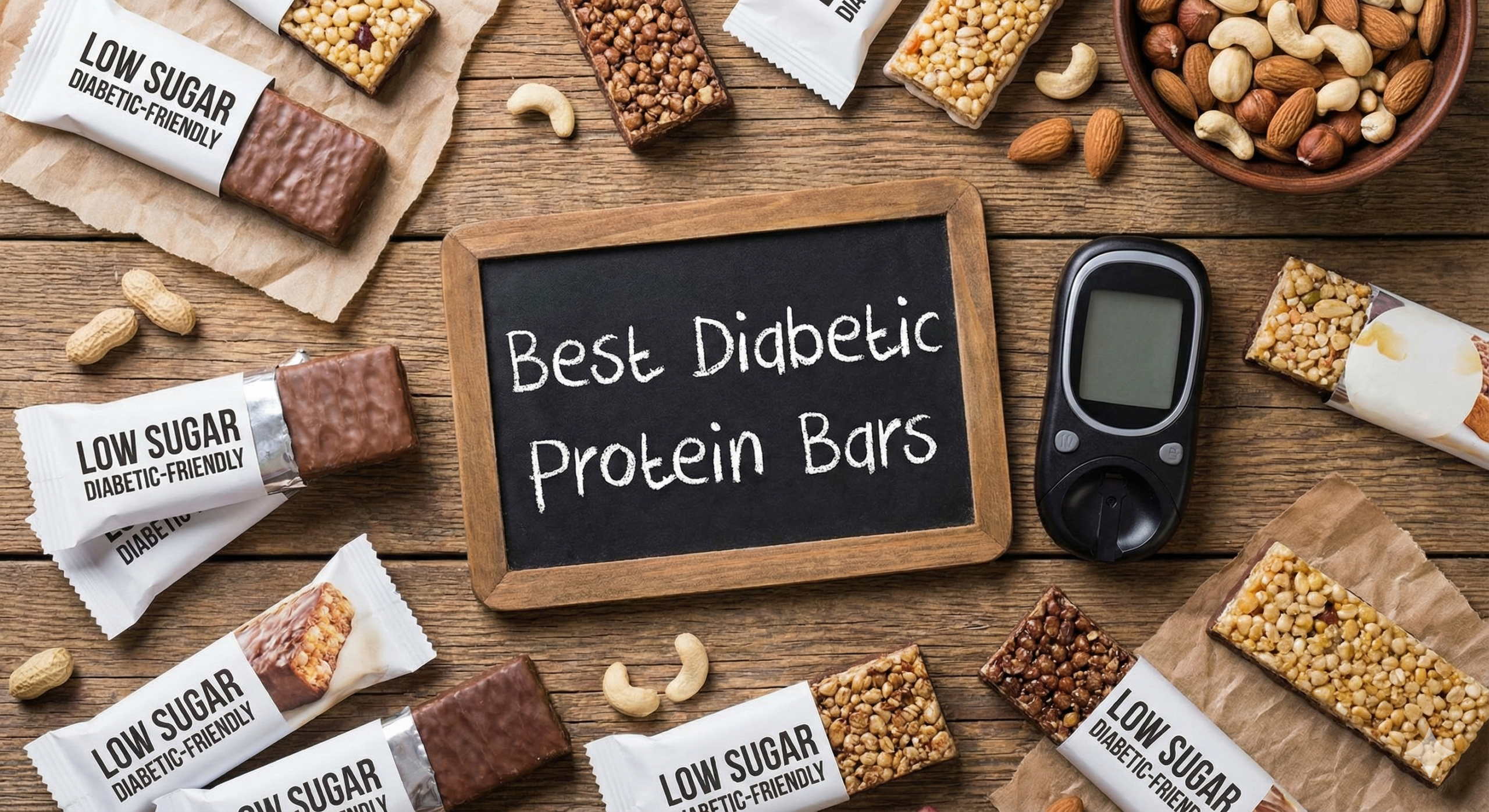
5 Best Diabetic Protein Bars: The Ultimate Low‑Sugar Guide (2026 Expanded)
Finding a protein bar when you have diabetes feels like navigating a minefield. The packaging screams “Healthy!” and “High Protein!”, but flip it over, and the nutrition label often tells a different story: 20 grams of sugar, high fructose corn syrup, and enough carbs to send your continuous glucose monitor (CGM) soaring.
For diabetics, a protein bar needs to be more than just a convenient snack; it needs to be a functional tool for blood sugar management. The goal is to find the “Goldilocks” zone: enough protein and fiber to blunt a glucose spike, but low enough in net carbs to keep you stable. It also, ideally, shouldn’t taste like cardboard.
In this guide, we have analyzed ingredients, tested glycemic responses, and taste-tested dozens of bars to bring you the 5 best diabetic-friendly protein bars on the market in 2026.
Why Protein Bars? The Diabetic Perspective
Protein bars serve a unique role in a diabetic meal plan. When you’re traveling, stuck in meetings, or experiencing a sudden drop in blood sugar (hypoglycemia), a bar with the right profile can be a lifesaver. But protein does more than just provide calories: it slows down the absorption of carbohydrates, reduces post‑meal glucose spikes, and increases satiety. In fact, a 2023 study in Diabetes Care showed that a 20‑g protein pre‑load before a high‑carb meal significantly flattened the glycemic curve in type 2 diabetics.
However, not all protein bars are created equal. Many are glorified candy bars. That’s why understanding the label is your first line of defense.
Decoding the Label: A Step‑by‑Step Guide
Before you buy, turn the bar over and look at four critical numbers:
- Total Carbohydrates – This is the headline number, but it’s deceptive.
- Dietary Fiber – Subtract this from total carbs. Fiber lowers net carbs and feeds gut bacteria.
- Sugar Alcohols – Erythritol, xylitol, maltitol. Only erythritol and allulose have negligible glycemic impact.
- Net Carbs = Total Carbs – Fiber – (certain sugar alcohols). Aim for ≤5g net carbs per bar.
Also, scan the ingredient list: the first ingredient should be a protein source (whey isolate, egg whites, nuts) – not a sweetener or filler.
How We Chose the Winners: The Criteria
Not every “low carb” bar is good for diabetes. Here is the strict checklist we used to select our top 5:
- Low Net Carbs: We looked for bars with 5g net carbs or less per serving.
- Fiber Content: Fiber slows digestion and sugar absorption. We prioritized bars with at least 5g of fiber.
- Quality Sweeteners: We favored bars sweetened with Stevia, Monk Fruit, Erythritol, or Allulose. We avoided Maltitol, which is known to spike blood sugar despite being a sugar alcohol.
- Protein Source: High-quality whey or plant isolates that provide satiety without the blood sugar crash.

Not Sure What You Like?
Taste is subjective. Before committing to a full box, we recommend trying a low-carb variety pack to find your favorite texture and flavor profile.
Check Variety Packs1. Quest Nutrition Bars (Best Overall)
Quest Bars have long been the gold standard for low-carb dieters, and they remain the top choice for diabetics due to their incredible macronutrient profile. They are dense, chewy, and come in dessert flavors like Cookies & Cream and Chocolate Chip Cookie Dough.
Why it wins: Most Quest bars contain roughly 20-21g of protein and massive amounts of fiber (often 14-15g). This results in a net carb count of just 4-5g. They use Erythritol and Stevia, which have virtually zero impact on blood glucose levels.

Quest Nutrition Protein Bars
The ultimate low-carb powerhouse. 21g Protein, only 1g Sugar, and 4g Net Carbs. The best option for preventing spikes while crushing hunger.
Check Price on AmazonSweetener Deep Dive: Why Erythritol & Allulose Are Superior
Erythritol is a sugar alcohol that passes through the body largely unmetabolized, providing sweetness with zero calories and zero glycemic impact. It’s the primary sweetener in Quest and many keto bars. Allulose, found in KIND Zero and some newer bars, is a rare sugar that tastes exactly like table sugar but is absorbed and excreted without raising blood glucose. Both are considered safe and gut‑friendly. In contrast, maltitol (used in some budget bars) has a glycemic index of 35–52 – enough to cause a meaningful spike. Always check the sweetener list.
2. NuGo Slim (Best Real Chocolate Taste)
Many protein bars use “fake” chocolate coating made of palm oil to save money. NuGo Slim stands out because they use Real Dark Chocolate. This makes a massive difference in flavor—it actually tastes like a treat.
Why it works: Dark chocolate naturally has a low glycemic index. These bars have a very low GI score (tested at 24), meaning they digest slowly. With 16-17g of protein and 6-7g of fiber, they are excellent for stabilizing blood sugar while satisfying a chocolate craving.

NuGo Slim Low Glycemic Bars
Dipped in real dark chocolate for a luxurious taste without the guilt. Certified low glycemic index to ensure steady energy levels.
Check Price on Amazon3. KIND Zero Added Sugar Bars
If you prefer whole ingredients you can see (like whole nuts and seeds) over the “taffy” texture of standard protein bars, KIND is the winner. While their standard bars can be high in honey/sugar, their “Zero Added Sugar” line is specifically formulated for low-carb needs.
Why it works: These bars rely on the healthy fats from nuts (almonds, peanuts) to slow digestion. They have a satisfying crunch and use Allulose—a rare sugar that doesn’t spike blood glucose—as a sweetener. They are lower in protein than Quest (around 5-12g depending on the specific bar type), making them better as a light snack than a meal replacement.

KIND Zero Added Sugar Bars
Nut-forward bars with zero added sugar and no artificial sweeteners. A crunchy, savory-sweet option ideal for mid-day snacking.
Check Price on Amazon4. ONE Brands (Best Texture)
ONE Bars live up to their name: 1 gram of sugar. They are famous for their dessert-like flavors (Birthday Cake, Maple Glazed Doughnut, Almond Bliss) and a texture that is softer and less chewy than Quest.
Why it works: They pack 20g of protein and use a blend of whey and milk protein isolates. They are sweetened with a mix of Sucralose and Maltitol. Note: While they are low sugar, some diabetics are sensitive to Maltitol. However, ONE bars generally have a balanced enough fiber/protein profile to keep spikes minimal for most people. Test with your monitor to be sure.

ONE Brands Protein Bars
Dessert flavors with only 1g of sugar and 20g of protein. A soft, cake-like texture that makes you feel like you’re cheating on your diet.
Check Price on Amazon5. Aloha Organic (Best Plant-Based)
For vegans or those avoiding dairy, finding a low-carb bar is tough because many vegan bars rely on dates or syrup binders. Aloha bars are a refreshing exception. They are organic, plant-based, and use brown rice protein and pumpkin seed protein.
Why it works: They have 14g of protein and 10g of fiber, with only 5g of total sugar (from tapioca fiber and monk fruit). They don’t use sugar alcohols at all, which is great for people with sensitive stomachs who get bloating from erythritol.

Aloha Organic Plant-Based Bars
USDA Organic, Vegan, and free from sugar alcohols. A clean, gut-friendly option with 14g of plant protein and healthy fats.
Check Price on AmazonHonorable Mentions (Worth a Look)
Barebells Protein Bars
Hugely popular for taste, but they use maltitol and have around 4g net carbs. If you tolerate maltitol well, their soft, nougat‑like texture is a treat. Flavors like Cookies & Cream are legendary.
Think! Keto Bars
Specifically designed for keto, these bars contain 2g net carbs, 11g protein, and use tapioca fiber and allulose. A solid choice if you want a smaller, crunchy bar.
Always check the label, as formulations change frequently.
Timing Strategies: Getting the Most Out of Your Bar
- Between meals (snack): A protein bar can prevent the 3 p.m. energy crash without the sugar rush. Pair with a handful of nuts for extra fat.
- Pre‑workout (30–60 min before): 15–20g protein helps fuel muscles and prevents hypoglycemia during exercise.
- Post‑workout (within 30 min): The protein aids muscle repair, and the small amount of net carbs helps replenish glycogen without spiking insulin.
- Emergency hypo treatment: If your blood sugar dips below 70 mg/dL, you need fast‑acting carbs (glucose tabs or juice), not a protein bar. The protein and fat will slow absorption too much.
DIY Low‑Carb Protein Bars (Simple Recipe)
Making your own bars guarantees no hidden sugars. Here’s a no‑bake recipe:
- 1 cup almond flour
- 1 scoop vanilla or chocolate protein powder (choose whey or plant‑based with <1g carb)
- ¼ cup allulose or erythritol
- ¼ cup melted coconut oil or unsalted butter
- 2 tbsp unsweetened almond milk
- Optional: 2 tbsp sugar‑free chocolate chips, chopped nuts, or unsweetened coconut
Mix dry ingredients, add wet, press into a parchment‑lined pan, refrigerate 1 hour, and cut into bars. Each bar contains ~2–3g net carbs.
A Note on Sugar Alcohols & Sweeteners
Not all sugar-free sweeteners are equal. When reading labels, look for:
- The Good (Low GI): Erythritol, Stevia, Monk Fruit, Allulose. These generally do not raise blood sugar.
- The Questionable (Medium GI): Xylitol, Sorbitol. Can cause digestive issues in high amounts.
- The Bad (High GI): Maltitol. This sugar alcohol has a glycemic index close to table sugar and can spike glucose levels significantly.
Also be aware of tapioca fiber and soluble corn fiber – they add texture and lower net carbs, but may cause bloating in sensitive individuals.
Nutritional Comparison Table (Per Bar, Approximate)
| Brand | Protein | Net Carbs | Sugar | Primary Sweetener |
|---|---|---|---|---|
| Quest | 21g | 4-5g | <1g | Erythritol / Stevia |
| NuGo Slim | 16g | 2-3g | 2g | Chicory Root / Real Dark Choc |
| KIND Zero | 5-7g | 4g | 0g | Allulose / Nuts |
| ONE Bar | 20g | ~3-8g | 1g | Maltitol / Sucralose |
| Aloha | 14g | 5g | 5g | Monk Fruit / Tapioca |
Values may vary by flavor. Always check the specific bar you purchase.
Frequently Asked Questions
Quick Checklist: What to Avoid in a Protein Bar
- ❌ Maltitol – hidden glycemic load.
- ❌ High fructose corn syrup, cane syrup, honey, agave – added sugars.
- ❌ Hydrogenated oils or trans fats – unhealthy for heart.
- ❌ Maltodextrin – high glycemic filler.
- ❌ “Protein blend” without specifics – may hide cheap collagen or fillers.
When in doubt, choose bars with fewer than 8 ingredients and recognizable whole foods.