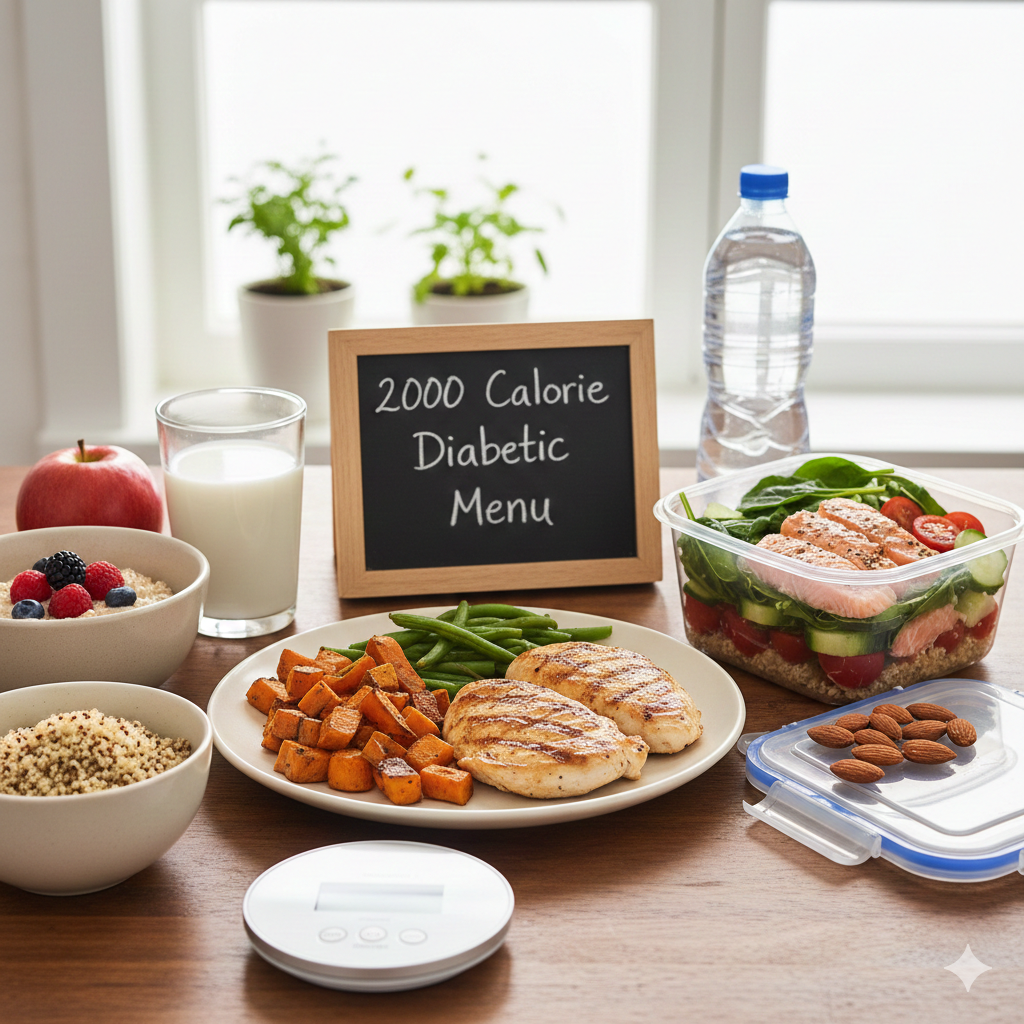
The Definitive Guide to a 2000 Calorie Diabetic Menu (2026 update)
Managing diabetes with a 2000‑calorie meal plan is not about eating more — it’s about eating smarter. Whether you’re an active man, a pregnant woman managing gestational diabetes, a teenager with type 1, or a physically active senior, this comprehensive blueprint fills the nutritional gap between weight maintenance and blood sugar stability. We go far beyond the usual 1500‑calorie restriction, giving you freedom, flexibility, and glucose control.
Finding the nutritional “sweet spot” when living with diabetes can feel like a high-wire act. While much of the advice online focuses on severe restriction, many individuals—particularly active men, taller adults, pregnant women in their third trimester, or those with physically demanding jobs—simply cannot sustain their energy levels on low-calorie plans. This is where a well-structured 2000 calorie diabetic menu becomes essential.
Contrary to the misconception that diabetes management requires starvation, eating 2,000 calories a day can be perfectly healthy if the macronutrients are balanced correctly. The goal isn’t just to fill the stomach; it is to fuel the body while keeping blood glucose levels stable. In this expanded guide we also address common keyword gaps: diabetic menu for active men, diabetic meal plan for construction workers, gestational diabetes 2000 calories, type 2 diabetes high calorie needs, and budget diabetic menu.
This guide acts as your comprehensive blueprint. We will move beyond vague advice and dive into concrete meal plans, food lists, and strategies to make this lifestyle sustainable. Whether you are transitioning from a 1800 calorie diabetic menu and need a bit more fuel, or you are an active individual diagnosed with Type 2 diabetes, this guide is tailored for you.
Who Needs a 2000 Calorie Diabetic Diet? (Target audience deep dive)
Caloric needs are highly individual. While a 1500 calorie diabetic menu is often the gold standard for weight loss in sedentary individuals, 2000 calories serves a different demographic.
This plan is generally ideal for:
- Active Men & Athletes: Average-height men who exercise moderately (3-4 times a week) or do strength training. Also for men with physically taxing jobs.
- Physically Demanding Jobs: Construction workers, nurses, warehouse staff, or anyone on their feet all day need sustained energy. A diabetic menu for working adults in these fields must prevent hypoglycemia (low blood sugar).
- Teenagers with Diabetes: Adolescents experiencing growth spurts often require higher caloric intake. A diabetic menu for teenagers needs to support development without spiking insulin.
- Pregnant Women (Gestational Diabetes): In the later stages of pregnancy, caloric needs rise. A carefully monitored diabetic menu for pregnant women ensures the baby grows while managing Gestational Diabetes.
- Active seniors / large framed individuals: Some elderly with good mobility may need 2000 cal; for those with chewing issues we also link to diabetic menu for elderly with no teeth and for lower cal 1200 calorie diabetic menu for seniors.
Expert Note: If you are sedentary or trying to lose significant weight rapidly, this calorie tier might be too high. Consider checking our 1200 calorie diabetic menu guide for stricter deficits. But for those with high TDEE, 2000 kcal is your maintenance or slight deficit level.
The Core Strategy: Macronutrient Balance & glycemic load
Eating 2,000 calories of pizza is vastly different from 2,000 calories of whole grains, lean proteins, and healthy fats. To manage diabetes effectively at this calorie level, we usually aim for a specific split:
- Carbohydrates (45-50%): Approximately 225g–250g per day. The focus must be on complex carbs with a low Glycemic Index (GI).
- Protein (20-25%): Essential for muscle repair and satiety. Aim for 100g–125g protein.
- Fats (30%): Primarily mono- and polyunsaturated fats (avocados, nuts, olive oil) to protect heart health, which is crucial for diabetics.
- Fiber: at least 30g daily to blunt glucose spikes.
Green Light Foods (low‑GI, high density)
Build your meals around these staples:
- Proteins: Salmon, chicken breast, tofu, turkey, lean beef, eggs, sardines, whey isolate (if needed).
- Carbs: Quinoa, brown rice, steel-cut oats, sweet potatoes, lentils, chickpeas, barley.
- Fats: Almonds, walnuts, chia seeds, olive oil, avocado, flaxseed.
- Vegetables: Spinach, broccoli, kale, peppers, zucchini, asparagus, Brussels sprouts (non-starchy = unlimited).

Glass Meal Prep Containers (3 Compartment)
Portion control is the secret weapon for a 2000 calorie diet. Keep your macros separated and your meals fresh. BPA‑free, oven safe.
Check Price on Amazon7-Day Expanded 2000 Calorie Diabetic Menu (with carb counts)
Below is a structured plan. We have spaced the calories out to include three main meals and two snacks per day to prevent blood sugar spikes and crashes. For a broader view of planning, you can also reference our weekly diabetic meal plan or 14‑day diabetic meal plan. We also include approximate carb grams for transparency.
Day 1: The Balanced Start (Carbs ~245g)
- Breakfast (510 cal): 2 scrambled eggs with 1 cup spinach, 2 slices whole-wheat toast (24g carb each) with ¼ avocado, 1 cup mixed berries. (Carbs ~48g)
- Snack (190 cal): Greek yogurt (unsweetened, 170g) with 1 tbsp flaxseeds. (8g carb)
- Lunch (610 cal): Grilled chicken breast (6oz) over 1 cup cooked quinoa, cucumbers, tomatoes, feta (1oz), olive oil. (Carbs ~45g)
- Snack (210 cal): Medium apple + 1.5 tbsp almond butter. (28g carb)
- Dinner (480 cal): Baked salmon (5oz) with asparagus (unlimited) and 1 medium baked sweet potato. (30g carb)
Day 2: High Fiber Focus (Carbs ~250g)
- Breakfast (460 cal): Steel-cut oats (1/2 cup dry) made with water/almond milk, topped with 15g walnuts + 1 small diced apple. (Carbs ~55g)
- Snack (240 cal): 1 cup low-fat cottage cheese + ½ peach (sliced). (12g carb)
- Lunch (640 cal): Turkey burger (4oz patty) lettuce wrap, side of bean salad (½ cup black beans, corn, peppers) and a pear. (Carb ~65g)
- Snack (160 cal): Hard-boiled egg + 10 almonds. (3g carb)
- Dinner (500 cal): Lean beef stir-fry (4oz beef) with broccoli, snap peas, ⅔ cup brown rice. (42g carb)
Need a quick solution? See our 1-day simple diabetic menu for busy days.
Day 3: Plant-Forward Power (Carbs ~235g)
- Breakfast (490 cal): Tofu scramble (firm tofu 6oz) with turmeric, onions, peppers + 1 whole grain English muffin. (Carbs 42g)
- Snack (200 cal): ¼ cup hummus with carrot & celery sticks. (15g carb)
- Lunch (590 cal): Lentil soup (1.5 cups) with 6 whole-grain crackers + mixed greens vinaigrette. (Carbs 64g)
- Snack (190 cal): Handful trail mix (nuts & seeds, no candy). (12g carb)
- Dinner (530 cal): Grilled shrimp skewers (6oz) with zucchini noodles (zoodles) + 2 tbsp pesto. (18g carb)

The Complete Diabetic Cookbook for Beginners
Running out of ideas? This cookbook offers 500+ easy recipes tailored for glucose management, with 2000‑calorie options.
Check Price on AmazonDay 4: Lean & Mean (Carbs ~240g)
- Breakfast (500 cal): Veggie omelet (3 eggs, mushrooms, onions) + slice rye toast. (Carbs 32g)
- Lunch (620 cal): Tuna salad (5oz tuna, olive oil mayo) in whole wheat pita with lettuce. (Carbs 50g)
- Dinner (530 cal): Roasted chicken thigh (skinless, 5oz), roasted Brussels sprouts, ⅔ cup wild rice. (Carbs 38g)
- Snacks: String cheese + 1 cup grapes (24g carb); low-carb protein shake (4g carb).
Day 5: Seafood & Greens (Carbs ~210g)
- Breakfast (450 cal): Chia pudding (3 tbsp chia, almond milk) with raspberries. (Carbs 28g)
- Lunch (600 cal): Sardines (1 tin) on 2 slices rye toast with tomato. (Carbs 42g)
- Dinner (560 cal): Cod baked in foil (6oz), steamed green beans, 1 cup cooked quinoa. (Carbs 44g)
- Snacks: 1 cup edamame (12g carb); 1 orange (15g).
Looking for a longer commitment? Transition into our 30-day diabetic menu for consistent results.
Day 6: Comfort Food Modified (Carbs ~255g)
- Breakfast (510 cal): 2 whole grain pancakes (sugar-free syrup) + 2 turkey bacon strips. (Carbs 52g)
- Lunch (620 cal): Chili with lean ground turkey & kidney beans (1.5 cups), side vinegar coleslaw. (Carbs 60g)
- Dinner (520 cal): Whole wheat pasta (1.3 cups cooked) with marinara + lean meatballs (3oz), side salad. (Carbs 70g)
- Snacks: Celery with 2 tbsp peanut butter (8g carb); 1 kiwi (10g).
Day 7: The Sunday Reset (Carbs ~230g)
- Breakfast (470 cal): Smoothie bowl (spinach, 1 scoop protein, ½ banana, almond milk) topped with pumpkin seeds. (Carbs 38g)
- Lunch (600 cal): Leftover chili over 1 small baked potato (with skin). (Carbs 64g)
- Dinner (560 cal): Grilled sirloin steak (5oz), sautéed mushrooms, cauliflower mash (1 cup). (Carbs 24g)
- Snacks: Air-popped popcorn (3 cups, 18g carb); Greek yogurt (9g).
Adjusting for Specific Needs
A 2000‑calorie diet is versatile, but different groups have different requirements.
Seniors & Chewing Difficulties
While many seniors require fewer calories, active seniors may still need 2000. However, chewing textures can be an issue. If dental health is a concern, look into a diabetic menu for elderly with no teeth, which focuses on soft, nutrient-dense foods like smoothies and soups. For those with lower metabolic rates, a 1200 calorie diabetic menu for seniors is usually safer to prevent weight gain.
Budget Considerations (low‑income diabetic menu)
Eating healthy amounts of protein and produce can get expensive. You don’t need to buy premium organic steaks to hit your macros. Eggs, beans, lentils, and frozen vegetables are excellent staples. Check our guide on the low income diabetic menu for tips on shopping smart without sacrificing health. Use canned fish (sardines, tuna) and bulk whole grains.
Carbohydrate Sensitivity / Low‑Carb approach
If you find that 2000 calories with moderate carbs spikes your sugar, you may need to shift the ratios toward fats and proteins. A low carb weekly diabetic menu approach keeps the calories high but drastically reduces the insulin load. For example, replace quinoa with extra non-starchy veg and increase healthy fats.
Comparison: Choosing Your Calorie Tier
Not sure if 2000 is right for you? Here is how it compares to other common diabetic diet plans.
| Feature | 1500 Calorie Plan | 1800 Calorie Plan | 2000 Calorie Plan |
|---|---|---|---|
| Target Audience | Weight loss, Sedentary women | Maintenance for women, Weight loss for men | Active men, Heavy labor, Maintenance, pregnancy |
| Hunger Levels | High (requires discipline) | Moderate | Low (high satiety) |
| Meal Frequency | 3 Meals | 3 Meals + 1 Snack | 3 Meals + 2/3 Snacks |
| Carb Allowance | ~150g – 175g | ~180g – 200g | ~225g – 250g |
| Typical A1c impact | Rapid initial drop | Moderate loss / maintenance | Sustainable long-term |
Pros and Cons of a 2000 Calorie Diabetic Diet
✅ Pros
- Sustainability: It is much easier to stick to long-term than restrictive diets.
- Energy: Provides sufficient fuel for exercise and heavy work.
- Nutrient Density: Allows for a wider variety of fruits and vegetables.
- Muscle Retention: Adequate protein helps prevent muscle loss during glucose management.
- Social flexibility: easier to dine out.
❌ Cons
- Weight Loss Speed: Weight loss will be slower compared to 1500 or 1200 calorie plans.
- Monitoring Required: You must diligently track macros; it’s easy to accidentally overeat.
- Grocery Cost: Higher food volume means a slightly higher grocery bill.
- Not suitable for very sedentary individuals.
Tips for Success (from real readers)
- Pre-plan Your Snacks: At 2000 calories, snacks are not “treats”—they are nutritional bridges. If you fail to plan them, you might grab a high-sugar convenience food.
- Hydrate: High fiber intake (common in this diet) requires plenty of water to prevent digestive issues.
- Consistency is Key: Try to eat at the same times every day. This helps regulate your body’s insulin sensitivity. For a month-long strategy, review our 30-day diabetic menu.
- Test, Don’t Guess: Use your glucometer 2 hours after meals to see how your body reacts to the increased food volume.
- Use a food scale: 6oz of chicken is easy to misjudge.
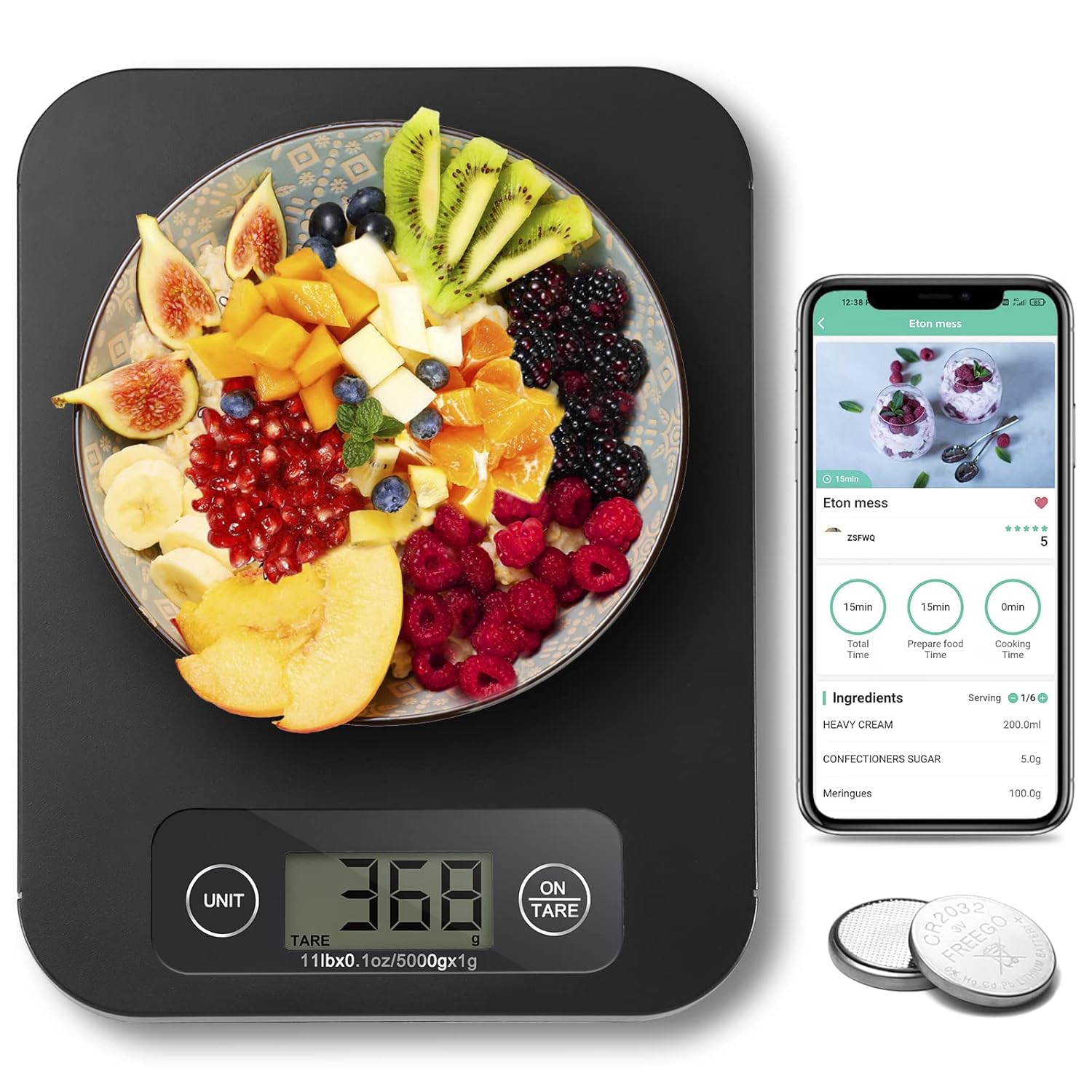
Precision Digital Kitchen Food Scale
Don’t guess 6oz of chicken vs 8oz. A scale ensures your 2000 calorie plan doesn’t accidentally become 2500.
Check Price on AmazonFrequently Asked Questions
Is 2000 calories too much for a diabetic?
Not necessarily. For active men, taller individuals, or those with physically demanding jobs, 2000 calories is appropriate to maintain weight and energy levels. However, for sedentary individuals, it may lead to weight gain.
How many carbs should be in a 2000 calorie diabetic diet?
Generally, carbohydrates should make up about 45-50% of total calories. For a 2000 calorie diet, this equates to approximately 225g to 250g of carbohydrates per day, ideally spread across meals to avoid spikes.
Can I lose weight on a 2000 calorie diabetic menu?
Yes, if your Total Daily Energy Expenditure (TDEE) is higher than 2000 calories (common for active men or larger individuals), you will lose weight. However, it will be a slower, more sustainable loss than on lower-calorie diets.
Can I eat sweets on this plan?
While you have more calorie wiggle room, sugary sweets still spike insulin. It is better to use your “extra” calories on nutrient-dense foods. If you crave sweets, opt for berries, dark chocolate, or sugar-free alternatives.
Is this menu suitable for gestational diabetes?
With adjustments (spreading carbs evenly), yes. Always consult your ob-gyn. Our diabetic menu for pregnant women offers more targeted advice.
Conclusion
Adopting a 2000 calorie diabetic menu is about finding freedom through structure. It allows you to fuel your body adequately without the constant hunger pangs associated with restrictive dieting, all while keeping your blood sugar in a safe range. By prioritizing complex carbohydrates, lean proteins, and healthy fats, you turn your food into medicine.
Remember, the best diet is the one you can stick to. Start with our 3-day diabetic meal plan to test the waters, and if you feel energetic and your glucose readings are stable, you have found your rhythm.
Ready to take control of your kitchen?
Shop Diabetic Essentials on Amazon🔍 Related searches you may find useful: diabetic exchange list 2000 calories, 2000 calorie ADA diet, diabetic diet for active males, high calorie diabetic diet for underweight, type 1 diabetic meal plan 2000 calories, renal diabetic 2000 calorie menu (modified), gluten free diabetic 2000 calories. All our linked guides (1200, 1500, 1800, low carb) are interlinked for your convenience.