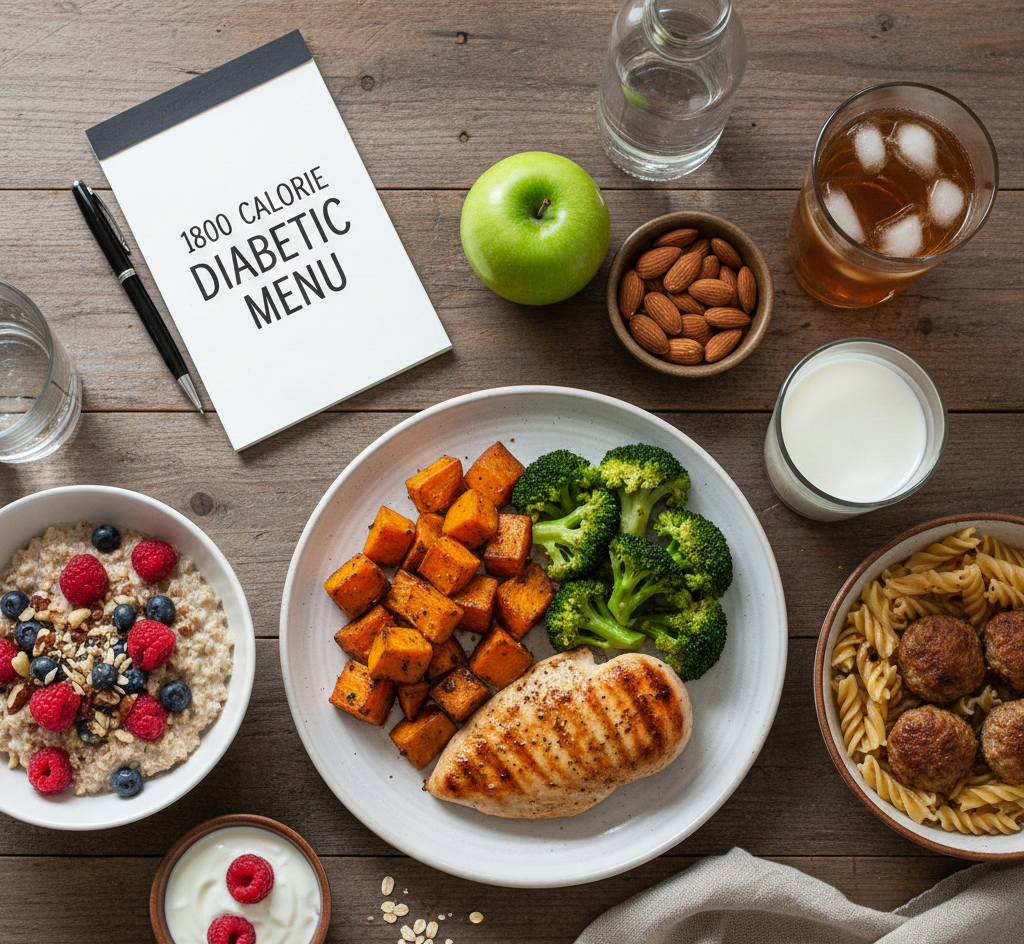
The Balanced 1800 Calorie Diabetic Menu: Fueling Active Lives Without the Spikes
When it comes to diabetes management, the conversation often revolves around restriction. We are told to cut carbs, cut sugar, and cut calories. But for many people—especially men, active women, or those with physically demanding jobs—cutting back too far can backfire. A diet that leaves you exhausted, hungry, or losing muscle mass is not sustainable. It can also increase cravings and lead to blood sugar rollercoasters.
Enter the 1800 Calorie Diabetic Menu. This nutritional tier is widely considered the “sweet spot” for active adults. It provides enough fuel to power through a workout or a long workday, yet it is controlled enough to promote gradual weight loss and stable blood sugar levels. Unlike the stricter 1200 calorie menu (ideal for petite/sedentary) or the moderate 1500 calorie menu, an 1800 calorie plan allows for more flexibility, larger portions, and greater variety. It’s the tier where you can still enjoy a hearty meal without guilt while keeping your A1C in check.
In this guide, we will explore who this plan is for, how to structure your macros to support an active lifestyle, and provide a comprehensive 7-day meal plan that proves eating for diabetes doesn’t mean eating like a bird. If you’re a teenager with higher energy needs, you might also want to check our diabetic menu for teenagers; for working adults, see our work-friendly strategies.
Is 1800 Calories Right for You? Know Your Numbers
Choosing the right caloric intake is a personal calculation based on height, weight, age, and activity level. Generally, an 1800 calorie diabetic diet is ideal for:
The Ideal Candidate: Active & Moderate Build
- Active Men (moderate exercise): Most men require more energy than women to maintain muscle mass. 1800 is often a weight-loss deficit for men who work out 2-4 times weekly.
- Active Women (regular exercise): If you exercise 3-5 times a week (running, cycling, strength training), dropping below 1800 calories might hinder your recovery and performance. This tier keeps your metabolism humming.
- Taller Individuals (over 5’8″): Height correlates with basal metabolic rate (BMR). Taller bodies burn more energy at rest, so 1800 may be a modest deficit.
- Physical Jobs: Those with labor-intensive jobs (nursing, construction, teaching on your feet) need reliable energy sources throughout the day to avoid hypoglycemia.
If you are sedentary or have a smaller frame (under 5’4″, mostly deskbound), this intake might be too high for weight loss. In that case, consider our 1500 calorie diabetic menu or the 1200 calorie senior menu for seniors. Conversely, growing teens often need even more energy—check out our diabetic menu for teenagers for high-growth strategies.

Track Your Burn, Know Your Needs
To know if 1800 calories is a deficit or a surplus for you, you need to know your daily energy expenditure. A reliable activity tracker (heart rate monitor, step counter) helps you balance your intake with your movement and avoid guesswork.
Check Price on AmazonThe 1800 Calorie Strategy: Macros Matter for Active Bodies
You could eat 1800 calories of fast food, but your blood sugar would skyrocket and you’d feel sluggish. For this menu, we focus on Nutrient Density and Glycemic Load. With 1800 calories, you have more room for healthy fats and complex carbs, which aids satiety and provides sustained energy for workouts.
The Daily Breakdown (Sample Timing)
We distribute calories to ensure steady energy, preventing the post-lunch slump and fueling afternoon gym sessions:
- Breakfast: 450 Calories (protein + complex carbs)
- Lunch: 500 Calories (lean protein + fiber + smart fats)
- Afternoon Snack: 250 Calories (protein + slow-digesting carbs)
- Dinner: 500 Calories (balanced plate with veggies, protein, starch)
- Evening Snack (optional): 100 Calories (casein-rich snack before bed)
Carbohydrate Strategy: Quality Over Quantity
With more calories comes a slightly higher carb allowance, typically around 180g-200g per day (40-45% of total). The key is ensuring these are complex carbs like quinoa, oats, beans, sweet potatoes, and whole grains—never refined sugars. This distribution supports glycogen replenishment after exercise without spiking glucose.
Protein for Muscle Preservation
We aim for 1.2-1.5g per kg of body weight, which usually translates to 90-110g protein daily. This helps repair muscle tissue and keeps you full. Good sources: eggs, chicken, Greek yogurt, tofu, fish.
Your 7-Day 1800 Calorie Meal Plan (Active Lifestyle Edition)
This menu is designed to be filling, flavorful, and flexible. You shouldn’t feel hungry. It incorporates elements from our comprehensive weekly plans but scales up the portions and includes an extra snack for active individuals.
Calorie Tier Comparison: Where Does 1800 Fit?
How does 1800 calories stack up against other popular diabetic plans? This helps you decide if you need to adjust up or down.
| Plan | Ideal For | Hunger Factor | Weight Loss Speed |
|---|---|---|---|
| 1200 Calories | Small frame, Sedentary seniors, Petite women | High (requires volume eating) | Rapid (1.5-2 lbs/week) |
| 1500 Calories | Average women, Sedentary men | Moderate | Steady (1-1.5 lbs/week) |
| 1800 Calories | Active women, Average men, Tall individuals | Low (High Satiety) | Sustainable/Moderate (0.5-1 lb/week) |
| 2200+ Calories | Athletes, Heavy laborers, Growing teens | Very Low | Maintenance or muscle gain |
For more specific needs, see our senior menus or teen menus.
Eating 1800 Calories on a Budget: Smart Volume Shopping
Eating more food (1800 calories is a substantial intake) doesn’t have to mean spending more money. The 1800 calorie plan relies on volume from whole foods, which can be very affordable if you shop strategically.
- Bulk Grains & Legumes: Rice, oats, quinoa, lentils, and dried beans are fillers that are extremely inexpensive in bulk. A 5lb bag of oats costs pennies per serving.
- Potatoes (Sweet & White): They are excellent, cheap sources of energy for active diabetics. One sweet potato provides complex carbs, vitamin A, and fiber for under $1.
- Seasonal Fruit & Frozen: Buy whatever fruit is on sale; it all provides necessary fiber and vitamins. Frozen berries and peaches are often cheaper than fresh and perfect for smoothies and yogurt.
- Rotisserie Chicken: A whole rotisserie chicken (remove skin) provides multiple meals of protein for around $6-7, and you can use bones for broth.
For detailed savings tips and meal prep on a shoestring, read our low-income diabetic menu guide—it aligns perfectly with this calorie level.

Cook More, Fat Less
With an 1800 calorie diet, you are cooking larger portions of veggies and protein. An XL Air Fryer lets you roast large batches quickly without adding excess oil calories—perfect for meal prep.
Check Price on AmazonExpert Tips: Fueling Workouts & Active Days on 1800 Calories
Since 1800 calories is often chosen by active individuals, timing your nutrition around exercise is key to performance and glucose stability.
Pre-Workout (1-2 hours before)
Have a complex carb snack (like the apple, banana, or slice of toast) about 45-60 minutes before exercise. This prevents hypoglycemia during your session. Add a little protein (e.g., hard-boiled egg) if it’s a strength workout.
Post-Workout (within 45 minutes)
This is the best time to eat your largest meal containing carbs and protein (like the Chicken and Rice dinner). Your muscles are primed to soak up glucose for recovery, meaning less insulin is required and glycogen stores replenish efficiently.
Hydration & Electrolytes
Active diabetics lose more electrolytes through sweat. Ensure you are drinking water throughout the day, not just with meals. If you exercise intensely, consider a sugar-free electrolyte powder to maintain mineral balance.
Adjust for Activity Spikes
If you have a particularly active day (hiking, long bike ride), you may need an extra 100-200 calories—add a small piece of fruit or a protein bar to avoid lows. Listen to your body and monitor glucose.
Frequently Asked Questions: 1800 Calorie Diabetic Diet
Who should follow an 1800 calorie diabetic diet?
An 1800 calorie plan is typically ideal for active women, average-to-active men, or larger individuals looking for a moderate, sustainable weight loss pace. It provides enough energy for exercise while preventing muscle loss.
How many carbohydrates are in this 1800 calorie menu?
This menu is designed with a moderate carbohydrate intake, typically comprising 40-45% of total calories (roughly 180-200g per day), spread evenly across meals to prevent blood sugar spikes.
Can I build muscle on this diet?
Yes. 1800 calories allows for sufficient protein intake (often 100g+) which, combined with resistance training, supports muscle maintenance and growth while managing blood glucose.
Is 1800 calories too much for weight loss?
For petite or sedentary individuals, 1800 calories might be maintenance or even a surplus. Those individuals should consider a 1500 or 1200 calorie plan. However, for active adults, 1800 is a perfect “sweet spot” for fat loss.
Do I need to eat all the snacks?
Not necessarily, but snacks are included to prevent hypoglycemia between meals. If you are not hungry or your blood sugar is running high, you can skip a snack or reduce the portion size.
Can I drink alcohol on this plan?
Alcohol can be fitted in occasionally, but remember that liquid calories add up fast. Opt for light beer or dry wine, and always eat food with it to prevent delayed hypoglycemia.
How does this compare to the 1500 calorie menu?
The 1800 calorie menu offers approximately 300 more calories per day, usually in the form of slightly larger protein portions and an additional or larger snack. It is less restrictive and easier to sustain for active people.
What if I have high cholesterol?
This menu emphasizes healthy fats like olive oil, nuts, and avocados while limiting saturated fats from red meat, making it generally heart-healthy. Always consult your doctor for specific lipid management.
How do I adjust this menu if I have a physically demanding job?
If you’re on your feet all day (construction, nursing, warehouse), you may need to add an extra 200-300 calories, preferably from complex carbs like an extra serving of oatmeal or a piece of fruit before shifts.
Can I follow this menu if I’m vegetarian?
Absolutely. Swap meat for tofu, tempeh, beans, or eggs. Increase portions of legumes and dairy to meet protein needs. Many days in this plan are already plant-forward (lentil stew, quinoa salad).
Strength, Sustainability, and Success on 1800 Calories
The 1800 Calorie Diabetic Menu proves that you don’t have to starve to manage your health. It is a robust, energy-rich approach that respects your body’s need for fuel while keeping your blood sugar in check. This is the plan for the long game—for living your life fully, actively, and happily. Whether you’re hitting the gym, chasing kids, or working a demanding job, this tier gives you the flexibility to enjoy satisfying meals without guilt.
Use this 7-day plan as your foundation. Experiment with the recipes, adjust portions based on your glucose meter readings, and enjoy the feeling of being well-fed and well-balanced. If you are ready for more variety, explore our comprehensive weekly plans or the 30-day menu for a full month of ideas.