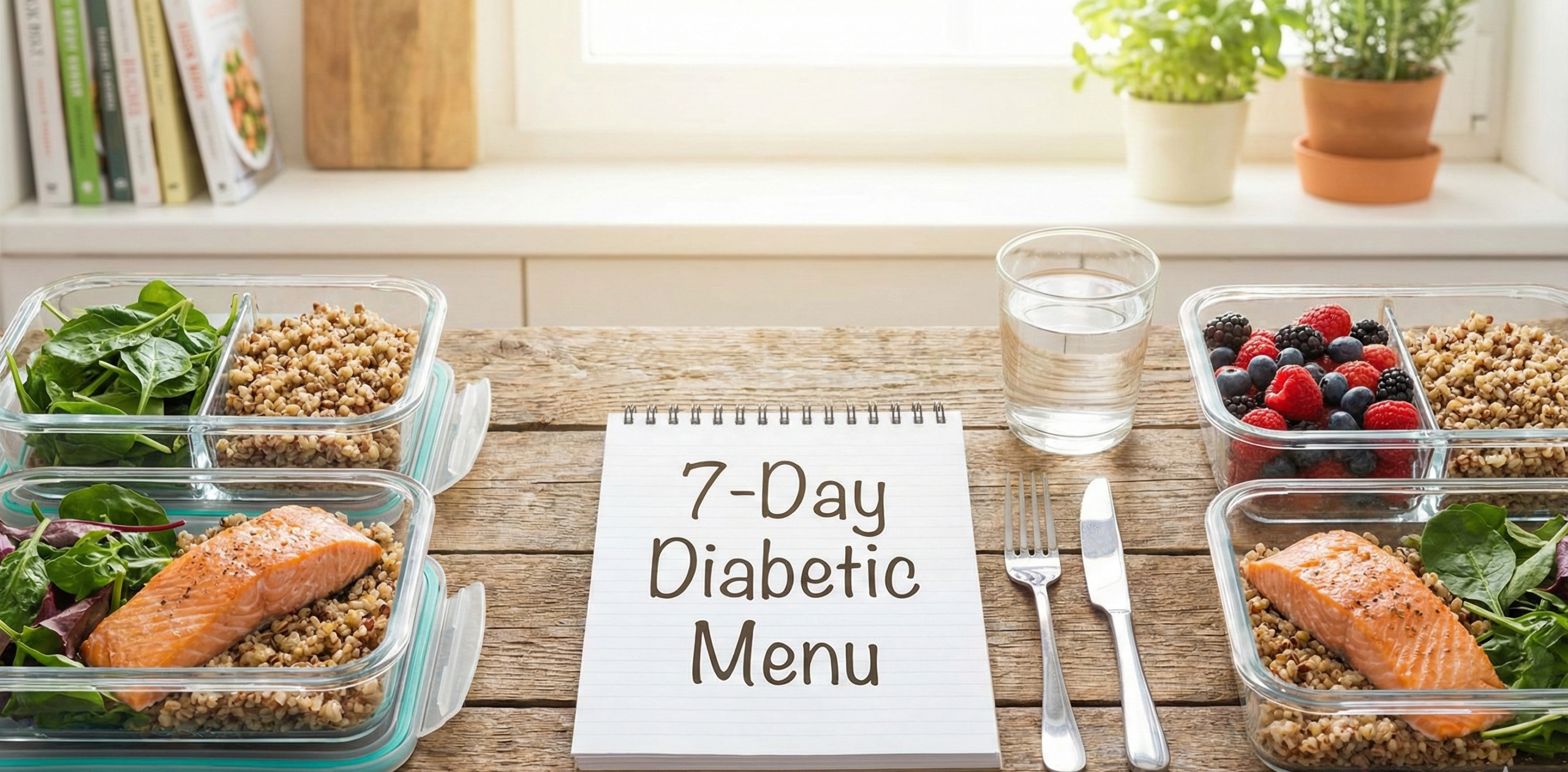
The Definitive 7-Day Diabetic Menu: Eat Well, Stabilize Glucose, and Thrive
Managing diabetes doesn’t mean resigning yourself to a lifetime of bland, repetitive meals. In fact, the most effective approach to long-term glucose management is variety. A well-structured 7-day diabetic menu can be the difference between erratic blood sugar spikes and a week of energetic stability. With the right balance of low-glycemic index foods, lean proteins, and healthy fats, you can maintain steady insulin levels while enjoying delicious, satisfying meals every single day.
Whether you have recently been diagnosed with prediabetes, type 2 diabetes, or you are a veteran managing your condition who is looking to tighten up your daily nutrition, planning ahead is your strongest weapon. The “decision fatigue” of figuring out what to eat three times a day often leads to poor food choices and unnecessary blood sugar swings. By automating your week with a solid, research-backed plan, you remove the stress and focus on feeling your best. This blueprint also integrates smart snacking, proper hydration, and post-meal movement strategies to avoid dangerous glucose rollercoasters throughout the day.
This plan is built around principles endorsed by registered dietitians and consistent with guidelines from leading diabetes organizations. It focuses on blood sugar stabilization, sustainable energy, and long-term metabolic health — not short-term restriction or deprivation.
Why Start with a Weekly Plan? (Proven Strategy)
Jumping straight into a month-long commitment can be overwhelming and unsustainable. A weekly cadence allows you to test new recipes, adjust portion sizes, identify foods your body responds well to, and manage grocery costs without burnout. If you enjoy this structure, you can easily expand it into a 14-day diabetic meal plan or even a full 30-day diabetic menu later on. Consistency is built week by week, not overnight.
Insight Did you know? People who follow a structured 7-day menu reduce impulsive high-sugar snacking by up to 40% and report more stable energy levels within the first two weeks.
Blood Sugar Basics: What Every Diabetic Needs to Know Before Eating
Before building any diabetic meal plan, it is essential to understand what actually happens to blood glucose after you eat. When you consume carbohydrates, your digestive system breaks them down into glucose, which enters the bloodstream. In a healthy person, the pancreas releases insulin to shuttle that glucose into cells for energy. In people with type 2 diabetes, cells become resistant to insulin, causing glucose to accumulate in the blood — a condition called hyperglycemia.
The goal of this 7-day menu is to slow glucose absorption and reduce the total glucose load on your system at each meal. We achieve this through three mechanisms: choosing complex carbohydrates with a low glycemic index, pairing carbs with protein and fat to slow digestion, and incorporating soluble fiber to create a physical barrier that slows glucose entry into the bloodstream.
⚠️ Medical Disclaimer
This menu is designed for general informational purposes. If you are on insulin or diabetes medication, always consult your doctor or a registered dietitian before significantly changing your eating pattern. Blood sugar targets vary by individual.
Target Blood Glucose Ranges (General Reference)
| Timing | Target Range (Type 2) | What to Watch For |
|---|---|---|
| Fasting (morning) | 80–130 mg/dL | Above 130 signals overnight issues |
| 1 hour after meals | Under 180 mg/dL | Monitor high-carb meals carefully |
| 2 hours after meals | Under 140 mg/dL | Best time to test food responses |
| Bedtime | 100–140 mg/dL | Too low risks nocturnal hypoglycemia |
Source: American Diabetes Association general guidelines. Work with your healthcare provider for personalized targets.
The Nutritional Logic: The “Why” Behind the Menu
Before diving into the daily breakdown, it is crucial to understand the pillars of a diabetes-friendly diet. This menu isn’t just about cutting sugar; it is about macronutrient pairing, glycemic load management, anti-inflammatory food choices, and maintaining consistent meal timing to keep your metabolism and insulin response predictable.
1. The Plate Method (Visual Guide)
We utilize the classic Diabetes Plate Method to ensure satiety without the spike. Developed and recommended by diabetes educators worldwide, this visual approach makes portion control intuitive even without measuring cups:
- 50% Non-starchy vegetables: Leafy greens, broccoli, peppers, zucchini, asparagus, cauliflower, cucumber, cabbage, and green beans.
- 25% Lean Protein: Chicken, turkey, fish, tofu, eggs, cottage cheese, edamame, and lean beef (occasionally).
- 25% Complex Carbohydrates: Quinoa, brown rice, sweet potato, legumes, steel-cut oats, barley, and whole-grain bread.
2. Fiber is Your Best Friend
Fiber slows down digestion, meaning glucose enters your bloodstream at a trickle rather than a flood. This menu prioritizes soluble fiber found in oats, beans, apples, and flaxseeds. Soluble fiber dissolves in water to form a gel-like substance that traps glucose and slows its absorption. Insoluble fiber from vegetables and whole grains also promotes gut health, supports the gut microbiome, and reduces post-meal inflammation — all critical factors in long-term diabetes management and metabolic health.
3. Healthy Fats for Satiety and Hormone Balance
Fat has a minimal direct impact on blood glucose and insulin secretion. Incorporating avocados, nuts, seeds, and olive oil helps keep you full between meals, reducing the urge to snack on processed carbohydrates. Omega-3 fatty acids from salmon, sardines, and chia seeds further support cardiovascular health — which is especially critical for diabetics, who face a significantly elevated risk of heart disease. Monounsaturated fats from olive oil and avocados are also associated with improved insulin sensitivity over time.
4. Meal Timing and Frequency
This plan spaces meals roughly 4–5 hours apart and includes one strategically timed snack to prevent both hyperglycemia (post-meal spikes) and hypoglycemia (dangerous blood sugar drops between meals). Eating at consistent times each day helps regulate your circadian rhythm and trains your body’s insulin response to be more predictable. Skipping meals — especially breakfast — is associated with larger glucose spikes at the next meal, a phenomenon called the “second meal effect.”
5. Sodium and Blood Pressure Awareness
People with diabetes are twice as likely to develop high blood pressure, which compounds cardiovascular risk. This menu keeps sodium in check by using herbs, spices, citrus, and vinegar as primary flavoring agents rather than salt or pre-packaged sauces. When soy sauce is used in stir-fries, we always specify the low-sodium variety. This dual focus on blood sugar and blood pressure management makes this one of the most comprehensive diabetic menus available.
For those interested in a stricter carbohydrate limit, you might want to explore our low-carb weekly diabetic menu which reduces the starch portion even further but still keeps meals deeply satisfying and nutritionally complete.
Daily Macronutrient Snapshot
Understanding the approximate nutritional profile of this plan helps you track your intake accurately and make informed adjustments. The values below represent a typical day on this 7-day diabetic menu and are calculated for a 1,600-calorie target — a common starting point for many adults managing weight alongside diabetes.
| Nutrient | Daily Target | Key Sources in This Plan | Why It Matters |
|---|---|---|---|
| Total Carbohydrates | 150–180g | Oats, quinoa, sweet potato, lentils | Primary energy source; quality matters most |
| Dietary Fiber | 28–35g | Vegetables, legumes, chia, flaxseed | Slows glucose absorption, feeds gut bacteria |
| Protein | 85–105g | Salmon, chicken, eggs, Greek yogurt | Muscle maintenance, satiety, minimal glucose impact |
| Total Fat | 50–60g | Olive oil, avocado, nuts, salmon | Hormone production, fat-soluble vitamin absorption |
| Saturated Fat | Under 16g | Limited animal fat, no trans fats | Keeps cholesterol and inflammation low |
| Sodium | Under 2,000mg | Herbs, spices, citrus as primary flavor | Supports healthy blood pressure |
| Potassium | 3,500–4,700mg | Avocado, sweet potato, spinach | Balances sodium, supports insulin signaling |
| Magnesium | 300–420mg | Brown rice, pumpkin seeds, legumes | Low magnesium linked to insulin resistance |

Glass Meal Prep Containers (3-Compartment)
Success relies on preparation. These glass containers are perfect for portioning out your 50/25/25 macro split for the week. Microwave and dishwasher safe, they keep your prepped vegetables, protein, and carbohydrates neatly separated until mealtime — eliminating the temptation to stray from the plan when hunger strikes.
Check Price on AmazonYour 7-Day Diabetic Menu (with Blood-Smart Swaps)
This plan averages 1,500–1,800 calories per day with a moderate carb intake of approximately 45–60g per main meal. Always adjust portion sizes based on your specific caloric needs, activity level, and blood glucose response. Each day includes a morning meal, midday meal, evening meal, and a strategic snack to prevent hypoglycemia between dinner and bedtime. Drink at least 8 glasses of water throughout each day.
Day 1: The Fresh Start (High Antioxidant)
Focus on bright, colorful foods and maximum fiber to kickstart the week. Antioxidant-rich berries and dark greens help combat the oxidative stress that is elevated in people with diabetes, protecting blood vessels and nerve tissue from damage over time.
🌅 Breakfast
Steel-Cut Oatmeal: 1/2 cup cooked steel-cut oats topped with 1 tbsp chia seeds (adds omega‑3 and extra fiber), 1/4 cup blueberries (anthocyanins support insulin sensitivity), and a generous dash of cinnamon (cinnamaldehyde compound shown to improve insulin receptor sensitivity). Side of 1 hard-boiled egg for morning protein.
~52g carbs | ~18g protein | ~10g fat
☀️ Lunch
Mediterranean Tuna Salad: 3oz canned tuna (in water) mixed with olive oil, fresh lemon juice, diced cucumber, cherry tomatoes, and kalamata olives on a large bed of mixed greens. High in lean protein, healthy monounsaturated fats, and completely carb-light — making it ideal for a midday meal that won’t spike afternoon blood sugar.
~12g carbs | ~28g protein | ~14g fat
🌙 Dinner
Grilled Salmon & Asparagus: 4oz grilled salmon fillet seasoned with fresh dill and lemon zest. Side of roasted asparagus (excellent source of folate and prebiotic inulin) and 1/2 cup cooked quinoa — a complete protein grain that provides all nine essential amino acids.
~27g carbs | ~36g protein | ~16g fat
🍎 Snack: A small apple with 1 tbsp almond butter — the combination of pectin fiber in the apple and healthy fat in the almond butter slows digestion and keeps blood sugar steady for hours.
Day 2: Poultry Power (Lean Muscle Support)
Lean proteins take center stage today to support muscle maintenance. Preserving lean muscle mass is especially important for diabetics because muscle tissue is the primary site where insulin-driven glucose uptake occurs. The more muscle mass you maintain through adequate protein intake, the more effectively your body clears glucose from the bloodstream.
🌅 Breakfast
Veggie Omelet: 2 whole eggs whisked with spinach, sliced mushrooms, and diced onions. Cooked in a teaspoon of avocado oil. Served with 1 slice of whole-grain seeded toast (choose a bread that lists whole wheat as the first ingredient for maximum fiber and minimal glycemic impact).
~22g carbs | ~22g protein | ~14g fat
☀️ Lunch
Leftover Salmon Wrap: Flake the leftover grilled salmon from Day 1 into a low-carb whole-grain tortilla. Add crisp lettuce, cucumber slices, and a dollop of yogurt-based dill sauce. Quick, portable, and an excellent example of how smart meal prep eliminates decision fatigue on busy weekdays.
~28g carbs | ~30g protein | ~14g fat
🌙 Dinner
Chicken Stir-Fry: 4oz chicken breast strips wok-tossed with broccoli florets, colorful bell peppers, and snap peas. Sauce: low-sodium soy sauce, fresh ginger (anti-inflammatory), and minced garlic. Served alongside 1/2 cup cooked brown rice — rich in magnesium, a mineral that plays a key role in insulin signaling pathways.
~48g carbs | ~38g protein | ~8g fat
🥛 Snack: 1/2 cup plain Greek yogurt with a tablespoon of ground flaxseeds — flax provides both lignans (phytoestrogens with anti-inflammatory effects) and alpha-linolenic acid, a plant-based omega-3.
Need something simpler? Check out our 1-day diabetic menu for a quick reset day.
Day 3: Plant-Forward Midweek (Anti-Inflammatory)
Incorporating predominantly plant-based meals mid-week can meaningfully lower systemic inflammation and improve insulin sensitivity, especially for those with type 2 diabetes. Plant-based proteins like lentils and legumes come packaged with fiber, making them a dual-action blood sugar weapon that simultaneously slows glucose absorption and feeds beneficial gut bacteria. Research consistently shows that populations with high plant food intake have significantly lower rates of type 2 diabetes and metabolic syndrome.
🌅 Breakfast
Avocado Toast: 1 slice sprouted grain bread (sprouting increases bioavailability of zinc and magnesium) toasted to golden perfection, topped with 1/4 mashed avocado seasoned with red pepper flakes, black pepper, and a squeeze of lemon. Side of 1/2 cup cottage cheese — casein protein digests slowly, providing a sustained amino acid release that supports muscle throughout the morning.
~28g carbs | ~20g protein | ~16g fat
☀️ Lunch
Red Lentil Soup: A hearty bowl of red lentil vegetable soup seasoned with cumin, turmeric, and smoked paprika (turmeric’s curcumin compound is one of the most studied anti-inflammatory agents). Side green salad with a simple apple cider vinegar vinaigrette — no sugar added, and the acetic acid in vinegar provides an additional post-meal glucose-lowering effect.
~42g carbs | ~22g protein | ~6g fat
🌙 Dinner
Turkey Meatballs & Zoodles: Lean ground turkey meatballs (seasoned with fennel seeds and garlic) served over spiralized zucchini noodles — a clever technique that replaces traditional pasta with a non-starchy vegetable, dramatically cutting the carb load. Topped with no-added-sugar marinara and a light sprinkle of parmesan for umami depth.
~22g carbs | ~32g protein | ~14g fat
🥜 Snack: A small handful of walnuts (approximately 12 halves) — walnuts are uniquely rich in alpha-linolenic acid (plant omega-3) and polyphenols shown to reduce fasting blood glucose in clinical studies.
Day 4: Complex Carb Comfort (Sweet Potato Day)
We introduce sweet potatoes today — one of the best complex carbohydrate choices for diabetics. Unlike white potatoes, sweet potatoes have a lower glycemic index (approximately 44 when boiled), a higher fiber content, and exceptional levels of beta-carotene, which the body converts to vitamin A — important for eye health and immune function, both areas of concern in diabetes management. Keeping the skin on maximizes the fiber content further.
🌅 Breakfast
Greek Yogurt Parfait: 1 cup plain full-fat Greek yogurt (full-fat dairy is associated with a lower risk of type 2 diabetes in observational studies), layered with 1/4 cup low-sugar granola made with oats and nuts, and a generous portion of fresh sliced strawberries — the lowest-sugar berry option with a GI of only 41.
~38g carbs | ~20g protein | ~8g fat
☀️ Lunch
Turkey Burger Salad: A well-seasoned grilled turkey burger patty served bun-free on a large mixed salad base with cherry tomatoes, shredded carrots, sliced cucumber, and a tangy Dijon vinaigrette. Topped with sliced 1/4 avocado for creaminess and heart-healthy monounsaturated fats. A satisfying, high-volume meal with a remarkably low glycemic load.
~18g carbs | ~30g protein | ~18g fat
🌙 Dinner
Sheet Pan Pork Chop: A 4oz lean center-cut pork chop baked alongside halved Brussels sprouts and cubed sweet potato — all tossed together with rosemary, garlic, a drizzle of olive oil, and black pepper. Sheet pan meals minimize cleanup, making healthy cooking more sustainable for the long term. The Brussels sprouts provide sulforaphane, a potent anti-inflammatory compound.
~45g carbs | ~30g protein | ~14g fat
🧀 Snack: String cheese and 5 whole-grain crackers — a classic combo of protein and complex carbs that hits the sweet spot of 10–15g carbs with a stabilizing protein buffer.
If you are finding this rhythm easy to follow, you might be ready for our comprehensive weekly diabetic meal plan guide, which offers even more rotation options and themed variety weeks.
Day 5: Seafood Friday (Omega-3 Boost)
Omega-3 fatty acids are vital for cardiovascular health, a common concern for people living with diabetes — who face a risk of heart disease two to four times higher than the general population. EPA and DHA (the marine omega-3s found in fatty fish) actively reduce triglyceride levels, lower inflammation markers like C-reactive protein, and improve endothelial function. Including fatty fish twice weekly is strongly recommended by diabetes and cardiovascular organizations alike.
🌅 Breakfast
Green Protein Smoothie Bowl: Blend a large handful of spinach, one scoop of unflavored or vanilla protein powder, 1/2 frozen banana (frozen fruit is sweeter and more filling), and unsweetened almond milk until smooth. Pour into a bowl and top generously with pumpkin seeds (excellent source of zinc and magnesium) and a sprinkle of hemp hearts.
~38g carbs | ~28g protein | ~12g fat
☀️ Lunch
Chicken Salad Lettuce Cups: Shredded chicken breast mixed with diced celery, thinly sliced green onion, light mayonnaise, and yellow mustard for tang without added sugar. Scooped generously into large crispy Romaine lettuce leaves — the natural bowl replaces bread entirely. Served alongside 1/2 cup of mixed berries to add natural sweetness without a spike.
~20g carbs | ~32g protein | ~12g fat
🌙 Dinner
Baked Herb-Crusted Cod: White fish fillet (cod, tilapia, or halibut) baked at 400°F with a light coating of lemon juice, garlic, parsley, and a touch of olive oil. Served with steamed green beans (low GI, high vitamin K) and 1/2 cup cooked wild rice — wild rice contains more antioxidants, protein, and fiber than conventional white or even brown rice.
~36g carbs | ~34g protein | ~10g fat
🥚 Snack: A hard-boiled egg dusted with smoked paprika and a pinch of sea salt — pure protein with virtually zero carbohydrate impact, ideal for a late afternoon energy bridge.
Day 6: The Weekend Brunch (Mindful Indulgence)
Saturday allows for a slightly more involved, leisurely breakfast. Mindful indulgence is a key principle of sustainable diabetic eating — completely restricting foods you enjoy leads to rebound overeating. This day demonstrates that even “treat” foods like pancakes can fit into a diabetes-friendly menu when made with the right ingredients and appropriate portion sizes. The key is choosing almond or oat flour over refined white flour and pairing carbs with protein to blunt the glucose response.
🌅 Breakfast
Almond Flour Pancakes: 2 small pancakes made with almond flour or whole wheat flour — both dramatically lower on the glycemic index than all-purpose flour. Top with sugar-free syrup or warm mixed berries cooked down with a splash of water (rich in anthocyanins that improve pancreatic beta-cell function). Add a side of 2 turkey sausage links for protein anchoring.
~32g carbs | ~18g protein | ~18g fat
☀️ Lunch
Leftover Cod Fish Tacos: Flake yesterday’s baked cod into warm corn tortillas (lower GI than flour tortillas) topped with a bright, crunchy cabbage slaw dressed with lime juice and a touch of cumin. Add sliced jalapeño for capsaicin, which research suggests may temporarily improve insulin sensitivity. Quick, colorful, and absolutely satisfying.
~34g carbs | ~24g protein | ~8g fat
🌙 Dinner
Lean Beef Stir-Fry: Thinly sliced lean flank steak (one of the leanest beef cuts) wok-tossed over high heat with tri-color bell peppers, onions, and snap peas. Finished with a low-sodium teriyaki-style glaze made from coconut aminos, sesame oil, and fresh ginger. Served over cauliflower rice — a brilliant carbohydrate replacement that cuts the carb load in half while adding cruciferous vegetable benefits.
~22g carbs | ~32g protein | ~14g fat
🥕 Snack: Hummus (protein and fiber from chickpeas) with carrot sticks — a classic combination that delivers crunch, satisfaction, and steady blood sugar without a single refined ingredient.
For shorter planning cycles on busy weekends, see our streamlined 3-day diabetic meal plan.
Day 7: Roast & Reset (Meal Prep Day)
Sunday is your preparation day. By roasting a larger batch of protein and root vegetables, you automatically generate leftovers that provide a ready-made lunch for Monday — meaning you start next week already one step ahead. This strategy of intentional batch cooking is one of the most underutilized tools in long-term diabetes management. It reduces the likelihood of grabbing fast food or convenience meals when life gets hectic during the week ahead.
🌅 Breakfast
Spinach & Feta Egg Muffins: 2 baked egg muffins loaded with wilted spinach, crumbled feta, and a pinch of nutmeg — baked in a silicone muffin tin for a protein-packed, grab-and-go breakfast. Served alongside 1 medium orange (rich in vitamin C and hesperidin, a flavonoid associated with improved glycemic control and reduced arterial stiffness).
~22g carbs | ~18g protein | ~12g fat
☀️ Lunch
Caprese Chicken Salad: Thick slices of fresh mozzarella and ripe heirloom tomatoes alternated on a plate with fresh basil leaves. Drizzled with high-quality balsamic glaze (use sparingly — maximum 1 tbsp) and topped generously with sliced grilled chicken breast. This meal is deceptively simple but nutritionally complete, providing calcium, lycopene, and a strong protein base.
~16g carbs | ~38g protein | ~16g fat
🌙 Dinner
Herb-Roasted Chicken: Roast chicken leg quarter (remove skin if reducing saturated fat is a priority; keep skin if total caloric intake is not a concern) seasoned generously with rosemary, thyme, garlic powder, and lemon zest. Roasted alongside root vegetables — diced carrots, turnips, and parsnips — all of which have lower glycemic indices than white potatoes and provide a satisfying natural sweetness when caramelized in the oven.
~32g carbs | ~38g protein | ~14g fat
🫘 Snack: A small handful of roasted chickpeas (seasoned with paprika and cumin) — crispy, satisfying, high in both protein and fiber, and a far superior alternative to chips or crackers for late-evening snacking.

The Diabetic Air Fryer Cookbook
Want that irresistible crispy texture without the inflammatory oils and excess calories of deep frying? An air fryer is arguably the single most valuable kitchen tool for diabetics. Check out this top-rated cookbook featuring low-carb fried chicken, veggie chips, roasted chickpeas, and dozens of other diabetes-friendly recipes that don’t feel like diet food.
Check Price on AmazonThe Art of Diabetic Snacking: What to Eat Between Meals
Snacking is one of the most misunderstood elements of a diabetic meal plan. Many people either avoid snacks entirely (risking hypoglycemia) or reach for convenient but blood-sugar-spiking options. The key is choosing snacks that combine protein, fat, or fiber — ideally two of the three — to ensure that any carbohydrate in the snack is absorbed slowly and doesn’t cause a glucose spike.
✅ Smart Snack Choices (10–20g carbs)
- Apple slices with natural almond or peanut butter
- Hard-boiled egg with a small handful of cherry tomatoes
- 1/2 cup plain Greek yogurt with cinnamon
- String cheese with 5–6 whole-grain crackers
- Hummus (3 tbsp) with cucumber and carrot sticks
- A small handful of mixed nuts (almonds, walnuts, pistachios)
- Roasted chickpeas (1/4 cup — seasoned, not sugared)
- Chia pudding made with unsweetened almond milk
- Celery with 2 tbsp natural peanut butter
- 1 oz cheese with a small pear
❌ Snacks to Avoid (Hidden sugar triggers)
- Flavored yogurt with fruit on the bottom (often 20–30g sugar)
- Rice cakes with peanut butter (high GI base)
- Fruit juice — even 100% juice spikes glucose rapidly
- Granola bars (most contain 20–35g sugar)
- Dried fruit — concentrated sugar with no water to dilute it
- Flavored rice crackers and pretzels (refined starch)
- Sports drinks or vitamin waters with added sugar
- “Low-fat” cookies or snack packs (fat replaced with sugar)
- Smoothie pouches or commercial smoothies
- Trail mix with chocolate chips or candy pieces
Hydration & Beverage Guide for Diabetics
What you drink has a surprisingly large impact on blood glucose management. Liquid calories from sugary beverages are among the fastest-acting drivers of blood sugar spikes because they bypass much of the digestive process. A single 12oz regular soda contains 39g of sugar that enters the bloodstream almost immediately. For diabetics, beverages deserve as much consideration as solid food choices.
| Beverage | Blood Sugar Impact | Verdict for Diabetics |
|---|---|---|
| Still or sparkling water | Zero impact | ✅ Best choice — aim for 8+ glasses daily |
| Unsweetened green or herbal tea | Minimal (may lower glucose) | ✅ Excellent — EGCG in green tea improves insulin sensitivity |
| Black coffee | Minimal (moderate amounts) | ✅ Good — limit to 2–3 cups; avoid with added sugar or cream |
| Sparkling water with lemon or lime | Zero to minimal | ✅ Great soda alternative with no glycemic impact |
| Unsweetened almond or oat milk | Low (2–4g carbs) | ✅ Fine in moderation — check labels carefully |
| Diet soda | Zero glucose but may affect gut bacteria | ⚠️ Use cautiously — artificial sweeteners may alter insulin response in some people |
| 100% fruit juice | Very high — rapid spike | ❌ Avoid — no fiber to slow absorption; eat whole fruit instead |
| Regular soda | Extreme spike | ❌ Avoid entirely |
| Sweetened coffee drinks | High (30–60g sugar) | ❌ Avoid — often contain as much sugar as a dessert |
| Alcohol (wine/spirits) | Complex — can cause hypoglycemia | ⚠️ Speak to your doctor — if consuming, always with food |
🏃 The Missing Piece: Movement After Meals
No diabetic meal plan operates in isolation. One of the most powerful and underutilized tools for post-meal blood sugar control is a brief walk after eating. Research published in multiple diabetes journals consistently shows that a 10–15 minute walk taken within 30 minutes of finishing a meal can reduce post-meal glucose by 22–30% compared to sitting.
Here are simple movement strategies to pair with this 7-day menu:
- Post-meal walk: Even 10 minutes of leisurely walking after dinner makes a measurable difference. Walking activates GLUT-4 transporters in muscle cells, pulling glucose out of the bloodstream without requiring insulin.
- Morning stretching: A 5-minute stretch routine before breakfast helps reduce cortisol-driven morning glucose elevation (the “dawn phenomenon”).
- Resistance training (2–3x per week): Building lean muscle mass is one of the most impactful long-term strategies for improving insulin sensitivity. Even light resistance exercise with bands or bodyweight counts.
- Breaking up sitting time: Stand or walk for 2–3 minutes every 30–45 minutes during sedentary periods to keep glucose from accumulating during long desk sessions.
Diet Comparison: Which Approach is Right for You?
While this 7-day menu is designed to be balanced and sustainable for most people with diabetes, there are other established dietary approaches. Each has merits depending on your personal health goals, medication regimen, food preferences, and metabolic individuality. Here is how this balanced menu compares to the most popular alternatives, so you can make an informed decision in consultation with your healthcare team.
| Diet Type | Carb Focus | Fat Focus | Best For | Watch Out For |
|---|---|---|---|---|
| Balanced 7-Day Menu (This Plan) | Moderate (Complex only, 45–60g/meal) | Moderate (Healthy fats, ~30% calories) | Long-term sustainability, flexibility, family-friendly | Requires meal planning discipline |
| Keto / Very Low Carb | Very Low (<20g net carbs daily) | High (70–75% of calories) | Rapid glucose reduction, weight loss, insulin resistance | Difficult to sustain; may raise LDL cholesterol |
| Mediterranean | Moderate (Unprocessed whole grains) | High (Olive oil, nuts, fish) | Heart health, hypertension, overall longevity | Higher caloric density from olive oil and nuts |
| Vegan / Plant-Based | Higher (Fiber-rich legumes) | Low to Moderate (nuts, seeds) | Lowering cholesterol, inflammation, environmental impact | Risk of B12, iron, zinc, omega-3 deficiency |
| DASH Diet | Moderate (whole grains, fruit) | Low to Moderate (sodium-controlled) | Blood pressure, kidney health, heart disease prevention | May not emphasize carb quality enough for all diabetics |
| Low-GI Diet | Moderate (GI-indexed choices only) | Flexible | Reducing post-meal spikes while eating varied carbs | GI alone ignores portion size; glycemic load matters more |
Your Grocery Shopping Strategy (Smart Weekly List)
To succeed with this 7-day diabetic menu, your kitchen environment must support your goals. If high-sugar, ultra-processed foods aren’t in the house, you simply can’t eat them in a moment of weakness. Here is a comprehensive, categorized grocery list to make your weekly shopping trip efficient, cost-effective, and complete. Shopping with a structured list has been shown to reduce impulsive food purchases by up to 30%.
🥦 Produce Aisle
- Spinach / Mixed Greens (large tub)
- Broccoli & Asparagus (2 bunches each)
- Bell Peppers (red, yellow, orange)
- Sweet Potatoes (3–4 medium)
- Apples (2) & Berries (fresh or frozen)
- Avocados (3–4, varying ripeness)
- Zucchini (2–3 for zoodles)
- Lemons & limes (citrus zest and juice)
- Brussels sprouts (1 bag)
- Cauliflower (1 large head for rice)
- Cucumber, celery, carrots
- Fresh herbs: basil, dill, parsley, rosemary
- Mushrooms & onions
- Cherry tomatoes
🍗 Proteins
- Chicken Breast (2 lbs)
- Salmon Fillets (2–3 portions, 4–5oz each)
- Lean Ground Turkey (1 lb)
- Cod or white fish fillet (8oz)
- Lean Flank Steak (8oz)
- Lean Pork Chops (2 portions)
- Eggs (1 dozen — omega-3 enriched if possible)
- Plain Greek Yogurt (32oz, 2% or full fat)
- Canned Tuna in water (2 cans)
- Cottage Cheese (16oz)
- Fresh or part-skim Mozzarella
- String Cheese (pack of 6)
🫙 Pantry Staples
- Steel-Cut Oats (1 canister)
- Quinoa (small bag)
- Brown Rice and/or Wild Rice
- Red Lentils (dry, 1 lb)
- Canned Chickpeas (BPA-free, 2 cans)
- Kalamata Olives (jar)
- Almonds & Walnuts (raw, unsalted)
- Extra Virgin Olive Oil & Avocado Oil
- Almond Flour (for pancakes)
- Low-sodium soy sauce or coconut aminos
- No-added-sugar marinara sauce
- Apple Cider Vinegar
- Dijon Mustard
- Chia Seeds & Ground Flaxseed
- Pumpkin Seeds & Hemp Hearts
- Spices: Cinnamon, Cumin, Turmeric, Paprika, Garlic Powder
- Low-sugar granola (oats-and-nuts based)
- Whole-grain crackers (5g+ fiber per serving)
- Low-carb whole wheat tortillas
- Hummus (store-bought or homemade)
- Unsweetened Almond Milk
- Low-sodium vegetable or chicken broth
- Balsamic vinegar (use sparingly)
Pro tip: Shop the perimeter of the store first (produce, proteins, dairy) before venturing into the center aisles for pantry items. This strategy reduces exposure to ultra-processed foods that line most center-aisle shelves and makes it easier to stick to your list.
⏳ Understanding Glycemic Index vs. Glycemic Load in This 7-Day Menu
Glycemic Index (GI) ranks foods on a scale of 0–100 based on how quickly they raise blood glucose compared to pure glucose. However, GI alone is an incomplete picture. Glycemic Load (GL) refines GI by accounting for the actual portion size consumed. The formula is: GL = (GI × grams of carbohydrates) ÷ 100.
For example: 1/2 cup quinoa has a GI of 53 and contains about 20g of carbohydrates, giving a GL of approximately 10.6 — considered low. Watermelon has a high GI of 72, but a 100g serving contains only 7.6g of carbohydrates, giving a remarkably low GL of just 5.5. This is why watermelon (in a normal serving size) is far less problematic for blood sugar than its GI score suggests.
Every main meal in this 7-day menu has been designed to maintain a GL under 15 through a combination of portion control, high-fiber foods, and strategic fat and protein pairing. Additionally, we incorporate vinegar dressings (apple cider vinegar, balsamic) throughout the week — research indicates acetic acid can temporarily lower post-meal glucose response by 20% by slowing gastric emptying and inhibiting starch digestion enzymes.
When dining out or making substitutions, keep this principle in mind: it is not just the type of carbohydrate that matters, but the quantity and what you eat alongside it.
Meal Prep Mastery: How to Make This Plan Effortless
The single biggest predictor of success on any structured eating plan is not willpower — it is preparation. People with abundant meal-prep infrastructure (batch-cooked proteins, pre-cut vegetables, portioned snacks) consistently make better food choices throughout the week compared to those who decide what to eat at each meal spontaneously. Here is a Sunday meal prep protocol that takes approximately 60–90 minutes and sets you up for near-effortless success:
🍳 Sunday Prep Checklist
- Cook grains in bulk: Prepare a large pot of quinoa and brown rice. Both keep well in the refrigerator for 5 days and can be portion-frozen if needed.
- Roast a sheet pan of vegetables: Broccoli, bell peppers, asparagus, and zucchini can all roast together at 400°F for 20–25 minutes with olive oil and seasoning.
- Hard-boil a batch of eggs: 6 hard-boiled eggs keep refrigerated for one week and serve as instant snacks or breakfast additions.
- Prep protein: Marinate and grill or bake chicken breast in bulk. Shred or slice for easy incorporation into wraps, salads, and stir-fries throughout the week.
- Make a large salad base: Wash and dry a full bag of mixed greens. Store in an airtight container lined with paper towel to keep crisp for 5–6 days.
- Portion snacks: Divide nuts into small containers, pre-slice apples (store with a squeeze of lemon to prevent browning), and portion hummus into snack containers.
- Prepare overnight oats or chia pudding: Make 2–3 servings at once for grab-and-go breakfasts early in the week.
🧊 Smart Storage Tips
- Glass containers over plastic: Glass doesn’t leach chemicals, keeps food fresher longer, and is microwave safe — ideal for reheating portions throughout the week.
- Label everything: Write the date on each container so you consume items in the right order and nothing goes to waste.
- Freeze strategically: Soups, cooked grains, and portioned proteins freeze beautifully for weeks 2 and 3 if you want to build inventory.
- Front-of-fridge placement: Keep prepped, healthy items at eye level and easy reach. Move less-ideal items to the back. Environmental design matters more than willpower.
- Use the freezer as a buffer: Frozen spinach, frozen wild salmon, and frozen berries are nutritionally equivalent to fresh — and help you stick to the plan even when a grocery trip isn’t possible.
- Invest in a kitchen scale: Weighing proteins rather than estimating by eye helps maintain consistent carbohydrate and calorie targets, which is especially important in the early stages of a new eating plan.
Supplements That May Support Diabetic Nutrition (Evidence Review)
While this 7-day menu is designed to be nutritionally comprehensive, some people with diabetes benefit from targeted supplementation to address common deficiencies or support metabolic health. Always discuss supplementation with your doctor before starting, as interactions with diabetes medications (particularly metformin) are possible.
📊 Supplements with Moderate Research Support
- Magnesium: Deficiency is extremely common in type 2 diabetics and is associated with worsened insulin resistance. Supplementation (200–400mg daily) may improve fasting glucose and HbA1c.
- Vitamin D: Low vitamin D levels are correlated with impaired insulin secretion. Many diabetics are deficient. Dosing depends on baseline blood levels — ask your doctor for a 25(OH)D test.
- Berberine: A plant-derived compound with multiple clinical trials suggesting it lowers fasting blood glucose and HbA1c comparably to some medications. However, it has drug interactions — always consult your physician.
- Alpha-lipoic acid (ALA): An antioxidant shown in European clinical settings to improve insulin sensitivity and reduce diabetic neuropathy symptoms at doses of 600–1,200mg daily.
- Omega-3 (EPA/DHA): While dietary sources are always preferred, high-dose fish oil supplementation (2–4g daily) has strong evidence for reducing triglycerides in diabetics.
⚠️ Common Deficiencies in Diabetics
- Vitamin B12: Long-term metformin use significantly depletes B12. This can cause peripheral neuropathy — a symptom that can be mistaken for diabetic nerve damage. Annual B12 testing is recommended for metformin users.
- Zinc: Important for insulin synthesis and storage in pancreatic beta cells. Found in this menu through pumpkin seeds, meat, and legumes.
- Chromium: May improve insulin receptor sensitivity. Food sources include broccoli, green beans, and turkey — all featured heavily in this plan.
- Folate (B9): Important for cardiovascular health given that diabetics face elevated homocysteine levels. Dark leafy greens in this menu provide substantial dietary folate.
- Vitamin C: High blood glucose competes with vitamin C for uptake into cells, meaning many diabetics are functionally vitamin C deficient despite adequate intake. The citrus fruit in this plan helps address this.
Note: This section is for informational purposes only and does not constitute medical advice. Always test nutrient levels through blood work before supplementing.
Frequently Asked Questions (Clinical Answers)
Can I swap meals in this 7-day diabetic menu?
Absolutely. Flexibility is key to long-term adherence with any meal plan. As long as you maintain similar carbohydrate counts, protein levels, and overall nutritional balance, swapping a Tuesday lunch for a Thursday lunch is perfectly fine. The body responds to cumulative weekly nutrition patterns more than to any individual meal.
Is this meal plan suitable for Type 1 and Type 2 diabetes?
While this menu focuses on balanced carbohydrates and high fiber that benefit both conditions, the applications differ. People with Type 1 diabetes must carefully calculate insulin dosages for each meal based on their insulin-to-carbohydrate ratio. The carbohydrate counts provided per meal in this plan make those calculations easier. People with Type 2 diabetes (especially those managing with diet and exercise alone) may find that following this plan results in measurable glucose improvements within the first two weeks. Always consult your endocrinologist or registered dietitian before making significant dietary changes.
Do I need to count calories on this plan?
This plan is primarily structured around carbohydrate quality, portion control, and macronutrient balance rather than rigid calorie counting. However, if weight loss is a primary health goal alongside glucose management, tracking total caloric intake in addition to carbohydrates is recommended during the initial weeks to calibrate appropriate portion sizes for your individual energy needs.
What drinks are allowed on this 7-day plan?
Water (still and sparkling), unsweetened herbal and green teas, black coffee (in moderation), and sparkling water with lemon or lime are the optimal choices. Avoid sugary sodas, fruit juices, sweetened energy drinks, flavored coffee drinks, and sweetened almond milk to prevent blood sugar spikes. See the full beverage guide table above for a complete breakdown including alcohol considerations.
Can I use frozen vegetables for this diabetic menu?
Absolutely — frozen non-starchy vegetables like broccoli, spinach, green beans, and cauliflower are just as nutritionally dense as fresh and are often more convenient and cost-effective. They help reduce food waste, eliminate the need for daily produce shopping, and are perfect for quick weeknight stir-fries and oven roasts. The only items to avoid are frozen vegetables that come in pre-seasoned sauce packets, which often contain added sugar and excess sodium.
How many carbs per meal are in this 7-day diabetic menu?
Each main meal contains approximately 45–60 grams of carbohydrates from whole-food, high-fiber sources like quinoa, oats, sweet potatoes, and legumes. Snacks contribute 10–20 grams. Total daily carbohydrate intake is approximately 150–180g, falling within the moderate-carbohydrate range recommended by most diabetes nutrition guidelines. Individual carb targets vary — always monitor your own blood glucose response and adjust portion sizes accordingly.
What is the best breakfast for a diabetic?
High-protein, high-fiber breakfasts consistently outperform carbohydrate-only breakfasts for blood sugar control. The top options featured in this plan include steel-cut oatmeal with protein (hard-boiled egg), veggie omelets with whole-grain toast, Greek yogurt parfaits with low-sugar granola, and savory egg muffins. The protein-fiber combination slows digestion and blunts the post-breakfast glucose spike — which tends to be the largest spike of the day for many diabetics due to cortisol-elevated fasting glucose.
Can diabetics eat fruit?
Yes — fruit is an important part of a balanced diabetic diet and should not be eliminated. The key is choosing lower-glycemic fruits (berries, apples, citrus, pears) in appropriate serving sizes and pairing them with protein or healthy fat to blunt the glucose response. Berries in particular (blueberries, strawberries, raspberries) are exceptional choices due to their anthocyanin content, which research suggests directly improves insulin signaling. Avoid high-sugar tropical fruits like mangoes and pineapples in large quantities, and never replace whole fruit with juice.
How do I handle dining out while following this plan?
Dining out doesn’t have to derail your progress. Use these strategies: request dressings and sauces on the side, choose grilled or baked proteins over fried, substitute starchy sides (fries, white rice) for steamed vegetables or salad, ask for double the non-starchy vegetable portion, and avoid bread baskets while waiting for food. Most cuisines have diabetes-friendly options — Mediterranean, Japanese (sashimi and edamame), and Mexican (grilled protein bowls without rice) are particularly accommodating.
Final Thoughts: Consistency Over Perfection
Adopting a 7-day diabetic menu is not about achieving nutritional perfection at every single meal — it is about creating a reliable baseline of blood sugar-stabilizing habits that become second nature over time. When you eat well for 80–90% of the week, your body becomes more metabolically resilient, your energy levels stabilize throughout the day, your brain fog lifts, and your A1C numbers will likely reflect your efforts at your next medical check-in.
Diabetes management is fundamentally a long-term commitment. It is also one of the most impactful areas of your health where consistent small improvements compound dramatically over months and years. Every meal on this plan is an opportunity to reduce inflammation, protect your blood vessels, support your kidneys, preserve your eyesight, and maintain your quality of life for decades to come. That is a powerful reason to keep showing up for yourself — not just for one week, but every week.
Use this menu as a living template. Customize it to your taste preferences, cultural food traditions, seasonal ingredient availability, and the specific foods your blood glucose monitor reveals you respond best to. Discover how deeply satisfying, flavorful, and varied truly healthy eating can be.
For extra support on the practical side, the glass meal prep containers and diabetic air fryer cookbook featured above will make sticking to the plan significantly easier and more enjoyable. Pair this menu with a 10-minute post-dinner walk, a good night’s sleep, and adequate water intake — and you will have built the strongest possible foundation for stable, long-term glucose management.
Ready to build momentum today?
Explore our 3-day plan to start small, or jump into the 14-day meal plan for even more structured guidance.