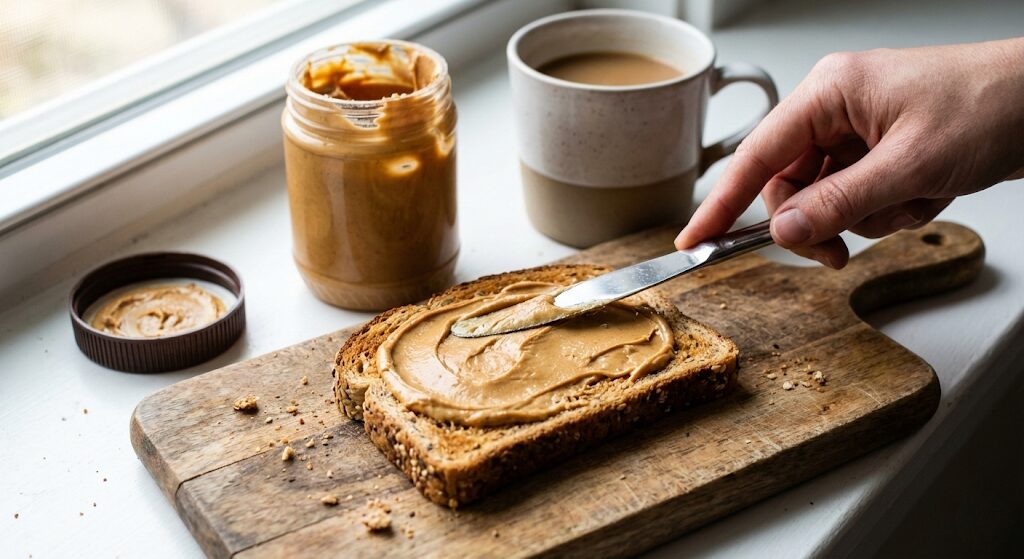
For many of us, peanut butter is the ultimate comfort food. It’s creamy, salty, and satisfying. But if you have been diagnosed with Type 2 diabetes or insulin resistance, you might look at that jar of Jif with suspicion. Is it a protein-packed superfood, or a sugar-laden trap?
The answer depends entirely on the label.
Peanut butter, in its pure form, is a diabetic superfood. It has a low glycemic index, healthy fats, and magnesium. However, commercial brands often ruin this healthy profile by adding icing sugar, high fructose corn syrup, and inflammatory hydrogenated oils to keep it “smooth.”
In this guide, we are ditching the dessert spreads masquerading as breakfast. We have analyzed ingredients, texture, and taste to bring you the 5 best peanut butters for diabetics that will stabilize your blood sugar, not spike it.
Buying Guide: The “No-Stir” Trap
Before we get to the brands, you need to know how to spot a fake. Most “No-Stir” peanut butters achieve that creamy consistency by adding solid fats—usually palm oil or hydrogenated vegetable oils—and often sugar.
The Golden Rule of Ingredients
When you turn the jar over, the ingredient list should have exactly one or two items:
- Peanuts
- Salt (Optional, but tasty)
If you see Sugar, Molasses, Corn Syrup Solids, Fully Hydrogenated Vegetable Oils, or Mono- and Diglycerides, put it back. These additives increase inflammation and the glycemic load of the food.
1. Crazy Richard’s 100% Peanuts (Best Overall)
Crazy Richard’s is the gold standard for purity. They are one of the few national brands that doesn’t even add salt. It is literally just peanuts that have been ground into a creamy consistency.

Crazy Richard’s Creamy Peanut Butter
This brand uses a proprietary grinding process that results in a super-drizzly, smooth texture that is perfect for oatmeal or smoothies. Because it has no added oil, it is naturally lower in saturated fat than “no-stir” competitors.
Pros
- One ingredient: Peanuts
- Zero added sugar or salt
- Runny consistency perfect for drizzling
- BPA-Free jar
Cons
- Requires stirring (oil separation)
- Might be too runny for sandwiches if not refrigerated
2. Smucker’s Natural Organic (Best Organic)
Smucker’s is a household name, but their “Natural” line is the one diabetics should focus on. Specifically, the Organic version ensures that the peanuts are grown without synthetic pesticides, which is important since peanuts are a legume that grows underground and absorbs soil contents.

Smucker’s Natural Organic Creamy
It has a slightly thicker texture than Crazy Richard’s and includes a pinch of salt, which really wakes up the flavor. It’s widely available in almost every grocery store.
Pros
- USDA Organic
- Contains Salt (better flavor)
- Glass jar (no plastic leaching)
- Non-GMO
Cons
- Significant oil separation on top
- Glass jar can break in shipping
3. Santa Cruz Organic Dark Roasted (Best Flavor)
If you find regular peanut butter a bit bland, Santa Cruz is the answer. They use “Dark Roasted” peanuts, which gives the butter a deep, robust, almost coffee-like richness. It feels like a gourmet product.

Santa Cruz Organic Dark Roasted
The dark roast profile masks any raw legume taste. It has a hearty texture and is arguably the best-tasting natural peanut butter on the market. Just peanuts and salt.
Pros
- Incredible depth of flavor
- Organic & Non-GMO
- Recyclable glass jar
- No added sugar
Cons
- More expensive than standard brands
- Often sold out due to popularity
4. PB2 Pure (Best Low Calorie)
Peanut butter is calorie-dense. Two tablespoons pack nearly 200 calories. For diabetics who are also managing weight, powdered peanut butter is a game changer. PB2 removes 85% of the oil, leaving behind just the peanut flour.
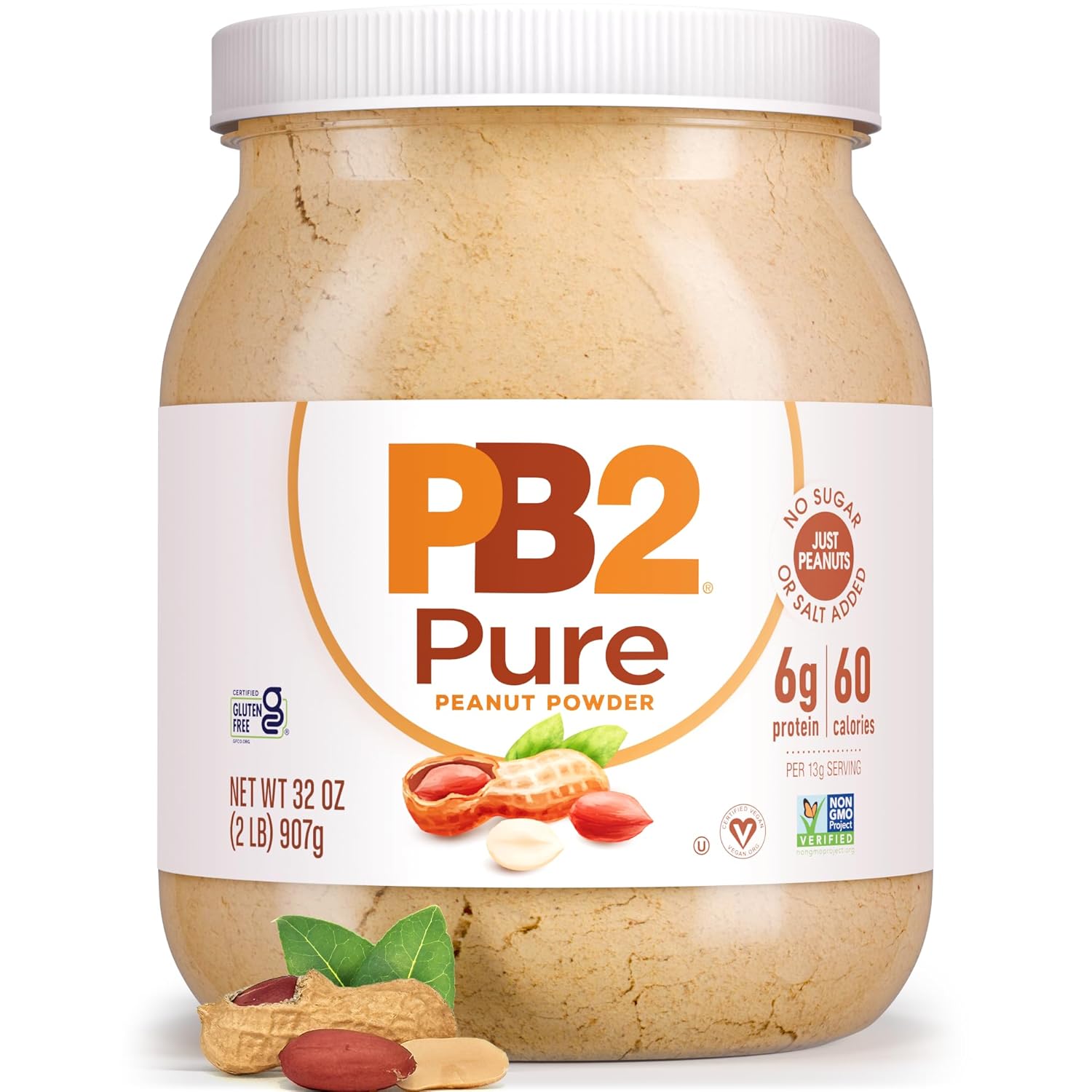
PB2 Pure Peanut Powder
Make sure you get the “Pure” version, not the original (which has added sugar). This is just 100% roasted peanuts. You mix it with water to create a spread, or add the powder directly to smoothies and oatmeal for flavor without the fat.
Pros
- Only 50 Calories per serving (vs 190)
- 1g Fat per serving
- Great for baking and smoothies
- No oil separation mess
Cons
- Texture is different (less creamy)
- Lacks the satiety of healthy fats
5. Justin’s Classic Peanut Butter (Best On-the-Go)
Portion control is hard when you have a spoon and a whole jar. Justin’s solves this with their single-serve squeeze packs. They are perfect for keeping in your purse or car for emergency blood sugar stabilization.

Justin’s Classic Peanut Butter
Justin’s adds a tiny amount of sustainably sourced palm oil. While we generally avoid added oils, in this case, it stabilizes the texture for the squeeze pack, making it a functional trade-off for convenience.
Pros
- Perfect portion control (1.15oz packs)
- No mess or utensils needed
- Gluten-Free certified
Cons
- Contains Palm Oil (Texture stabilizer)
- Pricey per ounce
Nutritional Comparison Chart (Per 2 Tbsp)
| Brand | Calories | Total Fat | Total Carbs | Fiber | Sugars | Ingredients |
|---|---|---|---|---|---|---|
| Crazy Richard’s | 190 | 16g | 7g | 3g | 2g | Peanuts |
| Smucker’s Organic | 190 | 16g | 7g | 3g | 1g | Peanuts, Salt |
| Santa Cruz Dark | 190 | 17g | 6g | 2g | 1g | Peanuts, Salt |
| PB2 Pure | 50 | 1.5g | 5g | 2g | 1g | Roasted Peanuts |
| Justin’s Classic | 190 | 16g | 7g | 2g | 2g | Peanuts, Palm Oil |
| Generic “Skippy” | 190 | 16g | 6g | 2g | 3g+ | Peanuts, Sugar, Hydrogenated Oil, Salt |
Natural vs. Regular: The Oil Issue
Why does “Natural” peanut butter separate with a pool of oil on top? Because peanuts naturally contain oil! In “Regular” peanut butter (like Jif or Skippy), manufacturers remove some of the healthy peanut oil and replace it with hydrogenated vegetable oils (like cottonseed, soybean, or rapeseed oil). These oils are solid at room temperature, which keeps the butter emulsified.
The problem for diabetics: Hydrogenated oils are linked to inflammation and insulin resistance. Even if the sugar content is low, the type of fat matters. Always choose natural and stir it yourself.
The Glycemic Magic of Peanuts
Peanuts have a Glycemic Index (GI) of just 13. This is incredibly low. For context, pure glucose is 100.
Because they are high in fat and protein, peanuts digest slowly. When you eat peanut butter with carbohydrates (like on apple slices or whole-grain toast), the fat acts as a buffer, slowing down the absorption of the sugars from the fruit or bread. This prevents the sharp spike in blood sugar that would happen if you ate the fruit alone.
Solving the “Oil Separation” Mess
The #1 complaint about natural PB is the mess. Here is the hack:
- Store it upside down: When you buy a new jar, store it upside down in your pantry. The oil (which wants to float to the top) will travel through the butter to the “bottom” (now the top). When you flip it to open, it’s pre-mixed.
- The Knife Trick: Use a sturdy butter knife to poke holes up and down through the jar before stirring in circles.
- Refrigerate: Once stirred, put it in the fridge. This solidifies the natural peanut oils and prevents them from separating again.
Almond & Cashew Butter Alternatives
While peanut butter is great, other nut butters offer different benefits:
- Almond Butter: Slightly higher in Vitamin E, Iron, and Fiber than peanut butter. It’s a great choice if you tolerate almonds better than legumes.
- Cashew Butter: Creamier and naturally sweeter, but higher in carbohydrates (starch). Diabetics should consume cashew butter in stricter moderation.
- Sunflower Butter: A great nut-free alternative for those with allergies, rich in magnesium.
Frequently Asked Questions
The Bottom Line
You do not have to give up peanut butter. You just have to upgrade your brand. By switching to a 100% peanut option like Crazy Richard’s or a convenient option like Justin’s Packs, you gain a powerful tool for hunger management and blood sugar stabilization.
Remember: If you have to stir it, it’s good for you.
Get A Free 7-Day Meal Plan