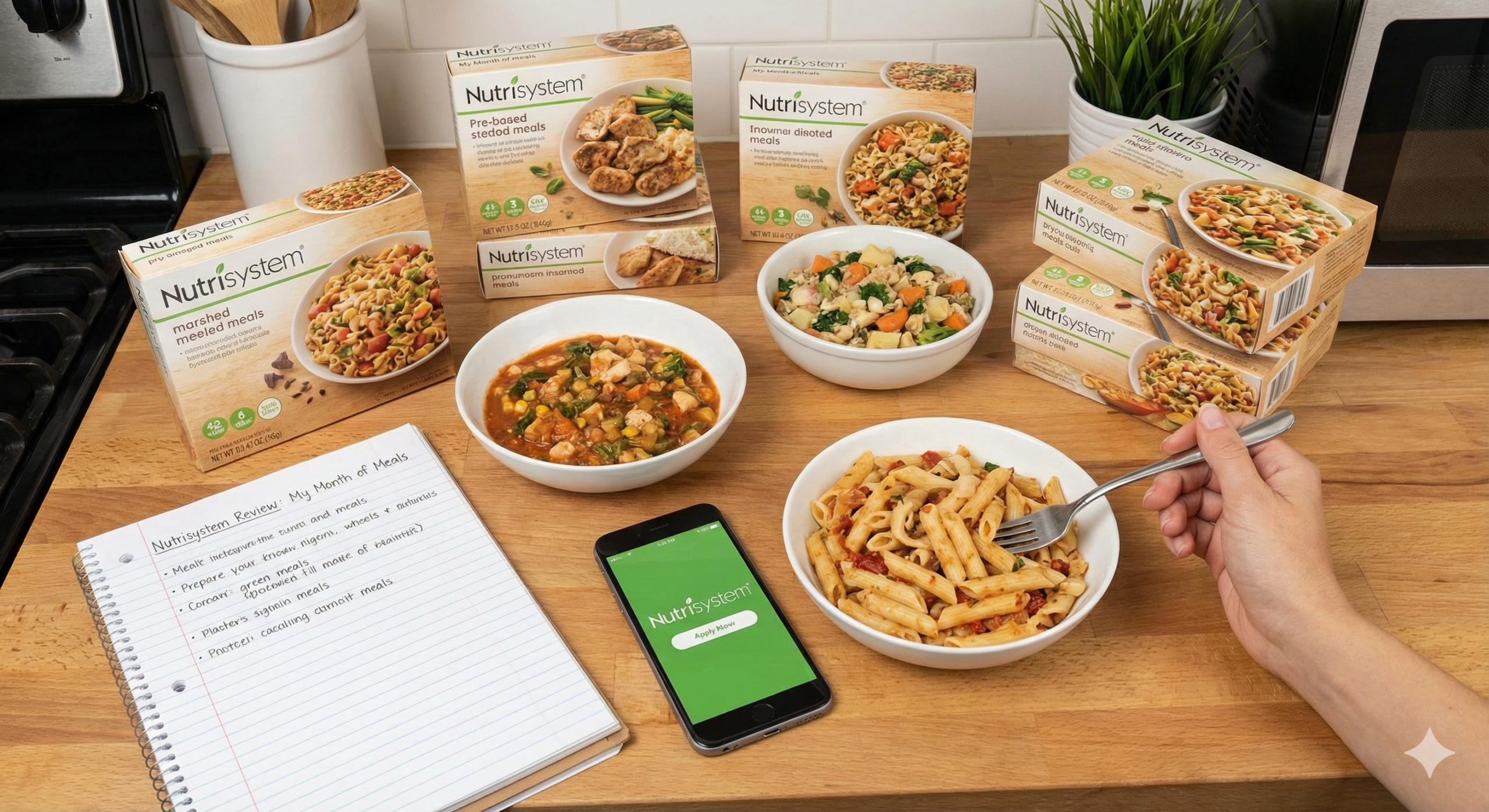
Comprehensive Nutrisystem Review: Does the Classic Meal Delivery Diet Really Work? (2026 Update)
In a world saturated with trendy weight loss apps, keto-specific services, and intermittent fasting protocols, Nutrisystem remains the veteran in the room. It has been a household name for decades, promising one simple thing: we handle the counting so you don’t have to.
But does this “heat-and-eat” model still hold up today? With modern competitors offering chef-prepared gourmet meals, Nutrisystem’s reputation for shelf-stable pantry food has faced scrutiny. However, recent overhauls to their menu—specifically the introduction of “Hearty Inspirations” premium frozen meals—have aimed to modernize the experience.
This review cuts through the marketing noise. We are looking at the current state of Nutrisystem, analyzing the taste difference between their basic and premium tiers, and determining if the convenience justifies the price tag for busy adults looking to shed pounds. We’ve also added deep insights into the glycemic science, how to avoid plateaus, and exactly what happens when you stop the program.
How It Works: The “Done-For-You” Model
Nutrisystem is a high-protein, lower-glycemic index plan designed to keep blood sugar steady. Unlike diets that require you to weigh food or track macros, Nutrisystem sends you pre-portioned meals for Breakfast, Lunch, Dinner, and Snacks.
The program is structured around eating six times a day to prevent hunger. You receive a shipment every 4 weeks containing most of your food. However, you are not eating 100% boxed food. The program requires you to purchase fresh grocery add-ins, known as:
- PowerFuels: Lean proteins like chicken, eggs, or yogurt.
- SmartCarbs: High-fiber foods like fruits, whole grains, or beans.
- Vegetables: Unlimited non-starchy veggies are encouraged to add volume to the smaller boxed meals.
This hybrid approach teaches you portion control while ensuring you still eat fresh produce. The companion NuMi App helps you track these add-ins so you stay within your calorie goals. The app now includes barcode scanning for grocery items, a huge upgrade from earlier versions.

Portion Control Containers
Nutrisystem teaches you portion sizes, but having your own set of color-coded containers helps you manage your “Flex Meals” and grocery add-ins with precision.
Check Price on AmazonThe Food: Shelf-Stable vs. Frozen
The single most important factor in your success with Nutrisystem is which plan you choose, because the food quality varies drastically between the tiers.
Shelf-Stable Meals (“Ready to Go”)
These are the classic Nutrisystem foods that do not require refrigeration—think granola bars, muffins, and microwavable bowls of pasta or chili.
The Verdict: They are convenient and portable, making them excellent for office lunches. However, the taste is often compared to canned soup or camping meals. They get the job done, but they aren’t culinary masterpieces. Texture can be mushy, but newer formulations have improved.
Frozen Meals (“Hearty Inspirations”)
This is where the program shines. The frozen line includes skillet meals, roasted turkey, burgers, and pizzas.
The Verdict: These are significantly better than the pantry items. The “Hearty Inspirations” meals are larger, contain more protein (up to 30g), and taste closer to a standard restaurant meal. If you care about flavor, prioritizing a plan with frozen options is non-negotiable. The frozen pizzas, for example, have a crispy crust that defies diet food expectations.
Plans & Pricing Breakdown
Nutrisystem generally offers three main tiers. While prices fluctuate based on promotions, here is the hierarchy of what you get:
- Basic Plan: The entry-level option. You receive 5 days of meals per week (you cover weekends). The food is primarily the shelf-stable “Ready to Go” variety. This is the most affordable options but offers the least variety. Typical cost ~$8–$10/day.
- Uniquely Yours: The most popular middle-ground. This plan introduces the frozen meals mentioned above. You get a mix of frozen and shelf-stable items, offering much better taste and texture. ~$11–$13/day.
- Uniquely Yours Max+: The premium tier. You get the maximum amount of frozen meals, including the larger “Hearty Inspirations” dinners for every day of the week. This plan requires the least amount of grocery shopping for extra protein. ~$13–$15/day.
Note on Cost: Most plans average between $10 to $15 per day. While this seems like a monthly investment, remember that it replaces about 70-80% of your grocery bill. Also watch for sales: Nutrisystem often runs “50% off” promotions, making the first month much cheaper.

Nutrisystem 5-Day Weight Loss Kit
Not ready to commit to a full month? You can try a 5-day sample kit from Amazon to taste the shelf-stable meals before signing up for a subscription.
Check Price on AmazonA Sample Day on Uniquely Yours (with grocery add-ins)
To give you a real feel, here’s what a typical day looks like (calories ~1300):
- Breakfast: Nutrisystem cinnamon roll (heat in microwave) + 1 cup strawberries (SmartCarb).
- Morning Snack: Nutrisystem chocolate chip cookie + non-fat Greek yogurt (PowerFuel).
- Lunch: Nutrisystem creamy pasta with broccoli + side salad with vinaigrette.
- Afternoon Snack: 1 apple (SmartCarb) with 1 tbsp peanut butter (PowerFuel).
- Dinner: Nutrisystem frozen roasted turkey medallions with mashed potatoes + 1 cup steamed green beans.
- Evening Snack: Nutrisystem double chocolate chip dessert bar.
You’re eating every 2–3 hours, which stabilizes blood sugar and curbs cravings. The total carb count is controlled, yet you get enough fiber to feel full.
Health & Nutrition Profile
Nutrisystem is scientifically backed. The meals are designed to fit specific nutritional parameters:
- Calories: Daily intake usually lands around 1,200 to 1,500 calories once you add your grocery items.
- Protein: Average 60–80g per day, higher on Max+ plans, preserving muscle during weight loss.
- Sodium: Prepared meals are notoriously high in salt. Nutrisystem aligns with USDA guidelines (approx. 2,300mg per day), but if you are strictly watching sodium, you must read labels on specific items and choose lower-sodium options (many are marked).
- Diabetes Friendly: The Nutrisystem D plan is specifically tailored for people with Type 2 Diabetes. It focuses on low-glycemic carbs and high protein to prevent blood sugar spikes. The American Diabetes Association has endorsed the program’s principles.
The Science: Why Nutrisystem Works (Beyond Calories)
Yes, calorie deficit drives weight loss. But Nutrisystem leverages three metabolic levers:
- Glycemic control: Meals are designed to have a low glycemic load. This avoids the insulin roller coaster that leads to fat storage and hunger. Steady insulin = steady energy.
- Portion anchoring: By eating the same structure every day, your body’s hunger hormones (ghrelin) adjust downward. This is called “habituation.”
- Protein pacing: Eating protein every 3–4 hours maximizes thermogenesis and preserves lean mass. The 6‑meal structure is supported by research from the Pennington Biomedical Research Center.
These factors explain why people often lose more weight on Nutrisystem than on a DIY diet with the same calories—the composition matters.
Exercise on Nutrisystem: How to Maximize Results
Nutrisystem does not require exercise, but if you add it, results accelerate. They offer “Exercise Plans” inside the NuMi app with simple at-home routines. Here’s a quick guideline:
- Week 1–2: Focus on walking 30 min/day. Don’t overdo it; your body is adjusting to fewer calories.
- Week 3+: Add resistance training 2x/week (bodyweight squats, push-ups, resistance bands). Preserving muscle boosts metabolism.
- Cardio: 150 minutes moderate intensity per week is the sweet spot. This aligns with CDC guidelines.
Pro tip: On days you exercise, you can add an extra PowerFuel (like a protein shake) to fuel recovery—just log it in the app.
Pros and Cons
✅ The Pros
- Ultimate Convenience: No meal prep, no weighing, no thinking.
- Portion Education: It effectively retrains your brain to recognize proper serving sizes.
- Flexibility: The “Flex Meals” allow you to dine out or cook with family occasionally.
- Structure: Great for people who need strict rules to succeed.
- Solid app support with barcode scanning and progress tracking.
❌ The Cons
- Processed Food: Even the frozen meals are processed compared to cooking from scratch.
- Taste Variance: The shelf-stable items can be hit or miss for picky eaters.
- Transitioning Off: You must learn to cook eventually, or the weight may return when you stop the subscription.
- Sodium levels can be high for sensitive individuals.
Nutrisystem vs. The Competition
| Program | Format | Daily cost (approx) | Best for |
|---|---|---|---|
| Nutrisystem | Portioned meals + add-ins | $10–15 | Structure, weight loss speed |
| Weight Watchers (WW) | Self-cooked/any food, points system | ~$6 (digital only) | Flexibility, long-term habits |
| Factor (fresh meals) | Chef-prepared, refrigerated | $13–$17 | Gourmet taste, paleo/keto |
| Keto delivered (e.g., Green Chef) | Meal kits | $12–$15 | Very low carb, cooking |
Vs. Weight Watchers (WW): WW is a lifestyle program that lets you eat anything as long as you track points. It requires more work (cooking/tracking) but offers more freedom. Nutrisystem does the work for you but restricts your choices.
Vs. Keto/Low Carb: Nutrisystem is not Keto. It allows carbs (pasta, bread) but in controlled, high-fiber versions. If you prefer a strict low-carb lifestyle, Nutrisystem might feel too “carby” for you, though their protein-focused plans are a good middle ground.
Vs. Fresh Meal Delivery (e.g., Factor): Fresh meal services taste better (restaurant quality) but are significantly more expensive and often higher in calories/fat. Nutrisystem is cheaper and strictly calorie-controlled for weight loss.
Transitioning Off Nutrisystem: The Maintenance Phase
The biggest criticism of any meal delivery diet is the “rebound” risk. Nutrisystem addresses this with a structured Transition Plan (usually the last 2–4 weeks). Here’s how to make the switch sustainable:
- Phase 1 (partial substitution): Replace 1–2 Nutrisystem meals per day with home-cooked versions that follow the same portion templates (palm-size protein, fist-size veggies, thumb-size fat).
- Phase 2 (full independence): You prepare all meals but continue using the NuMi app to track portions.
- Keep the rhythm: Continue eating every 3–4 hours, even if it’s a small homemade snack.
Success depends on learning the “why” behind the portions. Many people reorder a “booster” month after a vacation to get back on track—it’s designed to be cyclical.
Final Verdict: Who is Nutrisystem For?
Nutrisystem remains a powerful tool for a specific type of person. It is highly recommended if:
- You are busy and have zero time to meal prep.
- You have tried “eating healthy” on your own but struggle with portion sizes.
- You need a strict “reset” to drop the first 10-15 pounds quickly.
- You don’t mind eating packaged foods in exchange for convenience.
However, if you are a foodie who loves cooking fresh meals every night, or if you are on a very tight budget, you might be better off following a DIY meal plan. For the best experience, we strongly suggest springing for the Uniquely Yours plan to get access to the frozen meals—the taste upgrade is worth the extra cost.
2026 update: With improved frozen selections and the NuMi 2.0 app, Nutrisystem has modernized while keeping its core strength: simplicity.