Authentic Chinese Diabetic Recipes: Enjoying the Wok Without the Spike
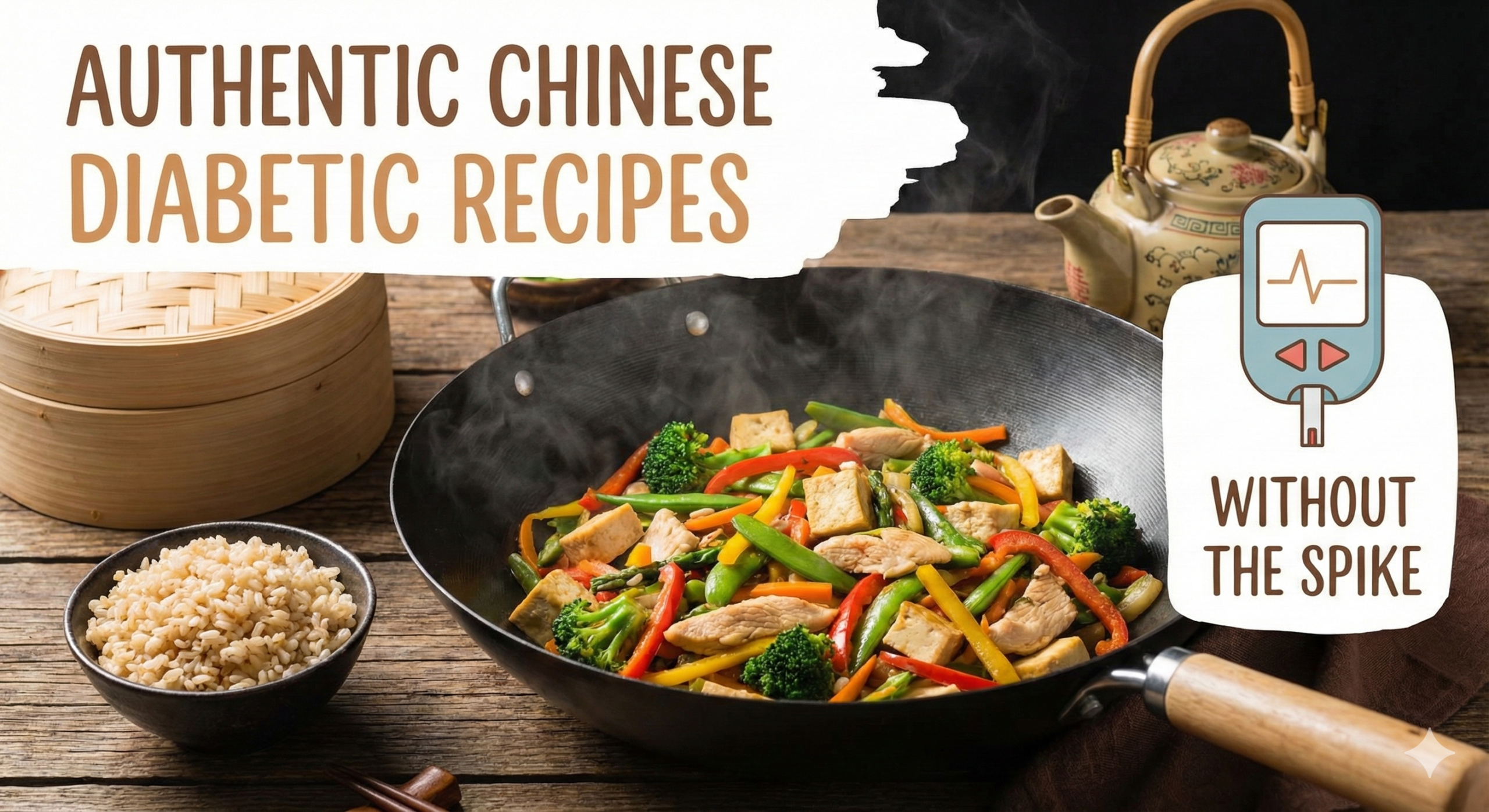
For many newly diagnosed diabetics, the thought of giving up their favorite takeout—be it General Tso’s Chicken, Sweet and Sour Pork, or a heaping bowl of Fried Rice—feels like a culinary tragedy. Chinese cuisine is beloved for its bold flavors, contrasting textures, and comforting warmth. However, in the Western world, it has gained a reputation for being a “sugar and starch bomb” that can send blood glucose levels into the stratosphere.
But here is the truth: Traditional Chinese cooking is actually incredibly healthy. The issue lies not with the culinary tradition itself, but with the modern adaptations laden with thick cornstarch slurries, deep-fried batters, and sugary glazes. By returning to the roots of steaming, stir-frying, and balancing yin and yang, you can create delicious Chinese diabetic recipes that fit perfectly into a heart-healthy diabetic diet.
In this extensive guide, we will dismantle the myths surrounding Chinese food and diabetes. We will provide you with pantry hacks, cooking techniques, and mouth-watering recipes that allow you to enjoy the flavors of the Orient while keeping your A1C in check. Whether you are following a low carb weekly diabetic menu or simply trying to eat better, this guide is your roadmap.
Did you know? According to the CDC, more than 37 million Americans have diabetes, and managing blood sugar through diet is crucial. Chinese cuisine, with its emphasis on vegetables and lean proteins, can be a powerful tool in your dietary arsenal when prepared correctly. Embracing low-glycemic cooking methods helps improve insulin sensitivity and supports long-term glycemic control.
The “Takeout Trap”: Why Chinese Food Spikes Blood Sugar
Before we start cooking, it is crucial to understand the enemy. Typical restaurant Chinese food relies on three main culprits that wreak havoc on a diabetic’s system:
- The White Rice Foundation: A standard takeout meal is often served with 2-3 cups of white rice. This high-glycemic staple digests rapidly into glucose.
- The “Velvet” Trap (Cornstarch): “Velveting” meat involves coating it in cornstarch before cooking. Furthermore, sauces are thickened with cornstarch. This is pure refined carbohydrate.
- Hidden Sugars: Hoisin sauce, Oyster sauce, and Plum sauce are often 30-50% sugar by weight.
For instance, a single serving of restaurant-style General Tso’s chicken can contain over 50 grams of carbohydrates—mostly from sugar, breading, and hidden thickeners. That’s equivalent to eating four slices of white bread before you even touch the rice. To reverse insulin resistance, we need to replicate the textures and flavors without these high-glycemic ingredients.
Building Your Diabetic Chinese Pantry
You can’t cook authentic low-carb Chinese food with American ingredients. You need specific swaps that mimic the traditional flavor profile without the glycemic load.
Essential Swaps Checklist
- Rice Replacement: Cauliflower rice is the gold standard. For those not on strict keto, brown rice or quinoa mixed with veggies works well.
- Thickener (Cornstarch Substitute): Xanthan gum (use sparingly!) or Glucomannan powder. Alternatively, reduce sauces by simmering longer rather than thickening.
- Sweetener: Liquid Stevia, Erythritol, or Monk Fruit sweetener for sauces like Teriyaki or Sweet & Sour.
- Soy Sauce: Tamari (gluten-free) or Coconut Aminos (lower sodium). This is crucial if you are on a low sodium diabetic meal plan.
- Oil: Peanut oil for high heat, or Avocado oil. Sesame oil should be used as a finishing garnish, not a cooking fat.
Low-glycemic vegetables to always keep on hand: bok choy, Chinese broccoli (gai lan), napa cabbage, snow peas, and eggplant. These fiber-rich choices add bulk, vitamins, and have minimal impact on blood glucose.

Traditional Carbon Steel Wok (Flat Bottom)
The secret to “Wok Hei” (breath of the wok) without using excess oil is a high-quality carbon steel wok that heats evenly and sears vegetables instantly.
Check Price on AmazonChinese Breakfasts: Savory Over Sweet
In China, breakfast is rarely sweet. This is great news for diabetics. Forget pancakes; think savory soups and eggs.
For more morning inspiration, check our breakfast ideas for diabetes.
1. Savory “Congee” (Cauliflower & Chicken Porridge)
Traditional Congee is rice porridge—a diabetic nightmare. This version uses cauliflower rice simmered in bone broth until it breaks down into a creamy comfort food.
Ingredients:
- 2 cups cauliflower rice (frozen or fresh)
- 3 cups chicken bone broth (high protein)
- 1 inch ginger, julienned
- 1 cup shredded cooked chicken
- Toppings: Chopped scallions, sesame oil, white pepper, soft-boiled egg.
Instructions:
- In a pot, combine cauliflower rice, broth, and ginger.
- Simmer on medium-low for 20-30 minutes until the cauliflower becomes very soft and the liquid thickens.
- Stir in the shredded chicken to warm through.
- Serve hot, drizzled with sesame oil and topped with scallions and an egg for protein.
Net Carbs: ~5g per bowl.
2. Chinese Tea Marbled Eggs
A popular street snack that makes for a perfect grab-and-go breakfast or diabetic snack.
Ingredients:
- 6 large eggs
- 2 black tea bags
- 2 star anise pods
- 1 cinnamon stick
- 3 tbsp Tamari or soy sauce
Instructions:
- Hard boil the eggs (8 minutes). Cool under running water.
- Gently crack the shells all over with the back of a spoon (do not peel).
- Return eggs to the pot. Add water to cover, tea bags, spices, and soy sauce.
- Simmer on low for 1 hour, or let steep in the fridge overnight for deeper patterns.
Pro tip: Pair your breakfast with a cup of unsweetened green tea. Studies suggest green tea polyphenols can improve insulin sensitivity and aid blood sugar regulation.
Lunch: The Stir-Fry Solution
Lunch needs to be quick and energizing. Stir-fries are ideal because they prioritize vegetables and protein. If you are packing a lunch for work, these reheat beautifully. (See our menu for working adults).
1. Moo Shu Chicken Lettuce Wraps
Skip the flour pancakes and use crisp iceberg lettuce or romaine hearts.
Ingredients:
- 1 lb ground chicken or thinly sliced breast
- 2 cups shredded cabbage (coleslaw mix works)
- 1 cup sliced shiitake mushrooms
- 2 eggs, scrambled
- Sauce: 2 tbsp soy sauce, 1 tbsp sesame oil, 1 tsp ginger, 1 clove garlic.
Instructions:
- Scramble eggs in a wok and set aside.
- Sauté chicken until cooked through. Add mushrooms and cabbage; stir-fry until wilted but crunchy.
- Add the eggs back in. Pour sauce over the mixture and toss to coat.
- Spoon into lettuce cups and top with a dab of sugar-free Hoisin sauce (mix hoisin with a little water and stevia if needed).
2. Egg Drop Soup with Spinach
A classic that takes 5 minutes. We add spinach to boost the fiber content, aligning with a high fiber diabetic meal plan.
Ingredients:
- 4 cups chicken broth
- 2 eggs, beaten
- 1 cup fresh spinach leaves
- 1/4 tsp xanthan gum (optional, for thickness)
- White pepper and turmeric (for color).
Instructions:
- Bring broth to a boil. Add spinach and cook for 1 minute.
- Reduce heat to a simmer. While stirring the broth in a circular motion, slowly drizzle in the beaten eggs to create “ribbons.”
- Season with white pepper and salt. Serve immediately.
3. Cauliflower Fried Rice
A classic takeout favorite made low-carb. This version is packed with veggies and protein, and you won’t miss the rice at all. It’s perfect for a diabetic-friendly lunch that satisfies cravings without the glycemic load.
Ingredients:
- 1 head cauliflower, riced (or 4 cups pre-riced)
- 2 eggs, lightly beaten
- 1 cup diced mixed vegetables (peas, carrots, onions – go easy on peas if watching carbs)
- 2 cloves garlic, minced
- 3 tbsp coconut aminos or low-sodium soy sauce
- 1 tsp sesame oil
- 2 green onions, sliced
- Optional: 1/2 cup cooked chicken, shrimp, or tofu
Instructions:
- Heat a large wok or skillet over medium-high heat. Add a tablespoon of oil.
- Scramble the eggs, then remove and set aside.
- Add more oil, then stir-fry garlic and mixed vegetables until tender.
- Add cauliflower rice and cook for 3-4 minutes, stirring constantly.
- Stir in soy sauce, sesame oil, and cooked eggs (plus optional protein). Toss well.
- Garnish with green onions and serve hot.
Net Carbs: ~8g per serving (depending on veggies).

10-Inch Bamboo Steamer
The healthiest way to cook! Steam fish, vegetables, and dumplings without adding any oil. Essential for a low-fat diabetic diet.
Check Price on AmazonDinner: A Family Feast
Dinner is where you can truly showcase that diabetic food doesn’t mean “bland food.” These dishes are robust enough for a diabetic dinner menu that the whole family will love.
1. Keto Kung Pao Chicken
Authentic Kung Pao is spicy and savory, not sweet. Peanuts provide healthy fats and crunch.
Ingredients:
- 1 lb chicken thighs, cubed
- 1/2 cup roasted peanuts
- 1 zucchini, diced (bulks up the meal)
- 6-8 dried red chilies
- 1 tsp Sichuan peppercorns (optional, for numbing heat)
- Sauce: 3 tbsp soy sauce, 1 tbsp rice vinegar, 1 tsp sesame oil, 1 tsp liquid stevia.
Instructions:
- Heat oil in a wok. Fry dried chilies and peppercorns briefly to infuse the oil.
- Add chicken and sear until golden.
- Toss in zucchini and stir-fry for 3 minutes.
- Add the sauce and peanuts. Toss until everything is coated and sauce has reduced slightly.
2. Steamed Fish with Ginger and Scallions
This is a banquet-style dish that is incredibly low in calories and carbs, perfect for a 1200 calorie diabetic menu.
Ingredients:
- 2 white fish fillets (Cod, Halibut, or Tilapia)
- 2 inch piece of ginger, sliced into thin matchsticks
- 2 stalks scallions, julienned
- 2 tbsp soy sauce
- 1 tbsp hot oil (avocado or peanut)
Instructions:
- Place fish on a heat-proof plate. Top with half the ginger.
- Place plate in a bamboo steamer over boiling water. Steam for 8-10 minutes.
- Remove from steamer. Drain excess water. Top with fresh scallions and remaining ginger.
- Heat the oil in a small pan until smoking. Drizzle carefully over the aromatics (it will sizzle!). Pour soy sauce over the fish.
Low-carb Mapo Tofu variation: Use firm tofu and ground pork. For the sauce, combine fermented broad bean paste (doubanjiang), soy sauce, and a pinch of erythritol. Thicken with a tiny sprinkle of glucomannan powder instead of cornstarch. Serve with steamed greens.
Dining Out: Navigating the Chinese Menu
You don’t always have to cook. If you are celebrating or grabbing lunch, use these tips from our eating out diabetic menu guide.
Red Flags (Avoid These)
- “Crispy” or “Sweet & Sour”: Code words for breaded, deep-fried, and sugar-glazed.
- Lo Mein / Chow Mein: Pure noodles. Very high glycemic load.
- Orange / Lemon Chicken: Usually just sugar syrup.
Green Lights (Order These)
- Steamed Buddha’s Delight: Mixed veggies and tofu. Ask for sauce on the side.
- Egg Foo Young: Essentially a Chinese omelet. Gravy on the side.
- Peking Duck (Meat only): Skip the pancakes and hoisin; enjoy the crispy skin and meat with cucumber.
- Szechuan Green Beans: Usually dry-fried without batter.
Hot pot tip: Choose a clear broth (like mushroom or tomato), load up on meats, leafy greens, mushrooms, and tofu. Avoid noodles, dumplings, and processed fish balls. Ask for extra ginger and garlic—both have anti-inflammatory benefits for diabetics.
Homemade vs. Takeout: The Diabetic Verdict
| Feature | Homemade Diabetic Chinese | Restaurant Takeout |
|---|---|---|
| Carbohydrates | Controlled (Cauliflower rice, low starch) | High (Rice, Noodles, Breading) |
| Fats | Healthy (Avocado/Peanut Oil) | Inflammatory (Soybean/Vegetable Oil) |
| Sodium | Adjustable (Use Low Sodium Soy) | Very High (Risk for Hypertension) |
| Fiber | High from fresh vegetables | Minimal fiber, mostly starch |
| Flavor | Authentic, fresh, customizable | Often overly sweet or salty |
If you suffer from high blood pressure alongside diabetes, refer to our diabetic menu for high blood pressure before ordering takeout, as the sodium content in restaurant soy sauce is staggering.

Organic Glucomannan Powder (Konjac Root)
The perfect zero-carb thickener for your stir-fry sauces. It creates that glossy texture without the insulin spike of cornstarch.
Check Price on AmazonFrequently Asked Questions
Can I eat rice noodles on a diabetic diet?
Rice noodles have a very high glycemic index, similar to white rice. It is best to avoid them or use Shirataki noodles (Konjac noodles) which are zero carb and mimic the texture of glass noodles perfectly.
Is MSG bad for diabetics?
MSG (Monosodium Glutamate) itself does not raise blood sugar. However, it contains sodium. If you are salt-sensitive or have hypertension, you should limit it. Many people confuse the “MSG reaction” with the blood sugar spike from the rice/noodles consumed with it.
What is the best soy sauce substitute?
Coconut Aminos is a popular soy-free, wheat-free alternative that is slightly sweeter and lower in sodium. Tamari is a gluten-free soy sauce that is richer in flavor. Both are excellent choices.
How can I make dumplings diabetic-friendly?
Traditional dumpling wrappers are made of white flour. You can try making wrappers with almond flour dough (like “Fathead” dough) or simply eat the filling as meatballs. Another option is using cabbage leaves to wrap the filling.
Can I use brown rice instead of white in Chinese recipes?
Brown rice is a better choice because it contains more fiber and nutrients, which slow down glucose absorption. However, it’s still carbohydrate-dense. Stick to a small portion (½ cup cooked) and load up on vegetables and protein to balance the meal.
Are spring rolls off-limits for diabetics?
Traditional deep-fried spring rolls are high in refined carbs and unhealthy fats. However, you can make fresh spring rolls using rice paper wrappers (use sparingly) and fill them with shrimp, herbs, and lettuce. Better yet, wrap the filling in large lettuce leaves for a crunchy, zero-carb alternative.
What cooking oil is best for high-heat stir-frying with diabetes?
Choose oils with a high smoke point that are also heart-healthy: avocado oil, peanut oil, or refined coconut oil. Avoid olive oil for wok cooking as it burns at high temperatures and can create harmful compounds. Sesame oil should only be used as a finishing flavor.
Final Thoughts: Master the Wok, Master Your Health
Chinese cuisine, with its emphasis on rapid cooking, fresh vegetables, and bite-sized proteins, is inherently suited for a diabetic lifestyle—once you strip away the Westernized sugar coatings.
By incorporating these Chinese diabetic recipes into your weekly diabetic meal plan, you gain variety, flavor, and satisfaction without compromising your blood sugar goals. Start with a simple stir-fry tonight. Swap the rice for cauliflower, ditch the sugar for stevia, and taste the difference authentic cooking makes. Experiment with ginger, garlic, and Sichuan peppercorns—they not only add depth but also offer anti-inflammatory benefits that support metabolic health.
Remember: consistent small changes lead to lasting results. Always monitor your blood glucose to see how your body responds to new ingredients, and consult a registered dietitian to personalize your meal plan.
Ready to Cook?
Equip your kitchen with the best low-carb Asian cooking essentials.
Shop Diabetic Asian Pantry on Amazon