Mexican Diabetic Food Recipes: Enjoying Authentic Flavor Without the Spike
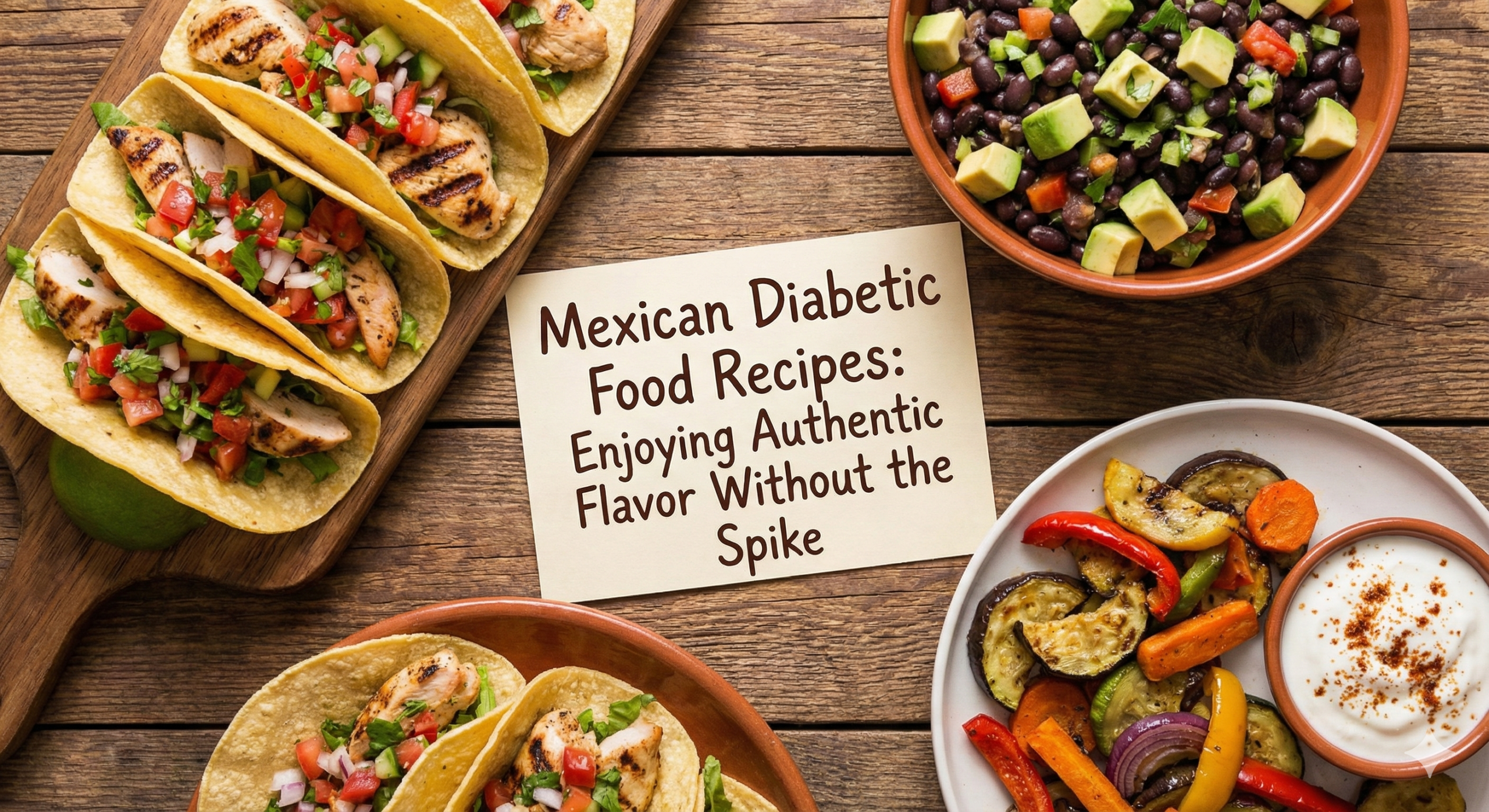
There is a common misconception that a diabetes diagnosis signifies the end of culinary enjoyment, particularly when it comes to rich, culturally significant cuisines like Mexican food. The thought of giving up warm tortillas, savory enchiladas, and zesty salsas can be disheartening. However, the reality is quite the opposite. Mexican diabetic food recipes can be among the healthiest options available if prepared with the right ingredients and techniques.
Traditional Mexican cuisine is actually rooted in whole foods: corn, beans, vegetables, and lean proteins. It is the modern “Tex-Mex” adaptations—laden with refined flour, yellow cheese, and deep-fried shells—that cause issues for blood sugar. By returning to authentic roots and making smart swaps, you can create a heart-healthy diabetic diet that bursts with flavor.
In this extensive guide, we will explore how to restructure your fiesta. We will cover everything from low-carb breakfast chilaquiles to protein-packed fajitas, ensuring you can stick to your weekly diabetic meal plan without feeling deprived. Moreover, we have added dozens of practical tips, cultural insights, and ingredient deep‑dives to help you master Mexican diabetic cooking at home — all while keeping blood sugar stable.
Whether you are newly diagnosed or a seasoned pro in diabetes management, these recipes are designed to satisfy your cravings and nourish your body. Let’s dive into the vibrant world of Mexican cuisine, reimagined for your health.
The Foundation: Mexican Superfoods for Blood Sugar Control
Before diving into the recipes, it is essential to understand the ingredients. Many staples in a Mexican pantry are naturally diabetic-friendly. Leveraging these can help with insulin resistance and overall glucose management. Below we explore traditional ingredients that are both delicious and scientifically proven to support metabolic health.
Nopales (Cactus Pads)
Nopales are a superstar ingredient for diabetics. Studies suggest that the mucilage in the cactus can help lower blood sugar levels and improve insulin sensitivity. They have a tart flavor similar to green beans and a texture like okra. Use them in scrambled eggs, salads, or grilled as a side. Fresh nopales are best, but jarred (rinsed) are a convenient alternative.
Key Pantry Staples (Expanded List)
- Avocados: Loaded with monounsaturated fats that slow digestion and keep blood sugar stable. They also provide potassium and fiber.
- Black Beans & Pinto Beans: While they contain carbs, they are high in fiber and resistant starch. Portion control (½ cup per serving) is key, but they are far superior to white rice. Always opt for dried or low‑sodium canned beans.
- Chiles (Jalapeños, Poblanos, Serranos, Habaneros): Capsaicin boosts metabolism and adds flavor without sodium or sugar. They are rich in vitamins A and C.
- Jicama: A crunchy, low‑glycemic alternative to potatoes or chips. Slice it for dipping in guacamole or sprinkle with chili and lime.
- Cilantro & Lime: Essential for seasoning without relying on salt, perfect for a diabetic menu for high blood pressure.
- Tomatoes & Tomatillos: Low in sugar and high in antioxidants; base for many salsas.
- Epazote & Mexican Oregano: Aromatic herbs that add depth without sodium.
- Chia Seeds: Used in traditional aguas frescas, chia seeds provide omega‑3 and fiber.
- Pumpkin Seeds (Pepitas): Great for snacking or as a crunchy topping for soups and salads.
Additionally, using whole grain corn (masa harina) in moderation, and opting for lean proteins like chicken breast, turkey, and fresh fish, will keep your meals balanced.

Authentic Cast Iron Tortilla Press
Make your own thin, portion-controlled corn or almond flour tortillas at home. Avoid the preservatives and sugar found in store-bought brands. This sturdy press ensures uniform thickness for even cooking.
Check Price on AmazonMexican Breakfasts: Starting the Day Right
Mexican breakfasts are traditionally hearty. The goal here is to reduce the carb load from tortillas and focus on the eggs and vegetables. For more inspiration, check our list of breakfast ideas for diabetes. These morning meals are designed to provide sustained energy and avoid mid‑morning crashes.
1. Huevos Rancheros (Low-Carb Style)
Prep time: 10 mins | Cook time: 15 mins | Serves: 2
Instead of a pile of fried corn tortillas, we use a single, high-fiber low-carb tortilla or a base of sautéed spinach. This version keeps all the traditional flavors—salsa, fried eggs, creamy avocado—without the blood sugar spike.
Ingredients:
- 2 low-carb whole wheat or almond flour tortillas
- 4 large eggs (preferably pasture-raised)
- 1/2 cup salsa roja (check label for no added sugar; or make your own)
- 1/4 cup black beans, rinsed and warmed
- 1 avocado, sliced
- Fresh cilantro and cotija cheese for garnish (optional)
Instructions:
- Lightly toast the tortillas in a dry skillet until crisp. Set aside.
- In the same skillet, fry eggs to your preference (sunny side up is traditional, but over‑easy works too).
- Place a tortilla on a plate, spread a tablespoon of beans, and top with the egg.
- Pour warm salsa over the egg. Top with avocado, cheese, and cilantro. Serve immediately with a side of fresh jicama sticks.
Pro tip: Add a spoonful of sautéed nopales for extra fiber and blood sugar control.
2. Scrambled Eggs with Nopales and Chorizo
Prep time: 15 mins | Cook time: 10 mins | Serves: 4
This dish is incredibly filling and virtually zero carb if you skip the side of tortillas. It fits perfectly into a keto diabetic meal plan. The combination of spicy chorizo and tender cactus is a match made in heaven.
Ingredients:
- 1 cup fresh nopales, diced (or jarred, rinsed well)
- 4 oz Mexican chorizo (remove casing; choose lean turkey chorizo if available)
- 6 large eggs, beaten
- 1/4 white onion, diced
- Salt, pepper, and a pinch of cumin to taste
Instructions:
- Cook chorizo in a skillet over medium heat until browned, breaking it up with a spoon. Remove excess grease but leave about a tablespoon for flavor.
- Add onions and nopales. Sauté for 5-7 minutes until tender and the nopales have released their moisture.
- Pour in the beaten eggs and scramble until fully cooked but still moist.
- Serve immediately with a side of pico de gallo and a few slices of avocado.
Looking for a quicker option? A diabetic smoothie menu can also include Mexican flavors like cucumber, lime, and chili powder. Blend with Greek yogurt for protein.
Lunch: Light, Fresh, and Zesty
Lunch needs to energize you, not induce a siesta. Traditional Mexican soups and salads are perfect for this. If you are a busy professional, these pack well for a working adult’s diabetic menu. They are also hydrating and loaded with vegetables.
1. Chicken Tortilla Soup (The Healthy Way)
The key here is limiting the tortilla strips and focusing on the broth and protein. This soup is deeply flavorful thanks to roasted tomatoes and a blend of ground chiles.
Ingredients:
- 1 lb chicken breast, shredded (or use leftover rotisserie chicken)
- 4 cups chicken bone broth (high protein, collagen-rich)
- 1 can fire-roasted diced tomatoes (no salt added)
- 1 zucchini, diced (adds bulk and nutrients)
- 1 carrot, diced (for sweetness and fiber)
- 1 tsp cumin, 1 tsp chili powder, 1/2 tsp smoked paprika
- Toppings: radish slices, avocado, lime juice, chopped cilantro, a few baked tortilla strips (optional)
Instructions:
- In a large pot, sauté a little onion and garlic in olive oil. Add broth, tomatoes, spices, zucchini, and carrot. Simmer for 20 minutes until vegetables are tender.
- Add cooked shredded chicken and heat through for 5 minutes.
- Serve in bowls and top generously with fresh avocado, radishes, and a squeeze of lime. If you desire crunch, add a small handful of baked tortilla chips or strips (about 5g carbs).
2. Shrimp Ceviche Tostadas
Ceviche is naturally low-fat and high-protein. By using a baked tostada or just lettuce cups, you keep it diabetic-friendly. The acidity from the lime “cooks” the shrimp perfectly.
Ingredients:
- 1 lb raw shrimp, peeled and deveined, chopped into ½-inch pieces
- 1 cup fresh lime juice (about 6-8 limes; must cover shrimp)
- 2 tomatoes, seeded and diced
- 1 cucumber, peeled and diced
- 1/2 red onion, finely minced
- 1 jalapeño, seeded and minced (use serrano for more heat)
- 1/2 cup chopped cilantro
- Salt to taste (optional)
Instructions:
- Place chopped shrimp in a glass bowl and cover completely with lime juice. Refrigerate for 20-30 minutes until shrimp are opaque and firm.
- Drain about half of the lime juice. Mix in tomatoes, cucumber, onion, jalapeño, and cilantro. Adjust salt.
- Serve atop baked corn tostadas (limit to 1-2 small tostadas) or in large romaine lettuce leaves for a crunch wrap.
- Garnish with extra avocado slices or a drizzle of Mexican crema (optional).
For more midday ideas, explore our comprehensive diabetic lunch menu featuring soups, salads, and light tacos.

The Diabetic Mexican Cookbook
Over 100 recipes transforming classic dishes into low-glycemic delights. Includes nutrition facts for every meal, plus weekly meal plans and tips for dining out.
Check Price on AmazonDinner: The Main Event
Dinner is where we often crave comfort food. These recipes are satisfying enough for the whole family, which helps when planning a 30-day diabetic menu for a household. They are also meal-prep friendly.
1. Chiles Rellenos (Baked, Not Fried)
Traditional Chiles Rellenos are battered and deep-fried. We skip the batter and bake them for a lighter version that fits a low carb weekly diabetic menu. The roasted poblanos are smoky and tender.
Ingredients:
- 4 large Poblano peppers
- 1 lb ground turkey or lean ground beef
- 1/2 onion, diced
- 1 cup Oaxaca cheese or part-skim Mozzarella (shredded)
- 1 can (15 oz) no-sugar-added tomato sauce
- 1 tsp dried Mexican oregano
- Salt and pepper to taste
Instructions:
- Roast peppers over an open flame or under a broiler until skin chars evenly. Place in a bowl, cover with plastic wrap, and let steam for 10 minutes. Then peel off skin, make a small slit lengthwise, and carefully remove seeds while keeping pepper intact.
- Sauté meat with onions, salt, pepper, and oregano until cooked through. Drain fat.
- Stuff each pepper with the meat mixture and a sprinkle of cheese (reserve some cheese for topping).
- Place stuffed peppers in a baking dish, cover with tomato sauce and the remaining cheese.
- Bake at 375°F (190°C) for 20 minutes until cheese melts and sauce bubbles. Serve with cauliflower rice.
2. Beef Fajitas with Peppers and Onions
Skip the flour tortillas and eat this with a fork, or use lettuce wraps. The protein and veggies make this perfect for a high protein diabetic menu. The sizzling presentation makes it company‑worthy.
Ingredients:
- 1 lb skirt steak or flank steak, sliced thinly against the grain
- 2 bell peppers (any color), sliced into strips
- 1 large yellow onion, sliced
- Marinade: 2 tbsp olive oil, juice of 1 lime, 2 tsp cumin, 1 tsp chili powder, 1 tsp garlic powder, 1/2 tsp smoked paprika
- Optional: low-carb tortillas or lettuce leaves for serving
Instructions:
- Combine marinade ingredients in a bowl, add steak strips, and toss to coat. Marinate for at least 1 hour (or overnight).
- Heat a large cast-iron skillet or griddle over high heat until smoking hot. Add a little oil.
- Sear the steak in a single layer for 2-3 minutes per side (do in batches if needed). Remove and set aside.
- Add peppers and onions to the same skillet; cook until charred and crisp-tender, about 4-5 minutes.
- Return meat to the skillet, toss everything together, and serve immediately with guacamole, salsa, and a side of cauliflower rice.
If you are looking for easy meal prep, you can incorporate these into a 1-day simple diabetic menu by cooking extra protein and veggies for next-day lunches.
Sides, Salsas, and Snacks
Often, it is the side dishes like rice and refried beans that spike blood sugar. Here are better alternatives that are just as delicious.
Cauliflower “Spanish Rice”
Pulse cauliflower in a food processor until it resembles rice grains. Sauté with onion, garlic, tomato paste, and a little chicken broth until tender. Stir in chopped cilantro and a squeeze of lime. It mimics the flavor of Mexican rice with a fraction of the carbs (about 5g net carbs per serving).
Cucumber with Chili and Lime (Pepinos con Chile)
A classic Mexican street snack. Slice cucumbers into sticks or rounds, squeeze fresh lime juice over them, and sprinkle with chili powder (Tajín is popular, but watch the sodium if you are on a low sodium plan). Add a pinch of sea salt if desired.
Guacamole with Veggie Sticks
Mash 2 ripe avocados with lime juice, diced onion, tomato, cilantro, and a pinch of cumin. Eat it with celery sticks, bell pepper strips, jicama sticks, or pork rinds (chicharrones) instead of corn chips. This fits perfectly into diabetic snack ideas.
Roasted Spiced Pepitas
Toss raw pumpkin seeds with a little oil, chili powder, and lime zest. Roast at 350°F for 8-10 minutes. They are a crunchy, high-magnesium snack.
Dining Out: How to Order Mexican Food
You don’t always have to cook. If you find yourself at a restaurant, follow these rules from our eating out diabetic menu guide to stay on track while enjoying the experience:
- Avoid the Chips: Ask the waiter to take the basket away immediately—or request a bowl of raw vegetables (like jicama sticks) for dipping in salsa.
- Choose Corn over Flour: Corn tortillas generally have a lower glycemic index and fewer additives than flour tortillas. Ask for soft corn tortillas instead of fried.
- Ask for “De La Olla”: Order whole beans (frijoles de la olla) instead of refried beans, which often contain lard and are mashed, causing a faster glucose response.
- Skip the Rice: Ask for double veggies or a side salad instead of the rice. Most restaurants will accommodate.
- Watch for Hidden Sugars: Mole sauces and some marinades can contain sugar or chocolate; ask if they are unsweetened.
- Portion Control: Mexican restaurant portions are often huge. Consider splitting an entrée or taking half home.
Traditional vs. Diabetic-Friendly Mexican Food
See the difference small swaps can make in your nutritional intake. These comparisons highlight carb savings and improved fiber content.
| Dish | Traditional Version (Approx Carbs) | Diabetic Version (Approx Carbs) | The Swap |
|---|---|---|---|
| Tacos (3) | 3 Fried Corn Shells (45g) | Lettuce Wraps or 2 Low Carb Tortillas (10g) | Shell replacement + extra veggies |
| Burrito | Large Flour Tortilla + Rice + Beans (80g+) | Burrito Bowl (No Rice, half beans) (20g) | Remove wrapper & rice, add fajita veggies |
| Enchiladas | 3 Corn Tortillas + Sauce (30g per serving) | Zucchini Ribbons or Eggplant Lasagna Style (8g) | Veggie wrap substitute, same sauce |
| Refried Beans | Made with Lard, mashed (High Sat Fat, 15g carb) | Whole Black Beans (High Fiber, 12g carb but more fiber) | Healthy fats & whole beans, no lard |
| Mexican Rice | White rice cooked with tomato (30g) | Cauliflower “Spanish Rice” (5g) | Low-carb vegetable substitute |

Organic Mexican Spice Collection
Flavor is everything. Use high-quality Cumin, Chili Powder, Mexican Oregano, and Epazote to make your diabetic meals taste gourmet without added salt or sugar. This set includes six authentic spices.
Check Price on AmazonFrequently Asked Questions
Are corn tortillas safe for diabetics?
Generally, yes, in moderation. Corn tortillas are a whole grain and have a lower glycemic index than flour tortillas. Stick to 1 or 2 small tortillas per meal and pair them with protein and healthy fats (like beans, meat, avocado) to slow absorption. Look for brands with just corn, water, and lime.
Can I eat beans on a diabetic diet?
Absolutely. Beans are a superfood for diabetics because they are high in fiber and resistant starch. While they contain carbohydrates, the fiber prevents rapid blood sugar spikes. Black beans, pinto beans, and kidney beans are excellent choices. Rinse canned beans to reduce sodium.
What is a good substitute for Mexican rice?
Cauliflower rice is the best low-carb substitute. When seasoned with tomato, garlic, onion, and cumin, it mimics the flavor profile of Spanish rice almost perfectly. You can also try riced broccoli or a mixture of both.
Is salsa high in sugar?
Most traditional salsas (Red, Green, Pico de Gallo) are very low in sugar and calories—typically 2-4g carbs per serving, mostly from vegetables. However, be careful with jarred fruit salsas (like mango or pineapple salsa) or BBQ-style sauces, which may contain added sugars. Always read labels.
Can I still eat tamales?
Yes, but treat them as an occasional indulgence. Traditional tamales are made with masa (corn dough) and often lard, which makes them high in carbs and saturated fat. Opt for smaller tamales, remove some of the masa if possible, and fill with lean chicken or vegetables. Pair with a big salad to balance the meal.
What alcoholic drinks are lowest in sugar at a Mexican restaurant?
Opt for a classic margarita on the rocks with fresh lime juice and a sugar-free sweetener (or skip sweetener), or choose a light beer, or tequila with soda water and a splash of lime. Avoid pre-mixed margaritas and sugary tropical cocktails.
Final Thoughts: Viva La Salud!
Managing diabetes doesn’t mean your palate has to suffer. By embracing the authentic roots of Mexican diabetic food recipes—fresh vegetables, lean meats, and bold spices—you can enjoy delicious meals that support your health goals. The recipes and tips in this guide are just the beginning; feel free to experiment and make each dish your own.
Whether you are following a strict vegan diabetic meal plan or a menu for seniors, these recipes are adaptable and nutritious. Start with one simple swap, like trading your rice for cauliflower or your flour tortilla for a lettuce wrap, and watch how your body responds.
Remember to monitor your blood sugar, portion your meals, and most importantly, enjoy the food you eat with the people you love. Cooking should be a joy, not a chore. With these tools, you can create a lifetime of healthy, flavorful Mexican meals.
Equip Your Kitchen for Success
Find the best diabetic-friendly kitchen gadgets to make healthy cooking easier. From spiralizers to good knives, having the right tools simplifies meal prep.
Shop Diabetic Kitchen Essentials on Amazon