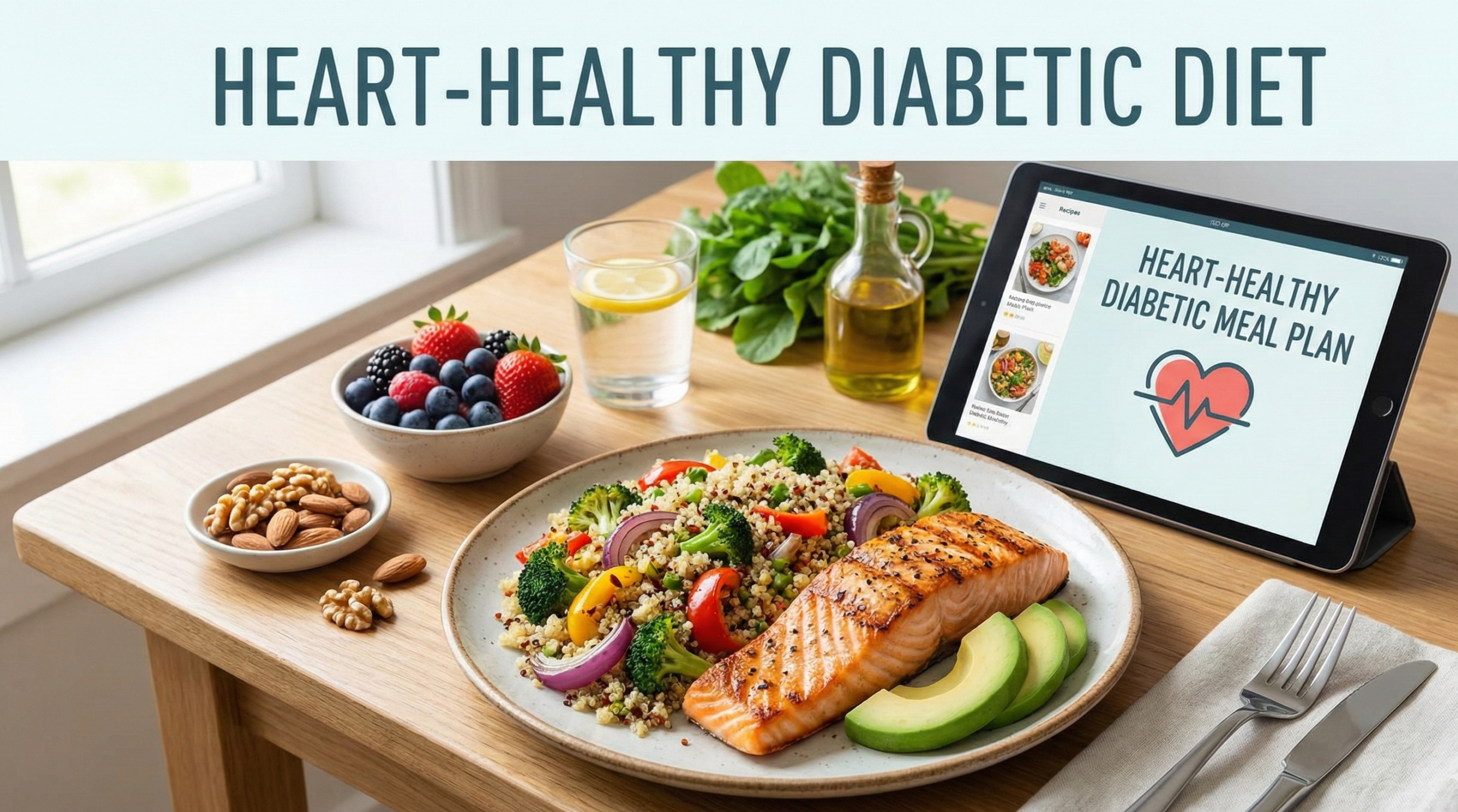
The Ultimate Heart-Healthy Diabetic Diet: A Complete Guide to Protecting Your Heart While Managing Blood Sugar
Living with diabetes implies a heightened responsibility—not just for your blood sugar, but for your cardiovascular system. The statistics are sobering: adults with diabetes are nearly twice as likely to die from heart disease or stroke as people without diabetes. But here is the empowering truth: the same fork you use to manage your glucose levels is your most powerful tool for protecting your heart. The foods that stabilize blood sugar—fiber-rich vegetables, lean proteins, and healthy fats—are precisely the same ones that lower cholesterol and blood pressure.
A heart-healthy diabetic diet isn’t about restriction; it’s about strategic nutrition at the intersection of glycemic control, cholesterol management, and blood pressure regulation. This comprehensive guide moves beyond generic advice to provide actionable strategies, detailed meal structures, and the nutritional science necessary to thrive. Whether you are newly diagnosed or have been managing diabetes for years, these principles will help you reduce cardiovascular risk while enjoying delicious, satisfying meals.
Whether you are looking to lower your LDL, stabilize your A1C, or simply feel more energetic, this guide covers everything from sodium reduction to anti-inflammatory eating patterns, integrated with practical resources like our specialized heart-healthy diabetic menu.
The Critical Link: Why Your Heart Needs Special Attention
High blood glucose over time damages blood vessels and the nerves that control your heart through a process called glycation—glucose molecules binding to proteins in arterial walls, making them stiff and prone to plaque accumulation. The longer you have diabetes, the higher the cumulative vascular damage. But it is rarely just sugar driving the risk.
Diabetes often travels with a cluster of conditions known as metabolic syndrome: high blood pressure, high triglycerides, low HDL cholesterol, excess abdominal fat, and elevated fasting glucose. Each component independently increases heart disease risk. Together, they are synergistic—accelerating atherosclerosis at a rate far beyond any single factor could achieve alone.
The “ABC” of Heart-Healthy Diabetes Management
- A for A1C: Keeping your 3-month average blood sugar in check protects blood vessels from ongoing glycation damage.
- B for Blood Pressure: High BP forces your heart to work harder and damages artery walls. If you struggle with this, consider exploring a specific diabetic menu for high blood pressure.
- C for Cholesterol: Managing LDL (“bad”) cholesterol is non-negotiable. HDL (“good”) cholesterol should be optimized through healthy fats and exercise.
The good news is that lifestyle changes—especially diet—can dramatically lower these risks within weeks to months. Every meal is an opportunity to strengthen your cardiovascular system. By focusing on whole foods and reducing inflammatory ingredients, you can improve endothelial function, reduce arterial inflammation, and meaningfully slow the progression of atherosclerosis.
Cardiovascular Risk Factors Unique to Diabetics
Understanding the specific pathways through which diabetes increases cardiac risk helps explain why general “heart-healthy” advice is insufficient—and why a diabetes-specific approach is essential.
Hyperglycemia-Induced Damage
Sustained high blood sugar creates advanced glycation end products (AGEs) that stiffen arteries and trigger inflammatory responses in vessel walls.
Insulin Resistance
Causes the pancreas to overproduce insulin. Chronically high insulin independently stimulates plaque formation and arterial wall thickening.
Chronic Inflammation
Diabetes maintains elevated inflammatory markers (CRP, IL-6) that damage the endothelium—the protective inner lining of blood vessels.
Diabetic Cardiomyopathy
A diabetes-specific condition where the heart muscle itself becomes stiff and enlarged, even without coronary artery disease or hypertension.
Oxidative Stress
Excess glucose generates free radicals that damage LDL cholesterol, making it more prone to forming arterial plaques.
Dyslipidemia Pattern
Diabetics typically show a specific lipid pattern: high triglycerides, low HDL, and small dense LDL particles—the most dangerous form for artery damage.
This profile explains why the standard lipid panel (total cholesterol, LDL, HDL, triglycerides) may understate cardiovascular risk in diabetics. The quality and particle size of LDL matters as much as the total number—and diet directly influences both.
The 4 Pillars of a Heart-Healthy Diabetic Diet
To construct a diet that serves both conditions simultaneously, we focus on four nutritional pillars. These align closely with the DASH diet (Dietary Approaches to Stop Hypertension) and the Mediterranean diet—both extensively researched for cardiovascular benefit in diabetic populations.
1. Strategic Fiber Intake
Fiber is the miracle worker for diabetics with heart concerns. Soluble fiber (oats, barley, apples, legumes, psyllium) binds to cholesterol in the digestive system and removes it before it can enter circulation. Simultaneously, it slows glucose absorption, preventing spikes and improving insulin sensitivity. Insoluble fiber (wheat bran, vegetable skins, nuts) supports gut microbiome diversity, which increasingly appears to influence cardiovascular risk through systemic inflammation pathways. Aim for 30–40g daily from whole food sources. Our high-fiber diabetic meal plan provides a complete framework.
2. Unmasking the Fats
For years, fat was the enemy. The science is now clear: it is about the type of fat, not the total amount. Replacing saturated fats with unsaturated fats measurably reduces cardiovascular event risk in diabetic populations.
- Monounsaturated Fats (The Heroes): Olive oil, avocados, and almonds reduce LDL while maintaining or raising HDL. They also provide vitamin E, a powerful antioxidant that protects LDL particles from oxidative damage—the critical step that turns LDL into arterial plaque.
- Polyunsaturated Fats (The Protectors): Omega-3 fatty acids in salmon, mackerel, sardines, flaxseed, and walnuts reduce triglycerides, lower blood pressure, and reduce platelet aggregation (clotting). Aim for fatty fish at least twice weekly.
- Saturated & Trans Fats (The Villains): Found in processed meats, fried foods, butter, and certain baked goods—these raise LDL, worsen insulin resistance, and increase inflammatory markers. If your cholesterol is already elevated, strictly follow a diabetic menu for high cholesterol.
3. Sodium: The Silent Pressure Pump
Salt retains water. Excess fluid volume in circulation raises blood pressure—forcing the heart to work harder with every beat. For a diabetic whose vessels are already compromised by glycation damage, chronically elevated blood pressure is acutely dangerous. The target is under 2,300mg sodium per day for most people, or 1,500mg if you have established hypertension or kidney disease. Adopt a low-sodium diabetic meal plan that replaces salt with herbs, spices, citrus zest, and vinegar for layered, complex flavor.
4. Carbohydrate Quality Over Quantity
You do not need to eliminate carbohydrates, but you must choose complex, fiber-rich, unrefined sources. Whole grains—quinoa, barley, oats, bulgur—protect the heart by providing soluble fiber, magnesium, and antioxidant polyphenols. Refined flours and added sugars spike both glucose and triglycerides simultaneously. Our low-carb weekly diabetic menu emphasizes quality carbohydrates in appropriate portions.

Recommended: Portion Control Plate
Visualizing your portions is the easiest way to balance carbs, proteins, and vegetables without calorie counting every meal.
Check Price on AmazonFighting Inflammation: The Hidden Cardiac Threat
Cardiovascular disease in diabetics is fundamentally an inflammatory disease. Atherosclerosis—the formation of arterial plaques—begins not with cholesterol alone, but with inflammation of the arterial endothelium. Oxidized LDL particles trigger an immune response that draws white blood cells (macrophages) into the arterial wall, where they become foam cells and form the core of a plaque. Chronic low-grade inflammation—which diabetes perpetuates through advanced glycation end products and elevated blood sugar—keeps this process continuously active.
Anti-Inflammatory Foods That Directly Benefit Diabetic Hearts
| Food | Anti-Inflammatory Compound | Cardiac Benefit | How to Use |
|---|---|---|---|
| Wild-caught salmon | EPA & DHA Omega-3s | Reduces triglycerides, lowers CRP | 2–3 servings per week |
| Extra virgin olive oil | Oleocanthal, polyphenols | Inhibits same enzymes as ibuprofen; reduces LDL oxidation | 2–4 tbsp daily as primary cooking fat |
| Walnuts | ALA Omega-3, ellagitannins | Lowers LDL, reduces endothelial dysfunction | 1 oz daily as snack |
| Turmeric + black pepper | Curcumin (+ piperine for absorption) | Reduces CRP, IL-6; improves endothelial function | ½ tsp daily in cooking or smoothies |
| Wild blueberries | Anthocyanins | Reduces arterial stiffness, lowers BP | ½ cup daily |
| Green tea | EGCG catechins | Improves cholesterol profile, reduces LDL oxidation | 2–3 cups daily |
| Dark chocolate (85%+) | Flavanols | Improves endothelial function, lowers BP | 1 oz (2 squares) daily |
| Garlic | Allicin, alliin | Lowers LDL and blood pressure; anti-platelet effects | 1–2 raw or cooked cloves daily |
The Mediterranean Diet Connection
The Mediterranean diet—olive oil, fish, legumes, whole grains, nuts, and abundant vegetables—is the most evidence-backed eating pattern for cardiovascular risk reduction in diabetics. The landmark PREDIMED trial showed that a Mediterranean diet supplemented with olive oil or nuts reduced major cardiovascular events by approximately 30% compared to a low-fat diet. This is not a coincidence: the Mediterranean diet is essentially an anti-inflammatory diet built around the same foods that also manage blood sugar effectively.
Cholesterol Management Through Food
Dietary cholesterol (found in food) has a smaller impact on blood cholesterol than most people believe—saturated and trans fats are the primary dietary drivers of elevated LDL. However, for diabetics with the characteristic small dense LDL particle profile, even modest dietary interventions can produce clinically significant improvements.
Foods That Lower LDL Cholesterol
- Oats and barley: Beta-glucan soluble fiber binds bile acids in the intestine, forcing the liver to use blood cholesterol to make more bile. Clinical studies show 5–10% LDL reduction with consistent daily intake of 3g of beta-glucan (found in about 1.5 cups of cooked oatmeal).
- Plant sterols and stanols: Naturally found in small amounts in nuts, seeds, and vegetable oils; available in fortified foods. Competitively inhibit cholesterol absorption in the gut. Daily intake of 2g can reduce LDL by 10–15%.
- Legumes: Lentils, chickpeas, black beans, and kidney beans lower LDL through both soluble fiber and plant protein. Three to four servings per week is associated with measurable cholesterol improvement.
- Soy protein: Replacing animal protein with soy in several meals per week (tofu, edamame, soy milk) modestly but consistently reduces LDL cholesterol.
- Almonds and walnuts: The combination of monounsaturated fats, plant sterols, and fiber in a 1-oz daily serving reduces LDL by 5–10% in clinical trials.
Triglycerides: The Diabetic-Specific Lipid Problem
While LDL gets most attention, diabetics often have a more pronounced triglyceride problem. High triglycerides (above 150 mg/dL) are directly linked to excessive refined carbohydrate and sugar intake—not dietary fat. The most effective nutritional strategies for lowering triglycerides are: eliminating added sugars and refined grains, reducing alcohol consumption, increasing Omega-3 intake (fatty fish 2x weekly or fish oil supplementation under medical guidance), and achieving even modest weight loss (5–7% of body weight).
Blood Pressure and the DASH-Diabetes Overlap
Approximately 70% of adults with Type 2 diabetes have hypertension—making it one of the most common and dangerous comorbidities. The DASH (Dietary Approaches to Stop Hypertension) diet is the most clinically validated nutritional approach for blood pressure reduction, and its principles overlap substantially with optimal diabetic eating.
Key DASH Principles Applied to Diabetes
| DASH Principle | Application for Diabetics | Expected BP Reduction |
|---|---|---|
| Reduce sodium to <2,300mg/day | Eliminate processed foods; cook from scratch with herbs and spices | 2–8 mmHg systolic |
| Increase potassium (4,700mg/day) | Spinach, avocado (watch portions for kidney patients), sweet potato, tomatoes | 2–5 mmHg systolic |
| Increase magnesium | Dark leafy greens, nuts, seeds, legumes—all low-GI; ideal for diabetics | 1–3 mmHg systolic |
| Increase calcium | Plain yogurt, fortified plant milks, broccoli, kale | 1–2 mmHg systolic |
| Reduce saturated fat | Swap red meat for fish; use olive oil instead of butter | 3–5 mmHg systolic |
For a comprehensive approach specifically targeting blood pressure alongside diabetes management, see our dedicated diabetic menu for high blood pressure.
The Sodium Hidden in “Healthy” Foods
Many people dramatically underestimate their sodium intake because they focus on the salt shaker while ignoring processed food labels. The majority of dietary sodium—approximately 70%—comes not from home cooking but from processed, packaged, and restaurant foods. Surprising high-sodium culprits include: canned soups (700–1,200mg per serving), bread (100–200mg per slice), cottage cheese (350–450mg per cup), salad dressings (200–400mg per 2 tbsp), and canned beans (400–600mg per cup, before rinsing).
Simple Sodium Reduction Tactics
- Rinse all canned beans and vegetables—removes up to 40% of sodium
- Choose “no salt added” or “low sodium” versions of canned goods
- Make your own salad dressings: olive oil + lemon + herbs = near-zero sodium
- Use citrus zest, vinegar, and fresh herbs in place of salt for flavor complexity
- Buy plain frozen vegetables instead of seasoned varieties
- Replace soy sauce with coconut aminos (70% less sodium per serving)
The “Yes” and “No” List: A Quick Reference
Building your grocery list shouldn’t be a puzzle. Here is a comprehensive breakdown of what should fill your cart and what should stay on the shelf.
| Food Category | ✅ Heart-Healthy Choices | ❌ Foods to Limit/Avoid |
|---|---|---|
| Proteins | Fatty fish (salmon, sardines, mackerel), skinless chicken or turkey, tofu, tempeh, legumes, egg whites. See our high-protein menu. | Processed meats (bacon, sausage, hot dogs, deli slices), fried chicken, organ meats, heavily marbled red meat. |
| Grains | Steel-cut oats, quinoa, barley, bulgur, farro, sprouted grain bread, air-popped popcorn, whole rye. | White bread, white rice, sugary cereals, pastries, crackers with trans fats, instant noodles, refined pasta. |
| Dairy | Plain unsweetened Greek yogurt, skyr, skim or 1% milk, fortified soy milk, cottage cheese (low sodium), small amounts of hard cheese. | Full-fat flavored yogurt, heavy cream, sweetened plant milks, ice cream, cream-based sauces. |
| Fats & Oils | Extra virgin olive oil, avocado oil, canola oil, walnuts, almonds, chia seeds, flaxseeds, natural nut butters. | Butter (limit), lard, palm oil, hydrogenated vegetable shortening, margarine with trans fats, coconut oil (use sparingly). |
| Vegetables | Leafy greens (spinach, kale, Swiss chard), cruciferous veg (broccoli, cauliflower, Brussels sprouts), peppers, tomatoes, garlic, onions. | Canned vegetables with added sodium (unless rinsed), vegetables deep-fried in batter, creamed vegetable side dishes. |
| Fruits | Berries (all varieties), cherries, apples, pears, oranges, grapefruit (check medication interactions), pomegranate. | Fruit juices, dried fruits (concentrated sugar), canned fruits in syrup, overripe tropical fruits in large portions. |
| Beverages | Water (still/sparkling), unsweetened green or black tea, black coffee in moderation, herbal infusions. | Soda, sweetened teas, energy drinks, sports drinks, fruit punch, cocktails with sugary mixers. |
| Condiments | Mustard (no-salt-added), vinegars, fresh herbs, spices, lemon/lime juice, homemade salsa. | Commercial ketchup (high sugar), BBQ sauce (high sugar/sodium), sweet pickles, mayo-based sauces in excess. |
A Deep Dive into Dietary Fats
The science of dietary fat in diabetes and heart disease has evolved dramatically. Moving beyond the simple “fat is bad” narrative requires understanding how different fatty acid structures interact with your lipid metabolism, insulin signaling, and inflammatory pathways.
Saturated Fats: Not All Are Equal
Recent research has nuanced the saturated fat story. Saturated fats from different food sources behave differently. The saturated fat in processed meat (palmitic acid) appears more harmful than the saturated fat in full-fat dairy (myristic acid from grass-fed sources), which may have a more neutral effect on cardiovascular risk. The key practical message: dramatically reduce or eliminate processed meat and fast food while being more moderate about minimally processed dairy. The primary replacement for saturated fat should be monounsaturated fat (olive oil, avocado), not refined carbohydrates—which increases triglycerides and worsens the diabetic lipid profile.
The Omega-3 to Omega-6 Ratio
Modern Western diets contain an Omega-6 to Omega-3 ratio of approximately 15:1 to 20:1—compared to the roughly 4:1 ratio in which human physiology evolved. Omega-6 fatty acids (abundant in corn, soybean, sunflower, and safflower oils) are not inherently harmful, but in excess relative to Omega-3s, they promote pro-inflammatory signaling pathways. Improving this ratio by increasing Omega-3 intake (fatty fish, walnuts, flaxseed, chia) while reducing refined vegetable oil consumption measurably reduces inflammatory markers relevant to both diabetes and heart disease.
Trans Fats: Zero Tolerance
Artificial trans fats (partially hydrogenated oils) are the most harmful dietary fat ever identified. They simultaneously raise LDL and lower HDL—the worst possible lipid effect—while directly promoting endothelial dysfunction and insulin resistance. While largely banned in many countries, trans fats still appear in some imported packaged foods, certain margarines, and restaurant deep-fryers. The rule is simple: if a label lists “partially hydrogenated oil” anywhere in the ingredient list, do not consume that product.
Heart-Protective Superfoods for Diabetics
Certain foods deliver concentrated cardiovascular benefit that goes beyond basic nutrition. These are not exotic or expensive—most are widely available and can be incorporated into everyday cooking with minimal effort.
Fatty Fish
Salmon, sardines, mackerel. EPA & DHA reduce triglycerides by 20–30% and lower cardiac arrhythmia risk.
Oats (Steel-Cut)
Beta-glucan fiber reduces LDL by 5–10%. Only steel-cut or rolled; never instant.
Legumes
Lentils, chickpeas, black beans. Soluble fiber + plant protein combo lowers both LDL and blood sugar simultaneously.
Dark Chocolate (85%+)
Flavanols improve endothelial function and modestly lower blood pressure in clinical trials.
Berries
Anthocyanins reduce arterial stiffness, lower systolic blood pressure, and reduce LDL oxidation.
Pomegranate
Punicalagins reduce arterial plaque progression and lower blood pressure in multiple clinical trials.
Flaxseed: The Underrated Cardiac Superfood
Ground flaxseed provides a trifecta of heart-protective nutrients: ALA Omega-3 fatty acids, soluble fiber (lignans), and plant lignans that have mild estrogen-modulating effects beneficial for cardiovascular health. Two tablespoons of ground flaxseed daily has been shown to reduce systolic blood pressure by approximately 10 mmHg in people with hypertension—a result comparable to some single blood pressure medications. Add to yogurt, oatmeal, smoothies, or baked goods. Always use ground flaxseed (not whole seeds) for maximum nutrient absorption.
Strategic Meal Planning for Cardiac Wellness
Knowing what to eat is one thing; translating it into a consistent daily routine is another. Consistency stabilizes blood sugar and maintains steady cholesterol-lowering fiber intake—both of which require regular adherence rather than occasional effort.
The Plate Method
The simplest tool for heart-healthy eating requires no scale. At every meal, visualize your plate divided as follows:
- ½ Plate: Non-starchy vegetables (spinach, broccoli, green beans, bell peppers, cauliflower, kale)
- ¼ Plate: Lean protein (fish, tofu, chicken, legumes, egg whites)
- ¼ Plate: Complex carbohydrates (sweet potato, brown rice, quinoa, berries, whole grain bread)
Add a small serving of healthy fat—a drizzle of extra virgin olive oil, a few avocado slices, a tablespoon of crushed walnuts—and a glass of water or unsweetened green tea.
Structuring Your Week
- For Beginners: Try our 1-day simple diabetic menu to experience portion sizes and flavor combinations before committing to a longer plan.
- For The Week: A weekly diabetic meal plan allows batch cooking on Sunday—a large batch of barley or quinoa, grilled fish portions, and pre-washed salad greens cover multiple meals.
- Long-term Success: The 30-day diabetic menu provides rotating meals specifically designed to meet cardiovascular and glycemic goals simultaneously.
- For Calorie Management: 1500 calories or 1800 calories depending on body size and activity level.

Recommended: Digital Food Scale
Precision matters when managing sodium and carbohydrate intake. A digital scale ensures accurate portioning of high-sodium items like cheese and bread.
Check Price on AmazonA Full Day of Heart-Healthy Eating
What does this look like in practice? Here is a sample day designed to keep sodium under 1,800mg, use exclusively healthy fats, and maintain stable blood sugar. It provides approximately 35g fiber, 90g protein, and is rich in Omega-3 fatty acids.
🌅 Breakfast: Oatmeal with Walnuts, Berries & Flaxseed
½ cup steel-cut oats cooked in water, topped with 1 tbsp chopped walnuts, ½ cup fresh blueberries, 1 tbsp ground flaxseed, and a sprinkle of cinnamon. Oats provide beta-glucan to lower cholesterol; walnuts add Omega-3s; berries provide anthocyanins for endothelial protection. Coffee (black or with stevia) on the side.
More variety: breakfast ideas for diabetes or our comprehensive breakfast menu.
☀️ Lunch: Grilled Salmon Salad with Olive Oil Vinaigrette
4oz grilled wild salmon over 3 cups mixed greens with cucumber, cherry tomatoes, red onion, and artichoke hearts. Dressing: 2 tbsp extra virgin olive oil, 1 tbsp lemon juice, 1 tsp Dijon mustard (low sodium), fresh herbs. Fatty fish delivers EPA/DHA directly. Olive oil dressing provides oleocanthal anti-inflammatory benefit.
Packable options: see our diabetic lunch menu.
🌙 Dinner: Turkey & Kidney Bean Chili
4oz lean ground turkey, ½ cup low-sodium canned kidney beans (rinsed), diced tomatoes, onions, bell peppers, garlic, cumin, chili powder, and smoked paprika. Beans provide soluble fiber for cholesterol lowering and slow-release glucose. Spices replace salt entirely. Serve with a side of steamed broccoli.
More evening ideas: diabetic dinner menu ideas.
🍎 Snack: Apple Slices + Almond Butter
1 small apple, sliced, with 1 tbsp natural almond butter (no added salt or sugar). Apple pectin is a soluble fiber that lowers LDL. Almond butter provides monounsaturated fat and vitamin E for LDL oxidation protection. The combination creates a slow-release energy source that prevents late-afternoon blood sugar dips.
More options: diabetic snack ideas.
Heart-Healthy Cooking Methods
The way you prepare food can be as impactful as what you choose to eat. The same piece of chicken or fish can be a cardiovascular asset or liability depending on how it is cooked. High-temperature frying in refined oils creates toxic oxidation products and destroys heart-protective nutrients.
| Cooking Method | Heart Health Impact | Blood Sugar Impact | Best For |
|---|---|---|---|
| Steaming | ✅ Excellent – preserves nutrients, no added fat | ✅ No change | Vegetables, fish, eggs |
| Baking/Roasting | ✅ Good – minimal fat needed | ✅ Neutral | Fish, chicken, vegetables |
| Poaching | ✅ Excellent – no fat addition | ✅ No change | Eggs, fish, chicken |
| Sautéing (olive oil, low-medium heat) | ✅ Good – heart-healthy fat retained | ✅ Neutral | Vegetables, tofu, lean meat |
| Grilling | ⚠️ Moderate – avoid charring | ✅ Neutral | Fish, lean meat, vegetables |
| Pressure cooking | ✅ Excellent – preserves nutrients fast | ⚠️ Can increase GI of some starches | Legumes, grains, soups |
| Deep frying | ❌ Avoid – creates oxidized fats, high sodium | ❌ Adds carbohydrates from batter | — |
| Slow cooking (Crockpot) | ✅ Good – gentle heat preserves omega-3s | ✅ Neutral | Stews, soups, legumes |
Flavor Without Salt: The Herb & Spice Toolkit
One of the most common fears when reducing sodium is losing flavor. The reality is that herbs and spices deliver more complex, multi-dimensional flavor than salt ever could. Building a spice toolkit transforms low-sodium cooking from deprivation into culinary exploration:
- Garlic and onion powder: Savory depth in any dish—also provide allicin (cardiovascular benefit)
- Smoked paprika: Adds a rich, smoky complexity that makes reduced-sodium dishes taste complete
- Cumin and coriander: Warm, earthy notes for legume dishes, roasted vegetables, and lean meats
- Lemon and lime zest: Brightens any dish; the citrus acids stimulate salivary response that makes food taste more seasoned
- Fresh herbs (basil, cilantro, parsley, dill): Elevate salads, fish, and grain bowls dramatically
- Vinegars (balsamic, red wine, apple cider): Add tartness and complexity; apple cider vinegar may also slightly improve insulin sensitivity
Reading Labels for Hidden Heart Risks
Processed food marketing exploits health-conscious consumers with misleading labels. Terms like “heart-healthy,” “reduced fat,” “light,” and “natural” have limited regulatory definition and often obscure significant nutritional problems. Developing label-reading fluency protects both your heart and your blood sugar from products that appear to be allies but are actually threats.
Five Label Red Flags for Diabetic Heart Patients
- Sodium over 300mg per serving: Meals or main dishes should stay under 600mg. Snacks under 150mg. Be aware of serving sizes—a “low sodium” claim on a product with unrealistically small serving sizes is a common deception.
- Partially hydrogenated oil anywhere in the ingredient list: The presence of this ingredient—regardless of how low on the list—confirms trans fat content. Avoid completely.
- Added sugar in the first five ingredients: Any of the 50+ names for sugar (see Section 7 of our diabetic snack guide) in the first five ingredients indicates a product with meaningful blood sugar impact.
- Saturated fat over 3–4g per serving: The daily limit for heart patients with diabetes is typically 15–16g of saturated fat. Snacks and secondary foods should use far less than this.
- “Reduced fat” on former high-fat products: Manufacturers almost invariably add sugar when reducing fat to maintain palatability. Compare full-fat versus reduced-fat versions side by side—the reduced-fat version often has equal or higher total calories and far more sugar.
Alcohol, Heart Health, and Diabetes
The relationship between alcohol and cardiovascular health in diabetics is genuinely complex. Moderate alcohol consumption (particularly red wine) has been associated in epidemiological studies with lower cardiovascular mortality in the general population. However, the picture for diabetics is considerably more nuanced.
How Alcohol Affects Diabetic Hearts
- Raises triglycerides: Alcohol is metabolized by the liver to acetate, which stimulates triglyceride synthesis. Even moderate drinking can worsen the already elevated triglyceride levels common in Type 2 diabetes.
- Raises blood pressure: Regular alcohol consumption is a significant and dose-dependent cause of hypertension—already a primary risk factor for diabetics.
- Disrupts blood sugar: Alcohol inhibits hepatic glucose production, which can cause dangerous hypoglycemia—especially when drinking without eating or while on insulin or sulfonylureas. It also masks hypoglycemia symptoms.
- Empty calories: Alcohol provides 7 calories per gram with zero nutritional value, complicating weight management.
⚠️ If You Choose to Drink
Limit to one drink per day for women, two for men. Never drink on an empty stomach. Dry red wine (5 oz) or spirits with soda water (no sugary mixers) have the least impact on blood sugar. Beer and sweet cocktails are high in rapidly absorbed carbohydrates. Never use alcohol as a “treat” reward after a healthy eating day—the cardiovascular and glycemic costs are not offset by the psychological benefit.
Dining Out Strategies for Heart-Healthy Diabetics
Restaurant eating presents the combined challenge of hidden sodium (restaurants typically use 2–5x more sodium than home cooking), oversized portions, unhealthy cooking fats, and limited whole-grain options. But with a systematic approach, you can dine out without compromising your cardiovascular or glycemic goals.
Universal Restaurant Rules
- Choose grilled, baked, steamed, or poached preparations. Avoid anything described as “crispy,” “fried,” “breaded,” “smothered,” or “loaded.”
- Request all sauces, dressings, and gravies on the side—and use only a fraction of what arrives.
- Ask for double vegetables instead of the starch side (fries, mashed potato, white rice). Most restaurants accommodate without charge.
- For beverages: water, sparkling water, unsweetened iced tea, or black coffee only. Request no bread basket—what isn’t at the table can’t be eaten impulsively.
- When in doubt about preparation, ask your server directly: “Is this cooked in butter or oil? What oil do you use?”
Best Choices by Cuisine Type
Italian: Grilled fish or chicken over pasta; tomato-based sauces over cream; ask for dressing on the side of any salad; avoid the bread.
Japanese: Excellent options—sashimi, edamame, miso soup (watch sodium), steamed vegetables. Avoid tempura and sweet teriyaki sauces.
Indian: Choose tandoori preparations (dry-grilled, minimal oil), dal (lentil dishes), and raita (yogurt). Limit naan bread and coconut-based curries.
Mediterranean/Greek: The home turf of the heart-healthy diet. Grilled fish, hummus, fattoush salad, and legume-based dishes are all excellent. Limit pita and feta portions for sodium management.
Exercise as Cardiac Medicine
Movement is Medicine
After a meal, even a 15-minute walk significantly lowers post-meal blood sugar spikes by increasing glucose uptake in muscles. This reduces oxidative stress on arterial walls that would otherwise result from the glucose surge. Aim for at least 150 minutes of moderate aerobic activity (brisk walking, cycling, swimming) per week, plus two sessions of resistance training. Combine with your 7-day diabetic menu for maximum cardiovascular effect.
How Exercise Specifically Protects the Diabetic Heart
- Raises HDL cholesterol: Aerobic exercise is one of the most effective non-pharmacological interventions for raising “good” cholesterol.
- Lowers triglycerides: Even a single bout of moderate exercise measurably reduces post-meal triglyceride elevation.
- Lowers resting blood pressure: Regular aerobic training reduces systolic BP by 5–7 mmHg on average—equivalent to a single antihypertensive medication at low dose.
- Improves endothelial function: Exercise stimulates nitric oxide production in blood vessels, improving their flexibility and reducing arterial stiffness.
- Reduces abdominal fat: Visceral fat (abdominal fat) is the metabolically active fat that drives insulin resistance and cardiovascular risk. Exercise reduces visceral fat preferentially, even before total body weight changes meaningfully.
Hydration: Adequate hydration supports blood pressure regulation and prevents blood viscosity from increasing. Aim for 8–10 cups of water daily. If you crave variety, try a recipe from our diabetic smoothie menu, using berries and protein powder for a hydrating post-exercise refuel.
Stress Management: Chronic stress elevates cortisol, which raises both blood sugar and blood pressure simultaneously. Even 5–10 minutes of daily deep breathing, meditation, or gentle yoga measurably reduces cortisol levels and improves heart rate variability—a key marker of cardiac autonomic health.
Sleep: Poor sleep (under 6 hours) reduces insulin sensitivity by 20–25% the following day and increases inflammatory markers that damage arterial walls. Prioritize 7–9 hours consistently. The combination of adequate sleep, regular exercise, and a heart-healthy diabetic diet creates a self-reinforcing positive cycle—each element supporting the others.
Tailoring the Diet for Specific Needs
No two diabetics are the same. Your heart-healthy diet may need meaningful tweaks based on age, calorie needs, additional health conditions, or practical constraints like budget and time.
Weight Management
Excess abdominal weight amplifies every cardiovascular risk factor in the diabetic profile. Even a 5–10% reduction in body weight produces clinically significant improvements in blood pressure, LDL, triglycerides, and fasting blood sugar. Calorie-controlled plans must remain nutritionally dense to avoid deficiency:
- Strict Control: 1200 calorie diabetic menu (best under medical supervision)
- Moderate Control: 1500 calorie diabetic menu (sustainable for many women)
- Active Lifestyle: 1800 calories or 2000 calories for active adults
Seniors and Elderly Care
As we age, the heart muscle stiffens and digestion efficiency changes. Seniors need nutrient density—more vitamins and minerals per calorie—and may require softer textures. Specific guides include: diabetic menu for seniors, soft food options like the diabetic menu for elderly with no teeth, and the 1200 calorie version for seniors with limited mobility.
Working Adults & Budget Eating
Heart-healthy eating doesn’t require expensive specialty foods. Beans, lentils, oats, sardines, eggs, and frozen vegetables are among the most cardiovascular-protective foods available—and the most affordable. The low-income diabetic menu demonstrates this compellingly. The diabetic menu for working adults focuses on batch-cooking efficiency to make consistent healthy eating practical for busy schedules.
Comorbidities Requiring Further Tailoring
- Hypertension: Strict sodium control below 1,500mg. See diabetic menu for high blood pressure.
- High Cholesterol: Focus on soluble fiber, plant sterols, and replacing saturated fat. Use our cholesterol-lowering plan.
- Kidney Disease: Limit potassium and phosphorus; moderate protein. A renal diabetic meal plan supervised by a registered renal dietitian is essential.
Frequently Asked Questions
Yes, in moderation. While eggs are high in dietary cholesterol, for most people they have a minor effect on blood cholesterol compared to saturated fats. If you have established heart disease or very high LDL, limit whole egg yolks to 3–4 per week and rely primarily on egg whites. Always pair eggs with fiber-rich vegetables—a spinach and mushroom omelet—rather than processed meat.
It depends entirely on the fat sources chosen. A low-carb diet heavy in bacon, butter, and red meat raises LDL and cardiovascular risk. A low-carb diabetic menu built around plant-based fats (avocado, nuts, olive oil) and lean proteins is excellent for both heart and blood sugar. Prioritize fat quality over simply reducing carbohydrates.
Alcohol raises triglycerides and blood pressure, disrupts blood sugar regulation, and can trigger dangerous hypoglycemia when combined with insulin or sulfonylureas. If you drink, keep it to one drink daily for women, two for men—and never on an empty stomach. Dry red wine or spirits with soda water are far preferable to beer or sweetened cocktails.
Not necessarily, but dramatically reduce it—especially processed varieties. Treat red meat as an occasional food (once per week maximum), choose lean cuts (loin, round, sirloin), and trim visible fat. Processed red meat (bacon, sausage, deli meat) should be essentially eliminated due to its saturated fat, sodium, and nitrate content. Replace with fatty fish and plant proteins for most meals.
Extra virgin olive oil (EVOO) is the gold standard—its oleocanthal has anti-inflammatory properties comparable to ibuprofen at culinary doses, and it’s rich in monounsaturated fats that improve LDL without lowering HDL. Use avocado oil for high-heat cooking due to its high smoke point. Canola oil is a budget-friendly neutral option. Avoid refined vegetable oils (soybean, corn, sunflower) for daily cooking and eliminate coconut and palm oils due to high saturated fat content.
Absolutely, with strategy. Choose grilled or baked dishes. Request sauces on the side. Substitute double vegetables for the potato or rice side. Ask how food is prepared and what oil is used. Avoid anything described as fried, crispy, smothered, or loaded. For more comprehensive guidance, see our eating out diabetic menu.
Blood pressure improvements can occur within 2–4 weeks of consistent sodium reduction and DASH-style eating. LDL cholesterol typically begins declining within 4–6 weeks of replacing saturated fats with unsaturated fats and adding soluble fiber. Triglycerides can improve within 2 weeks of eliminating added sugars and refined carbohydrates. A full lipid panel at 8–12 weeks of consistent dietary change is the appropriate timepoint to assess progress with your physician.
Both are highly effective and share significant overlap. The Mediterranean diet has stronger evidence for cardiovascular event reduction in diabetic populations (PREDIMED trial). The DASH diet has stronger evidence specifically for blood pressure reduction. The optimal approach for most diabetics with cardiovascular risk is a hybrid: Mediterranean diet’s healthy fats (EVOO, fatty fish, nuts) and food variety, combined with DASH diet’s stricter sodium reduction focus. Both frameworks lead naturally to the same whole-food, plant-forward eating pattern.
Conclusion: Your Heart, Your Future
Adopting a heart-healthy diabetic diet is the single most effective investment you can make in your longevity. It is not about deprivation; it is about discovering the abundance of whole foods that simultaneously nourish your heart and control your blood sugar. The science is unambiguous: fiber-rich eating, anti-inflammatory fats, sodium reduction, and the elimination of processed food dramatically reduce the cardiovascular risk that travels with diabetes.
Start where you are. Swap one ingredient per week. Replace white rice with barley. Choose grilled salmon over fried chicken. Drink water instead of soda. Use olive oil instead of butter. Sprinkle ground flaxseed on your morning yogurt. Each swap compounds. Use the resources linked throughout this guide—from the 14-day diabetic meal plan for structure to the heart-healthy diabetic menu for inspiration.
Celebrate consistency over perfection. One imperfect meal never negates weeks of disciplined choices. Your cardiovascular system is built from thousands of cumulative decisions—and every good one counts.

The American Diabetes Association Cookbook
A verified cookbook ensures every recipe is optimized for both blood sugar and heart health, with full nutritional information per serving.
Check Price on AmazonTake Control Today
Get the best heart-healthy diabetic kitchen essentials and tools to support your new lifestyle.
Shop Heart-Healthy Essentials on Amazon →