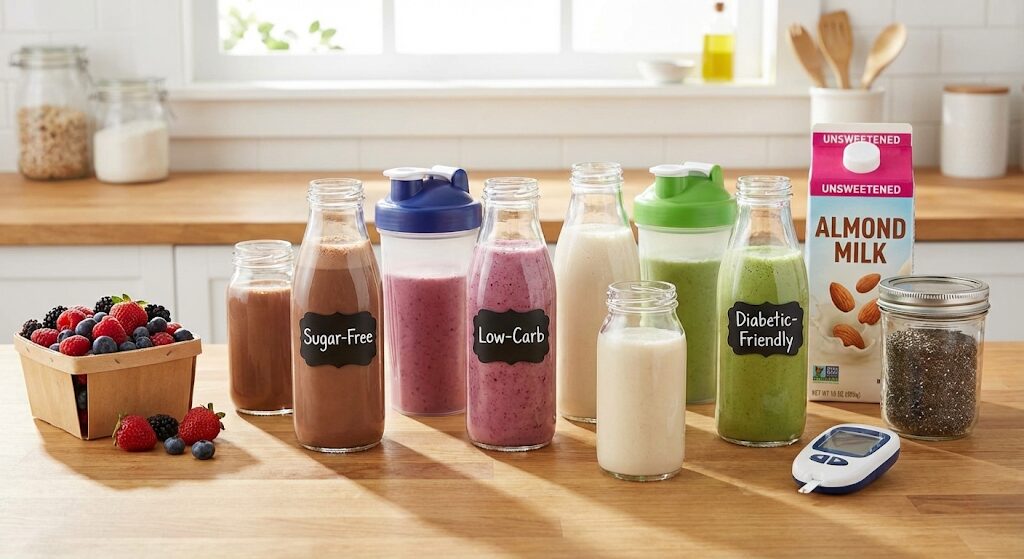
6 Best Protein Shakes for Diabetes: The Ultimate Guide
Managing blood sugar doesn’t mean sacrificing convenience or taste. We tested and analyzed the top protein shakes to help you find the perfect match for your diabetic lifestyle.
For individuals living with diabetes, finding convenient meal options that don’t cause blood sugar spikes can be a daily challenge. Whether you are rushing to work, recovering from a workout, or simply need a nutritious snack, protein shakes have become a staple in modern diabetic management. However, not all shakes are created equal.
The market is flooded with “healthy” drinks that are actually disguised sugar bombs, loaded with hidden carbohydrates that can send your glucose meter soaring. But when chosen correctly, a high-quality protein shake can be a powerful tool for stabilizing blood sugar, managing weight, and ensuring you get essential nutrients.
In this comprehensive guide, we dive deep into the 6 best protein shakes for diabetes. We’ve analyzed ingredients, macronutrient profiles, and real-world reviews to bring you a list that prioritizes your health without compromising on flavor.
Why Protein is Critical for Diabetes Management
Protein is more than just a muscle-builder; it is a metabolic regulator. For diabetics, protein plays a unique role in how the body processes food. Unlike carbohydrates, which convert directly to glucose, protein has a minimal impact on blood sugar levels.
More importantly, protein slows down the digestion of carbohydrates. When you consume protein alongside carbs, it acts as a buffer, preventing the rapid absorption of sugar into the bloodstream. This leads to a more gradual rise in blood glucose rather than a sharp spike.
Furthermore, protein induces satiety. It triggers the release of hormones that signal fullness, reducing the likelihood of overeating or craving high-sugar snacks later in the day. For those following a high-protein diabetic menu, incorporating these shakes can be an effortless way to hit daily macro goals.
Our Selection Criteria
To determine the “best,” we didn’t just look at the front label. We scrutinized the nutrition facts panel and ingredient lists based on strict diabetic-friendly standards:
- Carbohydrate Content: We looked for shakes with low net carbs (Total Carbs minus Fiber). Ideally, a diabetic shake should have under 15g of total carbs per serving.
- Sugar Profile: We prioritized shakes with less than 5g of sugar, utilizing safe sweeteners like Stevia, Monk Fruit, Erythritol, or Sucralose rather than High Fructose Corn Syrup.
- Protein Quality: Each selection contains at least 15g of protein to ensure adequate satiety and muscle maintenance.
- Fiber: Fiber helps blunt the blood sugar response. Shakes with added fiber scored higher.
- Taste & Texture: A shake is only good if you actually drink it. We considered user reviews regarding chalkiness and aftertaste.
The 6 Best Protein Shakes for Diabetes
Below is our curated list of the top performers in the market this year.
1. Glucerna Hunger Smart Shake
Glucerna is widely recognized as the gold standard for diabetic-specific nutrition. The “Hunger Smart” line is specifically formulated with a higher protein content than their standard shakes, making it ideal for meal replacement.
What sets Glucerna apart is its patented Carbsteady® blend. These are slow-release carbohydrates designed to minimize blood sugar spikes, a feature backed by numerous clinical studies. It isn’t just a protein shake; it’s a tool for glucose management.
Nutritional Snapshot (Chocolate):
- Calories: 180
- Protein: 15g
- Carbs: 16g (includes slow-release carbs)
- Sugar: 6g
- Fiber: 4g
Pros
|
Cons
|
Verdict: If your primary concern is strict blood sugar predictability and you want a product specifically engineered for diabetes, Glucerna Hunger Smart is the safest and most reliable choice.

Glucerna Hunger Smart Shake (Rich Chocolate)
Clinically proven to help minimize blood sugar spikes.
2. Boost Glucose Control
Often compared directly to Glucerna, Boost Glucose Control is Nestlé Health Science’s answer to diabetic nutrition. For many users, the deciding factor between the two comes down to taste, with Boost frequently citing a creamier, richer texture.
Like its competitor, it is clinically shown to produce a lower blood sugar response compared to a standard nutritional drink. It provides a balanced ratio of protein, carbs, and fat to manage glucose levels effectively. If you are torn between the two, you can read our detailed comparison of Glucerna vs Boost Glucose Control.
Nutritional Snapshot (Rich Chocolate):
- Calories: 190
- Protein: 16g
- Carbs: 16g
- Sugar: 4g
- Fiber: 3g
Pros
|
Cons
|

Boost Glucose Control (Rich Chocolate)
Designed to help manage blood sugar levels as part of a balanced diet.
3. Premier Protein Shake
Premier Protein has taken the fitness and diabetic world by storm, not because it is marketed strictly to diabetics, but because its macronutrient profile is nearly perfect for blood sugar control.
With a massive 30 grams of protein and only 1 gram of sugar, this shake is an insulin-friendly powerhouse. It is excellent for suppressing appetite for hours. Because it is so low in carbs, it rarely causes any significant glucose movement, making it a favorite for those following a stricter low-carb approach.
Nutritional Snapshot:
- Calories: 160
- Protein: 30g
- Carbs: 4g
- Sugar: 1g
- Fiber: 1g
Pros
|
Cons
|

Premier Protein 30g Protein Shake
High protein, 1g sugar, supports immune health.
4. Orgain Organic Nutrition (Vegan)
For those who prefer to avoid dairy or artificial ingredients, Orgain is the clear winner. Many diabetics find that dairy (whey/casein) can be inflammatory or hard to digest. Orgain uses organic pea protein, chia seeds, and brown rice protein.
It is important to choose the “Clean Protein” or “Vegan Nutritional Shake” varieties that are low in sugar. Orgain is renowned for not using artificial sweeteners like aspartame or sucralose, opting instead for organic stevia, monk fruit, and erythritol.
Nutritional Snapshot (Plant-Based):
- Calories: 150
- Protein: 20g
- Carbs: 9g
- Sugar: 1g
- Fiber: 2g
Pros
|
Cons
|
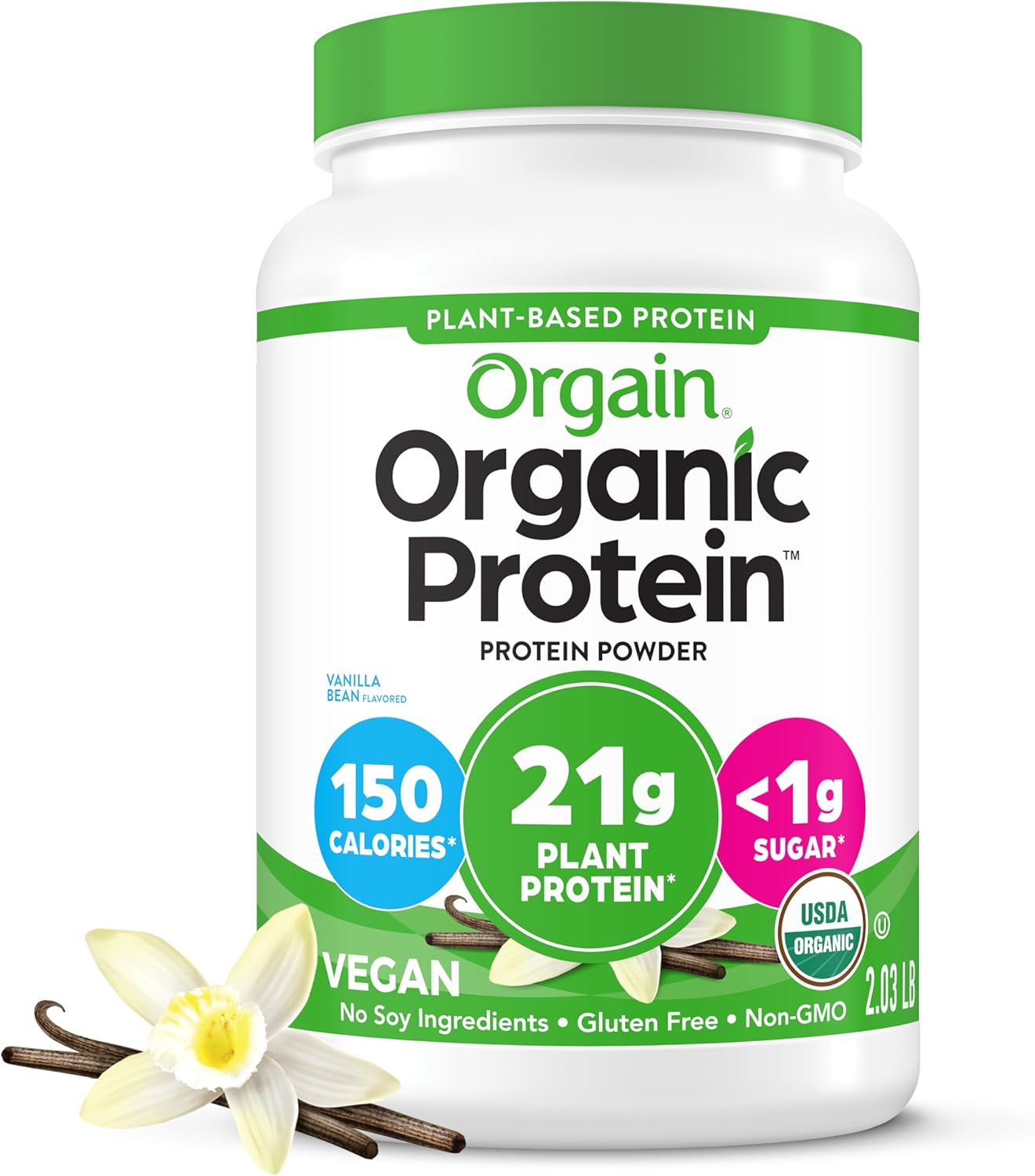
Orgain Organic Plant Protein Shake
Cleaner ingredients, smoother taste, 0g added sugar.
5. Atkins Gluten Free Protein-Rich Shake
The Atkins diet was practically invented for blood sugar control, so it’s no surprise their shakes are diabetic-friendly. The Atkins Gluten Free Protein-Rich Shake is designed to keep the body in a fat-burning state (ketosis) by keeping net carbs to an absolute minimum.
With only 2g of net carbs, this is the safest option for those who are extremely sensitive to carbohydrates. While it contains less protein (15g) than Premier or Fairlife, it is often sufficient for a snack or light breakfast.
Nutritional Snapshot:
- Calories: 160
- Protein: 15g
- Net Carbs: 2g
- Sugar: 1g
- Fiber: 5g
Pros
|
Cons
|

6. Fairlife Nutrition Plan
If you hate the “chalky” taste of protein shakes, Fairlife Nutrition Plan is the game changer. Using ultra-filtered milk, Fairlife manages to remove the lactose and most of the sugar while retaining the natural milk protein.
The result is a shake that tastes exactly like smooth chocolate milk but delivers 30g of protein with only 2g of sugar. It feels like a cheat meal but fits perfectly into a diabetic diet plan. *Note: Ensure you buy the “Nutrition Plan” version (30g protein, 2g sugar) rather than the standard Core Power if you are strictly watching sugars.*
Nutritional Snapshot:
- Calories: 150
- Protein: 30g
- Carbs: 4g
- Sugar: 2g
- Fiber: 0-1g
Pros
|
Cons
|

Fairlife Nutrition Plan Chocolate Shake
30g Protein, 2g Sugar, Tastes like real chocolate milk.
Quick Comparison: Top 6 Shakes
| Product | Protein | Sugar | Carbs | Best For |
|---|---|---|---|---|
| Glucerna Hunger Smart | 15g | 6g | 16g | Strict Glucose Control |
| Boost Glucose Control | 16g | 4g | 16g | Vitamins & Taste |
| Premier Protein | 30g | 1g | 4g | Max Protein/Satiety |
| Orgain Organic | 20g | 1g | 9g | Vegan/Clean Label |
| Atkins Shake | 15g | 1g | 2g (Net) | Keto/Low Carb |
| Fairlife Nutrition Plan | 30g | 2g | 4g | Best Flavor |
Deep Dive: Understanding Glycemic Index in Shakes
The Glycemic Index (GI) is a ranking of carbohydrates on a scale from 0 to 100 according to how much they raise blood sugar levels after eating. For diabetics, low-GI foods (55 or less) are preferred.
Most commercial protein shakes designed for diabetes, like Glucerna, are tested to ensure they have a Low GI. This is achieved by using complex carbohydrates (like modified starch) and high amounts of protein and fat, which naturally blunt the glycemic response. When shopping for shakes outside of this list, look for “Low Glycemic” on the label, but always verify by checking the sugar content in the nutrition facts.
Whey vs. Plant Protein: Which is Better for Insulin?
The type of protein source matters. Whey protein (found in Premier, Boost, and Glucerna) is derived from milk. Interestingly, whey is “insulinogenic,” meaning it stimulates insulin production. For Type 2 diabetics who still produce insulin but are resistant to it, this can actually be beneficial—whey helps clear sugar from the blood faster after a meal.
Plant protein (Pea, Soy, Rice found in Orgain) is generally hypoallergenic and rich in fiber. Plant proteins are excellent for heart health and often have a lower inflammatory marker. If you have kidney issues (diabetic nephropathy), consult your doctor, as plant proteins are sometimes recommended over animal proteins to reduce kidney strain.
When is the Best Time to Drink a Protein Shake?
Timing is everything when managing diabetes:
- Breakfast: A high-protein shake in the morning can combat the “Dawn Phenomenon” (morning blood sugar spike) by providing energy without the carb-load of toast or cereal.
- Snack: Mid-afternoon is when cravings usually hit. A shake here prevents the vending-machine run.
- Post-Workout: Essential for muscle repair.
- Bedtime: Some diabetics experience hypoglycemia (low blood sugar) at night. A small shake with slow-digesting protein (like casein) can keep levels stable till morning.
Need more ideas on liquid nutrition? Check out our diabetic smoothie menu for fresh, homemade alternatives.
Ingredients to Watch Out For
Not all “low sugar” claims are safe. Be wary of:
- Maltodextrin: A thickener that has a higher glycemic index than table sugar! Small amounts are okay in balanced formulas (like Glucerna), but avoid it in cheap bulk powders.
- Added Sugars: Cane sugar, honey, agave, or high fructose corn syrup should be near the bottom of the list or non-existent.
- Sugar Alcohols (Maltitol): While technically “sugar-free,” Maltitol can still raise blood sugar and cause significant gas and bloating. Erythritol and Xylitol are generally better tolerated.
DIY Protein Shakes vs. Ready-to-Drink (RTD)
Ready-to-drink bottles (RTDs) are convenient, but making your own allows for total control. A DIY shake lets you add “superfoods” specifically good for diabetes:
- Chia Seeds: High fiber and Omega-3s.
- Cinnamon: Known to help improve insulin sensitivity.
- Spinach: Nutrient density with zero blood sugar impact.
- Avocado: Healthy fats for creaminess and satiety.
If you choose to make your own, start with a high-quality whey isolate or pea protein powder and mix with unsweetened almond milk.
Weight Loss and Diabetes Management
Weight loss is often the most effective way to put Type 2 diabetes into remission. Protein shakes are a tool for “calorie displacement”—replacing a 600-calorie bagel breakfast with a 160-calorie protein shake creates a deficit without hunger.
The high protein content preserves lean muscle mass while you lose fat. Muscle tissue burns more glucose at rest than fat tissue, so keeping your muscles fed is crucial for long-term blood sugar control.
Protein Needs for Diabetic Seniors
As we age, our protein requirements actually increase to prevent Sarcopenia (muscle loss). Diabetic seniors often struggle to chew tough meats or cook complex meals.
Shakes like Boost and Glucerna are particularly good here because they are fortified with calcium, Vitamin D, and other micronutrients essential for bone health. They are easy to consume and digest. For more specific meal planning for this demographic, review our guide on the diabetic menu for seniors.
Frequently Asked Questions
Yes, but ensure the shake has enough calories and nutrients. Most shakes are around 160-200 calories, which is a “snack” size. To make it a full meal, pair it with a handful of nuts or a piece of fruit.
Whey does stimulate insulin release, but usually helps lower blood sugar spikes when taken with carbs. It is generally considered safe and beneficial for Type 2 diabetics.
They are excellent if you are lactose intolerant or want to avoid animal products. They often contain more fiber, which is a bonus for blood sugar control.
Limit to 1-2 per day. Whole foods should always be your primary source of nutrition. Relying solely on liquids can slow your metabolism and reduce digestive efficiency.
Yes, Stevia is a natural, zero-calorie sweetener that does not raise blood sugar levels, making it one of the best options for diabetics.
If you have diabetic nephropathy, you must consult your doctor. High protein intake can strain damaged kidneys. You may need a specific renal-friendly formula.
Yes, RTD shakes have shelf lives of 12-18 months. Once opened, they must be refrigerated and consumed within 24 hours.
Premier Protein and Atkins are top choices for weight loss due to their low calorie and high protein counts, maximizing the calorie deficit.
Conclusion
Finding the right protein shake can be a game-changer for your diabetes management. Whether you choose Glucerna for its clinical formulation, Fairlife for its amazing taste, or Premier Protein for its macronutrient profile, the key is consistency.
Remember, these shakes are supplements—meant to “supplement” a healthy diet, not replace it entirely. Always pair them with active living and regular blood sugar monitoring. If you are looking to integrate these shakes into a broader diet plan, consider exploring our 7-day diabetic menu to see how they fit into a full week of healthy eating.
Ready to take control?
Start with our top recommendation for clinical blood sugar support.
Shop Glucerna on Amazon