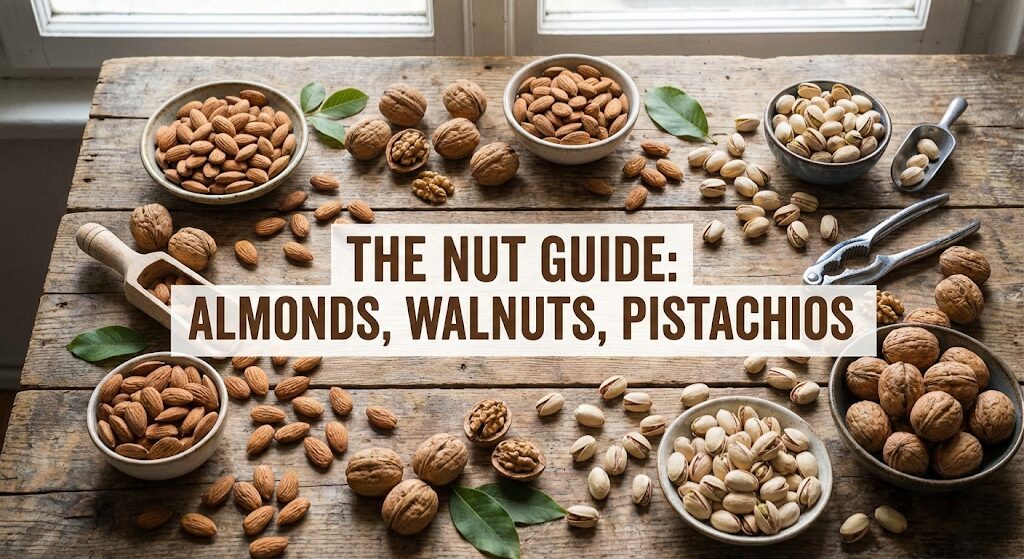
5 Best Nuts for Diabetics: The Ultimate Guide to Blood Sugar Control
Crunch your way to better health. We analyze the science behind the best nuts for stabilizing glucose, improving heart health, and managing weight.
For years, people with diabetes were told to fear fat. But modern nutritional science has flipped the script: healthy fats are not just safe; they are essential for managing blood sugar. Among the best sources of these healthy fats are nuts—nature’s tiny, nutrient-dense powerhouses.
But with so many options in the aisle, which ones actually move the needle on your A1C? Are cashews too carb-heavy? Do pistachios really help with insulin? The truth is, while almost all nuts are healthy, some are specifically superior for diabetic management due to their unique glycemic profiles and nutrient density.
In this guide, we reveal the 5 best nuts for diabetics based on the latest research. Whether you are looking for a snack to pair with your 3-day diabetic meal plan or need a heart-healthy topping for your morning oats, these selections are proven to support your health goals.
Why Nuts are a Diabetic Superfood
Nuts are a “trifecta” food: they contain fiber, protein, and healthy fats. This combination is the holy grail for diabetes management for several reasons:
- The “Brake” Effect: When you eat nuts alongside carbohydrates (like fruit or bread), the fat and protein slow down digestion. This acts like a brake on sugar absorption, preventing the rapid glucose spikes that usually occur after eating carbs alone.
- Magnesium Richness: Many diabetics are deficient in magnesium, a mineral crucial for insulin sensitivity. Nuts like almonds and cashews are among the best natural sources.
- Heart Health: Diabetics have a higher risk of cardiovascular disease. The monounsaturated fats in nuts help lower LDL (bad) cholesterol while maintaining HDL (good) cholesterol.
- Satiety: Nuts trigger satiety hormones, making you feel full longer. This helps prevent overeating, a key factor in weight management.
Our Selection Criteria
To determine the top 5, we evaluated common nuts based on:
- Glycemic Index (GI): All selections must have a low GI (under 30) to ensure minimal impact on blood sugar.
- Carbohydrate Profile: We prioritized nuts with high fiber counts, which lowers the “net carb” impact.
- Cardiovascular Benefits: Given the link between diabetes and heart disease, we looked for nuts proven to improve lipid profiles.
- Research Backing: We only selected nuts with specific clinical studies supporting their benefits for metabolic health.
The 5 Best Nuts for Diabetes
Here are the top performers that deserve a permanent spot in your pantry.
1. Almonds
Best for Glucose ControlAlmonds are arguably the most researched nut when it comes to diabetes. A study published in the journal Metabolism showed that consuming almonds alongside a white-bread meal significantly lowered the post-meal blood sugar spike compared to eating bread alone.
They are packed with Vitamin E (a powerful antioxidant) and magnesium. Magnesium is vital because it helps your body use insulin effectively. Just one ounce of almonds provides nearly 20% of your daily magnesium needs.
Nutritional Snapshot (1 oz / ~23 nuts):
- Calories: 164
- Protein: 6g
- Net Carbs: 2.5g
- Fiber: 3.5g
- GI Score: ~0-15 (Very Low)
Pros
|
Cons
|
Verdict: The gold standard for diabetics. Keep a small container of raw almonds with you to ward off low blood sugar hunger pangs.

Blue Diamond Whole Natural Raw Almonds
Non-GMO, Heart Healthy, Perfect for snacking.
2. Walnuts
Best for Heart HealthIf you are concerned about heart disease—a major complication of diabetes—Walnuts are your best friend. They are the only nut with a significant amount of Alpha-Linolenic Acid (ALA), a plant-based Omega-3 fatty acid.
Research indicates that regular walnut consumption improves endothelial function (the health of your blood vessel linings). This is critical for diabetics, as high blood sugar can damage blood vessels over time. They are also softer than almonds, making them easier to eat for those with dental issues, a topic we cover in our guide for diabetic menus for the elderly.
Nutritional Snapshot (1 oz / ~14 halves):
- Calories: 185
- Protein: 4g
- Net Carbs: 2g
- Fiber: 2g
- Fat: 18.5g (High Omega-3)
Pros
|
Cons
|

3. Pistachios
Best for Portion ControlPistachios are unique because you can eat more of them per serving (about 49 nuts!) compared to other nuts. This visual volume is satisfying for those who feel restricted by small portion sizes.
Studies have found that pistachios have glucose-lowering effects. One study showed that people who ate pistachios daily had significantly lower blood sugar levels than those who didn’t. Plus, the act of shelling them slows down your eating speed, allowing your brain to register fullness before you overeat.
Nutritional Snapshot (1 oz / ~49 nuts):
- Calories: 159
- Protein: 6g
- Net Carbs: 5g
- Fiber: 3g
- GI Score: Low
Pros
|
Cons
|

Wonderful Pistachios, Roasted and Unsalted
Heart healthy, Plant protein, Shell-on for mindful snacking.
4. Peanuts
Best Budget OptionWhile technically a legume, Peanuts are nutritionally similar to tree nuts and are a fantastic, budget-friendly option for diabetics. They have an exceptionally low Glycemic Index (around 13), meaning they have almost no immediate impact on blood sugar.
Peanuts are higher in protein than most tree nuts (7g per ounce). This makes them highly satiating. Whether eaten whole or as natural peanut butter, they are a staple for low-income diabetic menus where cost-effective nutrition is key.
Nutritional Snapshot (1 oz / ~28 nuts):
- Calories: 161
- Protein: 7.3g
- Net Carbs: 2.2g
- Fiber: 2.4g
- GI Score: 13 (Extremely Low)
Pros
|
Cons
|

Planters Dry Roasted Peanuts (Unsalted)
Heart healthy, 7g protein per serving, Classic crunch.
5. Cashews
Best for Metabolic HealthCashews often get a bad rap for being “high carb,” but this is a misconception. While they have slightly more carbs than walnuts, their Glycemic Index is still low (around 25).
A 2018 study on Asian Indians with Type 2 diabetes found that those who consumed a cashew-enriched diet had lower systolic blood pressure and higher HDL (good) cholesterol levels after 12 weeks, with no negative impact on blood weight or blood sugar. Their rich, buttery texture makes them an excellent substitute for cream in vegan sauces.
Nutritional Snapshot (1 oz / ~18 nuts):
- Calories: 157
- Protein: 5g
- Net Carbs: 8g
- Fiber: 1g
- GI Score: ~25 (Low)
Pros
|
Cons
|

Terrasoul Superfoods Organic Raw Cashews
USDA Organic, Non-GMO, Perfect for healthy snacking.
Comparison: Nutrient Profile per 1oz (28g)
| Nut Type | Calories | Protein | Net Carbs | Primary Benefit |
|---|---|---|---|---|
| Almonds | 164 | 6g | 2.5g | Spike Reduction |
| Walnuts | 185 | 4g | 2g | Heart/Omega-3s |
| Pistachios | 159 | 6g | 5g | Volume/Satiety |
| Peanuts | 161 | 7g | 2.2g | Budget/Protein |
| Cashews | 157 | 5g | 8g | BP/Cholesterol |
Portion Control: The Golden Rule
While nuts are healthy, they are calorie-dense. “Overdosing” on nuts is a common mistake that can lead to weight gain, which subsequently increases insulin resistance.
What does 1 Serving (1 oz) look like?
- Almonds: ~23 nuts
- Walnuts: ~14 halves
- Pistachios: ~49 kernels
- Cashews: ~18 nuts
- Peanuts: ~28 nuts
Tip: Use a small ramekin or a shot glass to measure your portion rather than eating straight from the bag.
Risks & Precautions
Even superfoods have caveats. Here is what you need to watch out for:
- Salt (Sodium): Heavily salted nuts can raise blood pressure, putting strain on kidneys that may already be compromised by diabetes. Always choose “Unsalted” or “Lightly Salted.”
- Hidden Sugars: Honey-roasted, chocolate-covered, or “glazed” nuts are candy, not snacks. They will spike your blood sugar rapidly.
- Oxalates: Almonds are high in oxalates. If you have a history of calcium-oxalate kidney stones, moderate your almond intake and drink plenty of water.
- Selenium Toxicity: While Brazil nuts are healthy, they are so high in selenium that eating more than 2-3 a day can be toxic. Stick to the 5 nuts listed above for daily snacking.
Creative Ways to Add Nuts to Your Diet
Bored of just chewing on plain nuts? Try these ideas:
- Salad Topper: Crushed walnuts add a perfect crunch to leafy greens, replacing high-carb croutons.
- Yogurt Parfait: Mix almonds into plain Greek yogurt with berries for a diabetic breakfast that keeps you full until lunch.
- Breading Substitute: Use crushed pistachios or almond flour to coat chicken or fish instead of breadcrumbs for a low-carb crust.
- DIY Trail Mix: Mix peanuts, pumpkin seeds, and dark chocolate chips (70% cocoa) for a safe movie snack.
Frequently Asked Questions
Mostly, yes. However, roasted nuts may lose a small amount of healthy fats due to heat, and some are roasted in unhealthy vegetable oils. Dry-roasted or raw are the best choices.
Absolutely. Nuts contain unsaturated fats which actively help lower LDL (bad) cholesterol. Walnuts and almonds are particularly effective for this.
Unsweetened almond milk is excellent as it is very low in carbs (often <1g per cup). However, sweetened versions can have as much sugar as soda, so read labels carefully.
They can, especially if you increase fiber intake too quickly. Nuts also contain phytates and tannins which can be hard to digest for some. soaking raw nuts overnight can improve digestibility.
Conclusion
Incorporating nuts into your daily routine is one of the simplest, most delicious changes you can make for your diabetes management. They offer a unique package of blood-sugar-stabilizing fats, fiber, and essential minerals that few other foods can match.
Whether you choose almonds for their glucose control, walnuts for their heart benefits, or peanuts for their protein punch, the key is moderation and avoiding added sugars. Start with a 1-ounce serving today and monitor how your body feels.
Stock up on the #1 Best Nut for Diabetics
Get a bulk bag of raw, heart-healthy almonds delivered to your door.
Shop Blue Diamond Almonds on Amazon