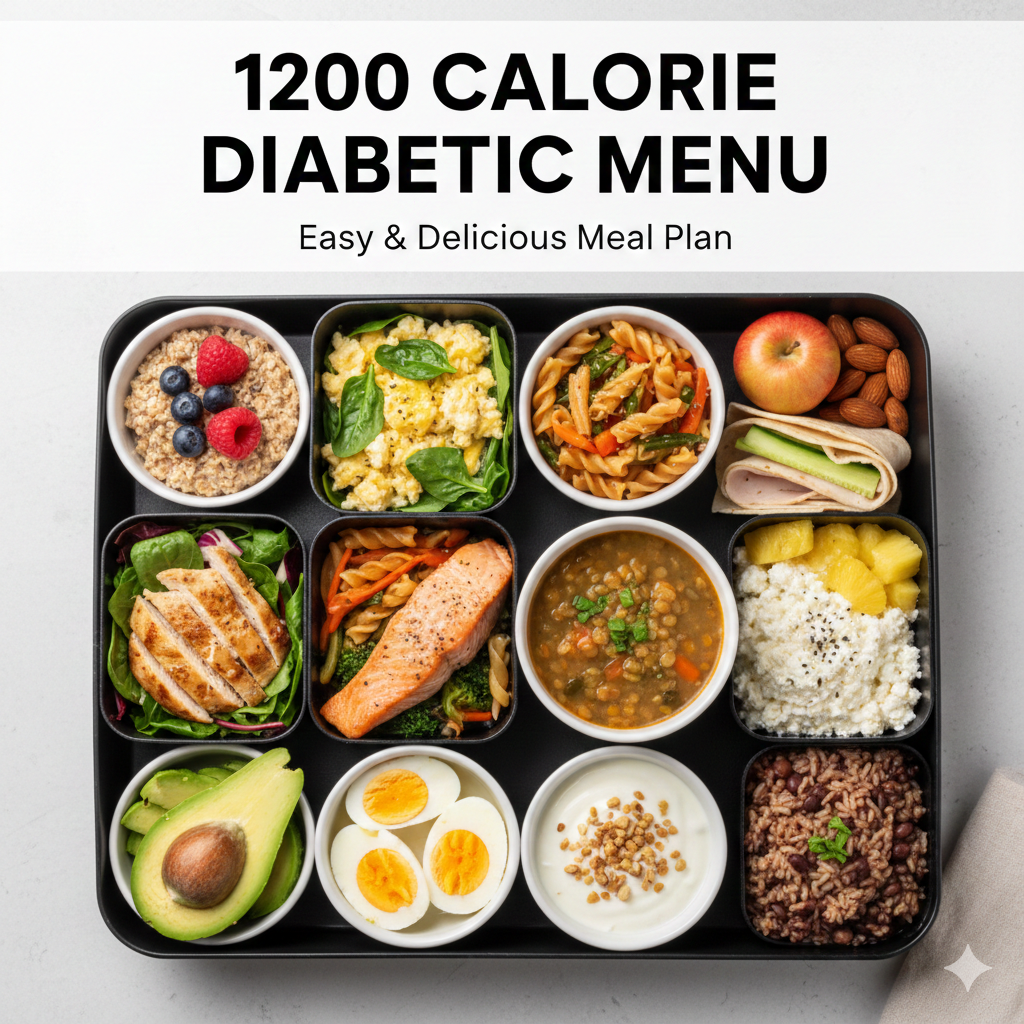
The Strategic 1200 Calorie Diabetic Menu: Precise Control for Weight and Glucose
For many people managing Type 2 diabetes, weight loss is the single most effective tool for remission or control. When excess weight is lost, insulin sensitivity often improves, and A1C levels drop. However, navigating a caloric deficit while trying to keep blood sugar stable is a balancing act. Cut calories too drastically or indiscriminately, and you risk dangerous lows (hypoglycemia) or intense cravings that lead to binging. A well-structured low-calorie plan must also preserve muscle mass and provide steady energy.
A 1200 calorie diabetic menu is considered a restricted-calorie diet. It is precise, efficient, and requires planning. It is not about starvation; it is about mathematical optimization. Every calorie must work double-time, providing both fuel and nutrition. There is no room for empty fillers. The focus is on “volume eating” — foods that are physically large but calorically small — to keep you full and satisfied while respecting your limits.
This guide provides a comprehensive roadmap for sticking to this strict regimen safely. While this plan is highly effective for weight loss, it is often most suitable for petite women, sedentary individuals, or those under medical supervision. For specific populations, we have tailored guides such as the 1200 calorie menu for seniors (which accounts for lower activity) and the low-income diabetic menu (if budget is also a concern). If you are looking for more flexibility, our standard 7-day menu offers a higher caloric baseline for maintenance or moderate loss.
⚠️ Medical Disclaimer & Safety Check
A 1200-calorie diet is on the lower end of recommended intake. It is typically not recommended for active men, taller individuals, athletes, or those with physically demanding jobs, as it can lead to muscle loss, metabolic slowdown, and nutrient deficiencies. Always consult your endocrinologist, registered dietitian, or primary care provider before dropping your intake this low, especially if you are on insulin, sulfonylureas, or other glucose-lowering medications, as dosages may need immediate downward adjustment to prevent severe hypoglycemia.
The Anatomy of a High-Volume 1200 Calorie Day
The biggest enemy of a 1200 calorie diet is hunger. To combat this, we utilize “Volume Eating” — a strategy endorsed by many dietitians for weight management. We prioritize foods that are physically large but calorically small (like leafy greens, cucumbers, zucchini, and broth-based soups) to stretch the stomach and signal fullness to the brain, while still achieving a deficit.
The Macro Split: Fueling Your Body Efficiently
For diabetes management on a budget of 1200 calories, we typically aim for a balanced macronutrient distribution that supports stable glucose and muscle preservation:
- Protein (30-35%): Essential for preserving lean muscle mass during weight loss. Aim for 90-105g per day. Sources: eggs, chicken, Greek yogurt, lentils, tofu.
- Fats (30-35%): Healthy fats (olive oil, avocado, nuts, seeds) slow digestion, provide satiety, and support hormone function. Approx. 40-47g per day.
- Carbohydrates (30-40%): Complex carbs only, focusing on fiber (at least 25g) to manage blood sugar and fullness. Net carbs around 100-120g.
Timing is Everything: Preventing Glucose Dips
Skipping meals on this plan is dangerous. We break the 1200 calories down to prevent glucose dips and maintain energy throughout the day. A typical distribution:
- Breakfast: ~300 Calories (high protein, moderate fat)
- Lunch: ~350 Calories (fiber + lean protein)
- Dinner: ~400 Calories (balanced plate: protein + veggies + small starch)
- Snack: ~150 Calories (to bridge long gaps)
If you prefer a simpler approach to portion control before committing to a full week, check out our 1-day simple diabetic menu to practice the volume eating techniques.
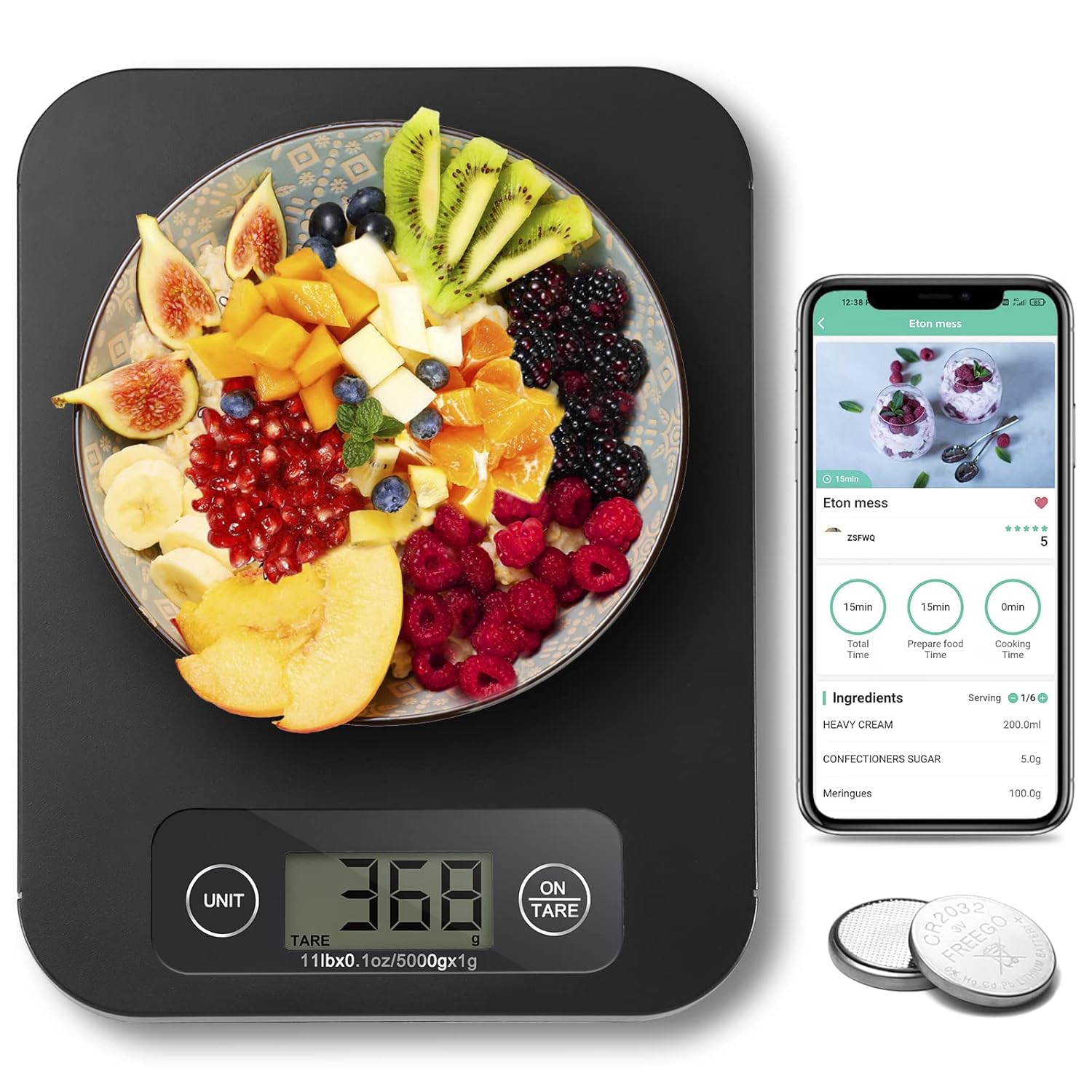
Stop Guessing, Start Measuring
On a 1200 calorie diet, “eyeballing” a tablespoon of peanut butter or a serving of almonds can ruin your deficit. A digital scale with gram accuracy is the only way to be 100% precise with portions — and it takes the guesswork out of logging.
Check Price on AmazonThe 7-Day 1200 Calorie Diabetic Meal Plan (Volume Eating Style)
This menu focuses on nutrient density and satiety. We swap calorie-dense carbs (bread, white rice) for fiber-rich alternatives (lettuce wraps, cauliflower rice, zucchini noodles) to keep you full. Each day includes a snack and hydration reminder. Where possible, we note how to prep ahead.
1200 Calories vs. Standard Diabetic Diet: What’s the Difference?
How does this strict protocol compare to general advice for diabetes? This table highlights the trade-offs.
| Factor | 1200 Calorie Menu (Strict) | Standard Diabetic Menu (~1800 cal) |
|---|---|---|
| Weight Loss Speed | Fast (1-2 lbs/week for those who qualify) | Moderate/Slow (0.5 lb/week) |
| Hunger Management | Requires high-volume, low-calorie foods; more meal structure | Easier; allows more fats/starches and flexible portions |
| Carbohydrate Allowance | Strict (usually under 100g net carbs) | Moderate (135g – 180g, flexible) |
| Best For | Petite women, sedentary seniors, short-term rapid loss under supervision | Men, active adults, teens, long-term maintenance |
| Nutrient Density Demands | Very high; every calorie must count (multivitamin often advised) | Easier to meet micronutrient needs with whole foods |

Portion Control Made Easy
Don’t want to weigh every gram? Color-coded containers take the math out of meal prep, ensuring you stick to your macros without the headache. Perfect for pre-portioning lunches for the week.
Check Price on AmazonCost-Effective Calorie Cutting: Eat Well for Less
One benefit of eating less is spending less—if you do it right. However, fresh produce for volume eating can add up if you’re not strategic. To keep costs low while maintaining nutrient density:
- Buy Frozen Veggies in Bulk: Frozen broccoli, spinach, cauliflower, and mixed vegetables are cheaper than fresh, last longer, and are just as nutritious (often flash-frozen at peak ripeness).
- Eggs are Gold: They are the cheapest high-quality protein source and perfectly portioned for 1200-calorie meals. Use them for breakfast, lunch salads, or quick dinners.
- Skip “Diet” and “Low-Calorie” Packaged Foods: Processed 100-calorie packs, diet shakes, and low-fat snacks are expensive and often unfilling. Whole foods (legumes, eggs, oats, seasonal produce) give you more volume per dollar.
- Cook from Scratch: A pot of lentil soup costs pennies per serving and freezes well. You control sodium and ingredients.
For more detailed budget strategies that align with a low-calorie approach, read our low-income diabetic menu guide — many of those tips (bulk beans, frozen veggies) are perfect here.
Expert Tips: Avoiding the “Hangry” Crash on 1200 Calories
The hardest part of a 1200 calorie diet is the mental battle against hunger and low energy. Here is how to win with behavioral strategies:
1. Hydrate Strategically
Drink a full glass of water (12-16 oz) 15 minutes before every meal. It fills the stomach and improves digestion. Thirst is often mistaken for hunger, especially in the afternoon. Add lemon or cucumber for flavor.
2. Spice is Nice (and Calorie-Free)
Bland food leaves you unsatisfied. Use hot sauce, vinegar, lemon juice, garlic powder, cumin, smoked paprika, and fresh herbs liberally. They add zero calories but massive satisfaction, making vegetables and lean proteins more enjoyable.
3. Sleep More, Crave Less
When you are tired, your body craves sugar for instant energy. Getting 7-8 hours of sleep regulates hunger hormones (ghrelin and leptin), making it easier to stick to your limit. Prioritize sleep as part of your diabetes management.
4. The “Plate Trick”
Use smaller plates (salad plates) to make the portions look larger. The visual cue of a full plate tricks your brain into feeling more satisfied. Always fill half your plate with non-starchy vegetables.
If you are managing this diet for an older relative who may have chewing difficulties, consider the texture modifications found in our diabetic menu for elderly with no teeth — many of these soft, low-calorie options can be adapted.
Frequently Asked Questions: 1200 Calorie Diabetic Diet
Who is a 1200 calorie diabetic diet appropriate for?
A 1200 calorie diet is typically recommended for petite women, inactive seniors, or individuals with a specific medical need for rapid (but supervised) weight loss. It is generally too low for active men or larger individuals, who may risk muscle loss.
Will I feel hungry on 1200 calories?
Hunger is common initially. To combat this, the menu focuses on high-volume foods like leafy greens and fibrous vegetables, along with adequate protein at every meal to signal satiety to the brain.
Can I snack on this plan?
Yes, snacking is often necessary to prevent hypoglycemia (low blood sugar) between meals. However, snacks must be calculated into the daily total, usually around 100-150 calories each.
How does this compare to a Keto diet?
This 1200 calorie plan is calorie-restricted but generally balanced in macronutrients. A Keto diet restricts carbohydrates severely (often under 50g) but allows for higher fat and calorie intake. This plan is easier to sustain socially but requires portion discipline.
What if my blood sugar goes too low?
If you experience hypoglycemia (under 70 mg/dL), treat it immediately with 15g of fast-acting carbs (like juice or glucose tabs) regardless of your calorie limit. Safety always comes first.
Is it safe to exercise on 1200 calories?
Light to moderate exercise like walking or yoga is fine. However, intense interval training or heavy lifting may require a slight caloric increase to fuel recovery and prevent burnout.
Do I need supplements?
Because food volume is low, getting 100% of your micronutrients can be tough. A high-quality multivitamin, Vitamin D, and potentially Calcium are often recommended by dietitians on restricted plans.
Can I drink alcohol on this plan?
Alcohol contains empty calories (7 calories per gram) and can cause blood sugar fluctuations. On a strict 1200 calorie budget, alcohol is usually excluded to save room for nutrient-dense food.
How do I prevent muscle loss while eating 1200 calories?
Prioritize protein at every meal (eggs, lean meat, tofu, Greek yogurt) and incorporate resistance exercises like bodyweight squats or light weights. Adequate protein intake signals the body to preserve muscle.
What volume foods work best to fight hunger?
Leafy greens (spinach, kale), cucumbers, zucchini, cauliflower, broccoli, and broth-based soups are extremely low in calories but take up space in the stomach, promoting fullness.
Small Portions, Big Results — But Sustainability Matters
Adopting a 1200 calorie diabetic menu is a short-term challenge that can yield long-term health benefits. By shedding excess weight, you reduce the load on your pancreas and improve your body’s ability to use insulin. It requires discipline, measuring, and planning, but the clarity and energy you gain are worth the effort. Many individuals see significant drops in fasting glucose and A1C within weeks.
Remember to listen to your body. If you feel dizzy, weak, or unusually fatigued, you may need to adjust calories slightly upward or modify medications. Use this guide as a structured starting point. For long-term maintenance after you’ve reached your weight goals, transition to our 30-day comprehensive guide (which offers a more moderate calorie level) to sustain your progress without deprivation.
It’s actually a cool and helpful piece of information. I’m satisfied that you just shared this helpful information with
us. Please keep us informed like this. Thank you for sharing.